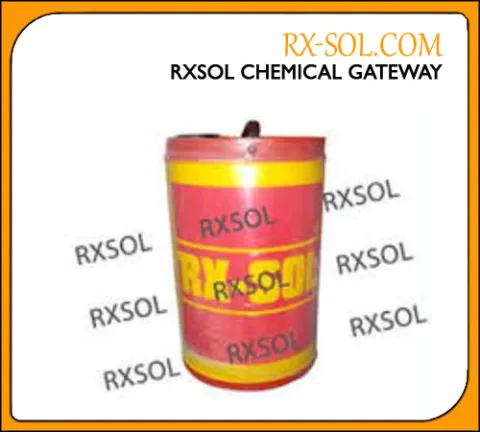
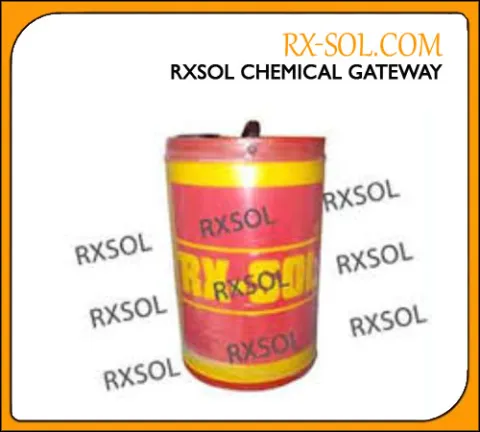
Coolant Premix Redcool
- Part number
- RXSOL-40-4043-025
- Category
- Automobiles
- Brand
- RXSOL
Overview
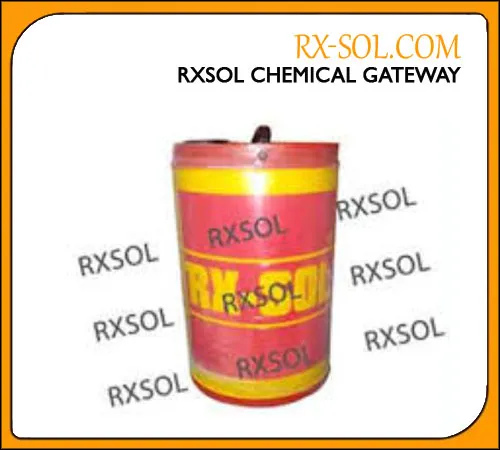
RXSOL REDCOOL is an ALL YEAR ROUND automotive cooling system treatment, designed to provide complete cooling system protection. Modern engine cooling systems are designed with the fluid characteristics of glycol based coolants in mind. RXSOL REDCOOL is a complete full fill requirement and it’s ready to use - simply pour.
RXSOL REDCOOL is a glycol premix coolant which reduces cavitation in areas such as the water pump and surface cavitation in hot spots of the cylinder head. The minimisation of cavitation erosion and pitting of heat rejecting aluminium surfaces (eg. behind exhaust ports) helps to increase component life. A concentration of at least 30% glycol is required to obtain a significant improvement in cavitation performance. Motor manufacturers normally use a minimum of 33% glycol coolant in new vehicles to achieve satisfactory engine cooling system protection. RXSOL REDCOOL is premixed to more glycol concentration.
RXSOL REDCOOL will raise the boiling point and lower the freezing point of the engine coolant. The benefits impart a resistance to the engine coolant boiling in summer and freezing in winter.
RXSOL REDCOOL incorporates additives to guard against corrosion of cast iron, steel, brass, solder, copper and aluminium alloys used for engine and radiator components.
Technical specifications
Typical Characteristics
| pH |
Reserve Alkalinity mL |
Boiling Point (undiluted) 0C |
Freezing Point |
Density @ 200C kg/L |
| 7.9 | 5.8 | 120 | -37 | 1.05 - 1.09 |
Applications
RXSOL REDCOOL is compatible with materials normally used in automotive cooling systems which include rubber hoses, gaskets, rubber seals and plastic components.
Caution: RXSOL REDCOOL is premixed to the correct percentage of glycol concentration. DO NOT top up with water as it will reduce the glycol and corrosion inhibitor concentration and accordingly reduce the protection provided, increasing the risk of damage to your cooling system and engine problems.
RXSOL REDCOOL could soften some types of painted finishes. In the event of a spillage, wash off with water immediately, do not wipe off. First Aid If RXSOL REDCOOL is accidentally swallowed, contact a doctor or the Poisons Information Centre in your State. Induce vomiting. Use Ipecac Syrup.
Dosage and directions
Drain and flush previous fluid according to the instructions provided by the vehicle manufacturer. For best results set heater controls to “HEAT” whilst this is carried out.
To remove traces of old fluid, flush the system with clean water.Remove drain plug or bottom radiator hose as appropriate. Hoses other than the bottom radiator hose may need to be removed to ensure all the old coolant is removed..
RXSOL REDCOOL can be used as either a top-up or complete fill without the danger of diluting coolant concentrations. DO NOT ADD WATER to the cooling system when refilling, only add RXSOL REDCOOL .
RXSOL REDCOOL provides effective corrosion and freezing point protection to -210C. Start and run engine for 5 minutes to circulate the fluid. Check for leaks and top-up system with RXSOL REDCOOL if required. For maximum system protection, replace RXSOL REDCOOL at least every three years or 60,000 km
Characteristics and notes
Product Features & Benefits
- Improved engine corrosion protection helping to resist theformation of rust while protecting alloy heads and engines.
- Improved protection against cavitation in water pumps and hot spots (eg. behind exhaust ports) in aluminium cylinder heads.
- Excellent HOT weather protection. RXSOL REDCOOL helps prevent the risk of the engine coolant boiling, leading to coolant loss and possible engine damage.
- Excellent COLD weather protection.RXSOL REDCOOL reduces the real risk of coolant freezing solid in the engine cooling system and severely damaging engines and/or radiators.
- Due to the above features and benefits, maintenance costs are minimised.
- Easy to use
Performance Levels
RXSOL REDCOOL meets the following requirements:
-
ASTM D3306 General Motors GM 1825 M
-
ASTM D4985 General Motors GM 1899 M
-
SAE J1034 Mazda MES MN 121A C-FA04
-
AS 2108-84 MWM Die sel D234 2/15
-
BS 6580 SAAB FSD 8704
Health, Safety & Environment
RXSOL REDCOOL is considered non-hazardous according to Worksafe.However, in line with safe handling practices, it is recommended that the handling instructions outlined in the Material Safety Data Sheet be followed.
Disposal:Oily materials must not be allowed to enter groundwater, watercourses, sewerage or drainage systems. Refer to local Waste Disposal Authority for legal requirements.
Product Removal
Bare Metal Surfaces : Remove with RXSOL DEGREASER.
Hand Cleaning : Remove with RXSOl HAND CLEANER
Other Surfaces : Contact your local Special Products Division in each State Office.
Although all reasonable care has been taken to ensure that the information contained in this publication is accurate as at the time of printing, such information is nevertheless liable to variation in the event of changes occurring subsequent to the date of printing it: the blend formulation, methods of storage, or due to the improper handling or application of any of the products referred to, or in the requirements of any specification or approval relating to any of the products.
Safety and SDS
Read the safety data sheet before handling. Wear suitable gloves and eye protection.
View safety data sheet
| Product Name | : Coolant Premix Redcool |
| Part Number | : RXSOL-40-4043-025 |
Company Details:
RX MARINE INTERNATIONAL
105, A wing , BSEL , TECH PARK.
VASHI ,NEW BOMBAY 400703 INDIA
Branch : Kandla, Mumbai, Chennai, Kakinada, Vizag, Paradip, Kolkata, UAE, OMAN & KENYA.
| Phone | +91 22 20871200-1400 |
| Fax | +91 22 20871500 :::AOH :0091 9821214367 |
| rxsolchemicals@gmail.com | |
| Website | www.rxmarine.com |
| Name of Substance | Cas Number | EINECS No | Wt.% | Symbol |
| Ethylene glycol | 107-21-1 | - | 50 - ≤75 | - |
| Sodium 2-ethylhexanoate | 19766-89-3 | - | 3 | - |
| Disodium tetraborate pentahydrate | 12179-04-3 | - | 1 | - |
Ethylene glycol solution. Corrosion inhibitor. This product also contains approximately 10 ppm of bittering agent, denatonium benzoate.
Other Proprietory ingredients, determined not to be hazardous according to NOHSC criteria, and not dangerous according to the ADG Code,
make up the product concentration to 100%.
| Signal Word | Warning |
| Hazard Statements |
H302 - Harmful if swallowed. H373 - May cause damage to organs through prolonged or repeated exposure. (kidneys) |
| Precautionary statements - General | P103 - Read label before use. P102 - Keep out of reach of children. P101 - If medical advice is needed, have product container or label at hand. |
| Precautionary statements - prevention | P260 - Do not breathe vapour. P270 - Do not eat, drink or smoke when using this product. P264 - Wash hands thoroughly after handling |
| Precautionary statements - response | P314 - Get medical attention if you feel unwell. P301 + P312 + P330 - IF SWALLOWED: Call a POISON CENTER or physician if you feel unwell. Rinse mouth. |
| Disposal | P501 - Dispose of contents and container in accordance with all local, regional, national and international regulations. |
| Eye Contact | In case of contact, immediately flush eyes with plenty of water for at least 15 minutes. Eyelids should be held away from the eyeball to ensure thorough rinsing. Check for and remove any contact lenses. Get medical attention if symptoms occur. |
| Skin Contact | In case of contact, immediately flush skin with plenty of water for at least 15 minutes while removing contaminated clothing and shoes. Wash clothing before reuse. Clean shoes thoroughly before reuse. Get medical attention if symptoms occur |
| Inhalation: | If inhaled, remove to fresh air. Get medical attention if symptoms occur |
| Ingestion: | f ingested, call a physician or Poison Control Center immediately. Get medical attention urgently informing the doctor that a product containing ethylene glycol has been ingested and specific treatment may be required. Transport casualty together with the product container, its label, or the safety data sheet urgently to hospital. Do not induce vomiting unless directed to do so by medical personnel. Never give anything by mouth to an unconscious person. If unconscious, place in recovery position and get medical attention immediately. |
| Protection of first-aiders | No action shall be taken involving any personal risk or without suitable training. It may be dangerous to the person providing aid to give mouth-to-mouth resuscitation. |
| Additaion information | Ethylene Glycol: Gastric irrigation, ethanol or fomepizole may have value in treatment. Consult physician. |
| Suitable extinguishing media | In case of fire, use water fog, alcohol resistant foam, dry chemical or carbon dioxide extinguisher or spray. |
| Extinguishing media which must not be used for safety reasons: | Do not use water jet. |
| Special exposure hazards arising from the substance itself, combustion products, resulting gases: | In a fire or if heated, a pressure increase will occur and the container may burst. |
| Hazardous thermal decomposition | metal oxide/oxides carbon oxides (CO, CO2) (carbon monoxide, carbon dioxide). |
| Special precautions for firefighters | No action shall be taken involving any personal risk or without suitable training. Promptly isolate the scene by removing all persons from the vicinity of the incident if there is a fire. |
| Special protective equipment for fire-fighters: | Fire-fighters should wear positive pressure self-contained breathing apparatus (SCBA) and full turnout gear. |
| Additional information: | Contaminated fire-fighting water must be collected separately. |
| Personal precautions, protective equipment and emergency procedures |
Contact emergency personnel. No action shall be taken involving any personal risk or without suitable training. Evacuate surrounding areas. Keep unnecessary and unprotected personnel from entering. Do not touch or walk through spilt material. Avoid breathing vapour or mist. Provide adequate ventilation. Put on appropriate personal protective equipment. Floors may be slippery; use care to avoid falling. |
| Emergency responders | Entry into a confined space or poorly ventilated area contaminated with vapour, mist or fume is extremely hazardous without the correct respiratory protective equipment and a safe system of work. Wear self-contained breathing apparatus. Wear a suitable chemical protective suit. Chemical resistant boots. See also the information in "For non-emergency personnel". |
| Enviromental Precaution | Avoid dispersal of spilt material and runoff and contact with soil, waterways, drains and sewers. Inform the relevant authorities if the product has caused environmental pollution (sewers, waterways, soil or air). |
|
Methods and materials for containment and cleaning up |
Small spill : Stop leak if without risk. Move containers from spill area. Absorb with an inert material and place in an appropriate waste disposal container. Dispose of via a licensed waste disposal contractor. Large spill : Stop leak if without risk. Move containers from spill area. Approach the release from upwind. Prevent entry into sewers, water courses, basements or confined areas. Contain and collect spillage with non-combustible, absorbent material e.g. sand, earth, vermiculite or diatomaceous earth and place in container for disposal according to local regulations. Contaminated absorbent material may pose the same hazard as the spilt product. Dispose of via a licensed waste disposal contractor. |
| Advice on safe handling | Put on appropriate personal protective equipment. Do not breathe vapour or mist. Do not ingest. Avoid contact with eyes, skin and clothing. Keep in the original container or an approved alternative made from a compatible material, kept tightly closed when not in use. Empty containers retain product residue and can be hazardous. Do not reuse container. |
| Storage | Store in accordance with local regulations. Store in original container protected from direct sunlight in a dry, cool and well-ventilated area, away from incompatible materials (see Section 10) and food and drink. Keep container tightly closed and sealed until ready for use. Store and use only in equipment/containers designed for use with this product. Containers that have been opened must be carefully resealed and kept upright to prevent leakage. Do not store in unlabelled containers. Use appropriate containment to avoid environmental contamination. |
| Advice on general occupational hygiene | Eating, drinking and smoking should be prohibited in areas where this material is handled, stored and processed. Wash thoroughly after handling. Remove contaminated clothing and protective equipment before entering eating areas. See also Section 8 for additional information on hygiene measures. |
| Not suitable | Prolonged exposure to elevated temperature. |
| Engineering Control | Provide exhaust ventilation or other engineering controls to keep the relevant airborne concentrations below their respective occupational exposure limits. All activities involving chemicals should be assessed for their risks to health, to ensure exposures are adequately controlled. Personal protective equipment should only be considered after other forms of control measures (e.g. engineering controls) have been suitably evaluated. Personal protective equipment should conform to appropriate standards, be suitable for use, be kept in good condition and properly maintained. Your supplier of personal protective equipment should be consulted for advice on selection and appropriate standards. For further information contact your national organisation for standards. The final choice of protective equipment will depend upon a risk assessment. It is important to ensure that all items of personal protective equipment are compatible. |
| Personal Protection |
Eye protection : Use of protective clothing is good industrial practice. Personal protective equipment for the body should be selected based on the task being performed and the risks involved and should be approved by a specialist before handling this product. Cotton or polyester/cotton overalls will only provide protection against light superficial contamination that will not soak through to the skin. Overalls should be laundered on a regular basis. When the risk of skin exposure is high (e.g. when cleaning up spillages or if there is a risk of splashing) then chemical resistant aprons and/or impervious chemical suits and boots will be required. Skin protection :Wear protective gloves if prolonged or repeated contact is likely. Wear chemical resistant gloves. Recommended: Butyl gloves. Neoprene gloves. The correct choice of protective gloves depends upon the chemicals being handled, the conditions of work and use, and the condition of the gloves (even the best chemically resistant glove will break down after repeated chemical exposures). Most gloves provide only a short time of protection before they must be discarded and replaced. Because specific work environments and material handling practices vary, safety procedures should be developed for each intended application. Gloves should therefore be chosen in consultation with the supplier/manufacturer and with a full assessment of the working conditions. Other Skin protection :Appropriate footwear and any additional skin protection measures should be selected based on the task being performed and the risks involved and should be approved by a specialist before handling this product. Respiratory protection : In case of insufficient ventilation, wear suitable respiratory equipment. The correct choice of respiratory protection depends upon the chemicals being handled, the conditions of work and use, and the condition of the respiratory equipment. Safety procedures should be developed for each intended application. Respiratory protection equipment should therefore be chosen in consultation with the supplier/manufacturer and with a full assessment of the working conditions. |
|
Environmental exposure controls |
Emissions from ventilation or work process equipment should be checked to ensure they comply with the requirements of environmental protection legislation. In some cases, fume scrubbers, filters or engineering modifications to the process equipment will be necessary to reduce emissions to acceptable levels. |
| Hygiene measures | Wash hands, forearms and face thoroughly after handling chemical products, before eating, smoking and using the lavatory and at the end of the working period. Appropriate techniques should be used to remove potentially contaminated clothing. Wash contaminated clothing before reusing. Ensure that eyewash stations and safety showers are close to the workstation location. |
Gloves Suit
| Form | Liquid |
| Colour | Light red. |
| Odour | Not available. |
| Boiling point and boiling range | No Data Available |
| Flash Point | No data available |
| pH | 7.5 to 9 |
| Evaporation rate | No data available |
| Flammability (solid, gas) | No data available |
| Upper explosion limit | No data available |
| Lower explosion limit | No data available |
| Explosive properties | No data available |
| Vapor pressure | No data available |
| Relative vapor density | No data available |
| Density | 1065 kg/m³ (1.065 g/cm³) at 15°C |
| Water solubility | Soluble |
| Solubility in other solvents | Miscible in water |
| Partition coefficient: octanol | No data available |
| Autoignition temperature | No data available |
| Thermal decomposition | No data available |
| Viscosity, kinematic | No data available |
| Explosive properties | No data available |
| Oxidizing properties | No data available |
| Molecular weight | No data available |
| Recativity | No specific test data available for this product. Refer to Conditions to avoid and Incompatible materials for additional information. |
| Stability | The product is stable. |
| Possibility of hazardous reactions | Under normal conditions of storage and use, hazardous reactions will not occur. Under normal conditions of storage and use, hazardous polymerisation will not occur. |
| Incompatible materials | Reactive or incompatible with the following materials: oxidising materials. |
| Hazardous Decomposition |
Under normal conditions of storage and use, hazardous decomposition products should not be produced. |
| Condition to Avoid | Avoid excessive heat. |
| Route of Exposure | Routes of entry anticipated: Dermal, Inhalation. |
| General | May cause damage to organs through prolonged or repeated exposure. (kidney) |
| Potential acute health effects |
Eye contact: No known significant effects or critical hazards. Inhalation : Vapour inhalation under ambient conditions is not normally a problem due to low vapour pressure. Skin contact: No known significant effects or critical hazards. Ingestion: Harmful if swallowed. Ethylene glycol: Ingestion of ethylene glycol can cause metabolic acidosis, kidney damage, central nervous system depression, and convulsions. The estimated human lethal dose is approximately 100 ml (3.4 ounces for an adult). |
| Symptoms related to the physical, chemical | Eye contact : No specific data. Inhalation : May be harmful by inhalation if exposure to vapour, mists or fumes resulting from thermal decomposition products occurs. Skin contact:No specific data. Ingestion: Adverse symptoms may include the following: nausea or vomiting. |
| Delayed and immediate effects as well as chronic effects from short | Eye contact: Potential risk of transient stinging or redness if accidental eye contact occurs. inhalation : Overexposure to the inhalation of airborne droplets or aerosols may cause irritation of the respiratory tract. skin contact: Prolonged or repeated contact can defat the skin and lead to irritation, cracking and/ or dermatitis. |
| Classification | No data available. |
| Environmental Effects | No known significant effects or critical hazards. |
| Toxicity to fish | No data available |
| Toxicity to daphnia and others | No data available |
| Toxicity to algae | No data available |
| Biodegradability | No data available |
| Persistence and degradability | Expected to be biodegradable |
| Bioaccumulative potential | This product is not expected to bioaccumulate through food chains in the environment. |
| Mobility in soil | Spillages may penetrate the soil causing ground water contamination. |
| Remarks | No data available. |
| Waste Disposal | The generation of waste should be avoided or minimised wherever possible. Significant quantities of waste product residues should not be disposed of via the foul sewer but processed in a suitable effluent treatment plant. Dispose of surplus and non-recyclable products via a licensed waste disposal contractor. Disposal of this product, solutions and any by-products should at all times comply with the requirements of environmental protection and waste disposal legislation and any regional local authority requirements. Waste packaging should be recycled. Incineration or landfill should only be considered when recycling is not feasible. This material and its container must be disposed of in a safe way. Care should be taken when handling emptied containers that have not been cleaned or rinsed out. Empty containers or liners may retain some product residues. Avoid dispersal of spilt material and runoff and contact with soil, waterways, drains and sewers. Diluted fluid should not be discharged into sewage systems unless provided for by local regulations. Dispose under conditions approved by the local authority or via a licensed waste disposal contractor. |
Hazard Pictograms:
| UN Number | Not regulated. |
| Proper shipping name | Not regulated. |
| Transport hazard class(es) 8 | |
| ADR/RID | - |
| Subsidiary risk IMDG | - |
| Subsidiary risk IATA | - |
| Packing group | |
| Packing group | - |
| Environmental hazards | |
| Environmental hazards | No |
| Marine pollutant | No |
| ADR/RID | |
| Hazard ID | - |
| Tunnel Category | - |
| IMDG | |
| EmS Code | - |
| IATA | |
| Packing Instruction (Cargo) | - |
| Maximum quantity | - |
| Packing Instruction (Passenger) | - |
| Maximum quantity | - |
| Regulations | No data available. |
| Chemical safety assessment | No data available. |
| Further information | No data available. |
| Other Information |
The information above is believed to be accurate and represents the best information currently available to us. However, we make no warranty of merchantability or any other warranty, express or implied, with respect to such information, and we assume no liability resulting from its use. Users should make their own investigations to determine the suitability of the information for their particular purposes. In no event shall be liable for any claims, losses, or damages of any third party or for lost profits or any special, indirect, incidental, consequential or exemplary damages, howsoever arising, even if Rx Marine International has been advised of the possibility of such damages. |
Availability
Coolant Premix Redcool manufacturer supplier distributor in Mumbai, Kandla, Kolkata, Vizag, Chennai, India, Fujairah, Dubai UAE, Muscat Oman, Kenya Africa. Get the best quality of Coolant Premix Redcool at a competitive price from us. We have ready stock of Coolant Premix Redcool in India, UAE Gulf, Oman, Kenya Africa. Contact us for bulk as well as small orders.