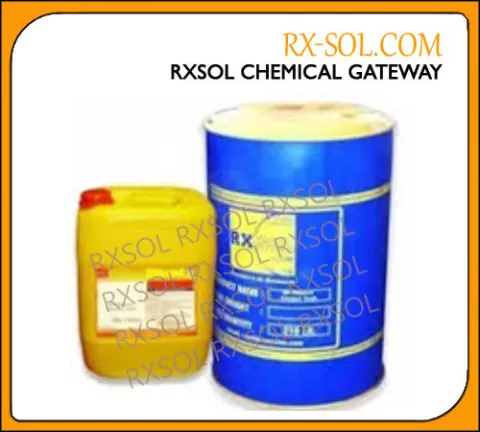
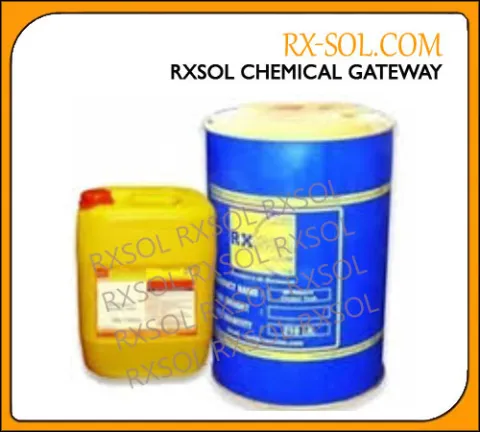
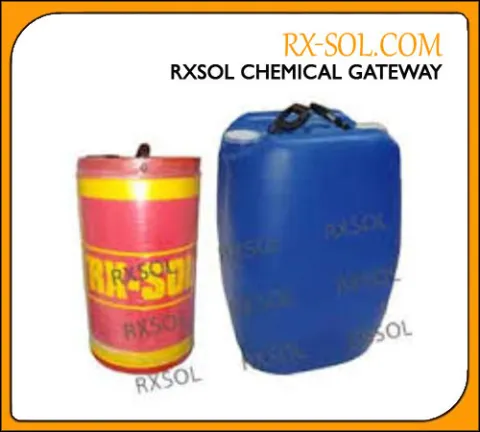
Passivation Liq. Blend with Citric Acid
- Part number
- RXSOL-20-1108-025
- Category
- Tank Cleaner
- Brand
- RXSOL
Overview
Citric acid passivation has become increasingly popular with manufacturers who want to avoid the use of mineral acids or solutions containing sodium dichromate, along with the disposal problems and greater safety concerns associated with their use. Citric acid is considered environmentally friendly in every respect. Although citric acid passivation offers attractive environmental advantages, soaps having success with mineral acid passivation and suffering no safety issues might want to stay the course. There may be no real need to change if those users have a clean soap, well-maintained and clean equipment, coolant tree of iron-containing soap dirt, and a process that yields good results. Passivation treatment in citric acid baths has been found useful for a large number of stainless steel families, including several individual stainless grades. The conventional nitric acid passivation methods are included for convenience. Note that the older nitric acid formulations are in volume percent, while newer citric acid concentrations are in weight percent. It is important to note. in implementing these procedures, that a careful balance of immersion time, bath temperature and concentration is critical to avoid the "flash attack" described earlier, The passivation treatment varies depending on chrome content and machinability characteristics of the grades in each family.
Note the columns referring to Process 1 or Process 2. As shown in Figure 5, Process 1 involves fewer steps than Process 2
Technical specifications
Physical Properties:
|
Specific Gravity Approx. wt. /gallon Viscosity Form Chemical Composition Operating Temperature Flash Point Water solubility Normal working concentration pH at working concentration |
>1 9.5 lb/gal 3 cps Liquid Proprietary ingredients with CITRIC Room temp or higher (120-160°F preferred) None Complete 20-33% by volume in water 1-2 |
Applications
Procedure of Passivation
1. Isolate the exchanger and set up a circuit with an external tank with heating coil inside and a pump to circulate cleaning solution.
FLUSHING:-
2. Flush the Exchanger with fresh water to remove loose material (like dirt etc.) till such time clear water comes.
INHIBITED ACID CLEANING:-
3. Circulate inhibited Acid (5-6 % Citric Acid and 1% Rodine 213) along with non ionic wetting agent like RXSOL-T300 through Exchanger Loop for 6 to 8 hours
4. It total iron concentration reaches 5000 - 8000 PPM and concentration below 2% acid percentage then dump the cleaning solution and repeat the cycle with fresh inhibited acid.
5. Samples to be tested for pH, TDS and iron on hourly basis.
6. Normal operating temperature should be 50-60º C.
7. When iron concentration and acid concentration of solution reaches steady state and cleaning in completed. Drain the cleaning solution.
NEUTRALIZING:-
8. Circulate 1-2% solution of soda Ash for one to two for neutralization.
9. Rinse the neutralizing solution with water till pH of Inlet and Outlet is same.
PASSIVATION:-
10. Immediately fill and Circulate with 1-3% of solution of sodium Hexametaphosphate for 4-6 hours keeping operating temperature around 50-60º C. Analyze for Phosphate levels in Inlet and Outlet. (Normally maintain 30-40 PPM O-PO4 level)
11. Drain the passive solution without flushing with water.
DRYING:-
12. Dry the circuit with dry air/N2.
Safety and SDS
Read the safety data sheet before handling. Wear suitable gloves and eye protection.
View safety data sheet
| Product Name | RXSOL-20-1108-025 |
| Product Type | Passivation Liq. Blend with Citric Acid |
Company Details:
RX MARINE INTERNATIONAL
105, A wing , BSEL , TECH PARK.
VASHI ,NEW BOMBAY 400703 INDIA
| Phone | +91 22 65113333 / 5555 / 9999 |
| Fax | +91 22 2781 1318 :::AOH :0091 9821214367 |
| mail@rxmarine.com |
| Chemicals /Ingridents | CAS No. | EC No. |
Contents weight-% |
Hazard symbol/ Risk phrase* |
| Citric Acid | 77-92-9 | 201-069-1 | 20-40 | R34, R36/37/38, R41 |
| Proprietory Blend | ----- | ----- | 20-30 | -------------- |
| KoH | 1310-58-3 | ----- | ----- | --------------- |
|
Environmental Hazards |
Harmful to aquatic organism |
|
Human Health Hazards |
Burning cause sensitization by the skin contact |
|
Physical & Chemical Hazards |
None none |
|
Ingestion |
If conscious washout mouth and give out one pint of water to drink . Do not induce vomiting without medical attention . |
|
Inhalation |
Remove to fresh air . Obtain medical attention |
|
Eye Contact |
Flush with water for at least 15 minutes. Obtain medical attention |
|
Extinguishing Media:- |
|
|
Suitable |
Non Flamable, Use extinguishing media like foam dry Co2 |
|
Not suitable |
Not applicable |
|
Special |
Not applicable |
|
Protection of fire Fighter |
Not applicable |
| Personal Precaution & Protection | Evacuate, isolate hazard area and deny entry.Avoid contact with: skin, eyes and clothing. Take off immediately all contaminated clothing. Note that contaminated clothing may be a fire hazard. Contaminated clothing should be soaked with water before being removed. It must be laundered |
|
Environmental Protection |
Prevent from entering into drains, ditches or rivers. Use appropriate containment to avoid environmental contamination. |
Handling : Respiratory & Eye System Protection Do not breath . Avoid contact with skin and eyes . In case of contact with skin , wash immediately with plenty of fresh water.
Storage : Store in tightly closed containers in dry, ventilated and locked hazardous chemical store with leak containment. Protect against physical damage and keep away from heat, source of ignition and incompatibles.
Engineering Control : Provide mechanical ventilation for confined spaces.
Eye Protection : Wear chemical safety goggles and face shield. Have eye-wash station available where eye contact can occur.
Skin Protection : Wear glove impervious to conditions of use. Additional protection may be necessary to prevent skin contact including use of apron, face shield, boots or overall.
Respiratory Protection : Full face shield operated at positive pressure. Self-contained breathing apparatus may be required in confined spaces or non routine or emergency situations. .
|
Specific Gravity Approx. wt. /gallon Viscosity Form Chemical Composition Operating Temperature Flash Point Water solubility Normal working concentration pH at working concentration |
>1 9.5 lb/gal 3 cps Liquid Proprietary ingredients with CITRIC Room temp or higher (120-160°F preferred) None Complete 20-33% by volume in water 1-2 |
Chemical Stability : Stable
Possibility of hazardous reaction : Reacts with most metals producing hydrogen gas and nitrogen oxides
Condition to avoid : Intense heat.
Incompatible materials : Strong bases. Strong reducing agents. Most common metals. Organic material. Alcohols. Carbides
Hazardous decomposition material :Formationof hazardous combustion gases or vapours possible
Routes of Entry: Inhalation. Ingestion. Toxicity to Animals: Acute oral toxicity (LD50): 3000 mg/kg [Rat]. Chronic Effects on Humans: May cause damage to the following organs: teeth. Other Toxic Effects on Humans: Hazardous in case of inhalation (lung irritant). Slightly hazardous in case of skin contact (irritant, sensitizer), of ingestion. Special Remarks on Toxicity to Animals: LDL[Rabbit] - Route: oral; Dose: 7000mg/kg Special Remarks on Chronic Effects on Humans: Not available. Special Remarks on other Toxic Effects on Humans: Acute Potential Health Effects: Skin: Causes mild to moderate skin irritation. May cause skin sensitization, an allergic reaction, which becomes evident upon re-exposure to this material. Eyes: Causes moderate to severe eye irritation and possible injury. Ingestion: May cause gastrointestinal (digestive) tract irritation with nausea, vomiting, diarrhea. Excessive intake may cause erosion of teeth and hypocalcemia (calcium deficiency in blood). May affect behavior/central nervous system (tremor, convulsions, muscle contraction or spasticity). Inhalation: Causes moderate respiratory tract and mucous membrane irritation. Chronic Potential Health Effects: Frequent intake of citrated beverages may cause erosion of dental enamel and irritation of
Ecotoxicity: Not available. BOD5 and COD: Not available. Products of Biodegradation: Possibly hazardous short term degradation products are not likely. However, long term degradation products may arise. Toxicity of the Products of Biodegradation: The product itself and its products of degradation are not toxic.
Neutralize the product with lime soda or ash before dispose. Upon neutralization of remaining acid rests and rinsing water can heavy metals precipitate and these constitute hazardous waste.
Additional information:
Effluent must be separated and disposed of as acidic waste. The product has in the undiluted form toxic effects on soil and water. The remaining acid rests and rinsing water can lower the pH value of wastewater and therefore should not be released until it has undergone a neutralization process.
UN Number Not a DOT controlled material
UN PROPPER SHIPPING NAME Citric Acid
TRANSPORT HAZARD CLASS(ES) : Not Classified
ADDITIONAL INFORMATION : Not a DOT controlled material
Federal and State Regulations: TSCA 8(b) inventory: Citric acid Other Regulations: EINECS: This product is on the European Inventory of Existing Commercial Chemical Substances.
Other Classifications: WHMIS (Canada): CLASS E: Corrosive solid. DSCL (EEC): R36/37/38- Irritating to eyes, respiratory system and skin. S26- In case of contact with eyes, rinse immediately with plenty of water and seek medical advice. S37/39- Wear suitable gloves and eye/face protection. HMIS (U.S.A.): Health Hazard: 2 Fire Hazard: 1 Reactivity: 0 Personal Protection: e National Fire Protection Association (U.S.A.): Health: 2 Flammability: 1 Reactivity: 0 Specific hazard: Protective Equipment: Gloves (impervious). Lab coat. Dust respirator. Be sure to use an approved/certified respirator or equivalent. Wear appropriate respirator when ventilation is inadequate. Safety glasses.
The information above is believed to be accurate and represents the best information currently available to us. However, we make no warranty of merchantability or any other warranty, express or implied, with respect to such information, and we assume no liability resulting from its use. Users should make their own investigations to determine the suitability of the information for their particular purposes. In no event shall Rx Marine International be liable for any claims, losses, or damages of any third party or for lost profits or any special, indirect, incidental, consequential or exemplary damages, howsoever arising, even if Rx Marine International has been advised of the possibility of such damages.
DISCLAIMER OF LIABILITY :The information in this SDS was obtained from sources which we believe are reliable. However, the information is provided without any warranty, express or implied, regarding its correctness. The conditions or methods of handling, storage, use or disposal of the product are beyond our control and may be beyond our knowledge. For this and other reasons, we do not assume responsibility and expressly disclaim liability for loss, damage or expense arising out of or in any way connected with the handling, storage, use or disposal of the product. This MSDS was prepared and is to be used only for this product. If the product is used as a component in another product, this MSDS information may not be applicable.
Availability
Passivation Liq. Blend with Citric Acid manufacturer supplier distributor in Mumbai, Kandla, Kolkata, Vizag, Chennai, India, Fujairah, Dubai UAE, Muscat Oman, Kenya Africa. Get the best quality of Passivation Liq. Blend with Citric Acid at a competitive price from us. We have ready stock of Passivation Liq. Blend with Citric Acid in India, UAE Gulf, Oman, Kenya Africa. Contact us for bulk as well as small orders.