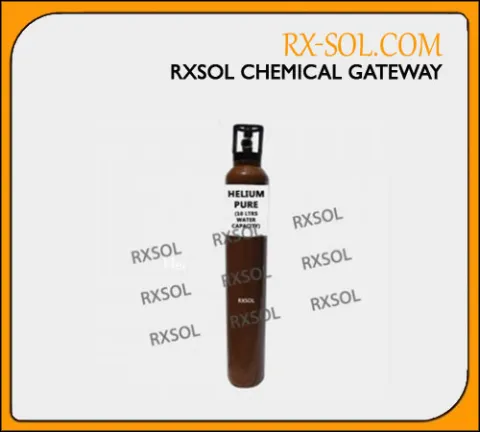
Acetylene Gas Cylinder
- Part number
- RXSOL-16-6154-040
- Category
- Gasses
- Brand
- RXSOL
Overview
Acetylene Gas marine bottle supplier on ship. In combination with oxygen, acetylene filling is used for gas cutting and welding. When blended with oxygen for welding, the fire temperature will achieve 3100º C
Technical specifications
|
Physical state at 20 °C : |
Dissolved gas. |
|
Colour |
Colourless gas. |
|
Odour |
Garlic like. Poor warning properties at low concentrations. |
|
Molecular weight |
26 |
|
Melting point [°C] : |
-80.8 |
|
Boiling point [°C] : |
-84 (s) |
|
Critical temperature [° C]: |
35 |
|
Vapour pressure [20°C] : |
44 bar |
|
Relative density, gas (air=1) : |
0.9 |
|
Relative density, liquid (water=1) : |
Not applicable |
|
Solubility in water [mg/l] : |
1185 |
|
Flammability range [vol% in air] : |
2.34 to 83 |
|
Auto-ignition temperature [°C] : |
325 |
Applications
Features
- Colourless and slightly lighter than air
- It is non-toxic, but has an anesthetic effect if inhaled
- Acetylene is highly flammable
- When mixed with oxygen for welding, the flame temperature will reach 3100º C
Benefits
- For your safety, the product is delivered in a RXSOL cylinder complete with barcode and unique cylinder serial number.
- We trace and track all cylinders using the UniTrak system to give you peace of mind.
Dosage and directions
Acetylene mixed with air is explosive within 2.2% to 85% by volume. Avoid releasing acetylene into the air and ensure good ventilation where acetylene cylinders are stored or used.
When acetylene cylinders are transported horizontally and placed vertically again after transport, a period of at least 24 hours before using the cylinders for gas extraction must be obeyed. This to ensure that the acetone inside the cylinder redistributes in a correct way. When cylinders are used too quickly after placing them vertical again the following can happen:
* When opening the top valve, large amounts of acetone can come out. The customer might interpret this as water/oil because acetone feels slippery on the skin. Opening the top valve without a fitted regulator should not be standard practice as this can create a fire hazard.
* When a regulator is fitted with twin hose and torch, the lighted flame will be very unstable due to the presence of acetone droplets in the gas. This is often referred to as “spitting”.
Solution is to let the cylinder rest for at least 24 hours (depending on temperature; colder environment might require longer time).
Tare "A" weight of acetylene cylinders includes cylinder shell, neckring, valve, porous mass and acetone. For acetylene the following is valid:
1 nm3 = 1.095 kg
1 kg = 0.91 nm3
1 bar = 14.5 psi
1 nm3 = 35.3 ft3
1 kg = 2.2 lbs
Safety and SDS
Read the safety data sheet before handling. Wear suitable gloves and eye protection.
View safety data sheet
| Product Name |
Acetylene Gas Cylinder |
|
Product Type |
RXSOL-16-6154-040 |
Company Details:
RX MARINE INTERNATIONAL
105, A wing , BSEL , TECH PARK.
VASHI ,NEW BOMBAY 400703 INDIA
| Phone | +91 22 27815540 - 43 |
| Fax | +91 22 2781 1318 :::AOH :0091 9322594669 |
| rxsolchemicals@gmail.com |
Substance / Preparation :
| Substance name | Contents | CAS No | EC No | Annex No | Classication |
| Acetylene (dissolved) | 100 % | 74-86-2 | 200-816-9 | 601-015-00-0 |
F+; R12 R5 R6 |
Contains no other components or impurities which will inuence the classication of the product
| Hazard classication : | Classied as hazardous according to NOHSC criteria. Classied as a dangerous good by the criteria of the ADG code. |
| Hazards identication : | Dissolved gas. Extremely ammable |
| R Phrase(s) : R5 : | Heating may cause an explosion. -R6 : Explosive with or without contact with air. - R12 : Extremely ammable S Phrase(s) : S9 : Keep container in a well-ventilated |
| place. - S16 : | Keep away from sources of ignition - No smoking. - S33 : Take precautionary measures against static discharges. |
Inhalation :
In high concentrations may cause asphyxiation. Symptoms may include loss of mobility/consciousness. Victim may not be aware of asphyxiation. In low concentrations may cause narcotic effects. Symptoms may include dizziness, headache, nausea and loss of co-ordination. Remove victim to uncontaminated area wearing self contained breathing apparatus. Keep victim warm and rested. Call a doctor. Apply articial respiration i breathing stopped.
Ingestion :
Ingestion is not considered a potential route of exposure.
Flammable class :
Extremely ammable
Specic hazard :
Exposure to re may cause containers to rupture/explode. Hazardous combustion products : Incomplete combustion may form carbon monoxide.
Extinguishing media:
Suitable extinguishing media :
All known extinguishants can be used. Specic method : If possible, stop ow of product Move away from the container and cool with water from a protected position. Continue water spray from protected position until container stays cool. Do not extinguish a leaking gas ame unless absolutely necessary. Spontaneous/ explosive re-ignition may occur. Extinguish any other re Special protective equipment for r : In conned space use self-contained breathing apparatus.
ghter
Personal precautions :
Wear self-contained breathing apparatus when entering area unless atmosphere is proved to be safe. Evacuate area. Ensure adequate air ventilation. Eliminate ignition sources.
Environmental precautions :
Try to stop release.
Clean up methods :
Ventilate area.
Storage :
Segregate from oxidant gases and other oxidants in store. Keep container below 50°C in a well ventilated place.
Handling :
Ensure equipment is adequately earthed.Avoid contact with pure copper, mercury, silver and brass with greater than 70% copper. Suck back of water into the container must be prevented. Purge air from system before introducing gas. Do not allow backfeed into the container. Use only properly specied equipment which is suitable for this product, its supply pressure and temperature. Contact your gas supplier if in doubt. Keep away from ignition sources (including static discharges). Refer to supplier's container handling instructions.
Personal protection :
Ensure adequate ventilation. Wear suitable hand, body and head protection. Wear goggles with suitable lte lenses when use is cutting/welding. Do not smoke while handling product.
Information on basic physical and chemical properties:
|
Physical state at 20 °C : |
Dissolved gas. |
|
Colour |
Colourless gas. |
|
Odour |
Garlic like. Poor warning properties at low concentrations. |
|
Molecular weight |
26 |
|
Melting point [°C] : |
-80.8 |
|
Boiling point [°C] : |
-84 (s) |
|
Critical temperature [° C]: |
35 |
|
Vapour pressure [20°C] : |
44 bar |
|
Relative density, gas (air=1) : |
0.9 |
|
Relative density, liquid (water=1) : |
Not applicable |
|
Solubility in water [mg/l] : |
1185 |
|
Flammability range [vol% in air] : |
2.34 to 83 |
|
Auto-ignition temperature [°C] : |
325 |
Stability and reactivity :
Can form explosive mixture with air. May decompose violently at high temperature and/or pressure or in the presence of a catalyst. Forms explosive acetylides with copper, silver and mercury. Do not use alloys containing more than 70% copper. Dissolved in a solvent supported in a porous mass. May react violently with oxidants.
Acute toxicity :
No known toxicological effects from this product.
Ecological effects information :
No known ecological damage caused by this product.
General :
Do not discharge into areas where there is a risk of forming an explosive mixture with air. Waste gas should be ared through a suitable burner with ash bacarrestor. Do not discharge into any place where its accumulation could be dangerous. Contact supplier if guidance is required.
| UN No: | 1001 |
| Labelling ADG : | Label 2.1 : ammable gas |
| H.I. nr : | 239 |
| Proper shipping name : | ACETYLENE, DISSOLVED |
| HAZCHEM - Emergency Action Code : | 2SE |
| ADG Class | 2 |
| ADG Classication cod | 4 F |
| Other transport information : |
Avoid transport on vehicles where the load space is not separated from the driver's compartment. Ensure vehicle driver is aware of the potential hazards of the load and knows what to do in the event of an accident or an emergency. Before transporting product containers : - Ensure that containers are rmly secured - Ensure cylinder valve is closed and not leaking. - Ensure valve outlet cap nut or plug (where provided) is correctly tted -Ensure valve protection device (where provided) is correctly tted - Ensure there is adequate ventilation. - Compliance with applicable regulations. |
| E | There may be a public safety hazard outside the immediate area of the incident,and that the following actions should be considered : |
| 1 | People should be warned to stay indoors with all doors and windows closed, preferably in rooms upstairs and facing away from the incident. Ignition sources should be eliminated and any ventilation stopped. |
| 2 | Effects may spread beyond the immediate vicinity. all nonessential personnel should be instructed to move at least 250 metres away from the incident. |
| 3 | Police and re brigade incident commanders should consult each other and with a product expert, or with a source of product expertise. |
| 4 | The possible need for subsequent evacuation should be considered, but it should be remembered that in most cases it will be safer to remain in a building than to evacuate. |
| 2 = | Fine water spray. |
| S = |
Risk of violent reaction or explosion. Recommended personal protective equipment : Full re kit and breathing apparatus. Appropriate measures : dilute |
| EC Classication : |
Annex No : 601-015-00-0 F+; R12 R5 R6 EC Labelling |
| Symbol(s) : F+ : | Extremely ammable |
| R Phrase(s) : R5 : | Heating may cause an explosion. |
| R12 : | Extremely ammable |
| S Phrase(s) : S9 : | Keep container in a well-ventilated place. |
| S16 : | Keep away from sources of ignition - No smoking. |
| S33 : | Take precautionary measures against static discharges. |
The information provided about the product on this Safety Data Sheet has been compiled from knowledge of the individual constituents The data given here is based on current knowledge and experience. This Safety Data Sheet describes the product in terms of safety requirements and does not signify any warranty with regard to the product's properties The data given here only applies when product used for proper application(s). The product is not sold as suitable for other applications usage in such may cause risks not mentioned in this sheet. Do not use for other application(s) without seeking advice from manufacturer.
DISCLAIMER OF LIABILITY :The information in this SDS was obtained from sources which we believe are reliable. However, the information is provided without any warranty, express or implied, regarding its correctness. The conditions or methods of handling, storage, use or disposal of the product are beyond our control and may be beyond our knowledge. For this and other reasons, we do not assume responsibility and expressly disclaim liability for loss, damage or expense arising out of or in any way connected with the handling, storage, use or disposal of the product. This MSDS was prepared and is to be used only for this product. If the product is used as a component in another product, this MSDS information may not be applicable.
Availability
Acetylene Gas Cylinder manufacturer supplier distributor in Mumbai, Kandla, Kolkata, Vizag, Chennai, India, Fujairah, Dubai UAE, Muscat Oman, Kenya Africa. Get the best quality of Acetylene Gas Cylinder at a competitive price from us. We have ready stock of Acetylene Gas Cylinder in India, UAE Gulf, Oman, Kenya Africa. Contact us for bulk as well as small orders.