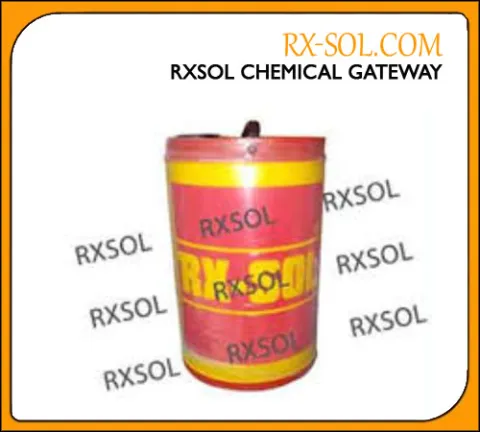
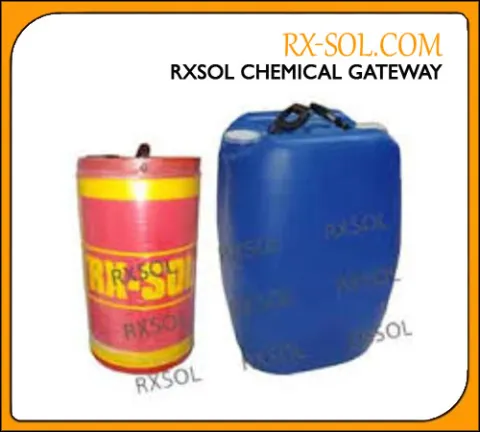
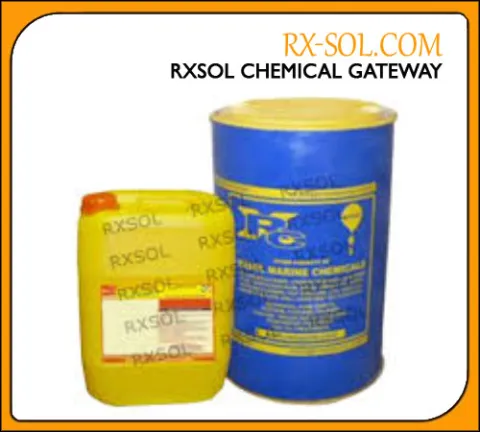
Solvent Naphtha L
- Part number
- RXSOL-19-1977-205
- Category
- Paint and Cleaning solvent
- Brand
- RXSOL
Overview
Solvent naphtha L is light aromatic (CAS No. 64742-95-6) is a mixture of light aromatic hydrocarbons from refined petroleum distillates, with an aromatic content of 98% or greater. It is composed primarily of C9-10 dialkyl and trialkylbenzenes. It contains approximately 46% trimethylbenzenes, 36% ethylmethylbenzenes, 0 to 5% xylene, 0 to 5% cumene, and 1.5% ethylbenzene; the exact composition and concentrations vary.
In Geneal Term general term it is as each refinery produces its own naphthas with unique initial and final boiling points and other physical and compositional characteristics. Naphthas are produced from materials such as coal tar, shale deposits, tar sands and the destructive distillation of wood.
Safety and SDS
Read the safety data sheet before handling. Wear suitable gloves and eye protection.
View safety data sheet
| Trade Name | Solvent Naphtha L |
| Synonyms: | Solvent 100 |
| Part Number | RXSOL-19-1977-205 |
| Product Use: | Solvent |
Company Details:
RX MARINE INTERNATIONAL
105, A wing , BSEL , TECH PARK.
VASHI ,NEW BOMBAY 400703 INDIA
Branch : Kandla, Mumbai, Chennai, Vizag , Kolkata, UAE, OMAN and Kenya
| Phone | +91 22 2087 1200 - 1400 |
| Fax | +91 22 2087 1500 :::AOH :0091 9821214367 |
| rxsolchemicals@gmail.com | |
| Website | www.rxmarine.com |
* All concentrations are percent by weight unless material is a gas. Gas concentrations are in percent by volume. Concentration values may vary.
| Name of Substance | Cas Number | Weight | Hazard Classification |
| SOLVENT NAPHTHA (PETROLEUM), LIGHT AROMATIC | 64742-95-6 | >99% | H226, H304, H335, H336, H351, H316, H401 |
| Cumene | 98-82-8 | < 1.1% | H226, H304, H335, H351, H401, H411 |
| PSEUDOCUMENE (1,2,4- TRIMETHYLBENZENE) | 95-63-6 | < 32% | H226, H332, H335, H315, H319(2A), H401, H411 |
| XYLENES | 1330-20-7 | < 2.2% | H226, H304, H312, H332, H335, H315, H320(2B), H373 H401 |
CLASSIFICATION:
| Flammable liquid | Category 3 |
| Carcinogen | Category 2. Specific target organ toxicant (central nervous system): Category 3. Specific target organ toxicant (respiratory irritant): Category 3. Aspiration toxicant: Catego |
| Signal Word | Danger |
| Label Elements | |
| GHS Hazard Classifications: | Flammable liquid: Category 3. Carcinogen: Category 2. Specific target organ toxicant (central nervous system): Category 3. Specific target organ toxicant (respiratory irritant): Category 3. Aspiration toxicant: Category 1 |
| Hazard Statements | H226: Flammable liquid and vapor. H304: May be fatal if swallowed and enters airways.H335: May cause respiratory irritation. H336: May cause drowsiness or dizziness. H351: Suspected of causing cancer |
| Precautionary statements - prevention |
Wear protective gloves/protective clothing/eye protection/face protection.Use only outdoors or in a well-ventilated area.Wash face, hands and any exposed skin thoroughly after handling.Do not breathe dust/fume/gas/mist/vapors/spray .Keep away from heat/sparks/open flames/hot surfaces. - No smoking Keep container tightly closed Ground/bond container and receiving equipment Use explosion-proof electrical/ventilating/lighting/equipment Use only non-sparking too |
| Precautionary statements - | P201: Obtain special instructions before use. P202: Do not handle until all safety precautions have been read and understood. P210: Keep away from heat/sparks/open flames/hot surfaces. -- No smoking. P233: Keep container tightly closed. P240: Ground / bond container and receiving equipment. P241: Use explosion-proof electrical, ventilating, and lighting equipment. P242: Use only non-sparking tools. P243: Take precautionary measures against static discharge. P261: Avoid breathing mist / vapours. P271: Use only outdoors or in a well-ventilated area. P273: Avoid release to the environment. P280: Wear protective gloves/protective clothing/eye protection/face protection. P301 + P310: IF SWALLOWED: Immediately call a POISON CENTER or doctor/physician. P303 + P361 + P353: IF ON SKIN (or hair): Take off immediately all contaminated clothing. Rinse skin with water/shower. P304 + P340: IF INHALED: Remove person to fresh air and keep comfortable for breathing. P308 + P313: IF exposed or concerned: Get medical advice/ attention. P312: Call a POISON CENTER or doctor/physician if you feel unwell. P331: Do NOT induce vomiting. P332 + P313: If skin irritation occurs: Get medical advice/ attention. P370 + P378: In case of fire: Use water fog, foam, dry chemical or carbon dioxide (CO2) to extinguish. P403 + P235: Store in a well-ventilated place. Keep cool. P405: Store locked up. P501: Dispose of contents and container i |
| Contains: | SOLVENT NAPHTHA (PETROLEUM), LIGHT AROMATIC |
| Other hazard information: | HAZARD NOT OTHERWISE CLASSIFIED (HNOC): None as defined under 29 CFR 1900.1200 |
| PHYSICAL / CHEMICAL HAZARDS | Material can accumulate static charges which may cause an ignition. Material can release vapors that readily form flammable mixtures. Vapor accumulation could flash and/or explode if ignited. |
| HEALTH HAZARDS | May be irritating to the respiratory tract - effects are reversible. Repeated exposure may cause skin dryness or cracking. Mildly irritating to skin. May be irritating to the eyes, nose, throat, and lungs. May cause centralnervous system depression. |
| ENVIRONMENTAL HAZARDS | Expected to be toxic to aquatic organisms. May cause long-term adverse effects in the aquatic environment. |
| Skin Contact | Wash off immediately with plenty of water for at least 15 minutes. Immediate medical attention is required. |
| Eye Contact | Rinse immediately with plenty of water, also under the eyelids, for at least 15 minutes. Obtain medical attention. |
| Inhalation: | Move to fresh air. If not breathing, give artificial respiration. Get medical attention ifm symptoms occur. Risk of serious damage to the lungs. |
| Ingestion | Clean mouth with water and drink afterwards plenty of water. Do not induce vomiting. Call a physician or Poison Control Center immediately. If vomiting occurs naturally, have victim lean forward. |
| Most important symptoms/effects | Breathing difficulties. Symptoms of overexposure may be headache, dizziness, tiredness, nausea and vomiting. |
| Notes to Physician | Treat symptomatically |
| NFPA Hazard ID: | NFPA Hazard ID: |
| HMIS Hazard ID: | Health: 1* Flammability: 2 Reactivity: 0 |
General information: Extinguishing materials should be selected according to the surrounding area. The product itself is not combustible.
| EXTINGUISHING MEDIA | |
| Appropriate Extinguishing Media: | Use water fog, foam, dry chemical or carbon dioxide (CO2) toextinguish flames |
| Inappropriate Extinguishing Media: | Straight Streams of Wate |
| Flammability of the Product | Flammable. |
| Suitable extinguishing media | Carbon dioxide (CO2). Dry extinguishing powder. Water fog. Foam. |
| FIRE FIGHTING | |
| Fire Fighting Instructions: | Evacuate area. Prevent runoff from fire control or dilution from entering streams, sewers, or drinking water supply. Firefighters should use standard protective equipment and in enclosed spaces, self-contained breathing apparatus (SCBA). Use water spray to cool fire exposedsurfaces and to protect personne |
| Unusual Fire Hazards: | Vapors are flammable and heavier than air. Vapors may travel across the ground and reach remote ignition sources causing a flashback fire danger. Hazardous material. Firefighters should consider protective equipment indicated in Section 8 |
| Hazardous Combustion Product | Smoke, Fume, Oxides of carbon, Incomplete combustion products |
| FLAMMABILITY PROPERTIES | |
| Flash Point [Method]: | 46°C (115°F) [ASTM D-56] |
| Flammable Limits (Approximate volume % in air): | LEL: 0.9 UEL: 6.2 |
| Autoignition Temperature: | 485°C (905°F) |
| Extinguishing media which must not be used for safety reasons: | High power water jet. |
| Special protective equipment for fire-fighters: | In case of fire. Fire fighters should wear positive pressure self-contained breathing apparatus (full face-piece type). |
| Additional information: | Contaminated fire-fighting water must be collected separately. |
| NOTIFICATION PROCEDURES | In the event of a spill or accidental release, notify relevant authorities in accordance with all applicable regulations. US regulations require reporting releases of this material to the environment which exceed the applicable reportable quantity or oil spills which could reach any waterway including intermittent dry creeks. The National Response Center can be reached at (800)424-8802. |
| PROTECTIVE MEASURE | Avoid contact with spilled material. Warn or evacuate occupants in surrounding and downwind areas if required due to toxicity or flammability of the material. See Section 5 for fire fighting information. See the Hazard Identification Section for Significant Hazards. See Section 4 for First Aid Advice. See Section 8 for advice on the minimum requirements for personal protective equipment. Additional protective measures may be necessary, depending on the specific circumstances and/or the expert judgment of the emergency responders. |
| Spillage | Absorb with an inert material and put the spilled material in an appropriate waste disposal.Flammable liquid. Keep away from heat. Keep away from sources of ignition. Stop leak if without risk. Absorb with DRY earth, sand or other non-combustible material. Do not touch spilled material. Prevent entry into sewers, basements or confined areas; dike if needed. Be careful that the product is not present at a concentration level above TLV. Check TLV on the MSDS and with local authorities. |
| Personal Protection | Use personal protective equipment. Ensure adequate ventilation. Remove all sources of ignition. Take precautionary measures against static discharges. |
| Enviromental Precaution | Should not be released into the environment. See Section 12 for additional ecological information. Avoid release to the environment. Collect spillage. Do not flush into surface water or sanitary sewer system. |
| Methods and materials for containment and cleaning | Soak up with inert absorbent material. Keep in suitable, closed containers for disposal. Remove all sources of ignition. Use spark-proof tools and explosion-proof equipment |
| ENVIRONMENTAL PRECAUTIONS | Large Spills: Dike far ahead of liquid spill for later recovery and disposal. Prevent entry intowaterways, sewers, basements or confined areas |
| Handling | Avoid breathing mists or vapors. Avoid all personal contact. Potentially toxic/irritating fumes/vapors may be evolved from heated or agitated material. Use only with adequate ventilation. Do not enter storage areas or confined spaces unless adequately ventilated. Prevent small spills and leakage to avoid slip hazard. Material can accumulate static charges which may cause an electrical spark (ignition source). Use proper bonding and/or ground procedures. However, bonding and grounds may not eliminate the hazard from static accumulation. Consult local applicable standards for guidance. Additional references include American Petroleum Institute 2003 (Protection Against Ignitions Arising out of Static, Lightning and Stray Currents) or National Fire Protection Agency 77 (Recommended |
| Storage | The container choice, for example storage vessel, may effect static accumulation and dissipation. Keep container closed. Handle containers with care. Open slowly in order to control possible pressure release. Store in a cool, well-ventilated area. Storage containers should be grounded and bonded. Fixed storage containers, transfer containers and associated equipment should be grounded and bonded to prevent accumulation of static charge |
| Storage Temperature: | [Ambient] |
| Storage Pressure: | [Ambient] |
| Suitable Containers/Packing: | Railcars; Tank Trucks; Barges; Drums; Tankers |
| Suitable Materials and Coatings (Chemical Compatibility | Carbon Steel; Stainless Steel; Copper Bronze; Inorganic; Inorganic Zinc Coatings; Epoxy Phenolic; Polyamide Epoxy; Amine Epoxy; Viton |
| Unsuitable Materials and Coatings | Vinyl Coatings; Butyl Rubber; Natural Rubber; Ethylene proplyene-diene monomer (EPDM); Polyethylene; Polystyrene; PVC; Polyacrylonitrile; Polypropylene |
| Hygiene measures | Immediately change contaminated clothing. Apply preventive skin protection. Wash hands and face after working with substance. |
Exposure Limit Values
Exposure limits/standards (Note Exposure limits are not additive)
| Name of Substance | from | limit /standard | note | Source |
| Cumene | TWA 245 mg/m3 50 ppm | Skin | OSHA Z | |
| Cumene | TWA 50 ppm | ACGIH | ||
| PSEUDOCUMENE (1,2,4- TRIMETHYLBENZENE) | TWA 25 ppm | ACGIH | ||
| SOLVENT NAPHTHA (PETROLEUM), LIGHT AROMATIC | Vapor | RCP - TWA 19 ppm 100 mg/m3 | ExxonMob | |
| XYLENES | TWA 435 mg/m3 100 ppm | OSHA Z1 | ||
| XYLENES | STEL 150 ppm | ACGIH | ||
| XYLENES | TWA 100 ppm | ACGIH |
| Note | : Limits/Standards shown for guidance only. Follow applicable regulations. | ||||||||||||||||||||
| Biological Limits | |||||||||||||||||||||
|
|||||||||||||||||||||
| Engineering Control | The level of protection and types of controls necessary will vary depending upon potential exposure conditions. Control measures to consider: Adequate ventilation should be provided so that exposure limits are not exceeded. Use explosion-proof ventilation equipment. | ||||||||||||||||||||
| Personal Protection |
Personal protective equipment selections vary based on potential exposure conditions such as applications, handling practices, concentration and ventilation. Information on the selection of protective equipment for use with this material, as provided below, is based upon intended, normal uses |
||||||||||||||||||||
| Respiratory Protection | If engineering controls do not maintain airborne contaminant concentrations at a level which is adequate to protect worker health, an approved respirator may be appropriate. Respirator selection, use, and maintenance must be in accordance with regulatory requirements, if applicable. Types of respirators to be considered for this material include:Half-face filter respirator | ||||||||||||||||||||
| Hand Protection: | Any specific glove information provided is based on published literature and glove manufacturer data. Glove suitability and breakthrough time will differ depending on the specific use conditions. Contact the glove manufacturer for specific advice on glove selection and breakthrough times for your use conditions. Inspect and replace worn or damaged gloves. The types of gloves to be considered for this material include: Chemical resistant gloves are recommended. | ||||||||||||||||||||
| Eye Protection: | If contact is likely, safety glasses with side shields are recommended. Skin and Body Protection: Any specific clothing information provided is based on published literature or manufacturer data. The types of clothing to be considered for this material include:Chemical/oil resistant clothing is recommended. | ||||||||||||||||||||
| Hygiene Measures | Handle in accordance with good industrial hygiene and safety practice. | ||||||||||||||||||||
| Exposure Limits |
TWA: 100 (ppm) [Canada] TWA: 435 (mg/m3) [Canada] TWA: 434 STEL: 651 (mg/m3) from ACGIH (TLV) [United States] TWA: 100 STEL: 150 (ppm) from ACGIH (TLV) [United States] Consult local authorities for acceptable exposure limits. |
||||||||||||||||||||
| Specific Hygiene Measures: | Always observe good personal hygiene measures, such as washing after handling the material and before eating, drinking, and/or smoking. Routinely wash work clothing and protective equipment to remove contaminants. Discard contaminated clothing and footwear that cannot be cleaned. Practice good housekeeping | ||||||||||||||||||||
| ENVIRONMENTAL CONTROLS | Comply with applicable environmental regulations limiting discharge to air, water and soil. Protect the environment by applying appropriate control measures to prevent or limit emissions. |
Gloves Suit
Note: Physical and chemical properties are provided for safety, health and environmental considerations only and may not fully represent product specifications. Contact the Supplier for additional information.
GENERAL INFORMATION
| Physical State: | Liquid |
| Form: | Clear |
| Colour | Colourless |
| Odour | Aromatic |
| Odor Threshold | N/D |
| IMPORTANT HEALTH, SAFETY, AND ENVIRONMENTAL INFORMATION | |
| Relative Density (at 15 °C) | 0.874 |
| Boiling Point | 161°C (322°F) - 171°C (340°F) |
| Flash Point | 46°C (115°F) [ASTM D-56] |
| Density (at 15 ºC): | 873 kg/m³ (7.29 lbs/gal, 0.87 kg/dm³) |
| Evaporation Rate | 0.7 |
| pH: | N/A |
| Flammability (Solid, Gas): | N/A |
| Explosive limits |
Upper 6.7 % Lower 0.9 % |
| Vapour pressure | 0.269 kPa (2.02 mm Hg) at 20 °C 0.811 kPa (6.1 mm Hg) at 38°C |
| Log Pow (n-Octanol/Water Partition Coefficient): | N/D |
| Vapour Density | 3.7 |
| Secific Gravity | 0.878 |
| Decomposition Temperature | N/D |
| Solubility in Water: | Negligible |
| Autoignition Temperature | 485°C (905°F) |
| Solubility in Water | Not Soluble |
| Viscosity | 0.75 cSt (0.75 mm2/sec) at 40 °C 0.9 cSt (0.9 mm2/sec) at 25°C |
| Vapor Pressure: | 0.269 kPa (2.02 mm Hg) at 20 °C 0.811 kPa (6.1 mm Hg) at 38°C |
| Molecular Weight | 121 |
| Oxidizing Properties: | See Hazards Identification Section. |
| Freezing Point: | 14°C (7°F) |
| Melting Point: | N/D |
| Hygroscopic: | No |
| Coefficient of Thermal Expansion: 0.00085 V/VDEGC |
| Recativity Hazard | None known, based on information available |
| Stability | Product is stable. |
| Possibility of hazardous reactions | No known hazardous reactions. |
| Conditions to avoid | Incompatible products. Excess heat. Keep away from open flames, hot surfaces and sources of ignition. |
| Incompatible materials | Strong oxidizing agents, Strong acids, Strong reducing agents |
| Hazardous Decomposition Products | Carbon monoxide (CO), Carbon dioxide (CO2), |
| Hazardous Polymerization | Hazardous polymerization does not occur. Hazardous Reactions None under normal processing |
Information on Toxicological Effects:
| 1.Inhalation | |||||||||||||||||
|
|||||||||||||||||
| OTHER INFORMATION | For the product itself: Vapor/aerosol concentrations above recommended exposure levels are irritating to the eyes and respiratory tract, may cause headaches, dizziness, anesthesia, drowsiness, unconsciousness and other central nervous system effects including death. Prolonged and/or repeated skin contact with low viscosity materials may defat the skin resulting in possible irritation and dermatitis. Small amounts of liquid aspirated into the lungs during ingestion or from vomiting may cause chemical pneumonitis or pulmonary edema. Contains: CUMENE: Repeated inhalation exposure of cumene vapor produced damage in the kidney of male rats only. These effects are believed to be species specific and are not relevant to humans. | ||||||||||||||||
| The following ingredients are cited on the lists below: | |||||||||||||||||
Regulatory Lists Searched |
|||||||||||||||||
|
1 = NTP CARC 3 = IARC 1 5 = IARC 2B 2 = NTP SUS 4 = IARC 2A 6 = OSHA CARC |
|||||||||||||||||
| Acute oral toxicity | Symptoms: Gastrointestinal disturbance, Risk of aspiration upon vomiting., Pulmonary failure possible after aspiration of vomit. | ||||||||||||||||
| Acute dermal toxic | Acute toxicity estimate : 1,134 mg/kg | ||||||||||||||||
| Skin corrosion | Drying-out effect resulting in rough and chapped skin. Mixture causes skin irritation. | ||||||||||||||||
| Toxic Effects on Humans | Acute Potential Health Effects: Skin: Causes skin irritation. Can be absorbed through skin. Eyes: Causes eye irritation. Inhalation: Vapor causes respiratory tract and mucous membrane irritation. | ||||||||||||||||
| Special Remarks on Chronic Effects on Humans | Detected in maternal milk in human. Passes through the placental barrier in animal. Embryotoxic and/or foetotoxic in animal. May cause adverse reproductive effects (male and femael fertility (spontaneous abortion and fetotoxicity) and birth defects based animal data. | ||||||||||||||||
|
Further information After absorption: |
Headache, somnolence, Dizziness, euphoria, agitation, spasms, narcosis Effect potentiated by: ethanol Damage to: Kidney, Central nervous system, Liver |
The information given is based on data available for the material, the components of the material and
| ECOTOXICITY | Material -- Expected to be toxic to aquatic organisms. May cause long-term adverse effects in the aquatic environment | |||||||||||||||||||||
| MOBILITY | Material -- Highly volatile, will partition rapidly to air. Not expected to partition to sediment and wastewater solids. | |||||||||||||||||||||
| PERSISTENCE AND DEGRADABILITY | ||||||||||||||||||||||
| Biodegradation: | Material -- Expected to be readily biodegradable | |||||||||||||||||||||
| Photolysis: | : Material -- Transformation due to photolysis not expected to be significant. | |||||||||||||||||||||
| Hydrolysis: | : Material -- Transformation due to hydrolysis not expected to be significant | |||||||||||||||||||||
| Atmospheric Oxidation | : Material -- Expected to degrade rapidly in air | |||||||||||||||||||||
| Mobility in soil | No information available. | |||||||||||||||||||||
| Results of PBT and vPvB assessment | Substance(s) in the mixture do(es) not meet the criteria for PBT or vPvB according to Regulation (EC) No 1907/2006, Annex XIII, or a PBT/vPvB assessment was not conducted. | |||||||||||||||||||||
| Other adverse effects |
Additional ecological information Discharge into the environment must be avoided. |
|||||||||||||||||||||
|
OTHER ECOLOGICAL INFORMATION VOC (EPA Method 24): 7.294 lbs/gal ECOLOGICAL DATA |
||||||||||||||||||||||
|
Disposal recommendations based on material as supplied. Disposal must be in accordance with current applicable laws and regulations, and material characteristics at time of disposal.
| DISPOSAL RECOMMENDATIONS | Product is suitable for burning in an enclosed controlled burner for fuel value or disposal by supervised incineration at very high temperatures to prevent formation of undesirable combustion products |
| REGULATORY DISPOSAL INFORMATION | RCRA Information: Disposal of unused product may be subject to RCRA regulations (40 CFR 261). Disposal of the used product may also be regulated due to ignitability, corrosivity, reactivity or toxicity as determined by the Toxicity Characteristic Leaching Procedure (TCLP). Potential RCRA characteristics: IGNITABILITY. |
| Empty Container Warning | Empty Container Warning (where applicable): Empty containers may contain residue and can be dangerous. Do not attempt to refill or clean containers without proper instructions. Empty drums should be completely drained and safely stored until appropriately reconditioned or disposed. Empty containers should be taken for recycling, recovery, or disposal through suitably qualified or licensed contractor and in accordance with governmental regulations. DO NOT PRESSURISE, CUT, WELD, BRAZE, SOLDER, DRILL, GRIND, OR EXPOSE SUCH CONTAINERS TO HEAT, FLAME, SPARKS, STATIC ELECTRICITY, OR OTHER SOURCES OF IGNITION. THEY MAY EXPLODE AND CAUSE INJURY OR DEATH. |
| Waste treatment Method | Waste material must be disposed of in accordance with the national and local regulations. Leave chemicals in original containers. No mixing with other waste. Handle uncleaned containers like the product itself |
14.1 U.S. Department of Transportation (DOT) Shipping Regulations:
| UN Number | UN1268 |
| Proper shipping name | PETROLEUM DISTILLATES, N.O.S. |
| Hazard Class | Class 3 (xylenes) |
| Packing group | III |
TDG
| Footnote: | The flash point of this material is greater than 100 F. Regulatory classification of this material varies. DOT: Flammable liquid or combustible liquid. OSHA: Combustible liquid. IATA/IMO: Flammable liquid. |
| 14.2 Environmental Hazards: | |
| Marine Pollutant: | The components of this product are designated by the Department of Transportation to be Marine Pollutants (49 CFR 172.101, Appendix B). |
| Special Precaution for User | None |
|
International Air Transport Association Shipping Information (IATA): |
This product is considered as dangerous goods |
|
nternational Maritime Organization Shipping Information (IMO): UN Identification Number: |
UN1268 |
| Proper Shipping Name: | PETROLEUM DISTILLATES, N.O.S. |
| Hazard Class Number and Description: | Hazard Class Number and Description: |
| Packing Group | III |
| EMS-No: | F-E-S-E |
US FEDERAL REGULATIONS
| Comprehensive Environmental Response and Liability Act (CERCLA) | This material is not subject to any special reporting under the requirements of the Comprehensive Environmental Response, Compensation and Liability Act (CERCLA). If appropriate, immediately report to the National Response Center (800/424-8802) as required by U.S.Federal Law. Also contact appropriate state and local regulatory agencies. The reportable quantity (RQ) for this material estimated at 5000 pounds. |
| Toxic Substance Control Act (TSCA) | All components of this product are listed on the TSCA inventory list |
| Delayed Hazard. | SARA Section 311/312 (40 CFR 370) Hazard Categories: |
| SARA Section 313 (40 CFR 372) Hazard Categories | This product contains the following toxic chemical(s) subject to reporting requirements: Non |
| Clean Water Act: | This product contains no chemicals that are listed under the CWA. |
| Clean Air Act | This product contains no chemicals that are listed under the CAA |
| California Prop 65: | This product contains no chemicals known by the State of California to cause cancer, birth defects or other reproductive harm. |
| OSHA HAZARD COMMUNICATION STANDARD: | This material is considered hazardous in accordance with OSHA HazCom 2012, 29 CFR 1910.1200. |
| Other Information |
The information above is believed to be accurate and represents the best information currently available to us. However, we make no warranty of merchantability or any other warranty, express or implied, with respect to such information, and we assume no liability AvailabilitySolvent Naphtha L manufacturer supplier distributor in Mumbai, Kandla, Kolkata, Vizag, Chennai, India, Fujairah, Dubai, Sharjah, UAE, Gulf, Middle East, Muscat Oman, Kenya Africa. Get the best quality of Solvent Naphtha L at a competitive price from us. We have ready stock of Solvent Naphtha L in India, UAE Gulf, Oman, Kenya Africa. Contact us for bulk as well as small orders. Related productsAll Paint and Cleaning solvent |