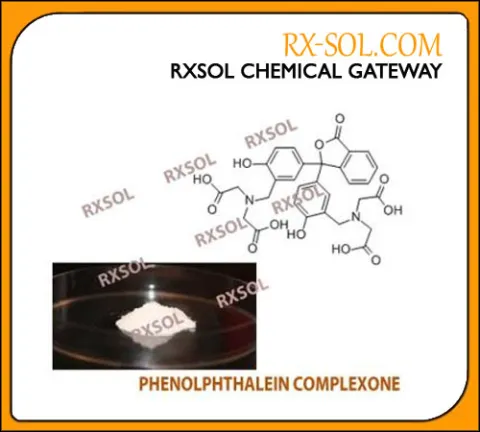
|
Product Name |
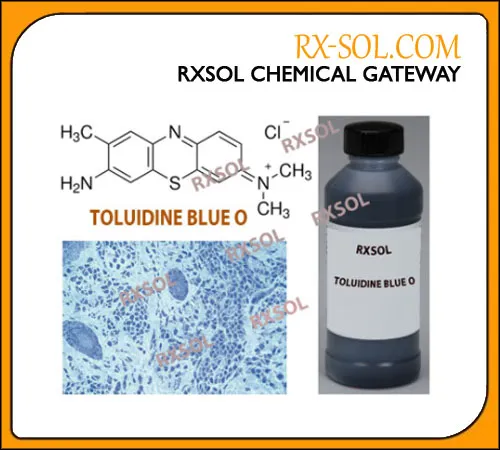
TOLUIDINE BLUE O |
|
Part Number |
RXSOL-69-9231-900 |
Company Details:
RX MARINE INTERNATIONAL
105, A wing , BSEL , TECH PARK.
VASHI ,NEW BOMBAY 400703 INDIA
Branch : Kandla, Mumbai , Chennai, Vizag, Kolkata, UAE , OMAN , CANADA and KENYA
|
Phone |
+91 22 20871200 - 1400 |
|
Fax |
+91 22 27612100 :::AOH :0091 9821214367 |
|
Email |
rxsolchemicals@gmail.com |
|
Website |
www.rxmraine.comA |
|
Chemical Name |
CAS |
EC numbe |
Weight |
Formula |
|
Tolonium chloride Methylene Blue |
92-31-9 |
202-146-2 |
<= 100 % |
C15H16ClN3S |
|
Signal Word |
Warning |
|
Hazard Statements |
H280 Contains gas under pressure; may explode if heated. |
|
Precautionary statements |
P410 + P403 Protect from sunlight. Store in a well-ventilated place. |
|
Classification of the substance or mixture |
Not a hazardous substance or mixture according to Regulation (EC) No 1272/2008. |
|
Supplemental Hazard Statements |
None. |
|
Other hazards |
None. |
|
General advice |
Consult a physician. Show this material safety data sheet to the doctor in attendance. |
|
If inhaled |
If breathed in, move person into fresh air. If not breathing, give artificial respiration. |
|
Eye Contact |
Flush eyes with water as a precaution. |
|
Swallowed |
Never give anything by mouth to an unconscious person. Rinse mouth with water. |
|
Skin Contact |
Wash off with soap and plenty of water. |
|
Inhalation |
Remove patient to fresh air, keep warm and at rest and get medical assistance in necessary. |
|
Ingestion |
Rinse mouth with water. Do not induce vomiting. Never give anything by mouth to an unconscious person. Call a doctor or Poison Control Center immediately. |
|
Most important symptoms and effects, both acute and delaye |
The most important known symptoms and effects are described in the labelling (see section 2.2) and/or in section 11 |
|
Indication of any immediate medical attention and special treatment needed |
No data available |
|
Flammability |
Use water spray, alcohol-resistant foam, dry chemical or carbon dioxide. |
|
Flash Point |
Dry powder Dry sand |
|
Suitable extinguishing media |
Use water spray, alcohol-resistant foam, dry chemical or carbon dioxide. |
|
Unsuitable extinguishing media |
For this substance/mixture no limitations of extinguishing agents are given. |
|
Special hazards arising from the substance or mixture |
Carbon oxides Nitrogen oxides (NOx) Sulfur oxides Hydrogen chloride gas |
|
Further information |
No data available |
Hazardous combustion
products |
Fire may cause the evolution of Sulphur oxides, nitrogen oxides. |
|
Advice for firefighters |
Wear self-contained breathing apparatus for firefighting if necessary. |
|
Protective Equipment |
Use personal protective equipment. |
|
Specific Hazards Arising from the Chemical |
Oxides of phosphorus Sodium oxides Not combustible. Fire may cause evolution of: Oxides of phosphorus Ambient fire may liberate hazardous vapours. |
|
Personal precautions, protective equipment and emergency procedures |
Avoid dust formation. Avoid breathing vapors, mist or gas. For personal protection see section 8. |
|
Spillage |
Oxidizing material. Stop leak if without risk. Avoid contact with a combustible material (wood, paper, oil, clothing...). Keep substance damp using water spray. Do not touch spilled material. Prevent entry into sewers, basements or confined areas dike if needed. Eliminate all ignition sources. Call for assistance on disposal. |
|
Enviromental Precaution |
Do not let product enter drains. |
Methods and materials for
containment and cleaning |
Sweep up and shovel. Keep in suitable, closed containers for disposal. |
|
Advice on safe handling |
Work under hood. Do not inhale substance/mixture. Avoid generation of vapours/aerosols. |
|
Advice on protection against fire and explosion |
Provide appropriate exhaust ventilation at places where dust is formed. |
|
Incompatible materials |
Keep away from alkalis, strong oxidizing agents and metals. Provide containment walls of adequate capacity to hold any accidental spills. |
|
Hygiene measures |
General industrial hygiene practice. For precautions see section 2.2. |
|
Precautions for safe handling |
For precautions see section 2.2. |
|
Storage conditions |
Store in cool place. Keep container tightly closed in a dry and well-ventilated place. |
|
Storage class |
Storage class (TRGS 510): 13: Non Combustible Solids |
|
Specific end use(s) |
Apart from the uses mentioned in section 1.2 no other specific uses are stipulated |
|
Handling |
Keep away from heat. Keep away from sources of ignition. Keep away from combustible material.. Empty containers pose a fire risk, evaporate the residue under a fume hood. Ground all equipment containing material. Do not ingest. Do not breathe dust. Wear suitable protective clothing. In case of insufficient ventilation, wear suitable respiratory equipment. If ingested, seek medical advice immediately and show the container or the label. Avoid contact with skin and eyes. Keep away from incompatibles such as reducing agents, combustible materials, organic materials, metals |
|
Advice on general occupational hygiene |
Advice on safe handling Observe label precautions. Change contaminated clothing. Wash hands after working with substance. |
|
Requirements for storage |
Keep in cool and store under shade. |
|
Exposure controls |
Appropriate engineering controls Handle in accordance with good industrial hygiene and safety practice. Wash hands before breaks and at the end of workday. |
|
Control parameters |
Ingredients with workplace control parameters Contains no substances with occupational exposure limit values. |
|
Engineering Control |
Handle in accordance with good industrial hygiene and safety practice. Wash hands before breaks and at the end of workday. |
|
Eye/face protection |
Use equipment for eye protection tested and approved under appropriate government standards such as NIOSH (US) or EN 166(EU). |
|
Body Protection |
Choose body protection in relation to its type, to the concentration and amount of dangerous substances, and to the specific work-place., The type of protective equipment must be selected according to the concentration and amount of the dangerous substance at the specific workplace. |
|
Skin protection |
Handle with gloves. Gloves must be inspected prior to use. Use proper glove removal technique (without touching glove's outer surface) to avoid skin contact with this product. Dispose of contaminated gloves after use in accordance with applicable laws and good laboratory practices. Wash and dry hands. The selected protective gloves have to satisfy the specifications of Regulation (EU) 2016/425 and the standard EN 374 derived from it. |
|
Respiratory protection |
Respiratory protection is not required. Where protection from nuisance levels of dusts are desired, use type N95 (US) or type P1 (EN 143) dust masks. Use respirators and components tested and approved under appropriate government standards such as NIOSH (US) or CEN (EU). |
|
Other Protection Measure |
Handle in accordance with good industrial hygiene and safety practice. |
|
Control of environmental exposure |
Do not let product enter drains. |
|
Physical state |
Powder |
|
Colour |
No data available |
|
Odour |
No data available |
|
Odor Threshold |
No data available |
|
pH |
No data available |
|
Melting Point |
No data available |
|
Boiling Point |
No data available |
|
Flash Point |
No data available |
|
Evaporation Rate |
Not Applicable |
|
Flammability (solid, gas) |
No data available |
|
Explosive limits |
No Data Available |
|
Upper/lower flammability or explosive limits |
No data available |
|
Autoignition temperature |
No data available |
|
Decomposition temperature |
No data available |
|
Vapour pressure |
No data available |
|
Density |
No data available |
|
Relative Density |
No data available |
|
Relative vapor density |
No data available |
|
Freezing point |
No data available |
|
Viscosity |
No data available |
|
Partition coefficient |
lNo data available |
|
Explosive properties |
No data available |
|
Solubility |
No data available |
|
Ignition temperature |
No information available. |
|
Particle characteristics |
No data available |
|
Reactivity |
No data available |
|
Stability |
Stable under recommended storage conditions. |
|
Possibility of hazardous reactions |
No data available |
|
Conditions to avoid |
No data available |
|
Incompatible materials |
Strong oxidizing agents |
|
Hazardous decomposition products |
In the event of fire: see section 5 |
|
Acute toxicity |
Oral: No data available Inhalation: No data available Dermal: No data available LD50 Intraperitoneal - Rat - 215 mg/kg |
|
Skin corrosion/irritation |
Remarks: No data available |
|
Serious eye damage/eye irritation |
Remarks: No data available |
|
Respiratory or skin sensitization |
Remarks: No data available |
|
Toxic Effects on Human |
May cause damage to the following organs: upper respiratory tract. Other Toxic Effects on Humans: Hazardous in case of skin contact (irritant, sensitizer), of ingestion, of inhalation (lung irritant, lung sensitizer). |
|
Carcinogenicity |
Remarks: No data available |
|
Germ cell mutagenicity |
Test Type: Hamster Test system: ovary Remarks: Cytogenetic analysis |
|
Reproductive toxicity |
No data available |
|
Specific target organ toxicity - single exposure |
No data available |
|
Special Remarks on other Toxi Effects on Humans |
Acute Potential Health Effects: Skin: Causes skin irritation. May cause skin sensitization, an allergic reation, which becomes evident upon re-exposure to this material. Eyes: Causes eye irritation. Ingestion: Causes gastrointestinal (digestive) tract irritation with nausea, vomiting, and diarrhea. May be harmful if swallowed. Inhalation: Causes respiratory tract irritation. May cause chemical pneumonitis and pulmonary edema, inflammation, edema of bronchi and larynx. Chronic Potential Health Effects: Repeated or prolonged skin exposure may cause allergic reactions in sensitive individuals. Repeated or prolonged exposure by inhalation may affect respiration and metabolism. |
|
Additional Information |
RTECS: SP5670000 To the best of our knowledge, the chemical, physical, and toxicological properties have not been thoroughly investigated. |
|
Bioaccumulative potential |
No data available |
|
Persistence and degradability |
No data available |
|
Toxicity to fish |
Static test LC50 - Oncorhynchus mykiss (rainbow trout) - 180 mg/l - 96 h Remarks: (in soft water) (Lit.) |
|
Toxicity to daphnia and other aquatic invertebrates |
Static test EC50 - Daphnia magna (Water flea) - 44,5 mg/l - 48 h (OECD Test Guideline 202) |
|
Toxicity to algae |
Static test ErC50 - Skeletonema costatum - 9 mg/l - 72 h (ISO 10253) |
|
Toxicity to bacteria |
Static test EC20 - activated sludge - > 1.000 mg/l - 30 min (OECD Test Guideline 209) |
|
Mobility in soil |
No Information available |
|
Results of PBT and vPvB assessment |
This substance/mixture contains no components considered to be either persistent, bioaccumulative and toxic (PBT), or very persistent and very bioaccumulative (vPvB) at levels of 0.1% or higher. |
|
Endocrine disrupting properties |
The substance/mixture does not contain components considered to have endocrine disrupting properties according to REACH Article 57(f) or Commission Delegated regulation (EU) 2017/2100 or Commission Regulation (EU) 2018/605 at levels of 0.1% or higher |
|
Other adverse effects |
No data available |
|
Disposal methods |
The material can be disposed of by removal to a licensed chemical destruction plant or by controlled incineration with flue gas scrubbing. Do not contaminate water, foodstuffs, feed or seed by storage or disposal. Do not discharge to sewer systems. |
|
Contaminated packaging |
Dispose of as unused product. |
|
Waste treatment Method |
Offer surplus and non-recyclable solutions to a licensed disposal company |
|
UN number |
ADR/RID: IMDG: IATA: |
|
UN proper shipping name |
ADR/RID: IMDG: IATA: |
|
Transport hazard class(es) |
ADR/RID: IMDG: IATA: |
|
Packaging group |
ADR/RID: - IMDG: - IATA: - |
|
Environmental hazards |
ADR/RID: NO IMDG: NO IATA: NO |
|
Further information |
No data available |
|
Inventory status |
Components are on the following inventories: Polymaleic acid: - US TSCA, Canadian DSL, EU EINECS, Australian AICS, Korean, Philippine PICCS and Chinese Xi irritant R 36/38 Irritant to eyes & skin R 41 Risk of serious damage to eyes S24/25 Avoid contact with skin and eyes S26/28 In case of contact eyes & skin, rinse with plenty water and seek medical advice Section 312/313: Not listed. Not listed under California proposition 65. |
|
Safety, health and environmental regulations/legislation specific for the substance or mixture |
This material safety data sheet complies with the requirements of Regulation (EC) No. 1907/2006. International Chemical Weapons Convention (CWC) Schedules of Toxic Chemicals and Precursors : Restrictions on the marketing and use of certain dangerous substances : Regulation (EC) No 649/2012 of the European Parliament and the Council concerning the export and import of dangerous chemicals : REACH - Candidate List of Substances of Very High Concern for Authorisation (Article 59). |
|
Authorisations and/or restrictions on use |
REACH - Candidate List of Substances of Very High Concern for Authorisation (Article 59). : potassium chromate This product contains a substance listed on Annex XIV of the REACH Regulation (EC) Nr. 1907/2006. Listed substance / Sunset Date : potassium chromate / 21.09.2017 After the sunset date the use of this substance requires either an authorization or can only be used for exempted uses, e.g. use in scientific research and development which includes routine analytics or use as intermediate.REACH - Restrictions on the manufacture, placing on the market and use of certain dangerous substances, mixtures and articles (Annex XVII) : potassium chromate |
|
National legislation |
Seveso III: Directive 2012/18/EU of the European Parliament and of the Council on the control of major-accident hazards involving dangerous substances. H2 ACUTE TOXIC P5c FLAMMABLE LIQUIDS |
|
Other regulations |
Observe work restrictions regarding maternity protection in accordance to Dir 92/85/EEC or stricter national regulations where applicable. Take note of Dir 94/33/EC on the protection of young people at work. |
|
Chemical Safety Assessment |
For this product a chemical safety assessment was not carried out. |
|
Other Information |
The information above is believed to be accurate and represents the best information currently available to us. However, we make no warranty of merchantability or any other warranty, express or implied, with respect to such information, and weassume no liability resulting from its use. Users should make their own investigations to determine the suitability of the information for their particular purposes. In no event shall be liable for any claims, losses, or damages of any third party or for lost profits or any special, indirect, incidental, consequential or exemplary damages, howsoever arising, even if Rx Marine International has been advised of the possibility of such damages.
|