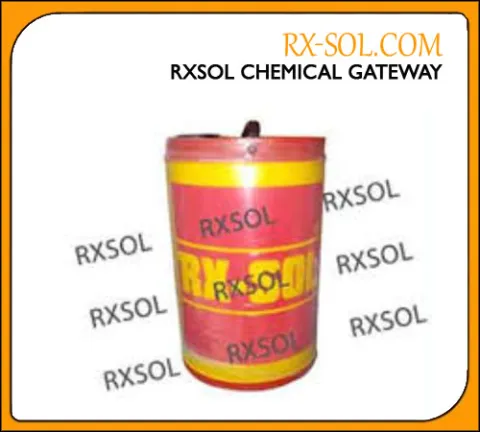
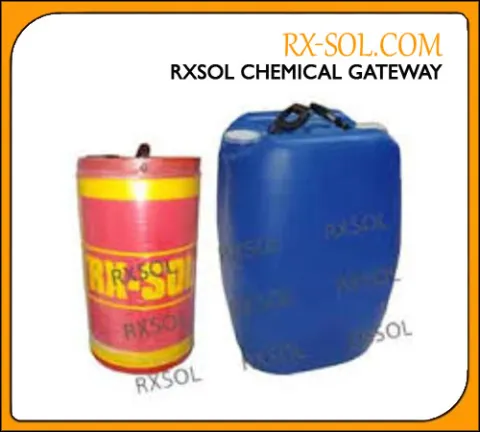
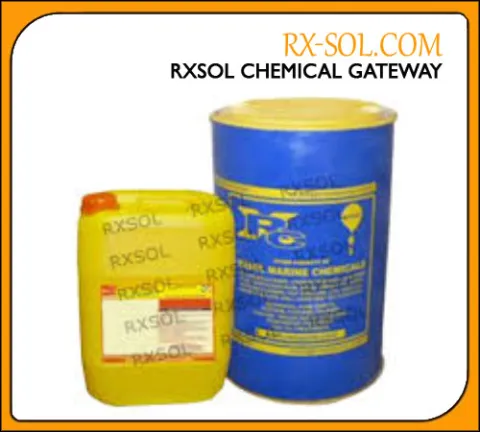
Urea Formaldehyde Resin
- Part number
- RXSOL-19-1534-250
- Category
- Paint and Cleaning solvent
- Brand
- RXSOL
Overview
Technical specifications
Urea formaldehyde resin (UFR) is a synthetic thermosetting resin made from the reaction between urea and formaldehyde. Colorless to pale yellow liquid.
Applications
Dosage and directions
Characteristics and notes
Urea-formaldehyde resins are used mostly as adhesives for the bonding of plywood, particleboard, and other structured wood products.
Safety and SDS
Read the safety data sheet before handling. Wear suitable gloves and eye protection.
View safety data sheet
| Product Name | RXSOL-19-1534-250 |
| Product Type | Urea Formaldeyde resin |
Company Details:
RX MARINE INTERNATIONAL
105, A wing , BSEL , TECH PARK.
VASHI ,NEW BOMBAY 400703 INDIA
Stock Point : Mumbai, Kolkata, Chennai, Gandhidham, Visakhapatnam, Fujairah, Muscat, Kenya, Canada
| Phone | +91 22 27815541 / 42 |
| Fax | +91 22 2781 1318 :::AOH :0091 9821214367 |
| rxsolchemicals@gmail.com |
|
Ingredient |
CAS No |
Percent |
|
Urea |
57-13-6 |
40-50 |
| Formaldehyde | 50-00-0 | 30-40 |
| Water | 7732-18-5 | 10-20 |
|
Odour |
Odourless |
|
Appearance |
White crystals or white powder. |
|
Contact with eyes |
Causes irritation to the eyes. |
|
Contact with skin |
Causes irritation to the skin. |
|
Inhalation |
Causes irritation to the respiratory tract. |
|
Ingestion |
Causes irritation to the garstrointestinal tract. |
|
Contact with skin |
Wash contaminated skin with plenty of water. Remove contaminated clothing and shoes. Wash contaminated clothing thoroughly with water before removing it, or wear gloves. Continue to rinse for at least 10 minutes. If skin irritation occurs, get medical advice. In the event of any complaints or symptoms, avoid further exposure. Wash clothes before re-use. Clean shoes thoroughly before re-use |
|
Contact with eyes |
Immediately flush eyes with plenty of water, occasionally lifting the upper and lower eyelids. Remove contact lenses, if present and easy to do so. Continue rinsing for at least 10 minutes. If eye irritation persists, get medical advice. |
|
Ingestion |
InhDo NOT induce vomiting. Get medical attention if symptoms occur. |
| Inhalation |
Rinse mouth with water. Remove dentures, if any. Remove victim to fresh air and keep at rest position, comfortable for breathing. If material has been swallowed and the exposed person is conscious, give small quantities of water to drink. Stop if the exposed person feels sick as vomiting may be dangerous. Do not induce vomiting unless directed to do so by medical personnel. If vomiting occurs, the head
should be kept low so that vomit does not enter the lungs. Get medical attention if adverse health effects persist or are severe. If necessary, call a poison centre or doctor.
|
FLASH POINT: N.A FLAMMABLE LIMITS: N.A
FLASH POINT METHOD: N.A AUTOIGNITION TEMPERATURE: N.A
EXTINGUISHING MEDIA: Water spray, carbon dioxide or dry chemical powder
PROTECTIVE EQUIPMENT: In the event of a fire, wear full protective clothing and NIOSH-approved self-contained breathing apparatus with full facepiece operated in the pressure demand or other positive pressure mode.
HAZARDOUS COMBUSTION PRODUCTS:
NFPA CODES: Health: 1 Flammability: 0 Reactivity: 0
|
Personal Precautions |
Ensure adequate ventilation. Use personal protective equipment as required. Avoid dust formation. |
|
Environmental Precautions |
Should not be released into the environment. See Section 12 for additional Ecological Information. |
|
Methods for Containment and Clean Up |
Sweep up and shovel into suitable containers for disposal. Avoid dust formation. |
After the spillage has been cleaned, wash the contact area with warm water (preferably warm urea water) and discard the wash water the same as the resin. Contaminated absorbent material may pose the same hazard as the spilled product. See Section 13 for waste disposal considerations.
|
Exposure Guidelines |
Formaldehyde- Exposure Limit: TWA 2ppm (2.5mg/m3), STEL 2ppm (2.5mg/m3)
Urea- Exposure Limit: TLV Not established
|
|
Personal Protective Equipment |
Eye/face Protection : Wear appropriate protective eyeglasses or chemical safety goggles as described by OSHA's eye and face protection regulations in 29 CFR 1910.133 or European Standard EN166. Skin and body protection : Wear appropriate protective gloves and clothing to prevent skin exposure. Respiratory Protection :No protective equipment is needed under normal use conditions. Hygiene Measures:Handle in accordance with good industrial hygiene and safety practice |
Reactive Hazard None known, based on information available
Stability Stable for 4 to 6 weeks if kept at a temperature not exceeding 25ºC
Conditions to Avoid: Heat, Flame, Ignition sources, Incompatible products.
Excess heat. Avoid dust formation. Protect from moisture.
Incompatible Materials Strong oxidizing agents
Hazardous Decomposition Products Carbon monoxide (CO), Carbon dioxide (CO2), Nitrogen oxides (NOx) Hazardous Polymerization Hazardous polymerization does not occur.
Hazardous Reactions None under normal processing
Availability
Urea Formaldeyde resin manufacturer supplier distributor in Mumbai, Kandla, Kolkata, Vizag, Chennai, India, Fujairah, Dubai UAE, Muscat Oman, Kenya Africa. Get the best quality of Urea Formaldeyde resin at a competitive price from us. We have ready stock of Urea Formaldeyde resin in India, UAE Gulf, Oman, Kenya Africa. Contact us for bulk as well as small orders.