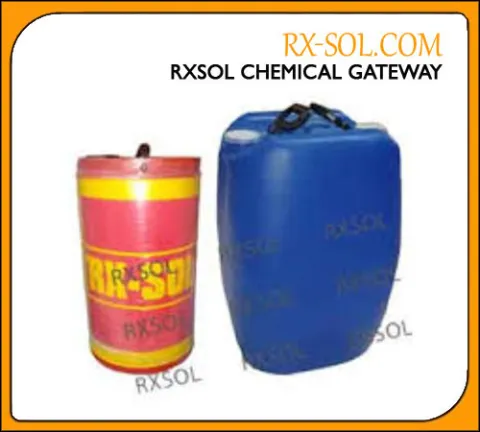
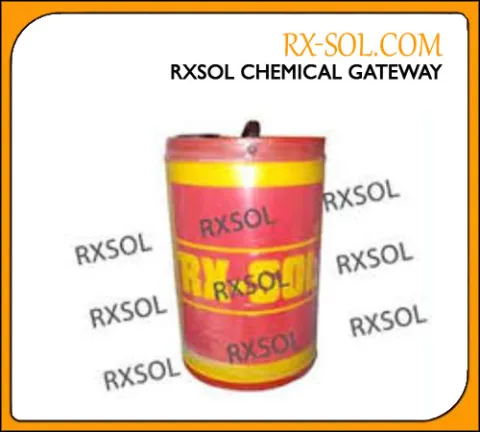
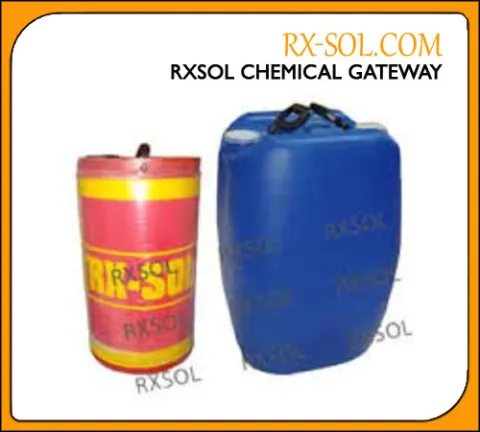
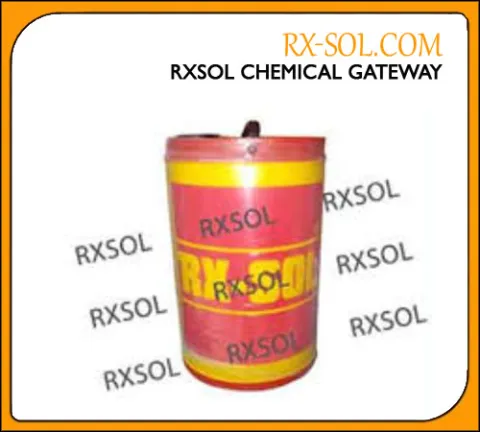
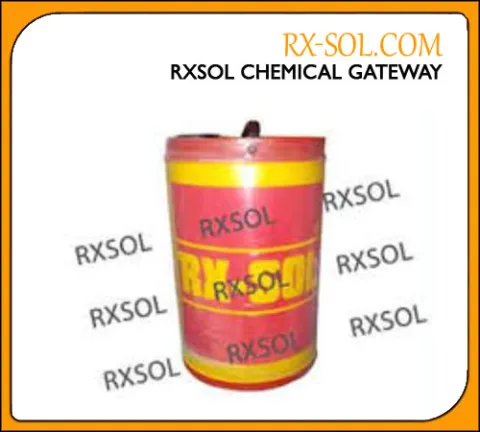
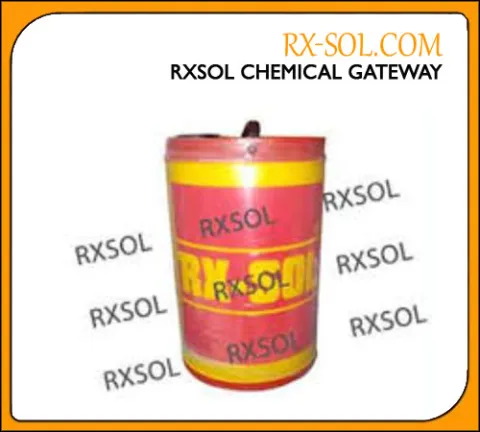
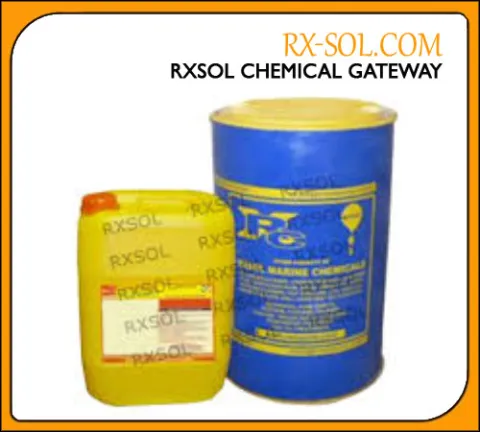
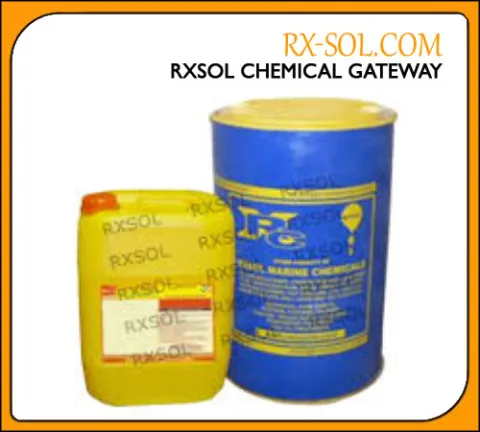
Heat Transfer Cool 50
- Part number
- RXSOL-27-1210-025
- Category
- Coolant Glycol Antifreeze
- Brand
- RXSOL
Overview
Great thermal transfer properties or use as an antifreeze. Premix Inhibited Glycol with Distilled water 50:50 ratio supplier and exporter. Premix glycol is an odorless, colorless, sweet-tasting liquid. Premixed Corrosion Inhibited Glycol This is a premixed solution of Corrosion Inhibited Glycol. We are customizing premix glycol between 20 to 50% solutions depending on your thermal or freeze protection required.
Technical specifications
Description: Monoethylene Glycol
|
Test Description |
Specification Limits Min. Max. |
Unit of Measure |
Test Method |
|
Monoethylene Glycol |
50 |
%(w/w) |
|
|
Distilled Water |
50 |
%(w/w) ASTM E-203 |
|
|
Acidity (as acetic acid) |
0.001 |
%(w/w) ASTM D-1613 |
|
|
Iron |
0.1 |
ppm ASTM E-202 |
|
|
DEG |
05 |
%(w/w) SD-498 |
|
|
Aldehyde (as acetaldehyde Chloride) |
10 |
ppm |
|
|
Ash |
0.001 |
%(w/w) ISI 5295 |
|
|
pH at 20oC |
6.5 |
7.5 |
|
|
Appearance |
Clear |
Visual |
|
|
Specific Gravity 20/20oC |
1.01 |
1.01 |
|
|
UV Tansmittance wavelength % |
|||
|
220 |
70 |
nm |
|
|
275 |
90 |
nm |
|
|
350 |
98 |
nm |
|
Applications
Heat Transfer Cool 50 Percent ETHYLENE GLYCOL HEAT-TRANSFER FLUID has an operating range of -60 to 250°F. It is specially formulated using pH buffers and corrosion inhibitors.
Dosage and directions
Premixed. Add direct to your system. Inhibited Ethylene Glycol that is custom formulated for use in HVAC/R system.
Characteristics and notes
Premixed to your desired concentration. RXSOL standard inhibitor package is the BEST corrosion resistant package for iron, bronze, and aluminum materials. Also we have food grade version is blended with a food grade glycol inhibitor.
Safety and SDS
Read the safety data sheet before handling. Wear suitable gloves and eye protection.
View safety data sheet
| Product Name | Heat Transfer Cool 50 |
| Part Number | RXSOL-27-1210-025 |
Company Details:
RX MARINE INTERNATIONAL
105, A wing , BSEL , TECH PARK.
VASHI ,NEW BOMBAY 400703 INDIA
Branch : Kandla, Mumbai , Chennai, Vizag, Kolkata, UAE , OMAN , CANADA and KENYA
| Phone | +91 22 20871200 - 1400 |
| Fax | +91 22 27612100 :::AOH :0091 9821214367 |
| rxsolchemicals@gmail.com | |
| Website | www.rxmraine.com |
| Chemical Name | CAS No | Concentration |
| Ethanediol | 107-21-14 | 50 |
| DEIONIZED WATER | 7732-18-5 | 30-40 |
| Proprietory CORROSION INHIBITORS AND pH BUFFERS | Trade Secret | <10 |
| LIQUID DYE | Mixture | <1 |
| Signal Word |
Warning |
| Hazard Statements |
H302 - Harmful if swallowed |
| Precautionary statements |
P264 - Wash hands, forearms and face thoroughly after handling P270 - Do not eat, drink or smoke when using this product P301+P312 - If swallowed: Call a doctor, a POISON CENTER if you feel unwell P330 - Rinse mouth P501 - Dispose of contents/container to a hazardous or special waste collection point, an approved waste disposal plant, an authorized waste collection point, an industrial incineration plant, hazardous or special waste collection point, in accordance with local, regional, national and/or international regulation |
| First-aid measures general | Never give anything by mouth to an unconscious person. If you feel unwell, seek medical advice (show the label where possible). |
| First-aid measures after inhalation | Allow victim to breathe fresh air. Allow the victim to rest |
| First-aid measures after skin contact | Remove affected clothing and wash all exposed skin area with mild soap and water, followed by warm water rinse. |
| First-aid measures after eye contact | Rinse immediately with plenty of water. Obtain medical attention if pain, blinking or redness persist |
| First-aid measures after ingestion | Rinse mouth. Do NOT induce vomiting. Obtain emergency medical attention. Call a POISON CENTER or doctor/physician if you feel unwell. |
| Most important symptoms and effects, both acute and delayed | Swallowing a small quantity of this material will result in serious health hazard. |
| Indication of any immediate medical attention and special treatment needed | No data available |
| Suitable extinguishing media | Foam. Dry powder. Carbon dioxide. Water spray. Sand. |
| Unsuitable extinguishing media | Do not use a heavy water stream. |
| Special hazards arising from the substance or mixture | No data available. |
| Firefighting instructions | Use water spray or fog for cooling exposed containers. Exercise caution when fighting any chemical fire. Prevent fire-fighting water from entering environment. |
| Protection during firefighting | Do not enter fire area without proper protective equipment, including respiratory protection. |
| Personal precautions, protective equipment and emergency procedures |
For non-emergency personnel:: Emergency procedures : Evacuate unnecessary personnel. For emergency responders:: Protective equipment : Equip cleanup crew with proper protection Emergency procedures : Ventilate area. |
| Enviromental Precaution | Prevent entry to sewers and public waters. Notify authorities if liquid enters sewers or public waters |
| Methods and materials for containment and cleaning | Methods for cleaning up : Soak up spills with inert solids, such as clay or diatomaceous earth as soon as possible. Collect spillage. Store away from other materials. |
| Reference to other sections | See Heading 8. Exposure controls and personal protection. |
| Advice on safe handling | Wash hands and other exposed areas with mild soap and water before eating, drinking or smoking and when leaving work. Provide good ventilation in process area to prevent formation of vapor. |
| Hygiene measures | Do not eat, drink or smoke when using this product. Wash hands, forearms and face thoroughly after handling. |
| Incompatible materials | Sources of ignition. Direct sunlight. |
| Precautions for safe handling | For precautions see section 2.2. |
| Conditions for safe storage, including any incompatibilities | |
| Storage conditions | Keep only in the original container in a cool, well ventilated place away from : Keep container closed when not in use. |
| Personal protective equipment | Avoid all unnecessary exposure. |
| Hand protection | Wear protective gloves. |
| Eye protection | Chemical goggles or safety glasses. |
| Respiratory protection | Wear appropriate mask. |
| Other information | Do not eat, drink or smoke during use. |
| Physical state | Liquid |
| Appearance | Clear, Pink Liquid. |
| Color | Pink |
| Odour | No data available |
| Odor Threshold | No data available |
| pH | 8 (≥ 9.5) |
| Melting Point | 0 |
| Freezing point | -36 deg C |
| Boiling Point | 223 °F |
| Flash Point | No data available |
| Evaporation Rate | Not Applicable |
| Flammability (solid, gas) | No data available |
| Autoignition temperature | No data available |
| Decomposition temperature | No data available |
| Vapour pressure | < 15 mm Hg (At 68°F) |
| Relative vapor density at 20 °C | 1.92 |
| Relative density | 1.08 (Water=1 at 68°F) |
| Density | No data available |
| Vapour Density | No Data Available |
| Freezing point | No data available |
| Specific Gravity | No data available |
| Partition coefficient | No data available |
| Explosive limits | 3 - 15 vol % |
| Solubility | Soluble in water |
| Ignition temperature | No information available. |
| Particle characteristics | No data available |
| Viscosity |
Viscosity, kinematic : 18.86 mm²/s (20 °C) Viscosity, dynamic : 0.021 Pa.s (20 °C) |
| Reactivity | No additional information available |
| Stability | Not established |
| Possibility of hazardous reactions | Not established |
| Conditions to avoid | Direct sunlight. Extremely high or low temperatures. |
| Incompatible materials | Strong acids. Strong bases. |
| Hazardous decomposition products | fume. Carbon monoxide. Carbon dioxide. |
|
Acute toxicity:: Oral: Harmful if swallowed. |
|
Skin corrosion/irritation : Not classified pH: 8 (≥ 9.5) Serious eye damage/irritation : Not classified pH: 8 (≥ 9.5) Respiratory or skin sensitization : Not classified Germ cell mutagenicity : Not classified Carcinogenicity : Not classified Reproductive toxicity : Not classified Specific target organ toxicity (single exposure) : Not classified Specific target organ toxicity (repeated exposure) : Not classified Aspiration hazard : Not classified Potential Adverse human health effects and symptoms : Based on available data, the classification criteria are not met. Harmful if swallowed. Symptoms/injuries after ingestion : Swallowing a small quantity of this material will result in serious health hazard. |
| Persistence and degradability |
K KOOL-E 50% PINK Persistence and degradability Not established. ethylene glycol (107-21-1) Persistence and degradability Readily biodegradable in water. Biodegradable in the soil. Biochemical oxygen demand (BOD) 0.47 g O₂/g substance Chemical oxygen demand (COD) 1.24 g O₂/g substance ThOD 1.29 g O₂/g substance BOD (% of ThOD) 0.36 % ThOD |
| Bioaccumulative potential |
K KOOL-E 50% PINK Log Pow -1.34 (Experimental value) Bioaccumulative potential Not established. ethylene glycol (107-21-1) BCF fish 1 10 (72 h; Leuciscus idus) BCF other aquatic organisms 1 0.21 - 0.6 (Procambarus sp.; Chronic) BCF other aquatic organisms 2 190 (24 h; Algae) Log Pow -1.34 (Experimental value) Bioaccumulative potential Low potential for bioaccumulation (BCF < 500). |
| Toxicity |
ethylene glycol (107-21-1 LC50 fish 1 53000 mg/l (96 h; Pimephales promelas; Static system) EC50 Daphnia 1 > 10000 mg/l (24 h; Daphnia magna) LC50 fish 2 40761 mg/l (96 h; Salmo gairdneri (Oncorhynchus mykiss); Static system) Threshold limit algae 1 > 10000 mg/l (168 h; Scenedesmus quadricauda) Threshold limit algae 2 2000 mg/l (192 h; Microcystis aeruginosa) |
| Mobility in soil |
ethylene glycol (107-21-1) Surface tension 0.048 N/m (20 °C) |
| Toxicity to algae | Growth inhibition EC50- Selenastrum capricornutum(green algae)–2.6mg/l -72 h (OECD Test Guideline 201) |
| Results of PBT and vPvB assessment | PBT/vPvB assessment not available as chemical safety assessment not required/not conducted. |
| Other adverse effects | An environmental hazard cannot be excluded in the event of unprofessional handling or disposal. Toxic to aquatic life |
| Waste disposal recommendations | Dispose in a safe manner in accordance with local/national regulations. Dispose of contents/container to ... |
| Ecology - waste materials | Avoid release to the environment. |
| UN number | UN3082 |
| UN proper shipping name |
Environmentally hazardous substances, liquid, n.o.s. |
| Transport hazard class(es) | 9 - Class 9 - Miscellaneous hazardous material 49 CFR 173.140 |
| Packaging group | III |
| Environmental hazards | Yes |
| Safety, health and environmental regulations specific for the product in question | This material safety data sheet complies with the requirements of Regulation (EC) No. 1907/2006. |
| Other regulations | No data available |
| Chemical Safety Assessment | For this product a chemical safety assessment was not carried out. |
| Other Information |
The information above is believed to be accurate and represents the best information currently available to us. However, we make no warranty of merchantability or any other warranty, express or implied, with respect to such information, and we assume no liability resulting from its use. Users should make their own investigations to determine the suitability of the information for their particular purposes. In no event shall be liable for any claims, losses, or damages of any third party or for lost profits or any special, indirect, incidental, consequential or exemplary damages, how so ever arising, even if Rx Marine International has been advised of the possibility of such damages. |
Availability
Premix Mono Ethylene Glycol MEG supplier in UAE Middle East Oman and India. We are MEG supplier and exporter in Fujairah Dubai, Sharjah, Ajman, UAE, Muscat, Barka, Sohar, Oman, Mumbai, Kolkata, Chennai, Visakhapatnam, Gandhidham