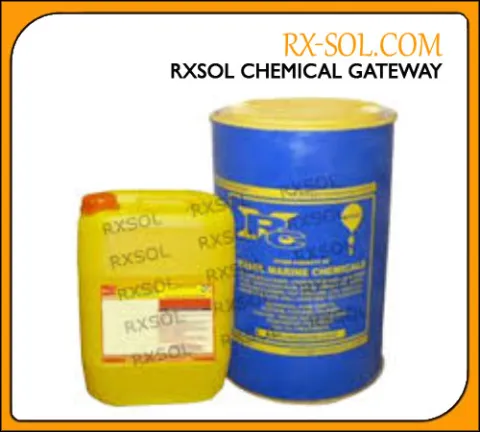
Water Clarifier
- Part number
- RXSOL-31-3047-005
- Category
- Swimming Pool & Spa
- Brand
- RXSOL
Overview
- Treats cloudy or discolored water
- Settles particles to pool bottom for easy vacuuming and filtration
- Recommended for use in all types of pools
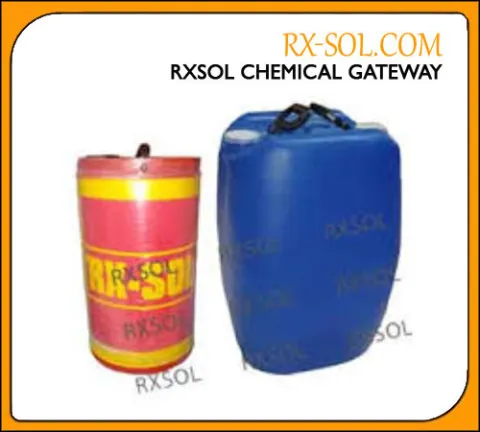
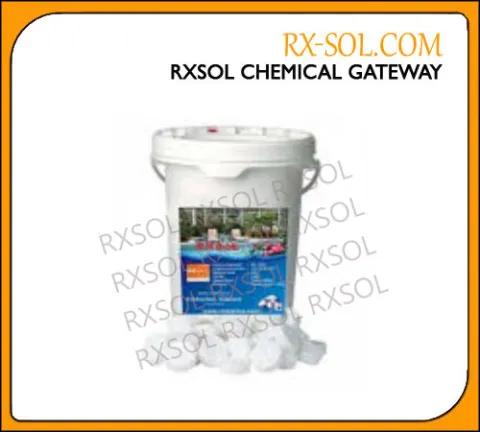
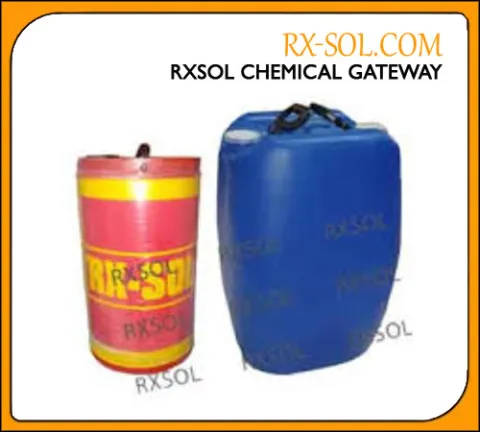
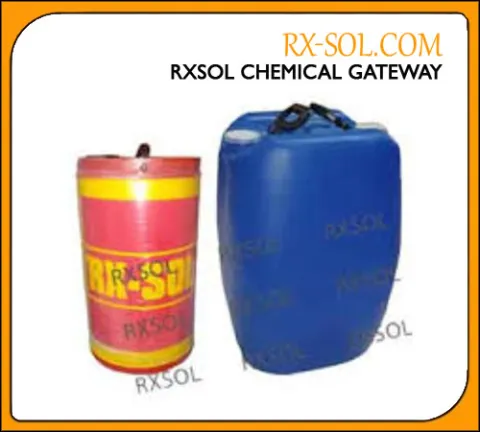
- Available in small and gallon sizes packing
Safety and SDS
Read the safety data sheet before handling. Wear suitable gloves and eye protection.
View safety data sheet
| Product Name | : Water Cleariifer |
| Part Number | : RXSOL-31-3047-005 |
Company Details:
RX MARINE INTERNATIONAL
105, A wing , BSEL , TECH PARK.
VASHI ,NEW BOMBAY 400703 INDIA
Branch : Kandla, Chennai, Mumbai, Vizag, Kolkata, Fujairah, Muscat Barka.
| Phone | +91 22 27815540 / 41 / 42 |
| Fax | +91 22 2781 1318 :::AOH :0091 9821214367 |
| rxsolchemicals@gmail.com | |
| Website | www.rxmarine.com |
| Name of Substance | Cas Number | EINECS No | Wt.% | Symbol |
|
Diallyldimethylammonium chloride homopolymer |
26062-79-3 | ------ ---- | 2 - 5 % | Xi |
| Proprietory Blend | ------------- | ------ ---- | 95-98% | ----- |
| Signal Word | Warning |
| Hazard Statements |
H315 Causes skin irritation. |
| Precautionary statements - prevention | P280 Wear protective gloves/protective clothing/eye protection/face protection. |
| Precautionary statements - response |
P321 Specific treatment (see advice on this label). P305+P351+P338 IF IN EYES: Rinse cautiously with water for several minutes. Remove contact lenses, if present and easy to do. Continue rinsing. P337+P313 If eye irritation persists: Get medical advice/attention |
|
Other hazards Possible respiratory sensitizer*. |
REACh - Art.57-59: The mixture does not contain Substances of Very High Concern (SVHC) at the SDS print date. |
| Eye Contact |
If this product comes in contact with the eyes: Wash out immediately with fresh running water. Ensure complete irrigation of the eye by keeping eyelids apart and away from eye and moving the eyelids by occasionally lifting the upper and lower lids. Seek medical attention without delay; if pain persists or recurs seek medical attention. Removal of contact lenses after an eye injury should only be undertaken by skilled personnel. |
| Skin Contact |
If skin contact occurs: Immediately remove all contaminated clothing, including footwear. Flush skin and hair with running water (and soap if available). Seek medical attention in event of irritation. |
| Inhalation: |
If fumes or combustion products are inhaled remove from contaminated area. Lay patient down. Keep warm and rested. Prostheses such as false teeth, which may block airway, should be removed, where possible, prior to initiating first aid procedures. Apply artificial respiration if not breathing, preferably with a demand valve resuscitator, bag-valve mask device, or pocket mask as trained. Perform CPR if necessary. Transport to hospital, or doctor, without delay |
| Ingestion: |
Immediately give a glass of water. First aid is not generally required. If in doubt, contact a Poisons Information Centre or a doctor |
| Most important symptoms and effects, both acute and delayed | See Section 11 |
| Indication of any immediate medical attention and special treatment needed | Treat symptomatically. |
| Suitable extinguishing media |
There is no restriction on the type of extinguisher which may be used. Use extinguishing media suitable for surrounding area. |
| Advice for firefighters |
Fire Fighting Alert Fire Brigade and tell them location and nature of hazard. Wear breathing apparatus plus protective gloves in the event of a fire. Prevent, by any means available, spillage from entering drains or water courses. Fire/Explosion Hazard Non combustible. Not considered a significant fire risk, however containers may burn. May emit poisonous fumes. May emit corrosive fumes. |
| Personal precautions, protective equipment and emergency procedures |
See section 8 |
| Enviromental Precaution | See section 12 |
|
Methods and materials for containment and cleaning up |
Minor Spills:Clean up all spills immediately. Avoid breathing vapours and contact with skin and eyes. Control personal contact with the substance, by using protective equipment. Major Spills:Moderate hazard. Clear area of personnel and move upwind. Alert Fire Brigade and tell them location and nature of hazard. |
| Methods and material for containment and cleaning up |
Minor Spills
Major Spills |
| Reference to other sections | Personal Protective Equipment advice is contained in Section 8 of the SDS. |
| Advice on safe handling |
Safe handling Avoid all personal contact, including inhalation. Wear protective clothing when risk of exposure occurs. Use in a well-ventilated area. DO NOT allow clothing wet with material to stay in contact with skin Fire and explosion protection See section 5 |
|
Suitable container |
Polyethylene or polypropylene container. |
|
Storage |
None known |
| Engineering Control |
Engineering controls are used to remove a hazard or place a barrier between the worker and the hazard. Well-designed engineering controls can be highly effective in protecting workers and will typically be independent of worker interactions to provide this high level of protection. The basic types of engineering controls are: Process controls which involve changing the way a job activity or process is done to reduce the risk. |
||||||||||
| Personal Protection |
Eye and face protection Safety glasses with side shields. Chemical goggles. Contact lenses may pose a special hazard; soft contact lenses may absorb and concentrate irritants. Skin protection See Hand protection below Hands/feet protection Wear chemical protective gloves, e.g. PVC. Wear safety footwear or safety gumboots, e.g. Rubber The selection of suitable gloves does not only depend on the material, but also on further marks of quality which vary from manufacturer to manufacturer. Where the chemical is a preparation of several substances, the resistance of the glove material can not be calculated in advance and has therefore to be checked prior to the application. The exact break through time for substances has to be obtained from the manufacturer of the protective gloves and.has to be observed when making a final choice. Body protection See Other protection below Other protection Overalls. P.V.C. apron. |
||||||||||
|
Exposure Limits: |
|
Gloves Suit
| Form | Liquid |
| Colour | Colourless to slightly Yellow |
| Odour | Not Available |
| Boiling point and boiling range | Not Available |
| Flash Point | Not Available |
| Freezing Point | Not Available |
| pH | 3-5 |
| Evaporation rate | Not Available |
| Flammability (solid, gas) | Not Available |
| Upper explosion limit | Not Available |
| Lower explosion limit | Not Available |
| Explosive properties | Not Available |
| Vapor pressure | Not Available |
| Relative vapor density | Not Available |
| Relative density | 1.0 |
| Water solubility | Miscible |
| Explosive properties | Not available |
| Oxidizing properties | Not available |
| VOC | Not available |
| Recativity | See section 7.2 |
| Stability |
Unstable in the presence of incompatible materials. Product is considered stable. Hazardous polymerisation will not occur. |
| Possibility of hazardous reactions | See section 7 |
| Incompatible materials | See section 7 |
| Hazardous Decomposition |
See section 5.3 |
| Condition to Avoid | See section 7 |
| Route of Exposure | Inhalation, Eye contact, Skin contact |
| Eyes |
Evidence exists, or practical experience predicts, that the material may cause eye irritation in a substantial number of individuals |
| Skin |
Evidence exists, or practical experience predicts, that the material either produces inflammation of the skin in a substantial number of individuals following direct contact, and/or produces significant inflammation when applied to the healthy intact skin of animals, for up to four hours, such inflammation being present twenty-four hours or more after the end of the exposure period. Skin irritation may also be present after prolonged or repeated exposure; this may result in a form of contact dermatitis (nonallergic). The dermatitis is often characterised by skin redness (erythema) and swelling (oedema) which may progress to blistering (vesiculation), scaling and thickening of the epidermis. The material may accentuate any pre-existing dermatitis condition Skin contact is not thought to have harmful health effects (as classified under EC Directives); the material may still produce health damage following entry through wounds, lesions or abrasions. Open cuts, abraded or irritated skin should not be exposed to this material Entry into the blood-stream through, for example, cuts, abrasions, puncture wounds or lesions, may produce systemic injury with harmful effects. Examine the skin prior to the use of the material and ensure that any external damage is suitably protected. |
| Ingestion |
The material has NOT been classified by EC Directives or other classification systems as "harmful by ingestion". This is because of the lack of corroborating animal or human evidence. The material may still be damaging to the health of the individual, following ingestion, especially where pre-existing organ (e.g liver, kidney) damage is evident. |
| Inhalation |
Evidence shows, or practical experience predicts, that the material produces irritation of the respiratory system, in a substantial number of individuals, following inhalation. In contrast to most organs, the lung is able to respond to a chemical insult by first removing or neutralising the irritant and then repairing the damage. The repair process, which initially evolved to protect mammalian lungs from foreign matter and antigens, may however, produce further lung damage resulting in the impairment of gas exchange, the primary function of the lungs. The material has NOT been classified by EC Directives or other classification systems as "harmful by inhalation". This is because of the lack of corroborating animal or human evidence. In the absence of such evidence, care should be taken nevertheless to ensure exposure is kept to a minimum and that suitable control measures be used, in an occupational setting to control vapours, fumes and aerosols. |
| Chronic |
Long-term exposure to respiratory irritants may result in disease of the airways involving difficult breathing and related systemic problems. Limited evidence suggests that repeated or long-term occupational exposure may produce cumulative health effects involving organs or biochemical systems. |
|
diallyldimethylammonium chloride homopolymer |
LD50: 3000 mg/kg[2] |
| Acute toxicity | -------- ----- |
|
POOL CLARIFIER & DIALLYLDIMETHYLAMMONIUM CHLORIDE HOMOPOLYMER |
Asthma-like symptoms may continue for months or even years after exposure to the material ceases. This may be due to a non-allergenic condition known as reactive airways dysfunction syndrome (RADS) which can occur following exposure to high levels of highly irritating compound. Key criteria for the diagnosis of RADS include the absence of preceding respiratory disease, in a non-atopic individual, with abrupt onset of persistent asthma-like symptoms within minutes to hours of a documented exposure to the irritant. |
|
diallyldimethylammonium chloride homopolymer |
Not Available |
| POOL CLARIFIER | Not Available |
| Persistence and degradability |
Persistence: Water/Soil :No Data available for all ingredients Persistence: Air : No Data available for all ingredients |
| Bioaccumulation | No Data available for all ingredients |
| Mobility | No Data available for all ingredients |
| Results of PBT and vPvB assessment |
P B T Relevant available data: Not Applicable Not Applicable Not Applicable PBT Criteria fulfilled? : Not Applicable Not Applicable Not Applicable |
| Other adverse effects | No data available |
|
RemarksProduct / Packaging disposal |
Legislation addressing waste disposal requirements may differ by country, state and/ or territory. Each user must refer to laws operating in their area. In some areas, certain wastes must be tracked. DO NOT allow wash water from cleaning or process equipment to enter drains. It may be necessary to collect all wash water for treatment before disposal. In all cases disposal to sewer may be subject to local laws and regulations and these should be considered first. Recycle wherever possible. Consult manufacturer for recycling options or consult local or regional waste management authority for disposal if no suitable treatment or disposal facility can be identified. Dispose of by: burial in a land-fill specifically licensed to accept chemical and / or pharmaceutical wastes or incineration in a licensed apparatus (after admixture with suitable combustible material). |
| Waste treatment options | Not Available |
| Sewage disposal options | Not Available |
Hazard Pictograms:
| UN Number | Not Applicable |
| Proper shipping name | Not Applicable |
| Transport hazard class(es) 8 Not Applicable | |
| Subsidiary risk IMDG | ----------------- |
| Packing group | Not Applicable |
| Environmental hazards | Not Applicable |
|
Special precautions for user |
Hazard identification (Kemler) : Not Applicable
Special provisions : Not Applicable |
| Transport in bulk according to Annex II of MARPOL and the IBC code | Not Applicable |
| Regulations |
Europe ADN - European Agreement concerning the International Carriage of Dangerous Goods by Inland Waterways Europe European Agreement concerning the International Carriage of Dangerous Goods by Road European Chemical Agency (ECHA) Classification & Labelling Inventory - Chemwatch Harmonised classification European Union (EU) Transport of Dangerous Goods by Road - Dangerous Goods List IMO MARPOL (Annex II) - List of Noxious Liquid Substances Carried in Bulk International Air Transport Association (IATA) Dangerous Goods Regulations International Maritime Dangerous Goods Requirements (IMDG Code) Regulations concerning the International Carriage of Dangerous Goods by Rail - Table A: Dangerous Goods List - RID 2019 (English) United Nations Recommendations on the Transport of Dangerous Goods Model Regulations This safety data sheet is in compliance with the following EU legislation and its adaptations - as far as applicable - : Directives 98/24/EC, - 92/85/EEC, - 94/33/EC, - 2008/98/EC, - 2010/75/EU; Commission Regulation (EU) 2015/830; Regulation (EC) No 1272/2008 as updated through ATPs |
| Chemical safety assessment | No Chemical Safety Assessment has been carried out for this substance/mixture by the supplier. |
| National Inventory Status |
National Inventory Status
Australia - AICS Yes
Legend: Yes = All CAS declared ingredients are on the inventory |
| Other Information |
The information above is believed to be accurate and represents the best information currently available to us. However, we make no warranty of merchantability or any other warranty, express or implied, with respect to such information, and we assume no liability resulting from its use. Users should make their own investigations to determine the suitability of the information for their particular purposes. In no event shall be liable for any claims, losses, or damages of any third party or for lost profits or any special, indirect, incidental, consequential or exemplary damages, howsoever arising, even if Rx Marine International has been advised of the possibility of such damages. DISCLAIMER OF LIABILITY :The information in this SDS was obtained from sources which we believe are reliable. However, the information is provided without any warranty, express or implied, regarding its correctness. The conditions or methods of handling, storage, use or disposal of the product are beyond our control and may be beyond our knowledge. For this and other reasons, we do not assume responsibility and expressly disclaim liability for loss, damage or expense arising out of or in any way connected with the handling, storage, use or disposal of the product. This MSDS was prepared and is to be used only for this product. If the product is used as a component in another product, this MSDS information may not be applicable. |
Availability
Water Clarifier manufacturer supplier distributor in Mumbai, Kandla, Kolkata, Vizag, Chennai, India, Fujairah, Dubai, Sharjah, UAE, Gulf, Middle East, Muscat Oman, Kenya Africa. Get the best quality of Water Clarifier at a competitive price from us. We have ready stock of Water Clarifier in India, UAE Gulf, Oman, Kenya Africa. Contact us for bulk as well as small orders.