Acetone Cyanohydrin
- Part number
- RXSOL-19-1215-025
- Category
- Construction Chem
- Brand
- RXSOL
Overview
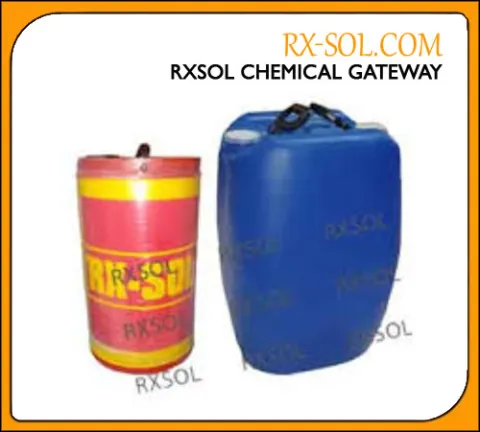
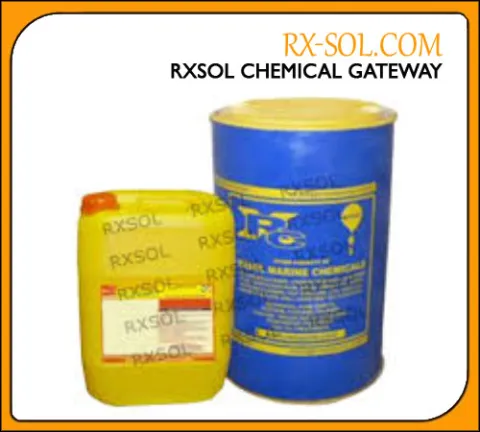
Acetone cyanohydrin supplier and distributor.
Technical specifications
| PRODUCT NAME | : | ACETONECYANOHYDRIN |
| CAS number | : | 75-86-5 |
| UN number | : | 1541 |
| Formula | : | (CH3)2COHON |
| Odour | : | |
| Solubility in water | : | COMPLETE |
| Density | : | 0.932 at 19 oC |
| Boiling point | : | 95 oC |
| Melting point | : | 20 oC |
| Viscosity | : | |
| Flashpoint | : | 74 oC |
| Explosive limits | : | 2 – 11 Vol % |
| Vapour pressure | : | 1.1 mbar at 20 oC |
| Skin absorption/irriation | : | YES |
| TLV Country | : | |
| Pollution category 1994 | : | A |
Applications
Acetone cyanohydrin industrially used in the manufacturing of methyl methacrylate monomer of the transparent plastic polymethyl methacrylate PMMA.
Dosage and directions
Acetone cyanohydrin is an organic compound.
Characteristics and notes
Other Related Product.........................Acetone Commercial Grade , Acetone Tech Grade , Acetone LR , Acetone CH3 (2CO) , Acetone cyanohydrin , Acetonitrile , Diacetone Alcohol
Safety and SDS
Read the safety data sheet before handling. Wear suitable gloves and eye protection.
View safety data sheet
|
Product Name |
Acetone cyanohydrin |
|
Product Type |
RXSOL-19-1215-025 |
Company Details:
RX MARINE INTERNATIONAL
105, A wing , BSEL , TECH PARK.
VASHI ,NEW BOMBAY 400703 INDIA
| Phone | +91 22 65113333/ 5555 / 9999 / 27611360 / 27815540 |
| Fax | +91 22 2781 1318 :::AOH :0091 9322594669 |
| rxsolchemicals@gmail.com |
| CAS# | Chemical Name | Percent | EINECS/ELINCS |
| 75-86-5 | Acetone Cyanohydrin | > 98 | 200-909-4 |
Appearance:
colorless liquid. Flash Point: 73.8 deg C.
Danger! May be fatal if absorbed through the skin. Harmful or fatal if swallowed.
| Combustible liquid and vapor. May cause eye and skin irritation. May cause respiratory and digestive tract irritation. May cause central nervous system depression. May cause liver and kidney damage. Metabolized to cyanide in the body, which may cause headache, dizziness,weakness, unconsciousness, convulsions, coma and possible death. |
Target Organs:
Kidneys, central nervous system, liver.
Potential Health Effects:
| Eye: | May cause eye irritation. May cause chemical conjunctivitis and corneal damage. |
| Skin: | May be fatal if absorbed through the skin. May be metabolized to cyanide which in turn acts by inhibiting cytochrome oxidase impairing cellular respiration. May cause irritation and dermatitis. May cause cyanosis of the extremities. |
| Ingestion: | May be fatal if swallowed. May cause gastrointestinal irritation with nausea, vomiting and diarrhea. May cause liver and kidney damage. Metabolism may release cyanide, which may result in headache, dizziness, weakness, collapse, unconsciousness and possible death. Human fatalities have been reported from acute poisoning. Ingestion may result in symptoms similar to cyanide poisoning which is characterized by asphyxiation. |
| Inhalation: |
May cause respiratory tract irritation. May cause liver and kidney damage.Aspiration may lead to pulmonary edema. May be metabolized to cyanide which in turns act by inhibiting cytochrome oxidase impairing cellular respiration. Inhalation may result in symptoms similar to cyanide poisoning which include tachypnea, hyperpnea (abnormally rapid or deep breathing), and dyspnea (labored breathing) followed rapidly by respiratory depression. Pulmonary edema may occur. Inhalation at high concentrations may cause CNS depression and asphixiation. |
| Chronic: | May cause liver and kidney damage. May be metabolized to cyanide which in turn acts by inhibiting cytochrome oxidase impairing cellular respiration. |
| Eyes: | Immediately flush eyes with plenty of water for at least 15 minutes, occasionally lifting the upper and lower eyelids. Get medical aid imme diately. |
| Skin: |
Flush skin with plenty of water for at least 15 minutes while removing contaminated clothing and shoes. Discard contaminated clothing in a manner which limits further exposure. SPEEDY ACTION IS CRITICAL! |
| Ingestion: | Do not induce vomiting. If victim is conscious and alert, give 2-4 cupfuls of milk or water. Never give anything by mouth to an unconscious person. Get medical aid immediately. |
| Inhalation: | Get medical aid immediately. Remove from exposure and move to fresh air immediately. If not breathing, give artificial respiration. If breathing is difficult, give oxygen. Do NOT use mouth-to-mouth resuscitation. If breathing has ceased apply artificial respiration using oxygen and a suitable mechanical device such as a bag and a mask. |
| Notes to Physician: | Treat symptomatically and supportively. |
| General Information: |
As in any fire, wear a self-contained breathing apparatus in pressuredemand,MSHA/NIOSH (approved or equivalent), and full protective gear. Use water spray to keep fire-exposed containers cool. Water may be ineffective. Material is lighter than water and a fire may be spread by the use of water. Combustible liquid. Vapors may be heavier than air.They can spread along the ground and collect in low or confined areas. Containers may explode when heated. |
| Extinguishing Media: | In case of fire, use water, dry chemical, chemical foam, or alcoholresistant foam. Use water spray to cool fire-exposed containers. Water may be ineffective. |
| Flash Point: | 73.8 deg C ( 164.84 deg F) |
| Autoignition Temperature: | 688 deg C ( 1,270.40 deg F) |
| Explosion Limits, Lower: | 2.2 |
| Upper: | 12.0 |
| NFPA Rating: | (estimated) Health: 4; Flammability: 1; Instability: 2 |
General Information:
Use proper personal protective equipment as indicated in Section 8.
|
Spills/Leaks: Absorb spill with inert material (e.g. vermiculite, sand or earth), then place in suitable container. Avoid runoff into storm sewers and ditches which lead to waterways. Clean up spills immediately, observing precautions in the Protective Equipment section. Remove all sources of ignition. Use a spark-proof tool. Provide ventilation. |
Handling:
| Wash thoroughly after handling. Wash hands before eating. Remove contaminated clothing and wash before reuse. Use only in a well-ventilated area. Empty containers retain product residue, (liquid and/or vapor), and can be dangerous. Keep container tightly closed.Keep away from heat, sparks and flame. Do not get on skin or in eyes. Do not ingest or inhale. Do not pressurize, cut, weld, braze, solder, drill, grind, or expose empty containers to heat,sparks or open flames. |
Storage:
| Keep away from heat, sparks, and flame. Keep away from sources of ignition. Store in a cool, dry place. Store in a tightly closed container. Store in a cool, dry, well-ventilated area away from incompatible substances. |
Engineering Controls:
| Facilities storing or utilizing this material should be equipped with an eyewash facility and a safety shower. Use adequate ventilation to keep airborne concentrations low. |
Exposure Limits:
| Chemical Name | ACGIH | NIOSH | OSHA - Final PELs |
| Acetone cyanohydrin |
Skin - potential significant contribution to overall exposure by the cutaneous r oute; 5 mg/m3 Ceiling (as CN) |
none listed | none listed |
OSHA Vacated PELs:
Acetone cyanohydrin: No OSHA Vacated PELs are listed for this chemical.
Personal Protective Equipment:
Eyes: Wear appropriate protective eyeglasses or chemical safety goggles as described by OSHA's eye and face protection regulations in 29 CFR 1910.133 or European Standard EN166.
Skin: Wear appropriate protective gloves to prevent skin exposure.
Clothing: Wear appropriate protective clothing to prevent skin exposure.
Respirators: Follow the OSHA respirator regulations found in 29 CFR 1910.134 or European Standard EN 149. Use a NIOSH/MSHA or European Standard EN 149 approved respirator if exposure limits are exceeded or if irritation or other symptoms are experienced.
| Physical State: | Liquid |
| Appearance: | colorless |
| Odor: | Bitter-almond |
| pH: | Not available. |
| Vapor Pressure: | 1 mbar @ 20 C |
| Vapor Density: | 2.93 |
| Evaporation Rate: | Not available. |
| Viscosity: | Not available. |
| Boiling Point: | 69 deg C |
| Freezing/Melting Point:- | 19 deg C |
| Decomposition Temperature: | Not available. |
| Solubility: | Freely Soluble. |
| Specific Gravity/Density:. | 9320g/cm3 |
| Molecular Formula: | C4H7NO |
| Molecular Weight: | 85.11 |
| Chemical Stability: | Stable under normal temperatures and pressures. |
| Conditions to Avoid: | Incompatible materials, ignition sources, excess heat. |
| Incompatibilities with Other Materials: | Oxidizing agents |
| Hazardous Decomposition Products: | Hydrogen cyanide, carbon monoxide, irritating and toxic |
| Hazardous Polymerization: | Has not been reported. |
RTECS#:
CAS# 75-86-5: OD9275000
LD50/LC50:
CAS# 75-86-5:
Dermal, guinea pig: LD50 = 150 mg/kg;
Oral, mouse: LD50 = 1898 ug/kg;
Oral, rabbit: LD50 = 13500 ug/kg;
Oral, rat: LD50 = 18650 ug/kg;
Skin, rabbit: LD50 = 17 uL/kg;
.
Carcinogenicity:
CAS# 75-86-5: Not listed by ACGIH, IARC, NTP, or CA Prop 65.
Epidemiology: Considered to be an experimental teratogen.
Teratogenicity: Teratogenic effects have occurred in experimental animals.
Reproductive Effects: No information found
Mutagenicity: No information found
Neurotoxicity: No information found
Other Studies:
Ecotoxicity:
No data available. No information available.
Environmental:
| Terrestrial: If acetone cyanohydrin is released to soil, it will be expected to rapidly dissociate. Aquatic: If acetone cyanohydrin is released to water, it will be expected to rapidly dissociate. Atmospheric: Expected to exist almost entirely in the vapor phase based upon a reported vapor pressure of 0.80 mm Hg at 20 deg C. It will be susceptible to photooxidation via vapor phase reaction with photochemically produced hydroxyl radicals. Half-life approximately 39 days. |
Physical:
Not expected to biodegrade or bioconcentrate.
|
Other: For more information, see "HANDBOOK OF ENVIRONMENTAL FATE AND EXPOSURE DATA." |
| Chemical waste generators must determine whether a discarded chemical is classified as a hazardous waste. US EPA guidelines for the classification determination are listed in 40 CFR Parts 261.3. Additionally, waste generators must consult state and local hazardous waste regulations to ensure complete and accurate classification. |
RCRA P-Series: CAS# 75-86-5: waste number P069.
RCRA U-Series: None listed.
| US DOT | Canada TDG | |
| Shipping Name: | ACETONE CYANOHYDRIN, STABILIZED | ACETONE CYANOHYDRIN |
| Hazard Class: | 6.1 | 6.1 |
| UN Number: | UN1541 | UN1541 |
| Packing Group: | I | I |
US FEDERAL:
TSCA:
CAS# 75-86-5 is listed on the TSCA inventory.
Health & Safety Reporting List:
CAS# 75-86-5: Effective 3/7/86, Sunset 12/19/95
Chemical Test Rules:
None of the chemicals in this product are under a Chemical Test Rule.
Section 12b:
None of the chemicals are listed under TSCA Section 12b.
TSCA Significant New Use Rule:
None of the chemicals in this material have a SNUR under TSCA.
CERCLA Hazardous Substances and corresponding RQs:
CAS# 75-86-5: 10 lb final RQ; 4.54 kg final RQ
SARA Section 302 Extremely Hazardous Substances:
CAS# 75-86-5: 1000 lb TPQ
Section 313:
This material contains Acetone cyanohydrin (CAS# 75-86-5, >98%),which is subject to the reporting requirements of Section 313 of SARA Title III and 40 CFR Part 373.
Clean Air Act:
This material does not contain any hazardous air pollutants.
This material does not contain any Class 1 Ozone depletors.
This material does not contain any Class 2 Ozone depletors.
Clean Water Act:
CAS# 75-86-5 is listed as a Hazardous Substance under the CWA.
None of the chemicals in this product are listed as Priority Pollutants under the CWA.
None of the chemicals in this product are listed as Toxic Pollutants under the CWA.
OSHA:
None of the chemicals in this product are considered highly hazardous by OSHA.
STATE
CAS# 75-86-5 can be found on the following state right to know lists:California, New Jersey,Pennsylvania, Minnesota, Massachusetts.
California Prop 65
California No Significant Risk Level: None of the chemicals in this product are listed.
European/International Regulations
European Labeling in Accordance with EC Directives
Hazard Symbols:
T+ N
Risk Phrases:
R 26/27/28 Very toxic by inhalation, in contact with skin and if swallowed.
R 50 Very toxic to aquatic organisms.
Safety Phrases:
S 27 Take off immediately all contaminated clothing.
S 45 In case of accident or if you feel unwell, seek medical advice immediately (show the label where possible).
S 7/9 Keep container tightly closed and in a well-ventilated place.
S 61 Avoid release to the environment. Refer to special instructions/safety data sheets.
WGK (Water Danger/Protection):
CAS# 75-86-5: 3
Canada - DSL/NDSL:
CAS# 75-86-5 is listed on Canada's DSL List.
Canada - WHMIS:
This product has a WHMIS classification of D1A, D2A, D2B, B3.
| This product has been classified in accordance with the hazard criteria of the Controlled Products Regulations and the MSDS contains all of the information required by those regulations. |
Canadian Ingredient Disclosure List:
CAS# 75-86-5 is listed on the Canadian Ingredient Disclosure List
|
The data given here is based on current knowledge and experience. This Safety Data Sheet describes the product in terms of safety requirements and does not signify any warranty with regard to the product's properties The data given here only applies when product used for proper application(s). The product is not sold as suitable for other applications usage in such may cause risks not mentioned in this sheet. Do not use for other application(s) without seeking advice from manufacturer. DISCLAIMER OF LIABILITY :The information in this SDS was obtained from sources which we believe are reliable. However, the information is provided without any warranty, express or implied, regarding its correctness. The conditions or methods of handling, storage, use or disposal of the product are beyond our control and may be beyond our knowledge. For this and other reasons, we do not assume responsibility and expressly disclaim liability for loss, damage or expense arising out of or in any way connected with the handling, storage, use or disposal of the product. This MSDS was prepared and is to be used only for this product. If the product is used as a component in another product, this MSDS information may not be applicable. |
Availability
Acetone Cyanohydrin manufacturer supplier distributor in Mumbai, Kandla, Kolkata, Vizag, Chennai, India, Fujairah, Dubai UAE, Muscat Oman, Kenya Africa. Get the best quality of Acetone Cyanohydrin at a competitive price from us. We have ready stock of Acetone Cyanohydrin in India, UAE Gulf, Oman, Kenya Africa. Contact us for bulk as well as small orders.