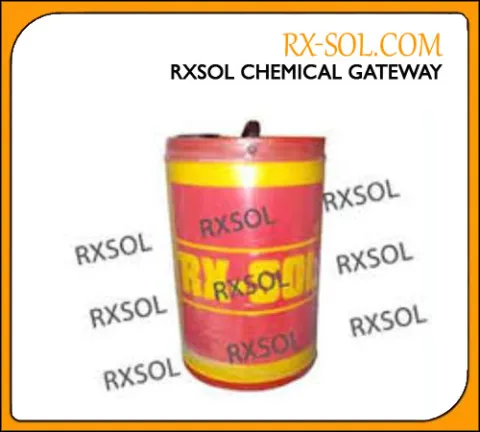
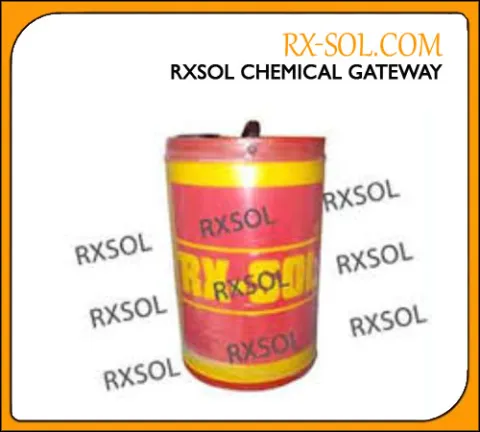
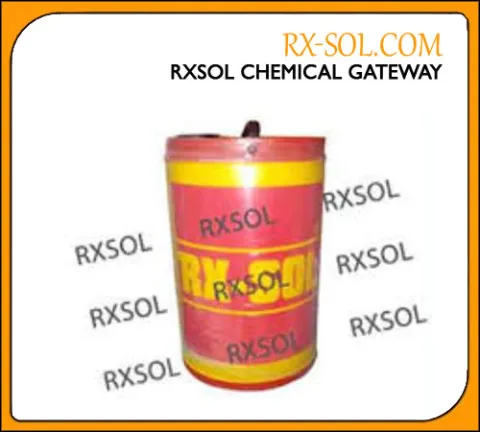
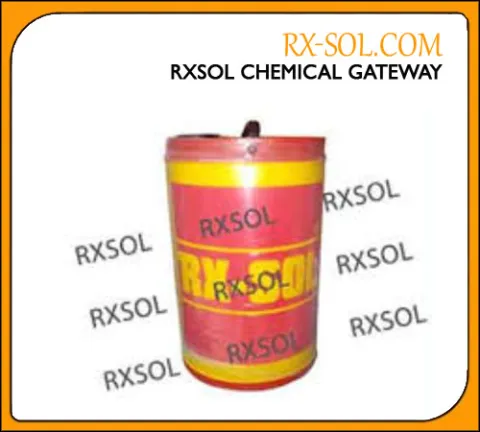
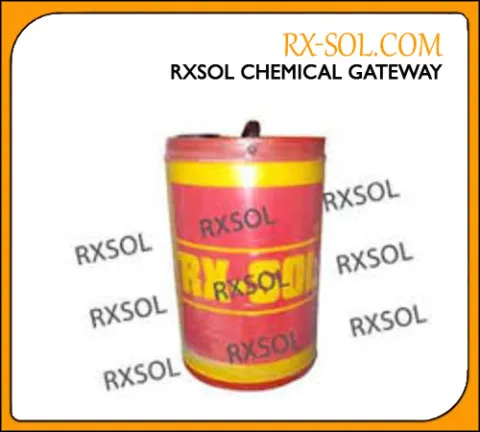
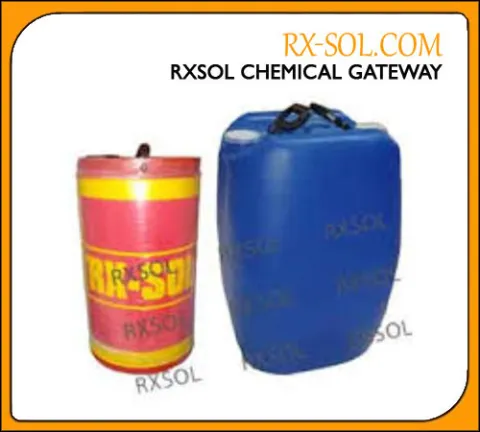
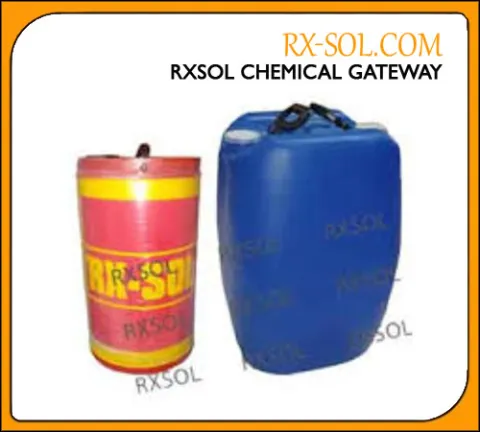
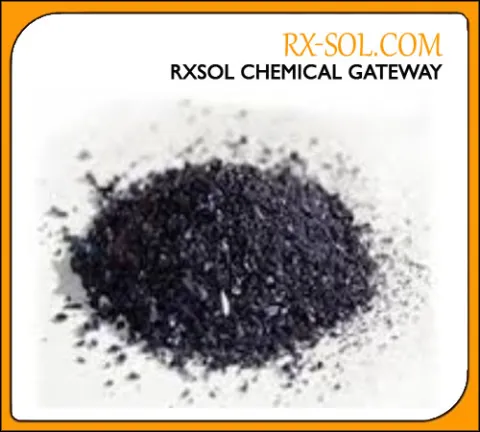
Chromium 6 Neutralizer RXSOL
- Part number
- RXSOL-68-6803-050
- Category
- Metal Treatment
- Brand
- RXSOL
Overview
Chromium 6 Neutralizer (or Hexavalent Chromium Neutralizer) is a chemical treatment agent used to reduce Chromium VI - a highly toxic, carcinogenic form of chromium - into Chromium III, which is significantly less harmful and more environmentally stable.
RXSOL Chromium 6 Neutralizer is a high-performance liquid formulation designed to safely and efficiently reduce hexavalent chromium (Cr⁶⁺) to trivalent chromium (Cr³⁺) in industrial wastewater streams. The reduced Cr³⁺ can be precipitated and removed as Cr(OH)₃, ensuring compliance with environmental discharge norms.
Technical specifications
| Property | Specification |
|---|---|
| Appearance | Clear to pale yellow liquid |
| pH (1% solution) | 4.0 – 5.5 |
| Density @ 25°C | 1.10 – 1.20 g/cm³ |
| Solubility in Water | Completely soluble |
| Storage | Cool, dry, well-ventilated area |
Applications
What is Chromium VI Neutralizer?
-
Found in industrial effluents such as from metal plating, leather tanning, pigments, and chromate production.
-
Highly toxic, especially to humans and aquatic life.
-
Recognized carcinogen (linked to lung cancer, nasal irritation, ulcers).
Application Areas
-
Wastewater treatment plants
-
Metal finishing units
-
Leather tanneries
-
Chemical manufacturing facilities
Dosage and directions
Application Procedure
-
Adjust pH of Cr⁶⁺-containing wastewater to ~2.5–3.5 using diluted sulfuric acid.
-
Dose RXSOL Chromium 6 Neutralizer slowly with continuous mixing.
-
Monitor Cr⁶⁺ reduction using dip test or UV spectrophotometry (540 nm with diphenylcarbazide method).
-
Once reduction is complete, raise pH to 8.5–9.0 using lime or sodium hydroxide to precipitate Cr³⁺.
-
Filter or settle to remove Cr(OH)₃ sludge.
Typical Dosage:
~6.0–8.5 parts of RXSOL-68-6803-050 solution per part of Cr⁶⁺ (adjust based on actual Cr⁶⁺ ppm)
Characteristics and notes
Why is it Important?
-
Helps industries comply with environmental discharge norms
-
Prevents soil and groundwater contamination
-
Protects human health and biodiversity
Safety & Handling
-
Avoid contact with skin, eyes, and clothing.
-
Use in well-ventilated areas.
-
Do not mix with acids in confined spaces — may release SO₂ gas.
-
Refer to MSDS before use.
Safety and SDS
Read the safety data sheet before handling. Wear suitable gloves and eye protection.
View safety data sheet
| Product Name | RXSOL-68-6803-050 |
| Product Type | Chromium 6 Neutralizer RXSOL |
Company Details:
RX MARINE INTERNATIONAL
105, A wing , BSEL , TECH PARK.
VASHI ,NEW BOMBAY 400703 INDIA
Stock Point: Mumbai, Kandla, Kolkata, Vizag, Chennai, Fujairah UAE, Muscat OMAN, Kenya Africa, Canada
| Phone |
+91 22 65113333 / 5555 / 9999 / 27611360 |
| Fax | +91 22 2781 1318 :::AOH :0091 9821214367 |
| rxsolchemicals@gmail.com |
This product contains proprietory blend of non-hazardous neutralizers.
|
Potential Acute Health Effects |
Hazardous in case of skin contact (irritant), of ingestion, of inhalation. Slightly hazardous in case of skin contact (permeator),of eye contact (irritant). |
|
Potential Chronic Health Effects |
Slightly hazardous in case of skin contact (sensitizer), of ingestion, of inhalation (lung irritant). CARCINOGENIC EFFECTS:3 (Not classifiable for human.) by IARC. MUTAGENIC EFFECTS: Mutagenic for bacteria and/or yeast. TERATOGENICEFFECTS: Not available. DEVELOPMENTAL TOXICITY: Not available. The substance may be toxic to upper respiratory tract,skin, eyes. Repeated or prolonged exposure to the substance can produce target organs damage. |
|
Eye Contact |
Check for and remove any contact lenses. In case of contact, immediately flush eyes with plenty of water for at least 15 minutes. Cold water may be used. Get medical attention immediately. |
|
Skin Contact |
In case of contact, immediately flush skin with plenty of water. Cover the irritated skin with an emollient. Remove contaminatedclothing and shoes. Cold water may be used.Wash clothing before reuse. Thoroughly clean shoes before reuse. Get medicalattention. |
|
Serious Skin Contact |
Wash with a disinfectant soap and cover the contaminated skin with an anti-bacterial cream. Seek immediate medical attention |
|
Inhalation |
If inhaled, remove to fresh air. If not breathing, give artificial respiration. If breathing is difficult, give oxygen. Get medical attention. |
|
Serious Inhalation |
Not available. |
|
Ingestion |
Do NOT induce vomiting unless directed to do so by medical personnel. Never give anything by mouth to an unconscious person. If large quantities of this material are swallowed, call a physician immediately. Loosen tight clothing such as a collar, tie, belt or waistband. |
|
Flammability of the Product |
Non-flammable |
|
Auto-Ignition Temperature |
Not applicable. |
|
Flash Points |
Not applicable. |
|
Flammable Limits |
Not applicable. |
|
Products of Combustion |
Not available. |
|
Fire Hazards in Presence of Various Substances |
Not available. |
|
Explosion Hazards in Presence of Various Substances |
Risks of explosion of the product in presence of mechanical impact: Not available. Risks of explosion of the product in presence of static discharge: Not available. |
|
Fire Fighting Media and Instructions |
Not applicable. |
|
Special Remarks on Fire Hazards |
When heated to decomposition it emits toxic fumes of SOx, Na2O. Decomposes on heating to form sodium sulfate |
|
Small Spill |
Use appropriate tools to put the spilled solid in a convenient waste disposal container. Finish cleaning by spreading water on the contaminated surface and dispose of according to local and regional authority requirements. |
|
Large Spill |
Use a shovel to put the material into a convenient waste disposal container. Finish cleaning by spreading water on the contaminated surface and allow to evacuate through the sanitary system. Be careful that the product is not present at a concentration level above TLV. Check TLV on the MSDS and with local authorities. |
|
Precautions |
Keep locked up.. Do not ingest. Do not breathe dust. Avoid contact with skin. Wear suitable protective clothing. In case of insufficient ventilation, wear suitable respiratory equipment. If ingested, seek medical advice immediately and show the container or the label. Keep away from incompatibles such as oxidizing agents, acids. |
|
Storage |
Keep container tightly closed. Keep container in a cool, well-ventilated area. Moisture sensitive. Air Sensitive |
|
Engineering Controls |
Use process enclosures, local exhaust ventilation, or other engineering controls to keep airborne levels below recommended exposure limits. If user operations generate dust, fume or mist, use ventilation to keep exposure to airborne contaminants below the exposure limit. |
|
Personal Protection |
Safety glasses. Lab coat. Dust respirator. Be sure to use an approved/certified respirator or equivalent. Gloves. |
|
Personal Protection in Case of a Large Spill |
Splash goggles. Full suit. Dust respirator. Boots. Gloves. A self contained breathing apparatus should be used to avoid inhalation of the product. Suggested protective clothing might not be sufficient; consult a specialist BEFORE handling this product. |
|
Exposure Limits |
TWA: 5 (mg/m3) [United Kingdom (UK)] TWA: 5 (mg/m3) from ACGIH (TLV) [United States] TWA: 5 (mg/m3) from NIOSH [United States]Consult local authorities for acceptable exposure limits. |
|
Physical state and appearance |
Liquid |
|
Odor |
odor of sulfur dioxide |
|
Taste |
Not available. |
|
Molecular Weight |
190.13 g/mole |
|
Color |
Clear to Pale |
|
pH |
(1% soln/water): 4.3 [Acidic.] |
|
Boiling Point |
Not available. |
|
Melting Point |
Decomposition temperature: 150°C (302°F) |
|
Critical Temperature |
Not available. |
|
Specific Gravity |
>1.1 |
|
Vapor Density |
Not available. |
|
Volatility |
Not available. |
|
Odor Threshold |
Not available. |
|
Water/Oil Dist. Coeff |
Not available. |
|
Ionicity (in Water) |
Not available. |
|
Dispersion Properties |
Soluble |
|
Solubility |
Easily soluble in cold water, hot water. Freely soluble in glycerol. Slightly soluble in alcohol. Moderately soluble in ethanol. |
|
Stability |
The product is stable. |
|
Instability Temperature |
Not available. |
|
Conditions of Instability |
Incompatible materials, heat, moisture, air, dust generation. |
|
Incompatibility with various substances |
Reactive with oxidizing agents, acids. |
|
Corrosivity |
Non-corrosive in presence of glass. |
|
Special Remarks on Reactivity |
Moisture sensitive Air sensitive. It slowly oxidizes to sodium sulfate upon exposure to air and moisture. Incompatible with sodium nitrite |
|
Special Remarks on Corrosivity |
Not available. |
|
Polymerization |
Will not occur. |
|
Routes of Entry |
Inhalation. Ingestion. |
|
Toxicity to Animals |
|
|
Chronic Effects on Humans |
CARCINOGENIC EFFECTS: 3 (Not classifiable for human.) by IARC. MUTAGENIC EFFECTS: Mutagenic for bacteria and/or yeast. May cause damage to the following organs: upper respiratory tract, skin, eyes. |
|
Other Toxic Effects on Humans |
Hazardous in case of skin contact (irritant), of ingestion, of inhalation. Slightly hazardous in case of skin contact (permeator). |
|
Special Remarks on Toxicity to Animals |
Not available |
|
Special Remarks on Chronic Effects on Humans |
May affect genetic material (mutagenic) based on animal test data. May cause adverse reproductive effects based on animal test data. |
|
Special Remarks on other Toxic Effects on Humans |
Acute Potential Health Effects: Skin: May cause skin irritation. Eyes: May cause eye irritaiton. Inhalation: May cause respiratory tract irritation with coughing and wheezing. Ingestion: May be harmful if swallowed. May cause gastrointestinal tract irritation irritation with abdominal pain, nausea, vomiting, diarrhea, violent colic, and possible gastri hemorrhaging. May affect behavior/central nervous system and cause central nervous system depression/seizures. It may also affect the cardiovasular system (hypotension, tachycardia, cardiovascular collapse), Ingestion of sulfite compounds may cause a severe allergic reaction (anaphylactoid symptoms) in sensitive individuals and some asthmatics. Chronic Potential Health Effects: Skin: Prolonged or repeated skin contact may cause allergic dermatitis. Ingestion: Prolonged or repeated ingestion may affect the liver, urinary system, and metabolism (weight loss). Future exposures may also cause asthma like allergy with coughing, shortness of breath, wheezing and/or chest tightness. Inhalation: Prolonged or repeated inhalation may irritate the lungs, may cause bronchitis to develop with cough, phlegm and/or shortness of breath . |
|
Ecotoxicity |
Not available. |
|
BOD5 and COD |
Not available. |
|
Products of Biodegradation |
Possibly hazardous short term degradation products are not likely. However, long term degradation products may arise. |
|
Toxicity of the Products of Biodegradation |
The products of degradation are less toxic than the product itself. |
|
Special Remarks on the Products of Biodegradation |
Not available. |
|
Waste Disposal |
Waste must be disposed of in accordance with federal, state and local environmental control regulations |
|
DOT Classification |
Not a DOT controlled material (United States). |
|
Identification |
Not applicable. |
|
Special Provisions for Transport |
Not applicable. |
|
Federal and State Regulations |
Connecticut hazardous material survey.: Sodium metabisulfite Illinois toxic substances disclosure to employee act: Sodium metabisulfite Rhode Island RTK hazardous substances: Sodium metabisulfite Pennsylvania RTK: Sodium metabisulfite Minnesota: Sodium metabisulfite Massachusetts RTK: Sodium metabisulfite New Jersey: Sodium metabisulfite California Director's List of Hazardous Substances: Sodium metabisulfite TSCA 8(b) inventory: Sodium metabisulfite TSCA 4(a) ITC priority list: Sodium metabisulfite TSCA 8(a) PAIR: Sodium metabisulfite TSCA 8(d) H and S data reporting: Sodium metabisulfite: effective: 1/26/94; sunset: 6/30/98 |
|
|
Other Regulations |
||
|
OSHA |
Hazardous by definition of Hazard Communication Standard (29 CFR 1910.1200). EINECS: This product is on the European Inventory of Existing Commercial Chemical Substances. |
|
|
Other Classifications |
||
|
WHMIS (Canada) |
CLASS D-2A: Material causing other toxic effects (VERY TOXIC). |
|
|
DSCL (EEC) |
||
|
HMIS (U.S.A.): |
||
|
Health Hazard |
2 |
|
|
Fire Hazard |
0 |
|
|
Reactivity |
0 |
|
|
Personal Protection |
E |
|
|
National Fire Protection Association (U.S.A.) |
||
|
Health |
2 |
|
|
Flammability |
0 |
|
|
Reactivity |
0 |
|
|
Specific hazard |
||
|
Protective Equipment |
Gloves. Lab coat. Dust respirator. Be sure to use an approved/certified respirator or equivalent. Wear appropriate respirator when ventilation is inadequate. Safety glasses. |
|
References : Not available.
Other Special Considerations : Not available.
The information above is believed to be accurate and represents the best information currently available to us. However, we make no warranty of merchantability or any other warranty, express or implied, with respect to such information, and we assume no liability resulting from its use. Users should make their own investigations to determine the suitability of the information for their particular purposes. In no event shall ScienceLab.com be liable for any claims, losses, or damages of any third party or for lost profits or any special, indirect, incidental, consequential or exemplary damages, howsoever arising, even if ScienceLab.com has been advised of the possibility of such damages.
DISCLAIMER OF LIABILITY :The information in this SDS was obtained from sources which we believe are reliable. However, the information is provided without any warranty, express or implied, regarding its correctness. The conditions or methods of handling, storage, use or disposal of the product are beyond our control and may be beyond our knowledge. For this and other reasons, we do not assume responsibility and expressly disclaim liability for loss, damage or expense arising out of or in any way connected with the handling, storage, use or disposal of the product. This MSDS was prepared and is to be used only for this product. If the product is used as a component in another product, this MSDS information may not be applicable.
Availability
Acid Neutralizer manufacturer and supplier in Mumbai, Kandla, Kolkata, Chennai, Visakhapatnam, Fujairah, Dubai, Abudhabi, Oman, Bahrain.