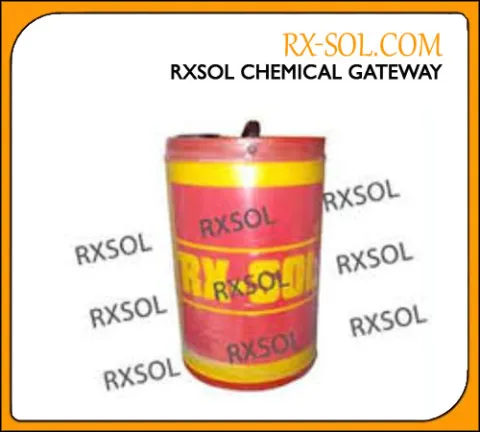
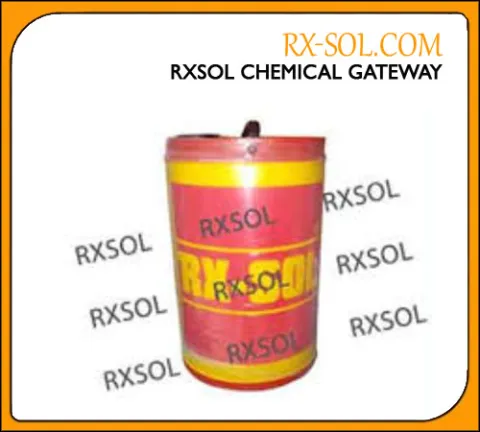
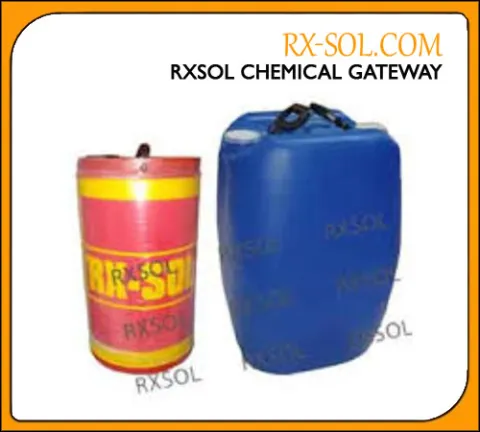
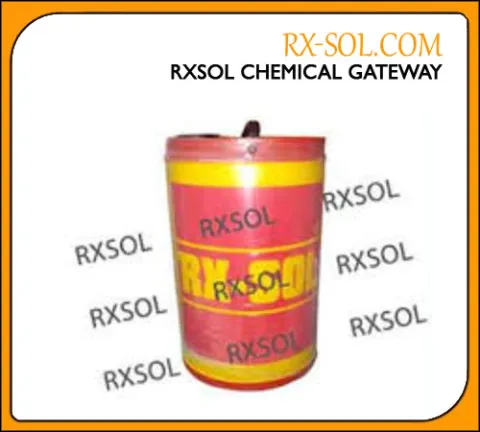
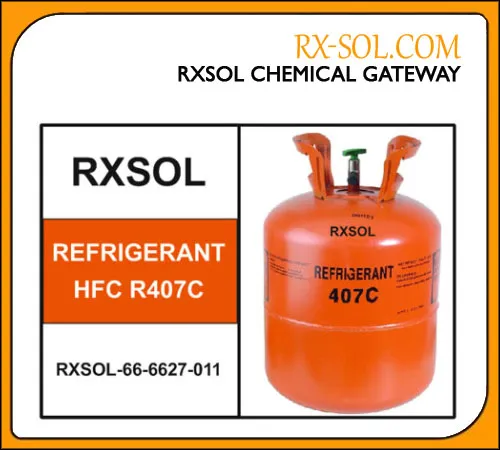
Refrigerants HFC R407C
- Part number
- RXSOL-66-6627-011
- Category
- Gasses
- Brand
- RXSOL
Overview
A synthetic HFC refrigerant which is harmless to the ozone layer. The gas is used in a variety of maritime refrigeration applications such as high and medium temperature applications (evaporating temperatures of -25 to +15° C).
Technical specifications
| Contents | 12.3 | |
| Weight | : | 11 |
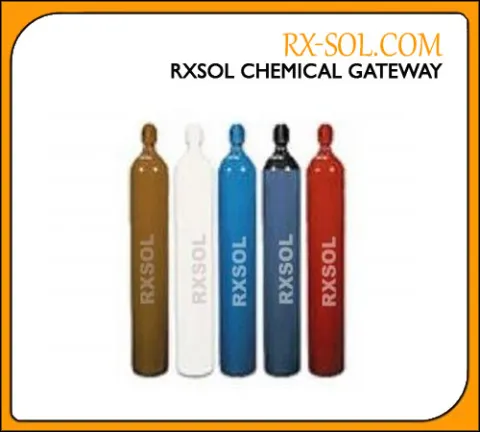
| Colour | : | Orange Brown |
| GWP | : | 1775 |
ODP = Ozone Depletion Potential
GWP = Global Warming Potential (IPCC Fourth Assessment Report - AR4)
Applications
Industrial Refrigeration
Commercial Refrigeration
Commercial Air Conditioning
Domestic Air Conditioning
Dosage and directions
Positive displacement equipment:
- new or existing residential and commercial air-conditioners
- new or existing residential and commercial heat pumps
Existing medium-temperature applications
Characteristics and notes
Features
- All refillable cylinders are inspected prior to refilling.
- Residue refrigerant recovered to prevent environmental damage.
- Content is 100% genuine refrigerant from approved producer.
- Conforms to ARI-700 purity standard.
- Suitable for new systems and retrofits.
Benefits
- Worldwide compliance
- Assured quality
- Refillable cylinders
Safety and SDS
Read the safety data sheet before handling. Wear suitable gloves and eye protection.
View safety data sheet
| Product Name | Freon HFC refrigerants R407C |
| Part Number | RXSOL-66-6627-011 |
Company Details:
RX MARINE INTERNATIONAL
105, A wing , BSEL , TECH PARK.
VASHI ,NEW BOMBAY 400703 INDIA
Stock Point : Mumbai, Kandla, Chennai, Kolkata, Visakhapatnam, Fujairah, Muscat
| Phone | +91 22 27815541 / 42 / 43 |
| Fax | +91 22 2781 1318 :::AOH :0091 9821214367 |
| rxsolchemicals@gmail.com | |
| Website | www.rxmarine.com |
| Ingrident | CAS Number | Weight Percentage |
| Difluoromethane (HFC32) | 75-10-5 | 32% |
| Pentafluoroethane (HFC-125) | 354-33-6 | 25% |
| 1,1,1,2-Tetrafluoroethane (HFC-134a) | 811-97-2 | 52% |
Chemical hazards. Heating will cause a rise in pressure with a risk of the cylinders bursting. On Combustion, toxic gases are released.
| Main Hazards: | All cylinders are portable gas containers and must be regarded as pressure vessels at all times. |
| Adverse Health effects: | Contains a liquefied gas. Contact with liquid may cause frostbite and injury to the cornea. |
| Biological hazards: | Contact with liquid could cause frost burns |
| Vapour Inhalation: | High exposures may cause an abnormal heart rhythm and prove suddenly fatal. May have a narcotic effect, very high concentrations may cause anaesthetic effects and asphyxiation. |
| Eye Contact: | : Liquid contact can cause severe irritation and frostbite. Mist may irritate. |
| Skin Contact: | Irritation would result from defatting action on tissue. Liquid contact cause frostbite |
| Ingestion: | Ingestion is unlikely because of the physical properties and is not expected to be hazardous. Do not induce vomiting unless instructed to do so by a physician |
| General: | In high concentrations may cause asphyxiation. Symptoms may include loss of mobility/consciousness. Victim may not be aware of asphyxiation. Remove victim to uncontaminated area wearing self contained breathing apparatus. Keep victim warm and rested. Call a doctor. Apply artificial respiration if breathing stopped. |
| Inhalation: | In high concentrations may cause asphyxiation. Symptoms may include loss of mobility/consciousness. Victim may not be aware of asphyxiation. Remove victim to uncontaminated area wearing self contained breathing apparatus. Keep victim warm and rested. Call a doctor. Apply artificial respiration if breathing stopped. |
| Eye contact: | Rinse the eye with water immediately. Remove contact lenses, if present and easy to do. Continue rinsing. Flush thoroughly with water for at least 15 minutes. Get immediate medical assistance. If medical assistance is not immediately available, flush an additional 15 minutes |
| Skin Contact: | Contact with evaporating liquid may cause frostbite or freezing of skin. |
|
Ingestion: |
Ingestion is not considered a potential route of exposure |
Extinguishing media All extinguishing agents can be used. If there is a fire close by, use suitable extinguishing agents.
Specific hazards. Pressurised container. On heating there is a risk of bursting due to internal pressure build-up NOT flammable. However, it may present a risk in the event of fire. Toxic vapours (Halogen compounds are released).
Emergency Actions Stay upwind. Evacuate the personnel away from the fumes. Cool down the containers/equipment exposed to heat with a water spray.
Protective clothing Self-contained breathing apparatus. Safety gloves and shoes, or boots, should be worn when handling cylinders.
Environmental precautions Prevent the product from spreading into the environment
| Personal precautions. |
Avoid contact with skin and eyes. Do not breathe gas. For further information refer to 8 “Exposurecontrols/Personal Protection” Heavy vapours. Shut off low-level openings in the vicinity (ventilation shafts, drains) Prevent the product from entering cellars, basements of pits. Stop the leak. Ventilate spillage area and basements. |
| Environmental precautions. | Prevent the product from spreading into the environmen. |
|
Small spills. |
Shut off source of product. Ventilate area. |
|
Large spills |
Evacuate the area. Shut off the source of the spill if this can be done without risk. Restrict access to the area until completion of the clean-up procedure. Ventilate the area using forced-draught if necessary. |
| Handling | Only experienced and properly instructed persons should handle gases under pressure. Use only properly specified equipment which is suitable for this product, its supply pressure and temperature. Refer to supplier's handling instructions. The substance must be handled in accordance with good industrial hygiene and safety procedures. Protect containers from physical damage; do not drag, roll, slide or drop. Do not remove or deface labels provided by the supplier for the identification of the container contents. When moving containers, even for short distances, use appropriate equipment eg. trolley, hand truck, fork truck etc. Secure cylinders in an upright position at all times, close all valves when not in use. Provide adequate ventilation. Suck back of water into the container must be prevented. Do not allow backfeed into the container. Avoid suckback of water, acid and alkalis. Keep container below 50°C in a well ventilated place. Observe all regulations and local requirements regarding storage of containers. When using do not eat, drink or smoke. Store in accordance with local/regional/national/international regulations. Never use direct flame or electrical heating devices to raise the pressure of a container. Leave valve protection caps in place until the container has been secured against either a wall or bench or placed in a container stand and is ready for use. Damaged valves should be reported immediately to the supplier Close container valve after each use and when empty, even if still connected to equipment. Never attempt to repair or modify container valves or safety relief devices. Replace valve outlet caps or plugs and container caps where supplied as soon as container is disconnected from equipment. Keep container valve outlets clean and free from contaminates particularly oil and water. If user experiences any difficulty operating container valve discontinue use and contact supplier. Never attempt to transfer gases from one container to another. Container valve guards or caps should be in place. |
| Storage | Containers should not be stored in conditions likely to encourage corrosion. Stored containers should be periodically checked for general conditions and leakage. Container valve guards or caps should be in place. Store containers in location free from fire risk and away from sources of heat and ignition. Keep away from combustible material. |
| Respiratory protection: | None generally required for adequately ventilated work situations. For accidental release or non-ventilated situations, or release into confined space, where the concentration may be above the PEL of 1,000 ppm, use a self-contained, NIOSH approved breathing apparatus or supplied air respirator. For escape: use the former or a NIOSH-approved gas mask with organic vapor canister. |
| Engineering control measures: | : Provide local ventilation at filling zones and areas where leakage is probable. Mechanical (general) ventilation may be adequate for other operating and storage areas. |
| Eye protection: | For normal conditions, wear safety glasses. Where there is reasonable probability of liquid contact, wear chemical safety goggles. |
| Skin: | Skin contact with refrigerant may cause frostbite. General work work clothing and gloves (leather) should provide adequate protection. If prolonged contact with the liquid or gas is anticipated, insulated gloves constructed of PVA, neoprene or butyl rubber should be used. Any contaminated clothing should be promptly removed and washed before reuse. |
| Appearance | Clear, Colorless Liquid And Vapor |
| Physical State | Gas At Ambient Temperatures |
| Molecular Weight | 86.2 |
| Chemical Formula | CH2F2, CF3CHF2, CH2FCF3 |
| Odor | Faint Ethereal Odor |
| Specific Gravity | 1.16 @ 21.1°C (70°F) (Water =1) |
| Solubility In Water | Unknown |
| pH | Neutral |
| Boiling Point | -43°C (-45.40°F) |
| Freezing Point | Not Determined |
| Vapor Pressure | 156.2 Psia @ 70°F / 356.7 Psia @ 130°F |
| Vapor Density (Air = 1.0) | 3.0 |
| Evaporation Rate | >1 Compared To: CCl4 = 1 |
| % Volatiles | 100 |
| Odor Threshhold | Not Established |
| Flammability | Not Applicable |
| Lel/Uel | None/None |
| Relative Density | 1.16 G/Cm3 At 21.1°C |
| Partition Coeff (N-Octanol/Water) Log Pow | Not Applicable |
| Auto Ignition Temp | Not Determined |
| Decomposition Temp. | >250 ˚c |
| Viscosity | Not Applicable |
| Flash Point | Not Applicable |
| Reactivity: | No reactivity hazard other than the effects described in sub-section below. |
| Chemical Stability: | Stable under normal conditions. |
| Conditions to Avoid: | Open flames and high energy ignition sources. The product is not flammable in air under ambient conditions of temperature and pressure. When pressurised with air or oxygen, the mixture may become flammable. Certain mixtures of HCFCs or HFCs with chlorine may become flammable or reactive under certain conditions. |
| Incompatible Materials | No reaction with any common materials in dry or wet conditions. Alkali metals. Alkali earth metals. Chemically-active metals (such as calcium, powdered aluminium, zinc, and magnesium) |
| Hazardous Decomposition Products: | Under normal conditions of storage and use, hazardous decomposition products should not be produced. |
| Immediate (Acute) Effects | |
| HFC-32 | LC50 : Inhalation 4 hr. (rat) - > 520,000 ppm / Cardiac Sensitization threshold (dog) - 350,000 ppm |
| HFC-125: LC50 | Inhalation 4 hr. (rat) - > 800,000 ppm / Cardiac Sensitization threshold (dog) 75,000 ppm |
| HFC-134a | LC50: Inhalation 4 hr. (rat) - > 500,000 ppm / Cardiac Sensitization threshold (dog) > 80,000 ppm |
| Delayed (Subchronic and Chronic) | |
| HFC-32 |
Teratogenic NOEL (rat and rabbit) – 50,000 ppm Subchronic inhalation (rat) NOEL – 50,000 ppm |
| HFC-125 |
Teratogenic NOEL (rat and rabbit) – 50,000 ppm Subchronic inhalation (rat) NOEL - > 50,000 ppm Chronic NOEL – 10,000 ppm |
| HFC-134a |
Teratogenic NOEL (rat and rabbit) – 40,000 ppm Subchronic inhalation (rat) NOEL – 50,000 ppm Chronic NOEL – 10,000 ppm |
| Repeated Dose Toxicity | Lifetime inhalation exposure of male rats was associated with a small increase in salivary gland fibrosarcomas. |
| Other Data | HFC-32, HFC-125, HFC-134a: Not active in four genetic studies . |
| Further Information | Acute Effects Of Rapid Evaporation of the liquid may cause frostbite. Vapors are heavier than air and can displace oxygen causing difficulty breathing or suffocation. May cause cardiac arrhythmia. |
| Degradability (BOD) | R-407C is a gas at room temperature; therefore, it is unlikely to remain in water. |
| Octanol Water Partition Coefficient: | Unknown for mixture |
| General information: | Do not discharge into any place where its accumulation could be dangerous. Vent to atmosphere in a well ventilated place. Avoid discharges to atmosphere. |
| Disposal methods | Refer to the EIGA code of practice (Doc.30 "Disposal of Gases", downloadable at http://www.eiga.org) for more guidance on suitable disposal methods. Dispose of container via supplier only. Discharge, treatment, or disposal may be subject to national, state, or local laws. |
| UN Number | UN 3340 |
| Proper Shipping Name | Refrigerant gas R 407c |
| Hazard Class | 2.2 |
| Packing Group | Not applicable |
EEC Hazard class: Non-flammable gas
National legislation: OHSact and Regulations 85 of 1993.
Reference: SANS 10234 and its supplement.
|
The information above is believed to be accurate and represents the best information currently available to us. However, we make no warranty of merchantability or any other warranty, express or implied, with respect to such information, and we assume no liability resulting from its use. Users should make their own investigations to determine the suitability of the information for their particular purposes. In no event shall be liable for any claims, losses, or damages of any third party or for lost profits or any special, indirect, incidental, consequential or exemplary damages, howsoever arising, even if Rx Marine International has been advised of the possibility of such damages. DISCLAIMER OF LIABILITY :The information in this SDS was obtained from sources which we believe are reliable. However, the information is provided without any warranty, express or implied, regarding its correctness. The conditions or methods of handling, storage, use or disposal of the product are beyond our control and may be beyond our knowledge. For this and other reasons, we do not assume responsibility and expressly disclaim liability for loss, damage or expense arising out of or in any way connected with the handling, storage, use or disposal of the product. This MSDS was prepared and is to be used only for this product. If the product is used as a component in another product, this MSDS information may not be applicable. |
Availability
Refrigerants HFC R407C manufacturer supplier distributor in Mumbai, Kandla, Kolkata, Vizag, Chennai, India, Fujairah, Dubai, Sharjah, UAE, Gulf, Middle East, Muscat Oman, Kenya Africa. Get the best quality of Refrigerants HFC R407C at a competitive price from us. We have ready stock of Refrigerants HFC R407C in India, UAE Gulf, Oman, Kenya Africa. Contact us for bulk as well as small orders.