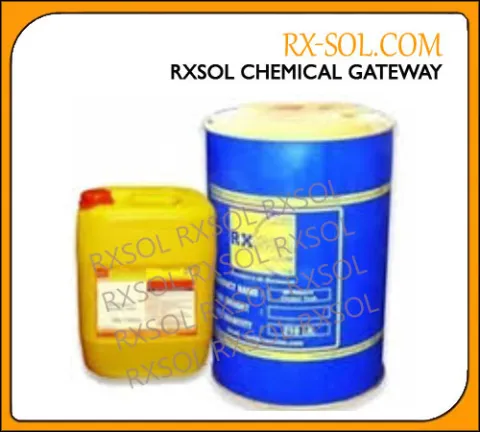
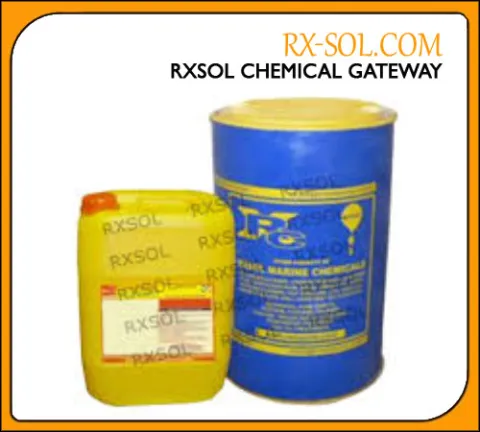
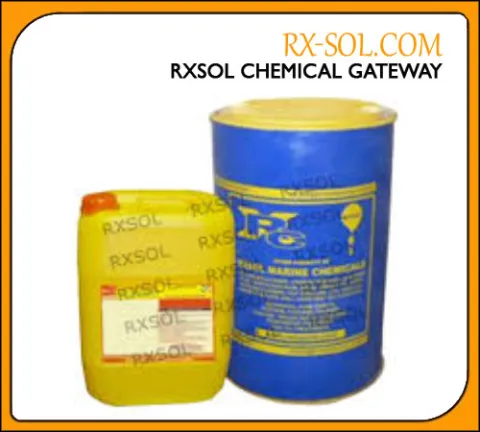
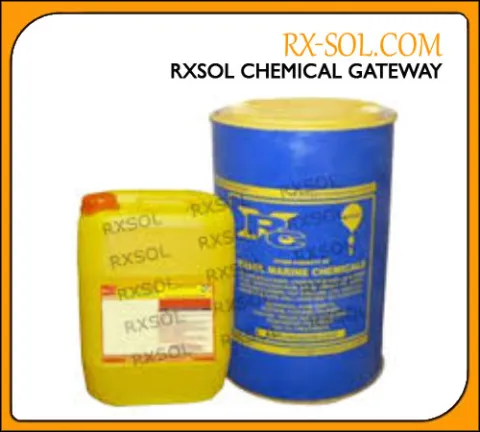
Butyl Carbitol
- Part number
- RXSOL-19-1250-210
- Category
- Solvent Chemicals
- Brand
- RXSOL
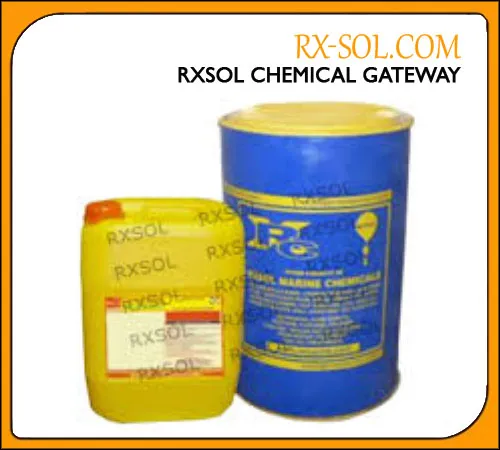
Technical specifications
| PRODUCT NAME | : | BUTYLCARBITOL |
| CAS number | : | 112-34-5 |
| UN number | : | |
| Formula | : | C8H18O3 |
| Odour | : | FAINT, BUTYL |
| Solubility in water | : | SOLUBLE |
| Density | : | 0.954 at 20 oC |
| Boiling point | : | 230 oC |
| Melting point | : | -68 oC |
| Viscosity | : | |
| Flashpoint | : | 77 oC |
| Explosive limits | : | 1.3 – 9.4 Vol% |
| Vapour pressure | : | .03 mbar at 20 oC |
| Skin absorption/irritation | : | YES |
| TLV Country | : | |
| Pollution category 1994 | : | D |
Applications
- Adhesives/sealants-B&C
- Architectural coatings
- Auto OEM
- Auto plastics
- Auto refinish
- Automotive
- Automotive parts & accessories
- Brake fluids
- Concrete
- Fabric care
- Flexographic printing inks
- Formulators
- Furniture
- Graphic arts
- Hard surface care
- Industrial cleaners
- Institutional cleaners
- Janitorial & household cleaners
- Lubricants
- Marine
- Paints & coatings
- Process solvents
- Protective coatings
- Rubber modification
- Soap/detergents
- Textile
- Wood coatings
Safety and SDS
Read the safety data sheet before handling. Wear suitable gloves and eye protection.
View safety data sheet
| Product Name | :Butyl Carbitol Rx |
| Part Number | :RXSOL-19-1250-210 |
Company Details:
RX MARINE INTERNATIONAL
105, A wing , BSEL , TECH PARK.
VASHI ,NEW BOMBAY 400703 INDIA
Branch : Kandla, Mumbai, Chennai, Vizag, Kolkata, UAE, Oman
| Phone | +91 22 2087 1200 - 1500 |
| Fax | +91 22 2670900 :::AOH :0091 9821214367 |
| rxsolchemicals@gmail.com | |
| Website | www.rxmarine.com |
| Name of Substance | Cas Number | EC Number | Weight % |
|
2-(2-butoxyethoxy)ethanol; diethylene glycol monobutyl ether |
112-34-5 | 203-961-6 | 100% |
| Signal Word | Warning |
| Hazard Statements |
Causes serious eye irritation May cause damage to organs through prolonged or repeated exposure |
| Precautionary statements - prevention |
Wash face, hands and any exposed skin thoroughly after handling Wear eye/face protection Do not breathe dust/fume/gas/mist/vapors/spray |
| Precautionary statements -response |
Get medical attention/advice if you feel unwellEyes |
| Skin Contact | Remove contaminated clothing. Wash with plenty of soap and water. If skin irritation occurs: Get medical advice/attention. Wash contaminated clothing before reuse. |
| Eye Contact | Immediately flush eyes with plenty of water for at least 15 minutes. Remove contact lenses, if present and easy to do. Continue rinsing. Get medical attention if irritation develops and persists. |
| Inhalation: | Remove victim to fresh air and keep at rest in a position comfortable for breathing. Oxygen or artificial respiration |
| Ingestion | Call a physician or poison control center immediately. Rinse mouth. Do not induce vomiting. If vomiting occurs, keep head low so that stomach content doesn't get into the lungs. |
| Most important symptoms/effects | No information available |
| Notes to Physician | Provide general supportive measures and treat symptomatically. Keep victim warm. Keep victim under observation. Symptoms may be delayed. Treat symptomatically |
| Suitable extinguishing media |
Use water spray, alcohol-resistant foam, dry chemical or carbon dioxide. |
| Unsuitable extinguishing media | No information available |
| Flash Point | 100 °C / 212 °F Method - Closed cup ISO 2719 |
| Sensitivity to Static Discharge | No information available |
| Specific Hazards Arising from the Chemical | Thermal decomposition can lead to release of irritating gases and vapors. Keep product and empty container away from heat and sources of ignition. |
| Autoignition Temperature | 227 °C / 440.6 °F |
| Protective Equipment and Precautions for Firefighters | Self-contained breathing apparatus and full protective clothing must be worn in case of fire.In case of fire and/or explosion do not breathe fumes. Move containers from fire area if you can do so without risk. |
|
Explosion Limits |
Upper 5.30 vol % Lower 0.70 vol % |
| Personal precautions, protective equipment and emergency procedures | Keep unnecessary personnel away. Remove all sources of ignition. Avoid contact with skin, eyes and clothing. |
|
Methods and materials for containment and cleaning up |
Remove all sources of ignition. Soak up with inert absorbent material. Keep in suitable, Up closed containers for disposal. |
| Enviromental Precaution | Avoid release to the environment. Inform appropriate managerial or supervisory personnel of all environmental releases. Prevent further leakage or spillage if safe to do so. Avoid discharge into drains, water courses or onto the ground. |
| Handling |
Avoid contact with eyes. Wash thoroughly after handling. Minimize exposure to air. After opening, purge container with nitrogen before reclosing. Periodically test for peroxide formation on long-term storage. Do not allow to evaporate to near dryness. Do not distill to near dryness. Addition of water or appropriate reducing materials will lessen peroxide formation. |
| Storage |
Keep containers tightly closed in a dry, cool and well-ventilated place. Keep away from heat and sources of ignition. |
| Hygiene measures | Immediately change contaminated clothing. Apply preventive skin protection. Wash hands and face after working with substance. |
|
Engineering Control |
Good general ventilation (typically 10 air changes per hour) should be used. Ventilation rates should be matched to conditions. If applicable, use process enclosures, local exhaust ventilation, or other engineering controls to maintain airborne levels below recommended exposure limits. If exposure limits have not been established, maintain airborne levels to an acceptable level. | ||||||||
| Personal Protection |
Eye/face Protection : Wear appropriate protective eyeglasses or chemical safety goggles as described by OSHA's eye and face protection regulations in 29 CFR 1910.133 or European Standard EN166. Skin and body protection : Wear appropriate protective gloves and clothing to prevent skin exposure. Long sleeved clothing.Flame retardant antistatic protective clothing. Respiratory Protection : : Respiratory protection should be worn when there is a potential to exceed the exposure limit requirements or guidelines. If there are no applicable exposure limit requirements or guidelines, wear respiratory protection when adverse effects, such as respiratory irritation or discomfort have been experienced, or where indicated by your risk assessment process. For most conditions no respiratory protection should be needed; however, if discomfort is experienced, use an approved air-purifying respirator. Use the following CE approved air-purifying respirator: Organic vapor cartridge, type A (boiling point >65 ºC, meeting standard EN 14387). |
||||||||
| Occupational exposure limits |
|
||||||||
| Hygiene Measures | Observe any medical surveillance requirements. When using do not smoke. Always observe good personal hygiene measures, such as washing after handling the material and before eating, drinking, and/or smoking. Routinely wash work clothing and protective equipment to remove contaminants. |
| Form | Liquid |
| Colour | Colourless |
| Odour | Faint |
| Odor Threshold | No Information Available |
| pH | Not Applicable |
| Freezing Point | -68 °C |
| Boiling Point | 230 °C (760 mmHg) |
| Flash Point | 114 °C closed cup |
| Evaporation Rate | 0.01 (Butyl Acetate =1) |
| Melting point/range | Not applicable to liquids |
| Flammability (solid, gas) | Not applicable to liquids |
| Explosive limits Lower / Uper |
Lower explosion limit 0.85 % vol Upper explosion limit 24.6 % vol |
| Vapour pressure | 2.9 Pa at 25 °C |
| Vapour Density | No test data available |
| Relative Density (water = 1) | 0.951 at 20 °C |
| Water solubility | Completely Miscible |
| Partition coefficient noctanol/water log Pow | 1 Measured |
| Autoignition Temperature | 210 °C |
| Decomposition temperature | No test data available |
| Dynamic Viscosity | 6 mPa.s at 20 °C |
| Kinematic Viscosity | 5.2 cSt at 25 °C |
| Explosive properties | Not explosive. |
| Oxidizing properties | Not oxidizing. |
| Liquid Density | 0.955 g/cm3 at 20 °C Measured |
| Molecular weight | 162.2 g/mol Calculated |
| Recativity | No dangerous reaction known under conditions of normal use. |
| Chemical Stability | Thermally stable at typical use temperatures. |
| Possibility of hazardous reactions | Polymerization will not occur. |
| Conditions to avoid | Do not distill to dryness. Product can oxidize at elevated temperatures.Generation of gas during decomposition can cause pressure in closed systems. |
| Incompatible materials | Avoid contact with: Strong acids. Strong bases. Strong oxidizers. |
| Hazardous Decomposition Products |
Decomposition products depend upon temperature, air supply and the presence of other materials.. Decomposition products can include and are not limited to:. Aldehydes.. Ketones.. Organic acids.. |
| Acute toxicity |
|
||||||||||||||
| Toxicologically Synergistic | No information available | ||||||||||||||
| Irritation | Irritating to eyes | ||||||||||||||
| Sensitization | No information available | ||||||||||||||
| Carcinogenicity |
The table below indicates whether each agency has listed any ingredient as a carcinogen.
|
||||||||||||||
| Mutagenic Effects |
No information available. |
||||||||||||||
| Reproductive Effects |
No information available. |
||||||||||||||
| Developmental Effects |
No information available. |
||||||||||||||
| Teratogenicity |
No information available. |
||||||||||||||
| STOT - single exposure | None known | ||||||||||||||
| STOT - repeated exposure | Kidney Liver | ||||||||||||||
| Aspiration hazard |
No information available. |
||||||||||||||
| Symptoms / effects,both acute anddelayed |
No information available. |
||||||||||||||
| Endocrine Disruptor Information |
No information available. |
||||||||||||||
| Other Adverse Effects | The toxicological properties have not been fully investigated. |
| Ecotoxicity |
|
||||||||||
|
Acute toxicity to algae/aquatic plants |
ErC50, alga Scenedesmus sp., static test, 96 Hour, Growth rate inhibition, > 100 mg/l, OECDTest Guideline 201 or Equivalent EbC50, alga Scenedesmus sp., static test, 96 Hour, Biomass, > 100 mg/l, OECD Test Guideline 201 or Equivalent |
||||||||||
| Persistence and Degradability : |
Biodegradability: Material is readily biodegradable. Passes OECD test(s) for ready biodegradability. 10-day Window: Not applicable Biodegradation: 89 - 93 % Exposure time: 28 d Method: OECD Test Guideline 301C or Equivalent 10-day Window: Not applicable Biodegradation: 100 % Exposure time: 28 d Method: OECD Test Guideline 302B or Equivalent |
||||||||||
| Mobility in soil |
Given its very low Henry's constant, volatilization from natural bodies of water or moist soil is not expected to be an important fate process. Potential for mobility in soil is very high (Koc between 0 and 50). Partition coefficient (Koc): 2 Estimated. |
||||||||||
| Results of PBT and vPvB assessment |
This substance is not considered to be persistent, bioaccumulating and toxic (PBT). This substance is not considered to be very persistent and very bioaccumulating (vPvB). |
||||||||||
| Other adverse effects | This substance is not on the Montreal Protocol list of substances that deplete the ozone layer. |
| Disposal instructions | This product, when being disposed of in its unused and uncontaminated state should be treated as a hazardous waste according to EC Directive 2008/98/EC. Any disposalpractices must be in compliance with all national and provincial laws and any municipal or local bylaws governing hazardous waste. For used, contaminated and residual materials additional evaluations may be required. Do not dump into any sewers, on the ground, or into any body of water. |
| Local disposal regulations : | Dispose in accordance with all applicable regulations. |
| DOT | Not regulated |
| TDG | Not regulated |
| IATA | Not regulated |
| IMDG/IMO | Not regulated |
| Fedral and State Regulation | This product has been classified in accordance with the criteria of the Globally Harmonized System of Classification and Labelling of Chemicals (GHS), rev. 8. |
| Other Regulation | Not regulated. |
| SARA 302 | Not Listed |
| SARA 313 | Not Listed |
| Other Information |
The information above is believed to be accurate and represents the best information currently available to us. However, we make no warranty of merchantability or any other warranty, express or implied, with respect to such information, and we assume no liability resulting from its use. Users should make their own investigations to determine the suitability of the information for their particular purposes. In no event shall be liable for any claims, losses, or damages of any third party or for lost profits or any special, indirect, incidental, consequential or exemplary damages, howsoever arising, even if Rx Marine International has been advised of the possibility of such damages. DISCLAIMER OF LIABILITY :The information in this SDS was obtained from sources which we believe are reliable. However, the information is provided without any warranty, express or implied, regarding its correctness. The conditions or methods of handling, storage, use or disposal of the product are beyond our control and may be beyond our knowledge. For this and other reasons, we do not assume responsibility and expressly disclaim liability for loss, damage or expense arising out of or in any way connected with the handling, storage, use or disposal of the product. This MSDS was prepared and is to be used only for this product. If the product is used as a component in another product, this MSDS information may not be applicable. |
Availability
Butyl Carbitol manufacturer supplier distributor in Mumbai, Kandla, Kolkata, Vizag, Chennai, India, Fujairah, Dubai UAE, Muscat Oman, Kenya Africa. Get the best quality of Butyl Carbitol at a competitive price from us. We have ready stock of Butyl Carbitol in India, UAE Gulf, Oman, Kenya Africa. Contact us for bulk as well as small orders.