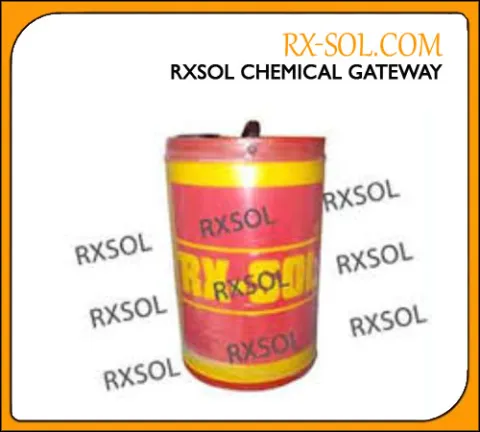
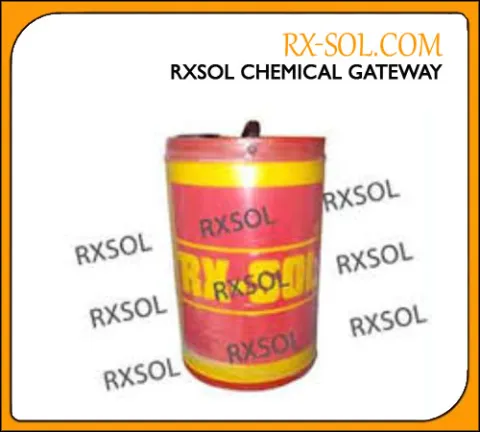
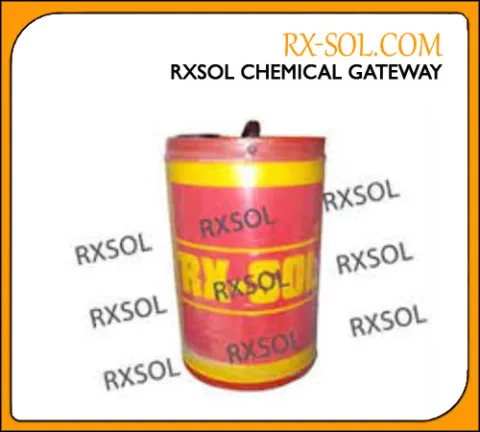
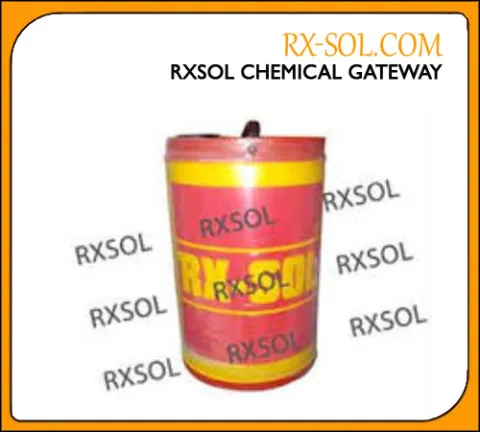
pH PLUS enhancer
- Part number
- RXSOL-19-1307-025
- Category
- Swimming Pool & Spa
- Brand
- RXSOL
Overview
Technical specifications
|
Identification |
|
|
Properties |
|
|
Na2CO3 |
|
|
105.9784 g/mol |
|
|
Appearance |
White solid, hygroscopic |
|
Odorless |
|
|
2.54 g/cm3 |
|
|
851 °C |
|
|
1633 °C |
|
|
Solubility in water |
7 g/100 mL (0 °C) |
|
Basicity (pKb) |
4.67 |
|
Refractive index (nD) |
1.485 |
|
Irritant (Xi) |
|
|
0 1 1 |
|
|
Non-flammable |
|
|
4090 mg/kg (rat, oral) |
|
Applications
Sodium carbonate is used as a relatively strong base in various settings. For example, sodium carbonate is used as a pH regulator to maintain stable alkaline conditions necessary for the action of the majority of photographic film developing developing agents.
It is a common additive in municipal pools used to neutralize the acidic effects of chlorine and raise pH. In chemistry, it is often used as an electrolyte. This is because electrolytes are usually salt-based, and sodium carbonate acts as a very good conductor in the process of electrolysis. In addition, unlike chloride ions, which form chlorine gas, carbonate ions are not corrosive to the anodes. It is also used as a primary standard for acid-base titrations because it is solid and air-stable, making it easy to weigh accurately.
Dosage and directions
In domestic use, it is used as a water softener during laundry. It competes with the magnesium and calcium ions in hard water and prevents them from bonding with the detergent being used. Without using washing soda, additional detergent is needed to soak up the magnesium and calcium ions. Called washing soda, soda crystals, or sal soda in the detergent section of stores, it effectively removes oil, grease, and alcohol stains. Sodium carbonate is also used as a descaling agent in boilers such as those found in coffee pots, espresso machines, etc.
In dyeing with fiber-reactive dyes, sodium carbonate is used to ensure proper chemical bonding of the dye with cellulose (plant) fibers, typically before dyeing (for tie dyes), mixed with the dye (for dye painting), or after dyeing (for immersion dyeing).
Sodium carbonate is also used in the production of sherbet powder. The cooling and fizzing sensation results from the endothermic reaction between sodium carbonate and a weak acid, commonly citric acid, releasing carbon dioxide gas, which occurs when the sherbet is moistened by saliva.
Sodium carbonate is used by the brick industry as a wetting agent to reduce the amount of water needed to extrude the clay.
In casting, it is referred to as "bonding agent" and is used to allow wet alginate to adhere to gelled alginate.
Sodium carbonate is used in toothpastes, where it acts as a foaming agent and an abrasive, and to temporarily increase mouth pH.
Sodium carbonate is used to create the photo process known as reticulation.
Sodium carbonate, in a solution with common salt, may be used for cleaning silver. In a non-reactive container (glass, plastic or ceramic) aluminium foil and the silver object are immersed in the hot salt solution. The elevated pH dissolves the aluminium oxide layer on the foil and enables an electrolytic cell to be established . Hydrogen ions produced by this reaction reduce the sulphide ions on the silver restoring silver metal. The sulphide can be released as small amounts of hydrogen sulphide. Rinsing and gently polishing the silver restores a highly polished condition.
Characteristics and notes
- Granular soda ash
- Raises pH levels
- Quick dissolving
- Prevents damage to pool and irritation for swimmers
Safety and SDS
Read the safety data sheet before handling. Wear suitable gloves and eye protection.
View safety data sheet
| Product Name | ph Plus Enhancer |
| Product Type | RXSOL-19-1307-025 |
Company Details:
RX MARINE INTERNATIONAL
105, A wing , BSEL , TECH PARK.
VASHI ,NEW BOMBAY 400703 INDIA
Stock Point : Mumbai, Kolkata, Chennai, Gandhidham, Visakhapatnam, Fujairah, Muscat, Canada, Nairobi
| Phone | +91 22 27815541 / 42 |
| Fax | +91 22 2781 1318 :::AOH :0091 9821214367 |
| rxsolchemicals@gmail.com |
|
Ingredient |
CAS No |
Percent |
|
Sodium Carbonate |
497-19-8 |
80-90% |
| Buffer Mixturer Proprietory | --- | 10-20% |
Classification of the substance or mixture
Classification according to Regulation (EC) No 1272/2008
Hazard Class Hazard Category Target Organs Hazard Statements
Eye Irrit Category 2 H319
For the full text of the H statements mentioned in this section see Section 16.
Most important adverse effects
Human Health: See section 11 for toxicological information.
Physical & Chemical Hazards: See section 9.
Potential environmental effects: See section 12 .
Label elements Labelling according to Regulation (EC) No 1272/2008
Hazard statements: H319 Causes serious eye irritation
Signal word: Warning
Hazard pictograms: GHS07
Precautionary statements:
P102 Keep out of reach of children
P260 Do not breathe dust
P280 Wear protective gloves / eye protection.
P264 Wash hands thoroughly after handling.
P337+P313: If eye irritation persists: Get medical advice/attention.
P501 Dispose of contents/container to waste according to local/ national regulation
Hazardous components which must be listed on the label sodium carbonate
Other Hazards No other information is available.
|
If inhaled: |
Remove casualty to fresh air; consult a doctor if symptoms persist |
|
In case of skin contact: |
Wash off with plenty of water. Generally the product does not irritate the skin |
|
In case of eye contact: |
IF IN EYES: Rinse continuously with water for several minutes. Remove contact lenses if present and easy to do – continue rinsing |
| If swallowed: | Clean mouth with water and drink afterwards plenty of water. DO NOT INDUCE VOMITING. Seek immediate medical attention if symptoms persist |
5.1 Extinguishing media:
Suitable media: Dry powder.
CO2 or water spray Unsuitable media: High volume water jet
5.2 Special hazards arising from the substance or mixture Specific Hazards
Specific Hazards : Gives off irritating or toxic fumes (or gases) in a fire. Vapours may ignite. Vapours are heavier than air and may travel considerable distances to a source of ignition and flashback
5.3 Advice for fire-fighters
Protective equipment In the event of fire, wear self-contained breathing apparatus.
Further Information: Collect contaminated fire extinguishing water separately. This MUST not be discharged into drains. Prevent fire extinguishing water from contaminating surface or ground water.
|
Personal Precautions |
Wear protective clothing as per Section 8 Evacuate the area and keep personnel upwind Avoid breathing gas / mist / fumes. Avoid contact with skin and eyes Eye wash bottles should be available |
|
Environmental Precautions |
Do not allow to enter public sewers and watercourses |
|
Cleaning up |
Place in sealed and labelled appropriates containers. Remove contaminated materiak to safe location for subsequent disposal. |
|
Handling |
Avoid breathing dust. Avoid contact with eyes. Wash thoroughly with soap and water after handling. Keep away from food, drink and animal feeding stuffs. Smoking, eating and drinking should be prohibited in the application area. |
|
Storage : |
Store in original container |
|
Exposure Limits |
Engineering measures Refer to protective measures listed in sections 7 and 8 Use in a well ventilated area |
|
|
Respiratory protection In case of inadequate ventilation wear respiratory protection Hand protection Eye protection Wear safety glasses approved to standard EN 166. Skin and body protection Wear appropriate clothing to prevent repeated or prolonged skin contact |
| Exposure controls | Dispose of in accordance with all applicable local and national regulations |
Form: Crystaline powder
Colour: White
Odour: Odourles
pH @ 20oC: 11.5
Melting Point 854°C
Boiling point/boiling range: > 999°C
Flash point: Not applicable
Relative vapour density: 2.533 g/cm³
Water solubility: 212 g/l
Partition coeffcient:n-octanol/water: Not known
Explosive properties: Product is not explosive.
Reactivity Reactivity No information available
Chemical stability Chemical stability No decomposition if stored normally
Possibility of hazardous reactions Hazardous reactions: No information available
Conditions to avoid Conditions to avoid Avoid formation of dust. Keep away from heat and moisture.
Incompatible materials Materials to avoid Incompatible with acid
Hazardous decomposition products Haz. decomp. products: Stable under recommended storage conditions.
Primary Irritant effect On the skin:
Powder may irritate skin
On the eye: Irritant
Carcinogenic There is no evidence that this substance has any carcinogenic properties.
Mutagenic There is no evidence that this substance is mutagenic
Sensitization: No sensitizing effects known
Additional toxicological information:
If ingested may cause discomfort
If inhaled irritating to mucous membranes and respiratory tract
Persistence and degradability
Persistence and degradability No data available
Bioaccumlative potential
Bioaccumlative potential No data available
Mobility in soil
Mobility in soil No data available
Results of PBT and PvB :
PBT and PvB : Not a PBT according to REACH Annex XIII
Other adverse effects
Other adverse effects No data available
|
|
Product:: Disposal together with normal waste is not allowed. Special disposal is required according to local regulations. Do not let product enter drains. Contact waste disposal services. Contaminated packaging::Empty contaminated packaging thoroughly. They can be re-cycled after thorough and proper cleaning. Packaging that cannot be cleaned is to be disposed of in the same manner as the product. Euro Waste Catalogue No::No waste code according to the European Waste Catalogue can be assigned for this product, as the intended use dictates the assignment. The waste code is established in consultation with the regional waste disposer. |
UN Number Not applicable
UN proper shipping name Not applicable
Transport hazard class(es) Not applicable
Packaging Group Not applicable
Environmental hazards Clean up even minor leaks or spills if possible without unnecessary risk
Special precautions for user See Section 7
Transport in bulk according to Annex II of MARPOL 73/78 and the IBC Code Not applicable
Safety, health and environmental regulations/legislation specific for this substance or mixture. This Safety Data Sheet is provided in compliance with REACH Regulation (EC) No 1907/2006
Chemical Safety Assessment No further information
The information provided about the product on this Safety Data Sheet has been compiled from knowledge of the individual constituents.The data given here is based on current knowledge and experience. This Safety Data Sheet describes the product .in terms of safety requirements and does not signify any warranty with regard to the product's properties The data given here only applies when product used for proper application(s). The product is not sold as suitable for other applications - usage in such may cause risks not mentioned in this sheet. Do not use for other.
DISCLAIMER OF LIABILITY :The information in this SDS was obtained from sources which we believe are reliable. However, the information is provided without any warranty, express or implied, regarding its correctness. The conditions or methods of handling, storage, use or disposal of the product are beyond our control and may be beyond our knowledge. For this and other reasons, we do not assume responsibility and expressly disclaim liability for loss, damage or expense arising out of or in any way connected with the handling, storage, use or disposal of the product. This MSDS was prepared and is to be used only for this product. If the product is used as a component in another product, this MSDS information may not be applicable.
Availability
pH PLUS enhancer manufacturer and supplier in Mumbai, Muscat, Dubai, Nairobi, Canada, Kolkata, Vizag, Chennai, Gandhdiham, Dubai, Sharjah, Abudhabi, Ajman, Fujairah, Canada, Muscat Oman