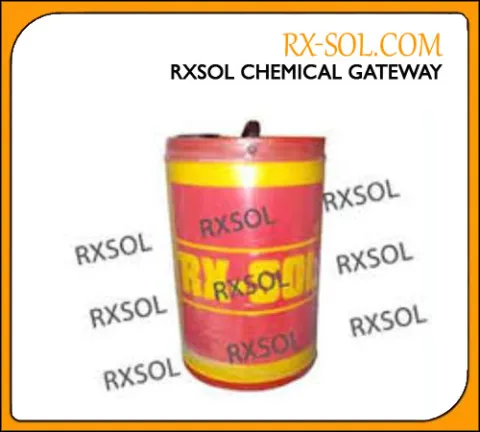
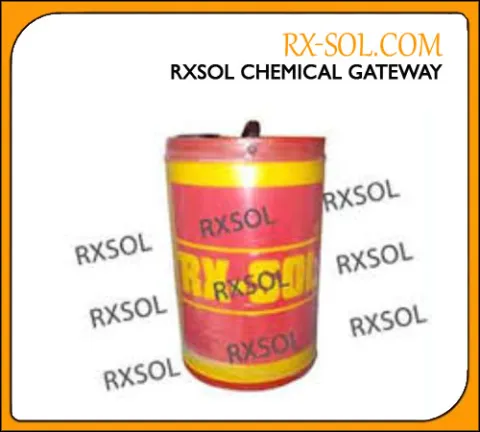
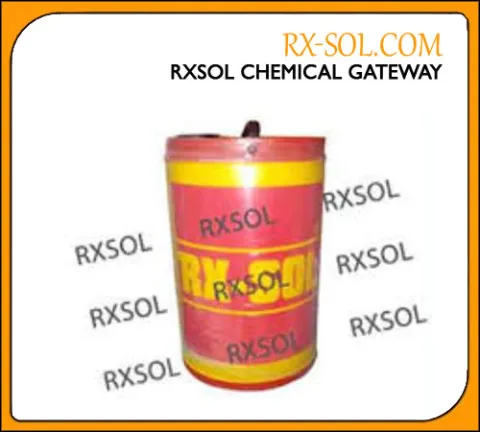
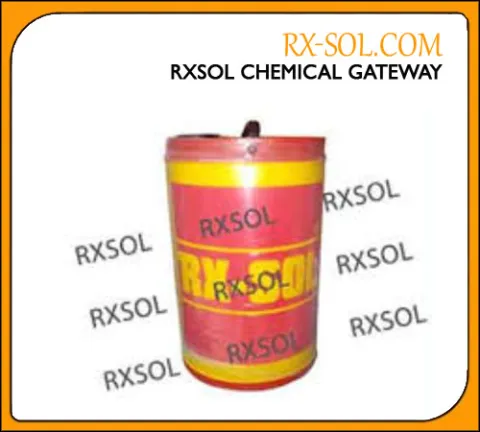
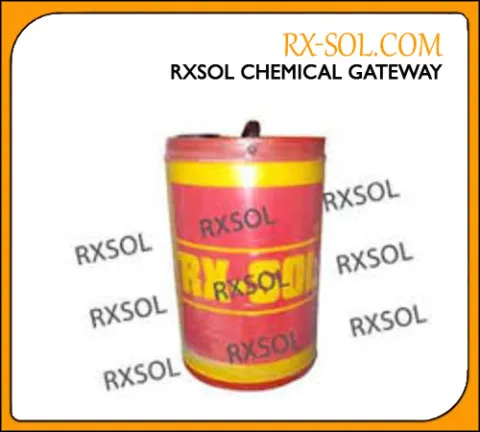
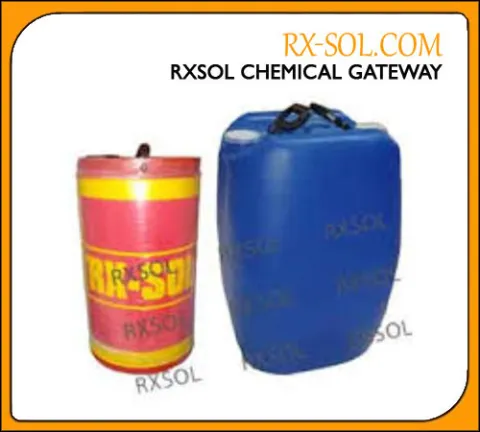
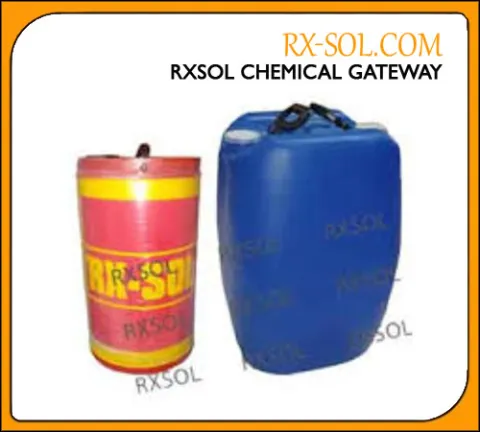
Carburising Fluid Rx
- Part number
- RXSOL-68-6821-025
- Category
- Metal Treatment
- Brand
- RXSOL
Overview
Carburising Fluid Rx is basically pit-pot type fluid used for hardening / case carburising /carbonitriding of various components made of steel such as railway part, auto parts, gears, precision turned components, construction machinery parts and any other component needing hardening. By controlling the rate of flow by various means, neutral or carburising gaseous atmosphere can be created in the retort for carrying out processes such as annealing, carburising and carbonitriding. The fluid is generally known as carburising fluid, because of its more popular use for carburising or casing of steel.
Carburising Fluid RX has been specially formulated for use in the single fluid drip process. This process has certain economic and practical advantages in the comparison with other known processes of Carburising.
Technical specifications
PHYSICAL & CHEMICAL PROPERTIE
|
Colour & Appearance |
: Yellow liquid |
|
Sp. Gravity @ 30°C |
: 0.81 |
|
pH (neat) |
: 8.00 |
Applications
Carburising Fluid RX is used in the heat treatment industry for the carburising of low carbon steels.
Dosage and directions
Carburising with Carburising Fluid Rx is carried out in electrically heated pit type furnaces, which are usually designed for this type of a carburising operation. The carburised case depth depends on the time and temperature of the process.
PRINCIPLES OF USE
Carburising Fluid Rx gas carburising fluid is drip fed in retort type furnaces, at carburising temperature (above 800° C). It cracks in the furnace to form a gas having uniformly high carbon content. The atomic carbon available after a series of chemical reactions of this gas is absorted by the components to obtain a skin with high carbon content. The gas is chemically constant and gives duplicity of performance, batch after batch, unlike the unsaturated hydro-carbons sometimes used for this kind of operation. The Carburising Fluid Rx is so balanced in its composition that the maximum carbon potential which the gas acquires does not exceed more than adequate.
The Carburising Fluid Rx fluid meets the needs of most of the engineering components which require 0.75 to 0.80% carbon case.
SEQUENCE OF OPERATIONS
-
Start the furnace to heat the retort to 800° to 850° C with the lid on.
-
Open the lid and load in the preheated steel.
-
Put on the lid, seal it, start the fan and let in the fluid at 0.2 ltrs/hour. Light the flame.Check the leaks around the lid and the mountings on the lid with a lighted match. Secure the leaks if any, restart the fluid drip and continue to heat to carburising temperature (900°C - 920°C). Observe the colour of the flame. It should be bluish.
-
When the desired temperature of carburising is reached, increase the fluid drip to about0.8 - 1 ltrs per hour. Observe the change in the height and colour of the flame. It should be yellowish with a sooty fringe. At the same time insert test pieces into the retort through the escape vent port.
-
After an hour remove one piece and check the progress of carburisation. The piece should be shiny gray and not sooty and should show some case.
-
Continue heating and feeding at the constant rate till the desired ‘case depth’ is formed as seen by the checking of the other pieces which are removed at regular intervals.
-
At the end when sufficient case is formed, any 1 mm - 1.5 mm as required, lower the feed rate to 0.2 litres /hour and continue heating at the same temperature of carburisation for about an hour to diffuse the carbon uniformly in the case.
- At the end of the process, the fluid should be stopped well above 700°C before the lid is opened.
Safety and SDS
Read the safety data sheet before handling. Wear suitable gloves and eye protection.
View safety data sheet
|
Product Name |
Carburising Fluid Rx |
|
Product Type |
RXSOL-68-6821-210 |
Company Details:
RX MARINE INTERNATIONAL
105, A wing , BSEL , TECH PARK.
VASHI ,NEW BOMBAY 400703 INDIA
Stock Point : Mumbai, Kandla, Kolkata, Chennai, Visakhapatnam, Fujairah
| Phone | +91 22 27815540 / 41 / 42 |
| Fax | +91 22 2781 1318 :::AOH :0091 9322594669 |
| rxsolchemicals@gmail.com |
Substance / Preparation :
|
Components |
CAS No. | Range in % |
Hazardous |
| Carbinol | 67-56-1 | > 65 | Yes |
| Petroleum Solvent | 64742-95-6 | > 25 | Yes |
| Other proprietary mixtures | NA | <1 | No |
| Warning Statements: | FLAMMABLE. HARMFUL IF INHALED OR ABSORBED THROUGH SKIN. MAY CAUSE DIZZINESS AND DROWSINESS. MAY CAUSE EYE AND SKIN IRRITATION. ASPIRATION HAZARD. CAN CAUSE LUNG INJURY IF INGESTED AND SWALLOWED. KEEP OUT OF REACH OF CHILDREN. |
| Eyes: | May cause slight eye irritation, characterized by redness, tearing, or a burning sensation. |
| Oral: |
Expected to have moderate acute toxicity by ingestion. Ingestion of this product and subsequent vomiting can result in aspiration into the lungs, causing chemical pneumonia and lung damage. |
| Inhalation: | Breathing the vapor or mist can cause respiratory irritation or discomfort.May cause symptoms of drowsiness or narcosis from inhalation of high vapor concentrations. |
| Skin: | Believed to be slightly irritating with possible redness, edema, or drying of the skin.Prolonged or frequently repeated contact may cause more severe irritation or may cause the skin to become cracked or dry from the defatting action of this material. |
| Long Term Toxic Effects: | Contains a solvent that may cause adverse systemic effects when ingested,inhaled, or absorbed through the skin. See section 11 for additional information |
| Eyes: | Flush eyes immediately with fresh water for at least 15 minutes while holding the eyelids open. If irritation persists, see a doctor. |
| Skin: | Remove and launder contaminated clothing, including shoes. Wash skin thoroughly with soap and water. See a doctor if any signs or symptoms described in this MSDS occur. |
| Ingestion: |
Do not induce vomiting. Aspiration of the material can cause serious lung injury such as chemical pneumonia. Call a doctor immediately. If spontaneous vomiting occurs, keep head below hips to prevent aspiration and monitor for breathing difficulty. Never give anything by mouth to an unconscious person. |
| Inhalation: | If there are signs or symptoms as described in this MSDS due to breathing this material, move the person to fresh air. If breathing has stopped, apply artificial respiration. Call a doctor. |
| Advice to Doctor: |
Gastric lavage by qualified medical personnel may be considered, depending on quantity of material ingested.This product may present an aspiration hazard. See related comments in this MSDS. If spontaneous vomiting has occurred after ingestion, the patient should be monitored for difficult breathing, as adverse effects of aspiration into the lungs may be delayed up to 48 hours. |
| Auto Ignition Temp °C: | 470 |
| Flammable Limits % | ND |
| Flash Point °C: | Flammable |
| Explosion Hazards: | Contains Solvents, hence it is flammable. The product catches fire after the fire point is reached. Full body flame-resistant clothing and/or turnout gear recommended for persons attempting leak or spill control and for fire fighting. |
|
Fire Extinguishing Agents: |
Use water fog, dry chemical, foam, or carbon dioxide. Water or foam may cause frothing. Use water to cool fire-exposed containers. If a leak or spill has not ignited, use water spray to disperse the vapors and to provide protection for persons attempting to stop the leak. Poisonous gases produced in fire. Follow OSHA 1910.156 |
In Case of Spill:
Eliminate all ignition sources including internal combustion engines and power tools.
Ventilate area. Keep people away. Stay upwind and warn of possible downwind explosion hazard. Avoid breathing vapors and eye or skin contact. Use respirator and protective clothing as discussed in this MSDS (See Section 8). Use supplied-air respirator for large releases in confined area. Contain spill if possible. Remove with inert absorbent and place in container for disposal at an approved facility. Prevent entry into sewers and waterways.
Storage:
Keep away from heat, sparks, oxidizing agents and flame. Keep containers tightly closed.Handle and store in well-ventilated area and in accordance with local regulations regarding flammable liquids.
Handling:
Empty containers retain residue (liquid and/or vapor) and can be dangerous. DO NOT
PRESSURIZE, CUT, WELD, BRAZE, SOLDER, DRILL, GRIND OR EXPOSE SUCH
CONTAINERS TO HEAT, FLAME, SPARKS, STATIC ELECTRICITY, OR OTHER
SOURCES OF IGNITION: THEY MAY EXPLODE AND CAUSE INJURY OR DEATH. Do not attempt to clean since residue is difficult to remove. Empty drums should be completely drained, properly bunged and promptly returned to a drum recondition unit. All other containers should be disposed of in an environmentally safe manner and in accordance with governmental regulations.
| Eyes: | Avoid eye contact. The wearing of safety goggles or face shield is recommended. |
| Skin: | Avoid contact with skin or clothing. Skin contact can be minimized by wearing impervious protective clothing including gloves. Protective clothing made from neoprene, nitrile, or n-butyl rubber is suitable in these applications.Exposed employees should exercise reasonable personal cleanliness; this includes cleansing exposed skin several times daily with soap and water, and laundering or dry cleaning soiled work clothing at least weekly. |
| Inhalation: |
If operating conditions create airborne concentrations that are excessive and may exceed the exposure standard(s), the use of an approved respirator is recommended.Wear approved respiratory protection such as an organic vapor cartridge respirator. Use approved supplied air respiratory protection for cleaning large spills or upon entry into tanks, vessels, or other confined spaces. |
| Ventilation: | Use this material only in well-ventilated areas. |
| Exposure Limits: | No ACGIH TLV exists for this material. Recommended a daily 8-hour TWA of 100 ppm. |
NOTE:
The following data may represent a range of approximate or typical values for products in the same family. Precise technical information is provided in Product Bulletins and can be obtained from your Marketing Representative.
| Colour & Appearance | Yellow liquid |
| Sp. Gravity @ 30°C | 0.81 |
| pH (neat) | 8.00 |
| Hazardous Polymerizations: | DO NOT OCCUR |
| Products of Combustion: | Carbon monoxide, carbon dioxide, Adehydes and ketones may be Formed. POISONEOUS GAS might be formed. |
| Conditions to Avoid: | Water, Strong Oxidizers |
General:
Repeated and prolonged occupational exposure to solvents has been associated with permanent nervous system damage, commonly referred to as "solvent syndrome" or "painter's syndrome". Intentional misuse of this product may be harmful or fatal.
Environmental Effects:
No specific eco-toxicity data on this product are available.
Waste Disposal:
Place contaminated materials in disposable containers and dispose of in a manner consistent with applicable regulations. Contact local environmental authorities for approved disposal of this material.
Remarks:
Do not allow entering drains or sewers. Can cause explosion, if it comes in contact with source of heat.
| Transport of Dangerous Goods: | |
|
DOT /UN Number: |
1230 |
| Dangerous Goods Class: | 3 |
| Proper Shipping Name: | Mixture with Carbinol & Hydrocarbons |
| Hazchem Code: | 3Y |
| Additional Information: | Transport in accordance with local regulations regarding flammable liquids. |
Respirator Information:
Respirator users should follow local regulations.Where local approval authority is absent, respirator users can refer to U.S. NIOSH, European Standard EU-149, or joint Australia-New Zealand AS/NZS 1715/1716 for guidance.
The data given here is based on current knowledge and experience. This Safety Data Sheet describes the product in terms of safety requirements and does not signify any warranty with regard to the product's properties The data given here only applies when product used for proper application(s). The product is not sold as suitable for other applications usage in such may cause risks not mentioned in this sheet. Do not use for other application(s) without seeking advice from manufacturer.
DISCLAIMER OF LIABILITY :The information in this SDS was obtained from sources which we believe are reliable. However, the information is provided without any warranty, express or implied, regarding its correctness. The conditions or methods of handling, storage, use or disposal of the product are beyond our control and may be beyond our knowledge. For this and other reasons, we do not assume responsibility and expressly disclaim liability for loss, damage or expense arising out of or in any way connected with the handling, storage, use or disposal of the product. This MSDS was prepared and is to be used only for this product. If the product is used as a component in another product, this MSDS information may not be applicable.
Availability
Carburising Fluid Rx manufacturer supplier distributor in Mumbai, Kandla, Kolkata, Vizag, Chennai, India, Fujairah, Dubai, Sharjah, UAE, Gulf, Middle East, Muscat Oman, Kenya Africa. Get the best quality of Carburising Fluid Rx at a competitive price from us. We have ready stock of Carburising Fluid Rx in India, UAE Gulf, Oman, Kenya Africa. Contact us for bulk as well as small orders.