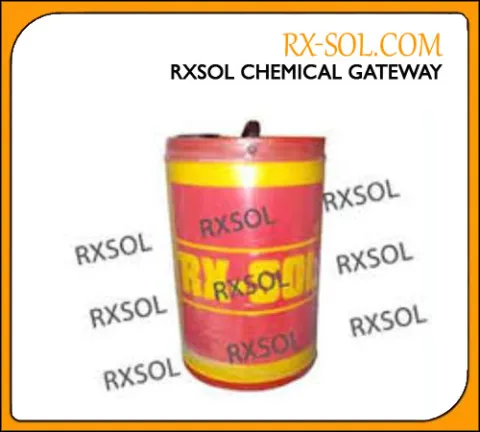
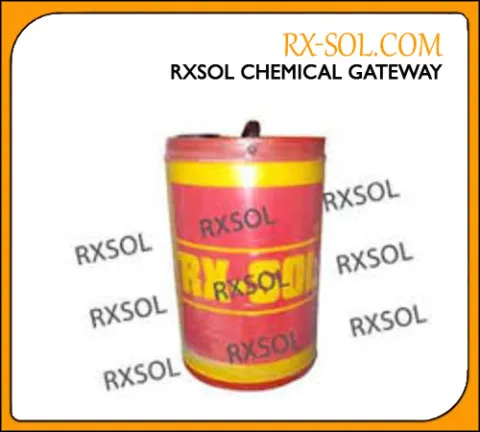
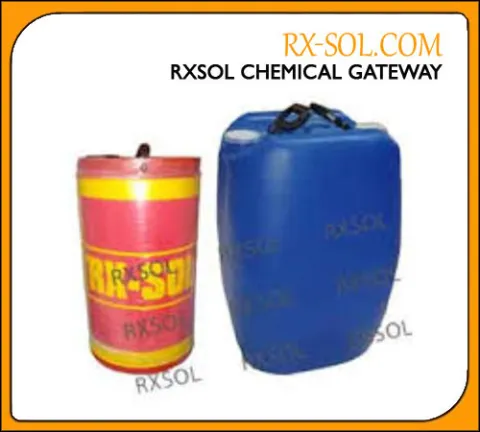
Pickling Dip Liquid
- Part number
- RXSOL-68-6805-005
- Category
- Metal Treatment
- Brand
- RXSOL
Overview
RXSOL Pickling Liquid - Performs multiple cleaning action such as degreaser by removing oil effectively and also providing protective coating to keep rust free surface. Uses of Pickling liquid RXSOL helps to keep metal surface as priming after welding which can be used for Electrostatic Painting and powder coating. Also Uses of Pickling Liquid RXSOL helps to eliminate uses of all hazardous chemicals such as solvent, Acid, Phophate, Chromate etc. And its uses also helps to avoid sand scrubbing, blassting for metal surface preparation.
Technical specifications
|
Physical state at 20oC |
: |
Colourless liquid |
|
Boiling point |
: |
80-100oC |
|
Flash point / Explosion properties |
: |
Not applicable |
|
Specific temperatures: |
: |
Solid-fluid 40oC, Fluid-gas 50-60oC (nitric fumes) |
|
Vapour pressure at 20oC |
: |
< 0.01 kPa |
|
pH |
: |
0 at 20oC |
|
Density |
: |
1.1-1.4 g/cm3 at 20oC |
|
Solubility in water at 20oC |
: |
100 weight % |
Applications
The Pickling Dip Liquid fluid is recommended for immersion pickling of small objects and for pickling surfaces that are time-consuming to brush or spray pickle. It can also be used for circulation pickling of pipe systems. Pickling Liquid reduced the Re-work to Zero, saving a lot of labor, time & cost.
Pickling Dip Liquid is Water based Conversion coating, Rust/Heat scale remover, Rust inhibitor, & Recommended Use Rust converter, Effectively used for Weld prep., Anti-spatter and a complete metal surface preparation/pre-treatment compound for ferrous & non-ferrous metal.
Pickling Dip Liquid Savings:
1) “Value Added Product” which Saves a lot of labor, time, cost & energy by eliminating one or more traditional steps during metal surface preparation for welding and finishing (priming, painting, powder coating etc.)
2) Very large coverage (around 1600 sq. ft. per gallon
3) Unit Cost is few cents per sq. ft. along with a very less labor time.
4) Long Shelf Life – No Wastage
5) Solves all quality failures such as, Welding failure, Adhesion failure as well as solving the Rusting problem completely.
Dosage and directions
Standard grades, such as 304 and 316: Mix 1 part Pickling Dip Liquid into 3 patrs of water. A further dilution can be done if longer pickling timesc an be accepted. High-alloyed grades, such as duplex grades (2205) and austenitic grades (904 L) for use in severe corrosive conditions: Mix 1 part of Pickling Dip Liquid in to 2 parts of water. Very high alloyed grades, such as super-austenitic (254 SMO) and super-duplex (2507) grades: Mix 1 part of Pickling Dip Liquid into 1 part of water.
1. Before first time use. Make the solution by adding the Pickling Dip Liquid to the water, not the other way round! The proportions depend on the steel to be pickled.
2. Pre-clean the objects to remove grease and oil before pickling by using RXSOL DEGREASER.
3. Place the product in the pickling bath.
4. Allow sufficient pickling time. Use 5 min to 4 hours depending on temperature, steel grade, condition of the Pickling Dip Liquid etc.
5. Rinse with high-pressure water jet after pickling.
6. Analyse the Pickling Dip Liquid content of acids and free metals regularly to maintain optimal Pickling Dip Liquid composition.
Using Procedure
| Stainless Steel Grade | Examples | Dilution Ratio (Pickling Dip Liquid : Water) | Notes |
|---|---|---|---|
| Standard Grades | 304, 316 | 1 : 3 | Can be further diluted if longer pickling time is acceptable |
| High-Alloyed Grades | Duplex (2205), Austenitic (904L) | 1 : 2 | Suitable for severe corrosive conditions |
| Very High Alloyed Grades | Super-Austenitic (254 SMO), Super-Duplex (2507) | 1 : 1 | For extremely demanding corrosive environments |
Characteristics and notes
Features & Benefit :
-
Restores stainless steel surfaces that have been damaged during fabrication operations such as welding, forming, cutting and blasting. It removes weld oxides, the underlying chromium-depleted layer and other defects that may cause local corrosion.
- Working life; the bath fluid is consumed during usage and the effective working life of the bath fluid is determined by the amount of acids and dissolved metals. The bath fluid should hence be analysed regularly, and new acid should be added when needed in order to obtain an optimal pickling result. Avesta Finishing Chemicals may assist with this analysis service.
Storage:
Pickling Dip Liquid should be stored indoors at room temperature. Containers must be kept properly closed, in an upright position and inaccessible to unauthorised persons. The products are perishable and should not be kept in storage longer than necessary. They have a maximum shelf life of two years when stored at room temperature. Exposure to higher temperatures may reduce shelf life
Handling :
Protective clothing. In general users should wear acid-resistant overalls, gloves and rubber boots. Face visor should be used and, if necessary, suitable respiratory protective devices. Special conditions may apply from one country to another. Refer our Material Safety Data Sheets.
Safety and SDS
Read the safety data sheet before handling. Wear suitable gloves and eye protection.
View safety data sheet
| Product Name | Pickling Dip Liquid |
| Part Number | RXSOL-68-6805-005 |
Company Details:
RX MARINE INTERNATIONAL
105, A wing , BSEL , TECH PARK.
VASHI ,NEW BOMBAY 400703 INDIA
Stock Point ::: Mumbai, Kandla Gandhidham, Chennai, Kolkata, Visakhapatnam, Muscat, Fujairah
| Phone | +91 22 27815541 / 42 |
| Fax | +91 22 2781 1318 :::AOH :0091 9821214367 |
| rxsolchemicals@gmail.com |
| Chemicals /Ingridents | CAS No. | EC No. |
Contents weight-% |
Hazard symbol/ Risk phrase* |
| Nitric acid, HNO3 |
7697-37-2 |
231-714-2 | 20-40 | O, C: R8, R35 |
| Hydrofluoric acid, HF | 7664-39-3 | 231-634-8 | 10-15 | T+, C: R26, 27, 28-35 |
Other ingrdient and surfactan is not hazardous.
Additional information Classification according to directive 67/548/EEC.Symbols and risk phrases are for concentrated substances.
CLASSIFICATION:
| Health hazard in case of accidental exposure (R-phrases): | Very toxic by inhalation, contact with skin and if swallowed. It causes severe burns. |
| Environmental effects: | Pickling Fluid will strongly reduce pH in water. Must be neutralised. See also section 12. |
| Physical and chemical risks: | When heated nitrous gases can be developed. |
LABEL ELEMENTS:
Hazard symbols:
Very toxic Corrosive
Risk phrases:
R 26/27/28
R 35
Inhalation: Remove to fresh air. Keep victim lying down, quiet and warm. Rinse nose and mouth with water. Might require assistance with breathing. Seek medical care even if only slight discomfort occurs.
Ingestion: If victim is conscious and alert give milk or water to drink. Thereafter 20 lime tablets dissolved in 2 L of water. Do not induce vomiting. Seek medical care.
Skin contact: Rinse immediately with plenty of water, then treat with 2.5% Calcium Gluconate gel, or wash with soda water , soap etc.
Eye contact: Protect intact eye. Rinse immediately with plenty of water for at least 15 minutes and seek immediate medical care (eye specialist). Inform the doctor that the injury has been caused by contact with hydrofluoric and nitric acid mixtures.
EXTINGUISHING MEDIA:
Use most appropriate media to extinguish surrounding fire .
SPECIAL HAZARDS ARISING FROM THE MIXTURE:
Chemical exposure risks caused by released gases/vapours:
The Pickling Fluid will emit toxic fumes and nitrous fumes when exposed to heat/fire.
ADVICE FOR FIREFIGHTERS:
Danger of fire/explosion:
Fluid is non-flammable. Bottles close to fire should be removed or cooled with water.
Protective clothing for firemen:
Appropriate protective acid-resistant clothing should be used.
Breathing protection:
Gas mask with filter of chlorine type B (grey) and dust filter P2, according to CEN (Central European Norms).
How to clean or destroy soiled fire equipment:
Thoroughly wash with water.
Personal precautions:
Avoid direct contact. If there is still a risk of direct contact or stench protect with some form of acid-resistant material. Wear eye protection, skin protection, rubber gloves and breathing apparatus. Keep working area well ventilated.
ENVIRONMENTAL PRECAUTIONS:
Spillage (water, air, soil):
Prevent spillage from entering sewage or public waters or nature.
METHODS AND MATERIAL FOR CONTAINMENT AND CLEANING UP
Methods for cleaning up:
Neutralise with RXSOL Neutralising Agent or a strong alkaline compound i.e. slaked lime. Embank with sand. Arrange for pick up. Rinse with plenty of water.Spillage should be picked up and disposed of in full compliance with federal, state and local regulations as acid waste.
Technical measures:
Working place and methods should be worked out in order to avoid direct contact. Work and storage area should be well ventilated. A closed rinse water system with filtration and reuse of clear water is recommended.
To prevent fire and explosion:
Bottles close to fire should be removed or cooled with water.
Precautions:
Avoid fume generation and accumulation by using in a well-ventilated area. Use in areas having local exhaust and general ventilation.
Storage conditions:
Keep containers securely closed when not in use and in an upright position. Store in areas where temperature remains between 0-30 oC at all times.
Packaging materials:
Package must be of acid resistant plastic material.
SPECIFIC END USES
See section 1. Contact the manufacturer for more information.
CONTROL PARAMETERS
Hydrofluoric acid:
EU: IOEL 1,5 mg/m3 (8 hr), 2,5 mg/m3 (15 min)
Nitric acid:
EU: IOEL 0,05 mg/m3 (8 hr)
Sulphuric acid:
EU: IOEL 0,05 mg/m3 thoracic fraction (8 hr)
Chronic effects, inhalation:
Exposure to strong inorganic acid mists containing sulphuric acid is known to be a human carcinogen, based on sufficient evidence of carcinogenicity from studies in humans.
EXPOSURE CONTROLS
Respiratory protection:
Gas mask with a filter of the chlorine type B (grey) and dust filter P2
Hand protection:
Acid resistant rubber gloves.
Eye protection:
Face shield.
Skin and body protection:
Rubber boots and acid resistant clothes, which covers all body parts exposed to splashes.
Specific hygienic measures:
Do not inhale fumes, avoid contact with eyes, skin and clothes. It is not allowed to eat, drink and smoke at workplace. Remove contaminated clothes immediately. Wash hands and face thoroughly after working with pickling paste.
Environmental exposure controls: See section 6 and 7.
INFORMATION ON BASIC PHYSICAL AND CHEMICAL PROPERTIES:
| Physical state (form, colour, smell) at 20oC: | Colourless liquid with a pungent smell. |
| Boiling point: | 100oC - 105oC |
| Flash point / Explosion properties: | Not applicable |
| Specific temperatures: | Solid-fluid 40oC, Fluid-gas 50-60oC (nitric fumes) |
| Vapour pressure at 20oC: | < 0.01 kPa |
| pH: | 1 at 20oC |
| Density: | 1.1-1.2 g/cm3 at 20oC |
| Solubility in water at 20oC: | 100 weight % |
| REACTIVITY | Reacts vigorously with base metals and alkaline substances |
| CHEMICAL STABILITY | Stable under normal conditions. |
|
POSSIBILITY OF HAZARDOUS REACTIONS |
Polymerization will not occur |
| CONDITIONS TO AVOID | Avoid high temperatures, must not be exposed to direct sunshine. When heated, nitrous gases will be developed. |
| INCOMPATIBLE MATERIALS | Contact with low alloyed metals and alkaline compounds causes a heavy exothermic reaction with heat development and stench risk. |
| HAZARDOUS DECOMPOSITION PRODUCTS | Will emit nitrous gases, hydrofluoric acid and sulphuric oxides. |
Effects on the skin:
Gives corrosive damages with yellowish discoloration of the skin, blisters and slow-healing wounds.
Effects on the eyes:
Causes intensive pain and corrosive damages. Risk of irreparable damage to the eyes.
After ingestion:
Gives corrosive damages with burning pain, possibly severe general effect and damage to kidneys and liver.
Upon inhalation:
Inhalation of fumes or mist might cause aches, cough and difficulty in breathing. Risk for pulmonary oedema.
Additional information:
Symptoms will not appear immediately.
| TOXICITY (Hydroflouric acid): |
Fish (fresh water), 60ppm, lethal (time period not specified) LC50 Fish 96h: 441 mg/l (Gambusia affinis) EC50 Daphnia 48h: 10-100 mg/l IC50 Algae 72 h: 2 mg/l |
| PERSISTENCE AND DEGRADABILITY | Will be protolized in water to H+, NO- 3 , F- |
| BIOACCUMULATIVE POTENTIAL | The product is not regarded as bioaccumulative. |
| MOBILITY IN SOIL | The product is viscous and, after a period could hike down to the groundwater. |
| RESULTS OF PBT AND vPvB ASSESSMENT | Non-current |
| OTHER ADVERSE EFFECTS | Acute effects due to the lowering of pH and burns, i.e. there is a significant decrease in the number of algae at pH<6. |
Neutralize the product with lime soda or ash before dispose. Upon neutralization of remaining acid rests and rinsing water can heavy metals precipitate and these constitute hazardous waste.
Additional information:
Effluent must be separated and disposed of as acidic waste. The product has in the undiluted form toxic effects on soil and water. The remaining acid rests and rinsing water can lower the pH value of wastewater and therefore should not be released until it has undergone a neutralization process.
UN-Classification No:
2922
UN PROPPER SHIPPING NAME
CORROSIVE LIQUID, TOXIC, N.O.S. (hydrofluoric acid, nitric acid)
TRANSPORT HAZARD CLASS(ES)
Classification Code:
CT1
PACKING GROUP
II
ENVIRONMENTAL HAZARDS
IMDG (Sea):
Class 8 (6.1) EmS F-A, S-B
Marine Pollutant: No
ADR/RID (road, rail):
Class 8 (6.1)
Tunnel restriction code: (E)
IATA/DGR (air):
Class 8 (6.1)
ADDITIONAL INFORMATION
The product is to be transported according to dangerous goods regulations.
SAFETY, HEALTH AND ENVIRONMENTAL REGULATIONS
Regulations:
1907/2006/EC, 1272/2008/EC Table 3.1, 67/648/EEC, EWC 2000/532/EC
Other regulations:
IMDG
ADR/RID
IATA/DGR
Chemical Safety Assessment:
Has not been carried out for this product (or substances in the preparation).
The information above is believed to be accurate and represents the best information currently available to us. However, we make no warranty of merchantability or any other warranty, express or implied, with respect to such information, and we assume no liability resulting from its use. Users should make their own investigations to determine the suitability of the information for their particular purposes. In no event shall Rx Marine International be liable for any claims, losses, or damages of any third party or for lost profits or any special, indirect, incidental, consequential or exemplary damages, howsoever arising, even if Rx Marine International has been advised of the possibility of such damages.
DISCLAIMER OF LIABILITY :The information in this SDS was obtained from sources which we believe are reliable. However, the information is provided without any warranty, express or implied, regarding its correctness. The conditions or methods of handling, storage, use or disposal of the product are beyond our control and may be beyond our knowledge. For this and other reasons, we do not assume responsibility and expressly disclaim liability for loss, damage or expense arising out of or in any way connected with the handling, storage, use or disposal of the product. This MSDS was prepared and is to be used only for this product. If the product is used as a component in another product, this MSDS information may not be applicable.
Availability
Pickling Dip Liquid manufacturer supplier distributor in Mumbai, Kandla, Kolkata, Vizag, Chennai, India, Fujairah, Dubai UAE, Muscat Oman, Kenya Africa. Get the best quality of Pickling Dip Liquid at a competitive price from us. We have ready stock of Pickling Dip Liquid in India, UAE Gulf, Oman, Kenya Africa. Contact us for bulk as well as small orders.