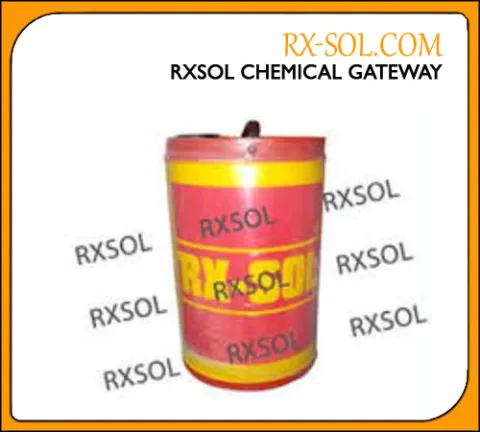
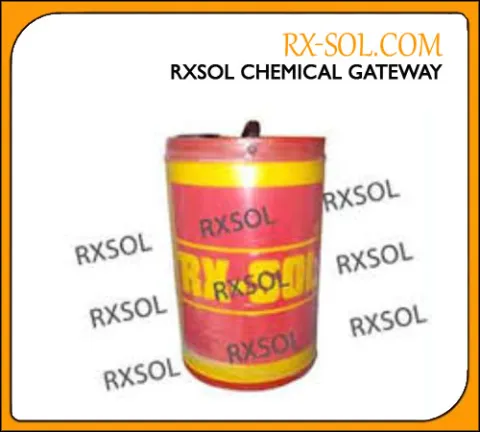
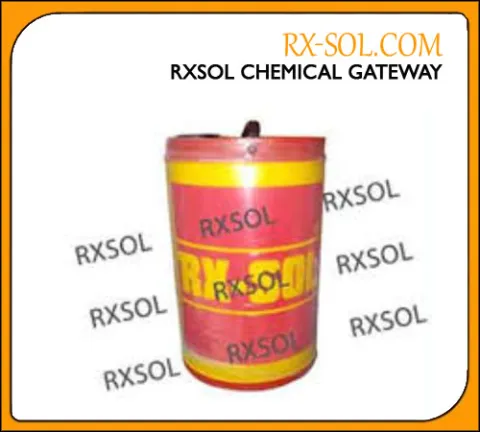
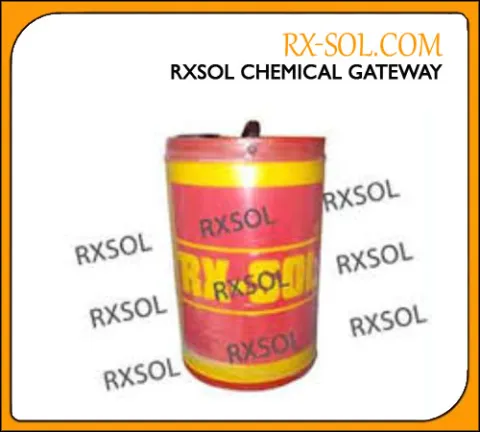
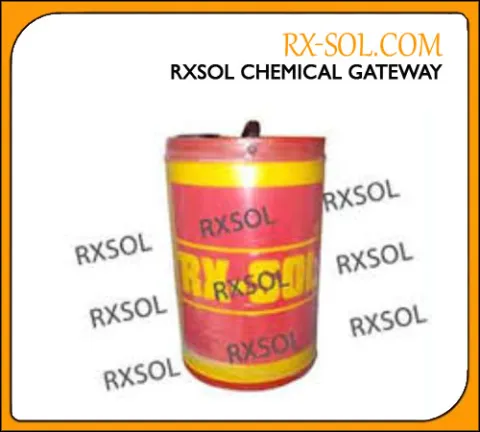
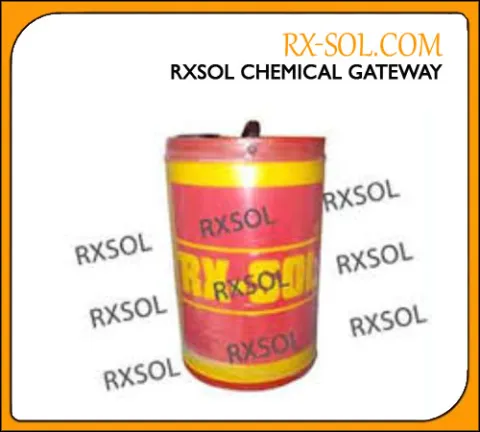
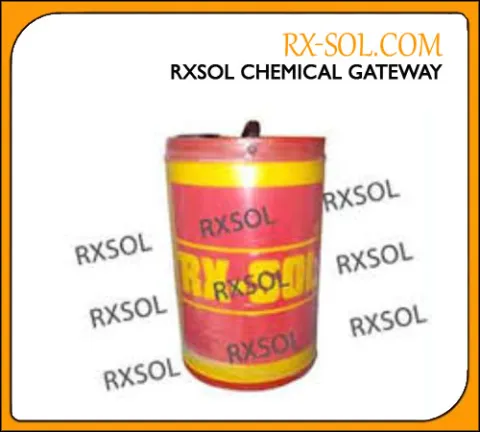
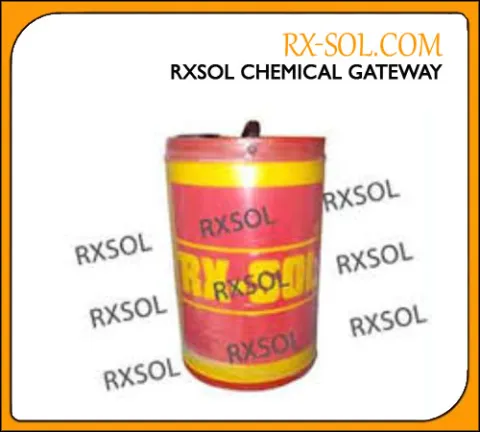
Thermal Energy Fluid
- Part number
- RXSOL-41-8655-025
- Category
- Automobiles
- Brand
- RXSOL
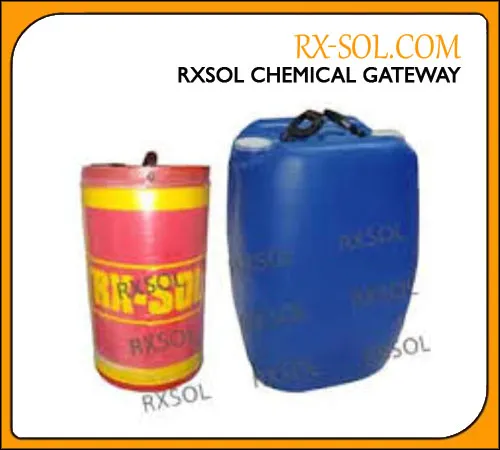
Overview
Thermal Energy Fluid Heat Transfer Solution
Safety and SDS
Read the safety data sheet before handling. Wear suitable gloves and eye protection.
View safety data sheet
| Product Name | Thermal Energy Fluid |
| Product Type | RXSOL-41-8655-025 |
Company Details:
RX MARINE INTERNATIONAL
105, A wing , BSEL , TECH PARK.
VASHI ,NEW BOMBAY 400703 INDIA
Stock Point ::: Mumbai, Kandla, Chennai, Visakhapatnam, Kolkata, Fujairah, Barka - OMAN, NAIROBI
| Phone | +91 22 27815540 / 41 / 42 |
| Fax | +91 22 2781 1318/ 9322594669 |
| rxsolchemicals@gmail.com |
HAZARDOUS INGREDIENTS: OSHA PEL TLV
Propylene Glycol (CAS # 57-55-6) N/E N/E
Proprietory Temperature Resitance Inhibitor ... ...
Physical state: Liquid
Odor: Slight
OSHA/HCS status: While this material is not considered hazardous by the OSHA Hazard Communication Standard (29 CFR 1910.1200), this MSDS contains valuable information critical to the safe handling and proper use of the product. This MSDS should be retained and available for employees and other users of this product.
Emergency overview :
CAUTION!
ASPIRATION HAZARD IF SWALLOWED - CAN ENTER LUNGS AND CAUSE DAMAGE. THIS PRODUCT NOT INTENDED FOR INTERNAL USE.
Aspiration hazard if swallowed. Can enter lungs and cause damage.
INHALATION
Move exposed person to fresh air. Keep person warm and at rest. If not breathing, if breathing is irregular or if respiratory arrest occurs, provide artificial respiration or oxygen by trained personnel. Get medical attention if symptoms occur.
SKIN CONTACT
Flush contaminated skin with plenty of water. Remove contaminated clothing and shoes. Get medical attention if symptoms occur.
EYE CONTACT
Immediately flush eyes with plenty of water, occasionally lifting the upper and lower eyelids. Check for and remove any contact lenses. Continue to rinse for at least 10 minutes. Get medical attention if irritation occurs.
INGESTION
Wash out mouth with water. Move exposed person to fresh air. Aspiration hazard if swallowed. Can enter lungs and cause damage. Do not induce vomiting. Get medical attention. Never give anything by mouth to an unconscious person.
NOTE TO PHYSICIAN
Symptomatic and supportive therapy as needed. Following severe exposure medical follow-up should be monitored for at least 48 hours.
FLAMMABILITY PROPERTIES
Flash Point :212º F
EXTINGUISHING MEDIA
Use an extinguishing agent suitable for the surrounding fire.
FIRE FIGHTING
Fire Fighting Instructions: Fire-fighters should wear appropriate protective equipment and self-contained breathing apparatus (SCBA) with a full face-piece operated in positive pressure mode.
Unusual Fire Hazards: In a fire or if heated, a pressure increase will occur and the container may burst.
Hazardous Combustion Products: Decomposition products may include the following
materials: carbon dioxide and carbon monoxide
Personal precautions :
No action shall be taken involving any personal risk or without suitable training. Evacuate surrounding areas. Keep unnecessary and unprotected personnel from entering. Do not touch or walk through spilled material. Put on appropriate personal protective equipment (see section 8).
Environmental precautions:
Avoid dispersal of spilled material and runoff and contact with soil, waterways, drains and sewers. Inform the relevant authorities if the product has caused environmental pollution (sewers, waterways, soil or air).
Methods for cleaning up :
Stop leak if without risk. Move containers from spill area. Prevent entry into sewers, water courses, basements or confined areas. Wash spillages into an effluent treatment plant or proceed as follows. Contain and collect spillage with non-combustible, absorbent material e.g. sand, earth, vermiculite or diatomaceous earth and place in container for disposal according to local regulations (see section 13). Dispose of via a licensed waste disposal contractor. Note: see section 1 for emergency contact information and section 13 for waste disposal.
Handling:
Put on appropriate personal protective equipment (see section 8). Eating, drinking and smoking should be prohibited in areas where this material is handled, stored and processed. Workers should wash hands and face before eating, drinking and smoking. Do not ingest. Avoid contact with eyes, skin and clothing. Avoid breathing vapor or mist. Keep in the original container or an approved alternative made from a compatible material, kept tightly closed when not in use. Empty containers retain product residue and can be hazardous. Do not reuse container.
Storage:
Store in accordance with local regulations. Store in original container protected from direct sunlight in a dry, cool and well-ventilated area, away from incompatible materials (see section 10) and food and drink. Keep container tightly closed and sealed until ready for use. Containers that have been opened must be carefully resealed and kept upright to prevent leakage. Do not store in unlabeled containers. Use appropriate containment to avoid environmental contamination.
ENGINEERING CONTROLS
Use local exhaust ventilation to maintain airborne concentrations below the TLV. Suitable respiratory equipment should be used in cases of insufficient ventilation or where operational procedures demand it. For guidance on engineering control measures refer to publications such as the ACGIH current edition of 'Industrial Ventilation, a manual of Recommended Practice.
PERSONAL PROTECTION
Respiratory Protection: Use a properly fitted, air-purifying or air-fed respirator complying with an approved standard if a risk assessment indicates this is necessary. Respirator selection must be based on known or anticipated exposure levels, the hazards of the product and the safe working limits of the selected respirator.
Hand Protection: Chemical-resistant, impervious gloves complying with an approved standard should be worn at all times when handling chemical products if a risk assessment indicates this is necessary.
Eye Protection: Safety eyewear complying with an approved standard should be used when a risk assessment indicates this is necessary to avoid exposure to liquid splashes, mists or dusts.
Skin and Body Protection: Personal protective equipment for the body should be selected based on the task being performed and the risks involved and should be approved by a specialist before handling this product.
| Physical State: | Clear Liquid |
| Color: | Colorless |
| Odor: |
Slight Solvent |
|
Specific Gravity: |
1.03 |
|
Freezing Point: |
-30º F |
|
pH: |
9.9 |
|
Solubility inWater: |
Soluble |
Stability and reactivity: The product is stable.
Hazardous polymerization: Under normal conditions of storage and use, hazardous polymerization will not occur.
Hazardous decomposition products: Decomposition products may include the following materials,carbon dioxide and carbon monoxide.
Propylene glycol:
Acute toxicity:
LD50 Oral Rat >5000 mg/kg - LD50 Dermal Rabbit >2000 mg/kg ECTION 12
Environmental effects : No known significant effects or critical hazards.
The generation of waste should be avoided or minimized wherever possible. Empty containers or liners may retain some product residues. This material and its container must be disposed of in a safe way. Dispose of surplus and non-recyclable products via a licensed waste disposal contractor. Disposal of this product, solutions and any byproducts should at all times comply with the requirements of environmental protection and waste disposal legislation and any regional local authority requirements. This material can be recycled.
Do not dispose of on the land, in surface waters, storm drains and sewers. Spills of any quantity should be collected for reuse or consigned to a licensed hazardous waste hauler for disposal in accordance with federal, state and local regulations. All disposal must be in accordance with all federal, state and local regulations.
No restrictions for Ground, Air, or Maritime Transportation in accordance with 49 CFR parts 100-185.
US FEDERAL REGULATIONS
TSCA Status: The intentional components of this product are liste
While this information and recommendations set forth herein are believed to be accurate and reliable, it is provided without warranty regarding its accuracy.
BRIDGEPOINT SYSTEMS MAKES NO WARRANTY WITH RESPECT HERETO AND DISCLAIMS ALL LIABILITY FROM RELIANCE THEREON.
Users must determine safe conditions for use and assume liability for any loss, injury, damage or expense resulting from use of this product.
N/A= Not applicable N/D= Not determined N/E= Not established
Availability
Thermal Energy Fluid Manufacturer and supplier in Mumbai, Kolkata, Chennai, Visakhpatnam, Gandhidham, Surat, Fujairah UAE Middel East, Dubai, Sharjah, Ajman, Abudhabi, Muscat Barka Sohar Oman, Nairobi Kenya Africa, Canada