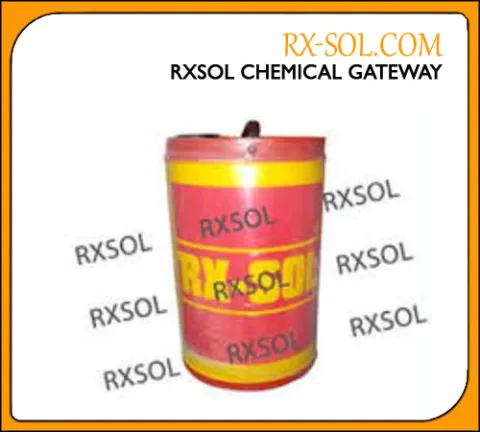
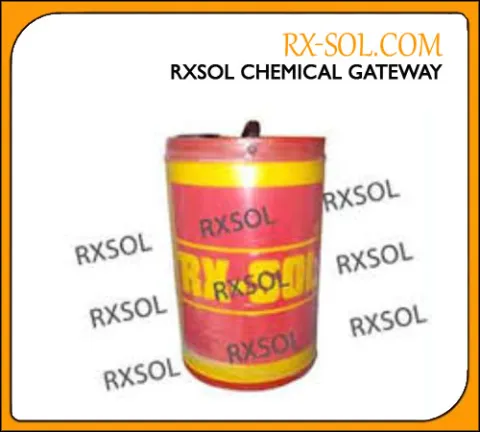
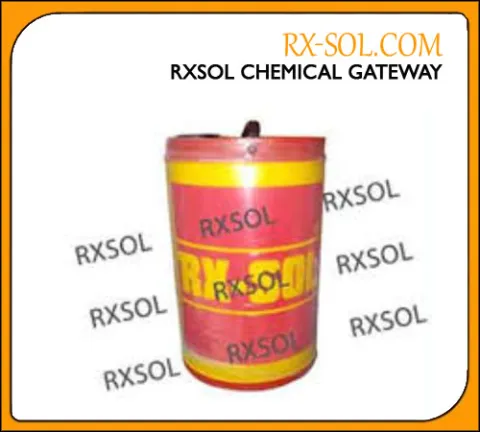
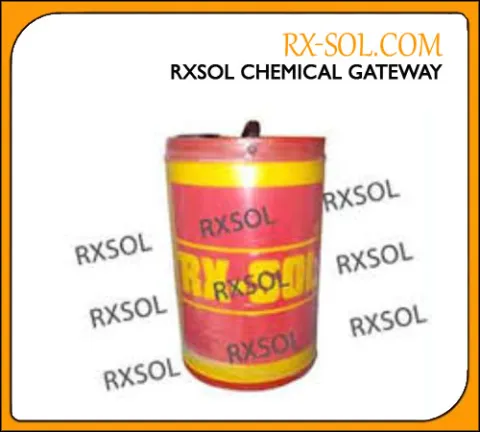
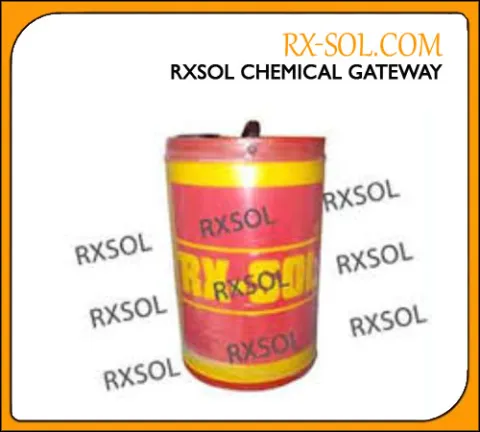
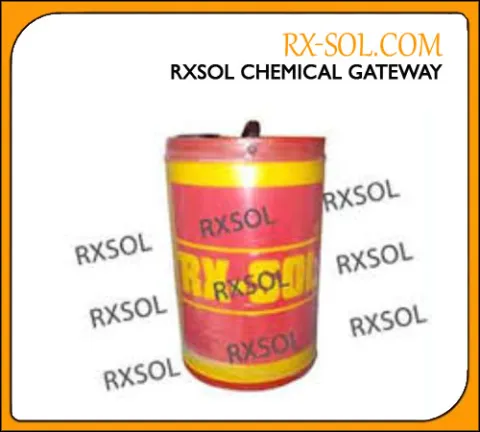
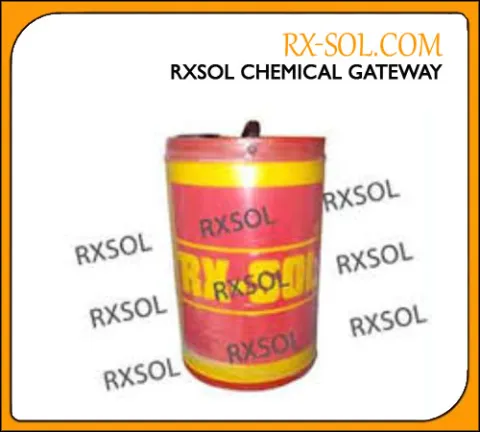
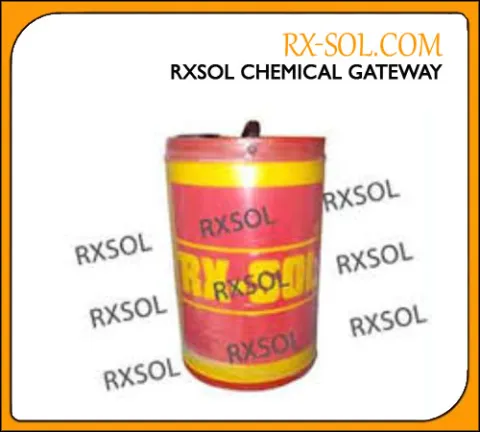
ADHESIVE REMOVER GEL BREAK
- Part number
- RXSOL-41-8730-025
- Category
- Automobiles
- Brand
- RXSOL
Overview
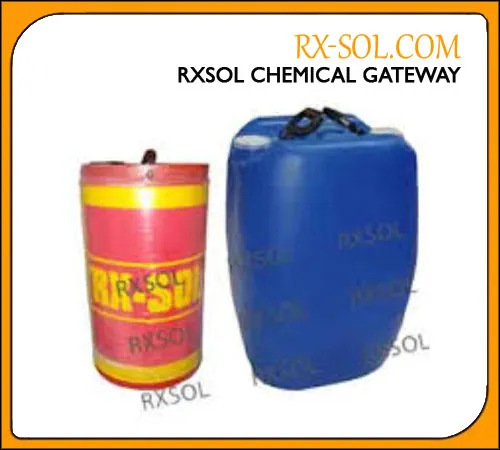
Ready to use Ideal bond breaker of ADHESIVE, which is very effective on a wide range of spots and soily deposited adhesive. Also effective for getting out chewing gum. Gel Break is a citrus gel that is also perfect for grease, oils, wax, crayon and other oil-based spots.
Safety and SDS
Read the safety data sheet before handling. Wear suitable gloves and eye protection.
View safety data sheet
| Product Name |
ADHESIVE REMOVER GEL BREAK |
| Product Type | RXSOL-41-8730-025 |
Company Details:
RX MARINE INTERNATIONAL
105, A wing , BSEL , TECH PARK.
VASHI ,NEW BOMBAY 400703 INDIA
| Phone | +91 22 65113333/ 5555 / 9999 |
| Fax | +91 22 2781 1318 |
| rxsolchemicals@gmail.com |
PRINCIPLE HAZARDOUS INGREDIENTS: TLV OSHA PEL
Glycol Ether DB (CAS # 112-34-5) N/E N/E
DeLimonene (CAS # 5989-27-5) N/E N/E
Route of Entry: Eye, skin contact, ingestion.
Potential Health Effects:
Eye Contact: May cause severe irritation to eyes.
Skin Contact: May cause irritation upon repeated/ prolonged contact Repeated contact causes defatting of the skin.
Inhalation: May cause nose, throat and respiratory tract irritation. Aspiration hazard: breathing product into the lungs during
ingestion or vomiting may cause lung injury or death.
Ingestion: May cause irritation to mouth, esophagus and stomach. May
cause gastric tract disorder and/or damage.
chronic Effects
Carcinogenicity: No ingredients listed IARC or NTP or ACGIC. .
Teratogenicity, The ingredients in this product were found not to be mutagenic
Mutagenicity, when tested by the Ames Assay, (OECD Guidelines for
Reproductive Effects: chemical testing, sec.471).
Skin: Repeated or prolonged exposures to dilutions can cause drying,defatting and dermatitis.
Eye Contact: Immediately flush with water for 15 minutes. Holding eyelids open during flushing. If irritation persists, repeat flushing and obtain medicalattention immediately.
Skin Contact :Immediately flush with water for 15 minutes. Seek medical attention if irritation persists. Remove contaminated clothing and launder before reuse.
Inhalation:Move victim to fresh air. If conscious, have victim take deep, slow breaths. Seek medical attention if symptoms persist.
Ingestion:DO NOT INDUCE VOMITING. Rinse mouth with water, then drink one glass of water. Seek medical attention. Do not give anything tovictim if unconscious or convulsing.
Flammability: Combustible.
Flash Point deg (C,TCC) : 104oF
Means of Extinction: As appropriate for surrounding fire. Use water, dry chemical,
carbon dioxide or foam.
Special Fire Hazards: Fire fighters should wear self-contained breathing apparatus.
Autoignition
temperature:Not applicable.
Flame propagation or
burning rate of solid:Not applicable.
Sensitivity to static
discharge: Not applicable.
Unusual Fire and
Explosion Hazards.None expected. As per surrounding fire.
Hazardous decomposition
products: Oxides of carbon, oxides of nitrogen.
Leak and Spill Procedures:
Before attempting clean up, refer to the hazard date provided above. Small spills may be absorbed with non-reactive absorbent and placed is suitable, covered, labeled container. For large quantities, dispose of in accordance with local, provincial/ state or federal regulations. For large spills prevent from entering sewers and waterways. For large spills provide diking to prevent spreading.
Storage Requirements:
KEEP OUT OF REACH OF CHILDREN. Store in a closed container away from incompatible materials which include acids, oxidizing materials, reducing sugars and Ammonia Salts.
Storage temperature 0º C Ambient to 30º C (must be stored above 0º C at all times).
Transport temperature 0º C Ambient to 30º C (must be stored above 0º C at all times).
Keep container closed. Handle and open container with care. Store in a well ventilated place away from incompatible materials. Do not store near open flame or any potential sources of ignition.
Do not reuse empty containers.
Gloves: Impervious protective gloves.
Eye Protection: Chemical splash goggles.
Respiratory Protection: Not normally required if good ventilation is maintained. If mist is generated during application process, use disposable mist applicator.
Other Protective Equipment:
As required by employer code. Eye bath, safety shower, protective clothing.
Engineering Controls: General ventilation normally required. If ventilation practices are not adequate for minimizing exposure, additional ventilation or exhaust systems may be required.
|
Boiling Point (deg C) |
N/E |
Specific Gravity pound/gal |
7.65 |
Evaporation Rate (water=1): |
similar |
|
% Volatile (Wt%): |
<70 % |
Solubility in water: |
Complete |
pH (as supplied): |
Not applicable |
|
Physical State: |
Liquid |
Viscosity: |
viscous |
||
|
Appearance / Odor: |
Gel with citrus odor |
Conditions for Chemical
Instability: Stable.
Incompatible Materials: Strong oxidizing agents, strong acids.
Hazardous Decomposition Oxides of carbon, Oxides of Nitrogen when heated.
Acute Effects
Orange terpenes have been shown to have low oral toxicity (LD50>5 g/kg) and low dermal toxicity (LD50> 5g/kg) when tested on rabbits. Orange terpenes also showed low toxicity by inhalation (RD50>1 g/kg) when tested on mice. The skin irritancy of limonene in guinea pigs and rabbits is considered moderate and low, respectively. Inhalation may cause irritation of the nose, throat, and respiratory tract.
Acute Toxity for Glycol Ether DB
Oral LD-50:(rat) 7,292 mg/kg
Oral LD-50:(mouse) 2,406 mg/kg
Dermal LD-50: ( rabbit) 2,764 mg/kg
Skin Irritation (rabbit) slight
Skin Irritation (guinea pig) slight
Eye Irritation (rabbit) moderate
Chronic Effects
D-Limonene is not classified as a carcinogen by OSHA, IARC, ACGIH or NTP.
This product has not been shown to produce genetic changes when tested on bacterial or animal cells. This product does not contain known reproductive or developmental toxins. Prolonged or repeated exposure can cause drying or dermatitis of skin. Improper storage and handling may lead to the formation of a possible skin sensitizer.
Prolonged and/or repeated skin contact with low viscosity materials may defat the skin resulting in possible irritation and dermatitis.
Small amounts of liquid aspirated into the lungs during ingestion or from vomiting may cause chemical pneumonitis or pulmonary edema.
Delimonene: Ecotoxicity: There is no information available at this time for D-limonene. However, a spill may produce significant toxicity to aquatic organisms and ecosystems. Sonic studies have shown that certain bacteria and fungi have the ability to degrade terpenes, decreasing their toxicity to fish. When spilled, this product may act as an oil, causing a film, sheen, emulsion or sludge at or beneath the surface of a body of water.
Persistence/Degradability: D-Limonene is expected to be readily biodegradable. Bioaccumulation/Accumulation: No appreciable bioconcentration is expected in the environment.
Mobility in Environment: Orange terpenes volatilize rapidly.
Glycol Ether DB:
Oxygen Demand Data: BOD-5: 250 mg/g COD (Chemical Oxygen Demand):: 2,080 mg/g
Acute Aquatic Effects Data:
24 h LC-50 (goldfish): 2700 mg/L
96 h LC-50 (bluegill sunfish): 1300 mg/L
Do not dispose of on the land, in surface waters, or in storm drains. Small spills and waste may be flushed into a waste treatment sewer where local regulations permit. Larger quantities should be collected for reuse or consigned to a licensed hazardous waste hauler for disposal in accordance with federal, state and local regulations. All disposal must be in accordance with all federal, state and local regulations.
Ground Transportation: Limited quantity exception applies to inner packages of less than 1.3 gallons. Inner packages containing more than 1.3 gallon. must be transported as NA1993; Flammable Liquid, NOS (D-Limonene), Comb Liq, III. Air Transportation: With a vented seal/cap, this item cannot be shipped via air in accordance with CFR 49 173-24(g). Check regulations for international shipments restrictions.
Maritime Transportation: Check regulations for international shipments restrictions.
US FEDERAL REGULATIONS
TSCA Status: The intentional components of this product are listed.
SARA 313 – 40CFR372.65: Glycol Ether DB (CAS # 112-34-5)
CERCLA Reportable Quantities – 40CFR355 APPENDIX A: Yes. Glycol Ether DB
This product has no established regulatory information. All regulatory information given is based on individual components of the mixture by component number. While this information and recommendations set forth herein are believed to be accurate and reliable, it is provided without warranty regarding its accuracy. BRIDGEPOINT SYSTEMS MAKES NO WARRANTY WITH RESPECT HERETO AND DISCLAIMS ALL LIABILITY FROM RELIANCE THEREON. Users must determine safe conditions for use and assume liability for any loss, injury, damage or expense resulting from use of this product.
N/A= Not applicable N/D= Not determined N/E= Not established
Availability
ADHESIVE REMOVER GEL BREAK manufacturer supplier distributor in Mumbai, Kandla, Kolkata, Vizag, Chennai, India, Fujairah, Dubai, Sharjah, UAE, Gulf, Middle East, Muscat Oman, Kenya Africa. Get the best quality of ADHESIVE REMOVER GEL BREAK at a competitive price from us. We have ready stock of ADHESIVE REMOVER GEL BREAK in India, UAE Gulf, Oman, Kenya Africa. Contact us for bulk as well as small orders.