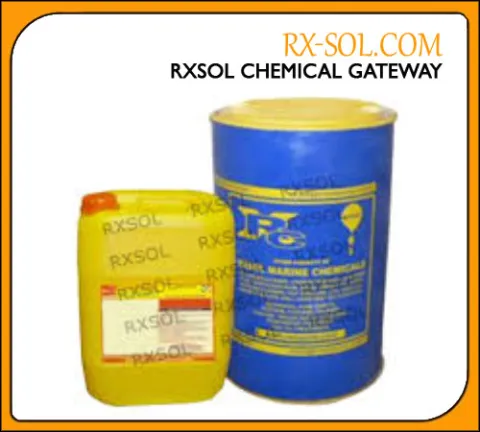
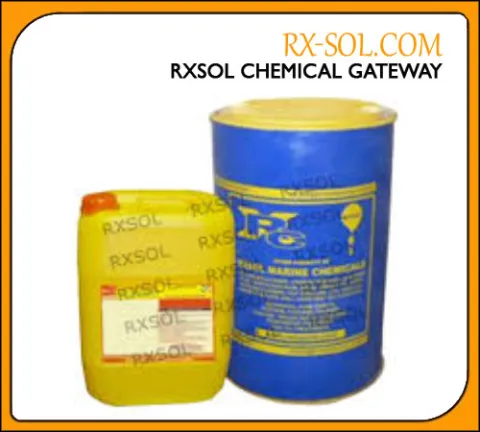
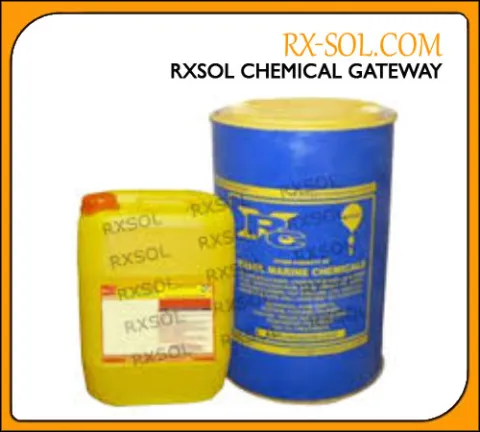
Amyl Alcohol Tert
- Part number
- RXSOL-19-1232-025
- Category
- Solvent Chemicals
- Brand
- RXSOL
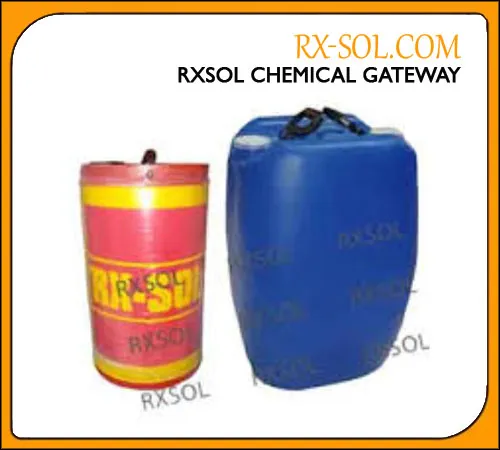
Overview
AMYL ALCOHOL used in the production of amyl acetate and other esters, in the creation of artificial fruit flavors (like banana and pear), and as a solvent in the pharmaceutical and pigment industries.
Applications
| PRODUCT NAME | : | - Amyl Alcohol Tert |
| CAS number | : | - 75-85-4 |
| UN number | : | - 1105 |
| Formula | : | - (CH3)2C(OH)CH2CH3 |
| Odour | : | - CAMPHOR |
| Solubility in water | : | - SLIGHTLY |
| Density | : | - 0.81 at 20 oC |
| Boiling point | : | - 102oC |
| Melting point | : | - -11 oC |
| Viscosity | : | |
| Flashpoint | : | - 21 oC |
| Explosive limits | : | - 1.2 – 8.0 Vol% |
| Vapour pressure | : | - 15 mbar at 20oC |
| Skin absorption/irritation | : | - YES |
| TLV Country | : | |
| Pollution category | : | - III |
Dosage and directions
Characteristics and notes
Safety and SDS
Read the safety data sheet before handling. Wear suitable gloves and eye protection.
View safety data sheet
|
Product Name |
Amyl Alcohol (Tert) |
|
Product Type |
RXSOL-19-1232-025 |
Company Details:
RX MARINE INTERNATIONAL
105, A wing , BSEL , TECH PARK.
VASHI ,NEW BOMBAY 400703 INDIA
| Phone | +91 22 65113333/ 5555 / 9999 / 27611360 / 27815540 |
| Fax | +91 22 2781 1318 :::AOH :0091 9322594669 |
| rxsolchemicals@gmail.com |
Composition:
| Name | CAS # | % by Weight |
| Tert-Amyl Alcohol | 78-85-4 | 100 |
Toxicological Data on Ingredients:
| Tert-Amyl Alcohol: ORAL (LD50): Acute: 1000 mg/kg [Rat]. 2028 mg/kg Rabbit. |
Potential Acute Health Effects:
| Very hazardous in case of inhalation (lung irritant). Hazardous in case of skin contact (irritant), of eye contact (irritant), of ingestion, . |
Potential Chronic Health Effects:
CARCINOGENIC EFFECTS: Not available.
MUTAGENIC EFFECTS: Not available.
TERATOGENIC EFFECTS: Not available.
DEVELOPMENTAL TOXICITY: Not available.
|
The substance is toxic to lungs, cardiovascular system, central nervous system (CNS), eye, lens or cornea. Repeated or prolonged exposure to the substance can produce target organs damage. |
| Eye Contact: |
Check for and remove any contact lenses. Immediately flush eyes with running water for at least 15 minutes, keeping eyelids open. Cold water may be used. Get medical attention. |
| Skin Contact: |
In case of contact, immediately flush skin with plenty of water. Cover the irritated skin with an emollient. Remove contaminated clothing and shoes. Cold water may be used.Wash clothing before reuse. Thoroughly clean shoes before reuse. Get medical attention. |
| Serious Skin Contact: | Wash with a disinfectant soap and cover the contaminated skin with an anti-bacterial cream. Seek immediate medical attention. |
| Inhalation: | If inhaled, remove to fresh air. If not breathing, give artificial respiration. If breathing is difficult, give oxygen. Get medical attention. |
| Serious Inhalation: |
Evacuate the victim to a safe area as soon as possible. Loosen tight clothing such as a collar, tie, belt or waistband. If breathing is difficult, administer oxygen. If the victim is not breathing, perform mouth-to-mouth resuscitation. WARNING: It may be hazardous to the person providing aid to give mouth-to-mouth resuscitation when the inhaled material is toxic, infectious or corrosive. Seek medical attention. |
| Ingestion: |
Do NOT induce vomiting unless directed to do so by medical personnel. Never give anything by mouth to an unconscious person. Loosen tight clothing such as a collar, tie, belt or waistband. Get medical attention if symptoms appear. |
| Serious Ingestion: | Not available. |
| Flammability of the Product: | Flammable. |
| Auto-Ignition Temperature: | 437°C (818.6°F) |
| Flash Points: | CLOSED CUP: 19°C (66.2°F). |
| Flammable Limits: | LOWER: 1.2% UPPER: 9% |
| Products of Combustion: | These products are carbon oxides (CO, CO2). |
| Fire Hazards in Presence of Various Substances: | Flammable in presence of open flames and sparks, of shocks, of heat. |
| Explosion Hazards in Presence of Various Substances: |
Risks of explosion of the product in presence of mechanical impact: Not available. Risks of explosion of the product in presence of static discharge: Not available. |
| Fire Fighting Media and Instructions: |
Flammable liquid, soluble or dispersed in water. SMALL FIRE: Use DRY chemical powder. LARGE FIRE: Use alcohol foam, water spray or fog. |
| Special Remarks on Fire Hazards: | Not available. |
| Special Remarks on Explosion Hazards: | Decomposition of tert Penty Alcohol by Hydrogen Sulfide is explosively violent. |
|
Small Spill: Absorb with an inert material and put the spilled material in an appropriate waste disposal. Large Spill: Flammable liquid. Keep away from heat. Keep away from sources of ignition. Stop leak if without risk. Absorb with DRY earth,sand or other non-combustible material. Do not touch spilled material. Prevent entry into sewers, basements or confined areas; dike if needed. |
|
Precautions: Keep locked up.. Keep away from heat. Keep away from sources of ignition. Ground all equipment containing material. Do not ingest. Do not breathe gas/fumes/ vapor/spray. Wear suitable protective clothing. In case of insufficient ventilation, wear suitable respiratory equipment. If ingested, seek medical advice immediately and show the container or the label. Avoid contact with skin and eyes. Keep away from incompatibles such as oxidizing agents, acids. Storage: Store in a segregated and approved area. Keep container in a cool, well-ventilated area. Keep container tightly closed and sealed until ready for use. Avoid all possible sources of ignition (spark or flame). |
| Engineering Controls: | Provide exhaust ventilation or other engineering controls to keep the airborne concentrations of vapors below their respective threshold limit value. Ensure that eyewash stations and safety showers are proximal to the work-station location. |
| Personal Protection: | Splash goggles. Lab coat. Vapor respirator. Be sure to use an approved/certified respirator or equivalent. Gloves. |
| Personal Protection in Case of a Large Spill: | Splash goggles. Full suit. Vapor respirator. Boots. Gloves. A self contained breathing apparatus should be used to avoid inhalation of the product. Suggested protective clothing might not be sufficient; consult a specialist BEFORE handling this product. |
| Exposure Limits: | Not available. |
| Physical state and appearance: | Liquid. |
| Odor: | Pungent. Unpleasant. |
| Taste: | |
| Molecular Weight: | |
| Color: | Clear Colorless. |
| pH (1% soln/water): | Not available. |
| Boiling Point: | 137.5°C (279.5°F) |
| Melting Point: | -79°C (-110.2°F) |
| Critical Temperature: | 313°C (595.4°F) |
| Specific Gravity: | 0.8146 (Water = 1) |
| Vapor Pressure: | 0.4 kPa (@ 20°C) |
| Vapor Density: | 3 (Air = 1) |
| Volatility: | 100% (w/w). |
| Odor Threshold: | 0.1 ppm |
| Water/Oil Dist. Coeff.: | Not available. |
| Ionicity (in Water): | Not available. |
| Dispersion Properties: | See solubility in water, acetone. |
| Solubility: |
Soluble in acetone. Partially soluble in cold water, hot water Solubility in water: 2.7 g/100 ml @ 22 deg. C. Miscible with alcohol, ether, and most organic solvents |
| Stability: | The product is stable. |
| Instability Temperature: | Not available. |
| Conditions of Instability: | Heat, ignition sources (flames, sparks), incompatible materials |
| Incompatibility with various substances: | Reactive with oxidizing agents, acids. |
| Corrosivity: | Not available. |
| Special Remarks on Reactivity: | Incompatible with hydrogen trisulfide, strong inorganic acids. |
| Special Remarks on Corrosivity: | Not available. |
| Polymerization: | Will not occur. |
| Routes of Entry: | Absorbed through skin. Eye contact. Inhalation. Ingestion. |
| Toxicity to Animals: |
WARNING: THE LC50 VALUES HEREUNDER ARE ESTIMATED ON THE BASIS OF A 4-HOUR EXPOSURE. Acute oral toxicity (LD50): 3030 mg/kg [Rat (The Merck Index)]. Acute dermal toxicity (LD50): 2306 mg/kg [Rabbit]. Acute toxicity of the vapor (LC50): 14000 mg/m 6 hours [Mouse]. 3 |
| Chronic Effects on Humans: |
MUTAGENIC EFFECTS: Mutagenic for bacteria and/or yeast. |
| Other Toxic Effects on Humans: | Hazardous in case of skin contact (irritant), of ingestion, of inhalation. Slightly hazardous in case of skin contact (permeator). |
| Special Remarks on Toxicity to Animals: |
Lowest Published Lethal Dose: LCL [Rat, Mouse] - Route: Inhalation; Dose: 14000 mg/m3 for 6 hours. Lethal Dose/Conc 50% |
| Special Remarks on Chronic Effects on Humans: |
Not available. |
| Special Remarks on other Toxic Effects on Humans: |
Acute Potential Health Effects: Skin: Causes moderate to severe eye irritation. It can be absorbed through the skin and cause systemic (liver, kidney) effects. Eyes: Causes moderate to severe eye irritation. Inhalation: Causes respiratory tract irritation, stinging sensation of the eyes producing lacrimation, hyperemia of the conjunctivia without significant corneal injury,nasal discomfort and discharge, chest pain, nausea, vomiting. Inhalation of high concentrations of vapor can also affect the brain, behavior/central nervous system/nervous system, cardiovascular system, vision, respiration, liver, kidneys, and cause vertigo, delirium, ataxia, sedation, dizziness, drowsiness, giddiness, lightheadedness, headache, spastic paralysis, dyspnea,coughing, acute pulmonary edema, respiratory depression, hypotension, cardiac dysrhythmias, double vision, deafness, acute renal failure, acute tubular necrosis. Ingestion: Causes gastrointestinal tract irritation with nausea, vomiting, diarrhea. Can affect behavior/central nervous system/nervous system (symptoms similar to acute inhalation), liver, kidneys (abnormal renal function, glycosuria, myoglobinuria, acute renal failure, acute tubular necrosis). Chronic Potential Health Effects: Prolonged or repeated inhalation may result in pulmonary edema and kidney injury. Other effects of overexposure are currently unknown. |
| Ecotoxicity: | Ecotoxicity in water (LC50): 370 mg/l 96 hours [Fish (Trout)]. |
| BOD5 and COD: | Not available. |
| Products of Biodegradation: | Possibly hazardous short term degradation products are not likely. However, long term degradation products may arise. |
| Toxicity of the Products of Biodegradation: | The products of degradation are less toxic than the product itself. |
| Special Remarks on the Products of Biodegradation: | Not available. |
Waste Disposal:
Waste must be disposed of in accordance with federal, state and local environmental control regulations.
DOT Classification: CLASS 3: Flammable liquid.
Identification: : Pentanols UNNA: 1105 PG: III
Special Provisions for Transport: Not available.
Federal and State Regulations:
Rhode Island RTK hazardous substances: n-Amyl alcohol Pennsylvania RTK: n-Amyl alcohol Massachusetts RTK: n-Amyl alcohol Massachusetts
spill list: n-Amyl alcohol New Jersey: n-Amyl alcohol TSCA 8(b) inventory: n-Amyl alcohol
|
Other Regulations: OSHA: Hazardous by definition of Hazard Communication Standard (29 CFR 1910.1200). EINECS: This product is on the European Inventory of Existing Commercial Chemical Substances. |
Other Classifications:
WHMIS (Canada):
CLASS B-2: Flammable liquid with a flash point lower than 37.8°C (100°F).
HMIS (U.S.A.):
Health Hazard: 2
Fire Hazard: 3
Reactivity: 0
Personal Protection: h
National Fire Protection Association (U.S.A.):
Health:
Flammability: 3
Reactivity: 0
Specific hazard:
|
Protective Equipment: Gloves. Lab coat. Vapor respirator. Be sure to use an approved/certified respirator or equivalent. Wear appropriate respirator when ventilation is inadequate. Splash goggles. |
| The data given here is based on current knowledge and experience. This Safety Data Sheet describes the product in terms of safety requirements and does not signify any warranty with regard to the product's properties The data given here only applies when product used for proper application(s). The product is not sold as suitable for other applications usage in such may cause risks not mentioned in this sheet. Do not use for other application(s) without seeking advice from manufacturer. |
Availability
Amyl Alcohol (Tert) manufacturer supplier distributor in Mumbai, Kandla, Kolkata, Vizag, Chennai, India, Fujairah, Dubai UAE, Muscat Oman, Kenya Africa. Get the best quality of Amyl Alcohol (Tert) at a competitive price from us. We have ready stock of Amyl Alcohol (Tert) in India, UAE Gulf, Oman, Kenya Africa. Contact us for bulk as well as small orders.