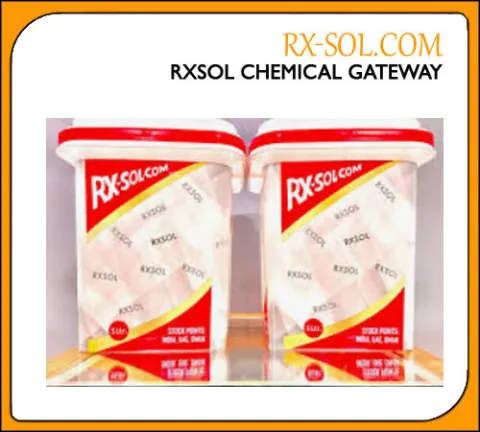
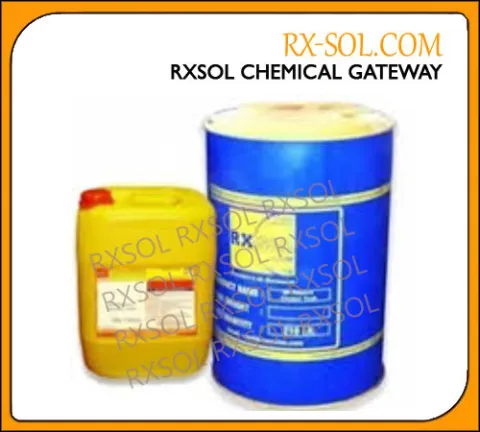
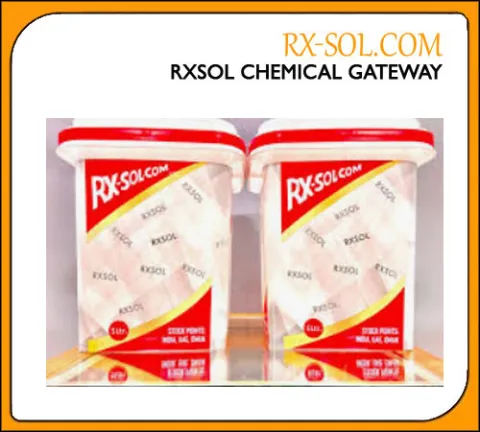
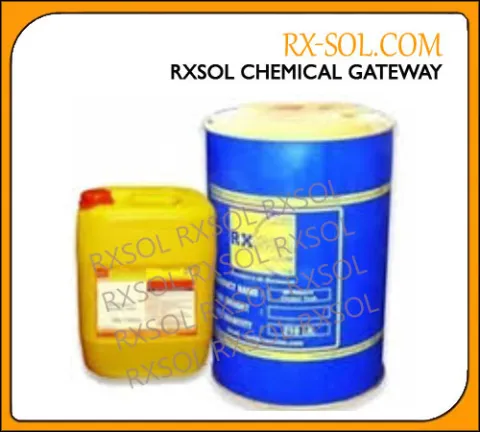
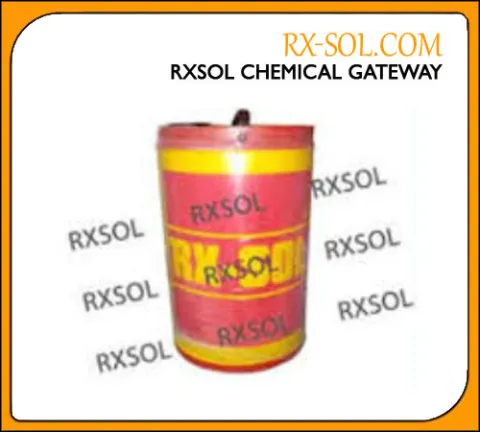
Battery Acid 20 Ltrs
- Part number
- RXSOL-15-1103-020
- Category
- House / HOTEL & CATERING
- Brand
- RXSOL
Overview
It has a high electrical conductivity ( measures a material's ability to conduct an electric current ) , caused by dissociation through protonating itself, a process known as autoprotolysis
Led - ACID Battery Grade concentration,
Iorn content -less then 10 PPM
Chloride - Nil
Applications
MECHANISM OF OUR PURE BATTERY ACID : ( PURITY OF MATERIALS PLAYS THESE ELECTROCHEMICAL REACTION ) ----
CREATION :
A traditional lead-acid cell, when created, has both of its terminals connected to plates of an identical material: lead. This is a little counterintuitive given that most batteries rely on different metals' potential when immersed in an electrolyte. Since there is no potential between the plates themselves, and because lead is not dissolved by sulfuric acid, the cell is stable. The created battery has no charge, and no polarity.
Anode Reaction: None.
Cathode Reaction: None.
INITIAL CHARGE :
Initial charging establishes which plate will be the anode, and which the cathode. The process is driven by the forcible removal of electrons from the cathode and the forcible introduction of them to the cathode. This splits the water into Hydrogen (which bubbles and is drawn off) and Oxygen, which binds with the lead on the cathode, producing lead (II) oxide.
Anode Reaction: 2H+(aq) + 2e− → H2(g)Cathode Reaction: Pb(s) + 2H2O(l) → PbO2(s) + 2H+(aq) + 2e−
DISCHARGE :
During discharge, both plates are again returned to equal composition, but this time both plates become lead sulfate. The process is driven by the conduction of electrons from the cathode back into the cell at the anode.
-
Anode Reaction: Pb(s) + HSO−
4(aq) → PbSO4(s) + H+(aq) + 2e− -
Cathode Reaction: PbO2(s) + HSO−
4(aq) + 3H+(aq) + 2e− → PbSO4(s) + 2H2O(l)
RECHARGING :
Subsequent charging places the battery back in its charged state, changing the lead sulfates into lead and lead oxides. The process is driven by the forcible removal of electrons from the anode and the forcible introduction of them to the cathode.
-
Anode Reaction: PbSO4(s) + H+(aq) + 2e− → Pb(s) + HSO−
4(aq) -
Cathode Reaction: PbSO4(s) + 2H2O(l) → PbO2(s) + HSO−
4(aq) + 3H+(aq) + 2e−
Dosage and directions
Depends up on ELECTROCHEMICAL REACTION rate .
Measuring the charge level
A hydrometer can be used to test the specific gravity of each cell as a measure of its state of charge. Because the electrolyte takes part in the charge-discharge reaction, this battery has one major advantage over other chemistries. It is relatively simple to determine the state of charge by merely measuring the specifice gravity ( S.G) of the electrolyte, the S.G. falling as the battery discharges. Some battery designs include a simple hydrometer using colored floating balls of differing density , When used in diesel-electric submarines , the S.G. was regularly measured and written on a blackboard in the control room to indicate how much longer the boat could remain submerged.
PRECAUTION / LIMITATION / SOLUTION :
Lead-acid batteries lose the ability to hold a charge when discharged for too long due to sulfation, the crystallization of lead sulfate . They generate electricity through a double sulfate chemical reaction. lead and lead ( IV ) oxide, which are the active materials on the battery's plates, react with BATTERY ACID in the electrolyte to form lead sulfate . The lead sulfate first forms in a finely divided, amorphous state, and easily reverts to lead, lead oxide and sulfuric acid when the battery recharges. As batteries cycle through numerous discharge and charges, the lead sulfate slowly converts to a stable crystalline form that no longer dissolves on recharging. Thus, not all the lead is returned to the battery plates, and the amount of usable active material necessary for electricity generation declines over time.
Sulfation occurs in all lead-acid batteries during normal operation. It clogs the grids, impedes recharging and ultimately expands, cracking the plates and destroying the battery. In addition, the sulfate portion (of the lead sulfate) is not returned to the electrolyte as sulfuric acid. The large crystals physically block the electrolyte from entering the pores of the plates. Sulfation can be avoided if the battery is fully recharged immediately after a discharge cycle.
Sulfation also affects the charging cycle, resulting in longer charging times, less efficient and incomplete charging, and higher battery temperatures.
The process can often be at least partially prevented and/or reversed by a desulfation technique called pulse conditioning, in which short but powerful current surges are repeatedly sent through the damaged battery. Over time, this procedure tends to break down and dissolve the sulfate crystals, restoring some capacity.
Higher temperature speeds both desulfation and sulfation, although too much heat damages the battery by accelerating corrosion
Characteristics and notes
Presence of CHLORIDE and other impurities in solution immediately damage ELECTROCHEMICAL REACTION of BATTERY , which may result poor performance.
Safety and SDS
Read the safety data sheet before handling. Wear suitable gloves and eye protection.
View safety data sheet
| Product Name |
Battery Acid 20 LTR |
| Product Type | RXSOL-15-1103-020 Batteries Liquid (Electrolyte) for vehicle |
Company Details:
RX MARINE INTERNATIONAL
105, A wing , BSEL , TECH PARK.
VASHI ,NEW BOMBAY 400703 INDIA
| Phone | +91 22 65113333/ 5555 / 9999 / 27611360 / 27815540 |
| Fax | +91 22 2781 1318 :::AOH :0091 9322594669 |
| rxsolchemicals@gmail.com |
| Hazardous Ingredients |
Sulphuric Acid D.I.Water |
38-48% 52-62% |
| CAS Number | Sulphuric Acid | 7664-93-9 |
| Other Ingrident | Not classified as hazardous | |
| Synonym (s) | Battery electrolyte, battery fluid, fertilizer acid, electrolyte acid, hydrogen sulfate, oil of vitriol, spirit of sulphur. | |
| Inhalation | Mists and vapours are corrosive and can cause sever irritation and damage to mouth, nose, lungs, and throat. Exposure symptoms are from coughing, sneezing, tickling sensations in nose and throat to larngealaedma, bronchitis,and pulmonary edema. Prolonged exposure can result in erosion and discoloration of teeth, chronic irritation of the nose eyes throat and respiratory tract. |
| Skin Contact / Absorption | Severe irritation and burns to all human tissue. Repeated skin contact may cause dermatitis. |
| Eye Contact | Contact with even small amounts can result in severe damage (corneal burns and/or necrosis and conjunctivitis) which may result in sight loss. Dilute solution of sulphuric acid may produce temporary effects from which recovery is possible. |
| Ingestion | Severe irritation or burning of the mouth, throat, and stomach walls. May be fatal. Prolonged exposure can result in erosion and discoloration of teeth, chronic irritation of the nose eyes throat and respiratory tract. |
| Exposure Limits |
ACGIH: 1mg/m3; 3mg/m3 NIOSH: TWA = 1mg/m3; IDLH = 15mg/m3 OSHA: TWA = 1mg/m3 |
| Inhalation | Remove victim to fresh air. Give artificial respiration only if breathing has stopped. If breathing is difficult, give oxygen. Seek immediate medical attention. |
| Skin Contact / Absorption | Remove contaminated clothing. Wash affected area with soap and water. Seek medical attention if irritation occurs or persists |
| Eye Contact | Flush immediately with water for at least 15 minutes. Forcibly hold eyelids apart to ensure complete irrigation of eye tissue. Seek immediate medical attention |
| Ingestion | Do not induce vomiting. If vomiting occurs, lean victim forward to prevent breathing in vomitus. Give large amounts of water. Do not give anything by mouth to an unconscious or convulsing person. Seek immediate medical attention. |
| Additional Information | Medical conditions that may be aggravated by exposure include asthma, bronchitis, emphysema, and other lung diseases, chronic nose, sinus or throat conditions. In the event of skin, eye contact, rapid and thorough flushing is essential. |
| Conditions of Flammability: | Non-flammable |
| Means of Extinction: | Product does not burn. Do not add water to the acid. Use dry chemical to extinguish the surrounding fire. |
| Flash Point: | Not applicable. |
| Auto-ignition Temperature: | Not applicable |
| Upper Flammable Limit | Not applicable |
| Lower Flammable Limit | Not applicable |
| Hazardous Combustible Products | Sulphur dioxide, sulphur trioxide, sulphuric acid fumes. |
| Special Fire Fighting Procedures | Wear NIOSH-approved self-contained breathing apparatus and protective clothing. |
| Explosion Hazards | Evolution of explosive hydrogen gas con contact with most metals. May ignite combustible material. Not sensitive to mechanical impact or static discharge |
| Leak /Spill | Wear appropriate personal protective equipment. Ventilate area. Stop or reduce leak if safe to do so. Prevent material from entering sewers. |
| Deactivating Materials | Lime, limestone, sodium carbonate (soda ash), sodium bicarbonate, dilute sodium hydroxide. |
| Handling Procedures | Use proper equipment for lifting and transporting all containers. Use sensible industrial hygiene and housekeeping practices. Wash thoroughly after handling. Avoid all situations that could lead to harmful exposure. |
| Storage Requirements | Store in a cool, dry, well-ventilated place. Keep container tightly closed and away from incompatible materials. |
| Protective Equipment | |
| Eyes | Chemical goggles, full-face shield, or a full-face respirator is to be worn at all times when product is handled. Contact lenses should not be worn; they may contribute to severe eye injury. |
| Respiratory | Use NIOSH-approved respirator-full facepiece with cartridges (acid-gas and mists) or self-contained breathing apparatus. |
| Gloves | Impervious gloves of chemically resistant material (rubber or PVC) should be worn at all times. Wash contaminated clothing and dry thoroughly before reuse. |
| Clothing | Body suits, aprons, and/or coveralls of chemical resistant material should be worn at all times. Wash contaminated clothing and dry thoroughly before reuse. |
| Footwear | Impervious boots of chemically resistant material should be worn at all times. |
| Engineering Controls | |
| Ventilation Requirements | Mechanical ventilation (dilution or local exhaust), process or personnel enclosure and control of process conditions should be provided. Supply sufficient replacement air to make up for air removed by exhaust systems. |
| Other | Emergency shower and eyewash should be in close proximity. |
| Physical State | Liquid |
| Odor and Appearance | Clear colorless liquid. No odour. |
| Odor Threshold | 1.0 mg/m3 measured as mist |
| Specific Gravity (Water=1) | ~ 1.25 - 1.26 at 20oC |
| Vapor Pressure (mm Hg, 20C) | 2.952 at 35.4% (0oC) |
| Vapor Density (Air=1) | 3.4 |
| Evaporation Rate | Not available |
| Boiling Point | ~ 110oC |
| Freeze/Melting Point | ~ -60oC (36%) |
| pH | 1 (5% w/w) |
| Water/Oil Distribution Coefficient | Not available |
| Bulk Density | Not applicable |
| % Volatiles by Volume | Not applicable |
| Solubility in Water | Miscible in water, liberates much heat |
| Molecular Formula | H2SO4 |
| Molecular Weight | 98.08 |
| Stability | Stable under normal conditions. |
| Incompatibility | Highly reactive with materials such as metals, metal oxides, hydroxides, nitrates, amines, carbonates, and other alkaline materials. |
| Hazardous Products of Decomposition | Toxic fumes of oxides of sulfur when heated to decomposition. Will react with water or steam to produce toxic and corrosive fumes. Reacts with carbonates to generate carbon dioxide gas, and with cyanides and sulfides to form poisonous hydrogen cyanide and hydrogen sulfide respectively. |
| Polymerization | Will not occur. |
| Irritancy | Severe irritant. Skin and eye irritant. |
| Sensitization | Not available |
| Chronic/Acute Effects | Not available |
| Synergistic Materials | Not available |
| Animal Toxicity Data |
LD50 (Oral, Rat)= 2140mg/kg LC50 (Inhalation, Rat)= 510mg/m3 |
| Carcinogenicity | IARC has classified "strong inorganic acid mists containing sulfuric acid" as a known human carcinogen, (IARC category 1). This classification applies only to mists containing sulfuric acid and not to sulfuric acid or sulfuric acid solutions. |
| Reproductive Toxicity | Investigated as a reproductive effector |
| Teratogenicity | Not available |
| Mutagenicity | Investigated as a mutagen |
| Fish Toxicity |
LC50 Flounder (48 hr, aerated water) = 100 to 330mg/L Conditions of bioassay not specified; |
| Biodegradability | Not available |
| Environmental Effects | When released into the soil, this material may leach into groundwater. When released into the air, this material may be removed from the atmosphere to a moderate extent by wet deposition. When released into the air, this material may be removed from the atmosphere to a moderate extent by dry deposition |
| Waste Disposal: | Dispose in accordance with all federal, provincial, and/or local regulations. |
| GROUND – US-DOT/CAN-TDG/EU-ADR/APEC-ADR: | |||
| Proper Shipping Name | Batteries, Wet, Filled with Acid | ||
| Hazard Class | 8 | ID Number | UN2794 |
| Packing Group | III | Labels | Corrosive |
| AIRCRAFT – ICAO-IATA: | |||
| Proper Shipping Name | Batteries, Wet, Filled with Acid | ||
| Hazard Class | 8 | ID Number | UN2794 |
| Packing Group | III | Labels | Corrosive |
| Reference IATA packing instructions 870 | |||
| VESSEL – IMO-IMDG: | |||
| Proper Shipping Name | Batteries, Wet, Filled with Acid | ||
| Hazard Class | 8 | ID Number | UN2794 |
| Packing Group | III | Labels | Corrosive |
Classified as hazardous according to the criteria of NOHSC, Schedule 6 poison according to SUSDP, Class 8 according to ADG
| R-phrases: | R35 Causes severe burns, and R41 Risk of Serious damage to eyes. |
| S-phrases: |
S2 Keep out of reach of children. S26 In case of contact with eyes, rinse immediately with plenty of water and seek medical advice. S30 Never add water to this product. S37/39 Wear suitable gloves and eye/face protection. |
The information above is believed to be accurate and represents the best information currently available to us. However, we make no warranty of merchantability or any other warranty, express or implied, with respect to such information, and we assume no liability resulting from its use. Users should make their own investigations to determine the suitability of the information for their particular purposes. In no event shall Rx Marine International be liable for any claims, losses, or damages of any third party or for lost profits or any special, indirect, incidental, consequential or exemplary damages, howsoever arising, even if Rx Marine International has been advised of the possibility of such damages.
DISCLAIMER OF LIABILITY :The information in this SDS was obtained from sources which we believe are reliable. However, the information is provided without any warranty, express or implied, regarding its correctness. The conditions or methods of handling, storage, use or disposal of the product are beyond our control and may be beyond our knowledge. For this and other reasons, we do not assume responsibility and expressly disclaim liability for loss, damage or expense arising out of or in any way connected with the handling, storage, use or disposal of the product. This MSDS was prepared and is to be used only for this product. If the product is used as a component in another product, this MSDS information may not be applicable.
Availability
Battery Acid manufacturer supplier distributor in Mumbai, Kandla, Kolkata, Vizag, Chennai, India, Fujairah, Dubai UAE, Muscat Oman, Kenya Africa. Get the best quality of Battery Acid at a competitive price from us. We have ready stock of Battery Acid in India, UAE Gulf, Oman, Kenya Africa. Contact us for bulk as well as small orders.