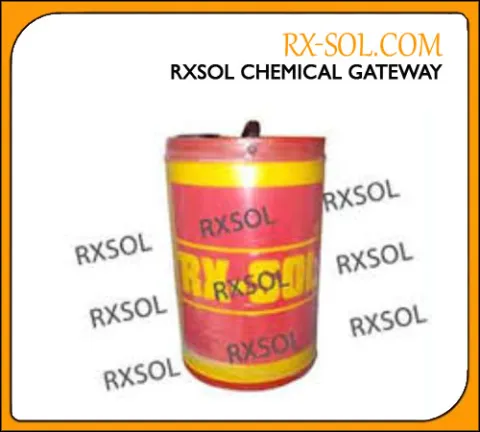
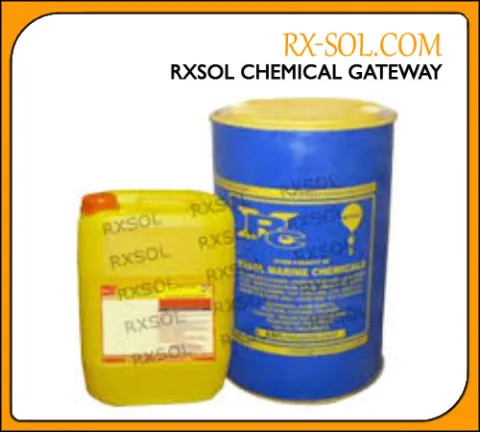
Bitumen Emulsifiers
- Part number
- RXSOL-90-9009-025
- Category
- Asphalt Release / Products
- Brand
- RXSOL
Overview
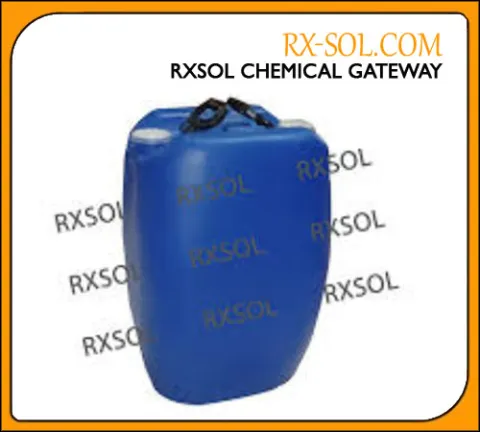
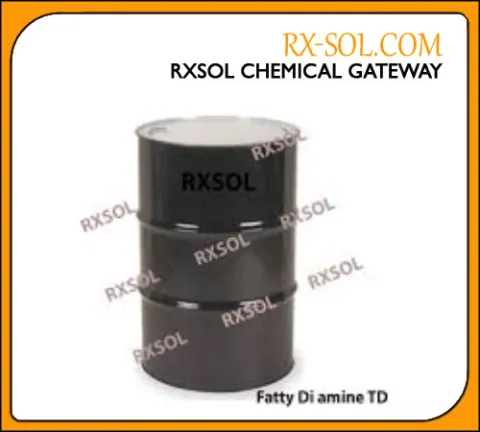
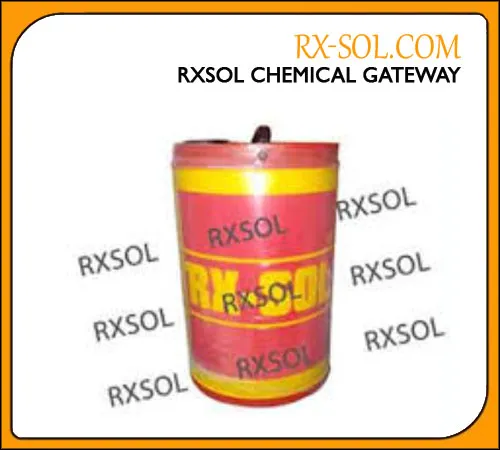
RXSOL-90-9009-025 is unique and highly effective emulsifier for all grades of BITUMEN and Asphalt. It enhance viscocity as well as stability of emulsion upto 5 years in normal temperature and pressure codition. Bitumen emulsion is a versatile material that can be used in a wide range of applications for road construction and maintenance.
Technical specifications
| S.N | Test | specification | Result |
| 1 | Appearance | white to Pale | complies |
| 2 | % Diamine | >90 | 91.1 |
| 3 | % Moisture | 1% max | 0.79 |
| 4 | Total Amine VALUE | 320-345 | 329 |
| 5 | Iodine Value | 32-55 |
34.2 |
Applications
Viscosity of emulsion, helping to meet standard parameter and also reduce emulsion run-off in open graded mixes as well as helps to use in slop area. Higher viscocity emulsion freely can be added to the water phase or to the finished emulsion typically at levels of 0.02–0.20 %. Thickeners may affect the breaking and adhesion of emulsions and must be chosen with care.
Safety and SDS
Read the safety data sheet before handling. Wear suitable gloves and eye protection.
View safety data sheet
| Product Name | Bitumen Emulsifiers |
| Product Type | RXSOL-90-9009-025 |
Company Details:
RX MARINE INTERNATIONAL
105, A wing , BSEL , TECH PARK.
VASHI ,NEW BOMBAY 400703 INDIA
Stock Point : Mumbai, Kolkata, Chennai, Gandhidham, Visakhapatnam, Fujairah, Muscat, Kenya, Canada
| Phone | +91 22 27815541 / 42 |
| Fax | +91 22 2781 1318 :::AOH :0091 9821214367 |
| rxsolchemicals@gmail.com |
Chemical Nature: Penetration grade asphalt is the major fraction of the emulsion and is not classified as hazardous substance. The process of dispersion of the asphalt into water does not alter the classification.
Dangerous Components: In terms of the Hazardous Subsistence Act 1973 (Act 15 of 1973) bitumen which is the major fraction of an emulsion is declared to be hazardous in terms of Group 2 hazardous substances
Other Information: Emulsions are prepared by mixing or milling bitumen, water and emulsifier Chemicals to ensure that performance criteria are met. This process does not affect the classification or handling information given elsewhere in the Material Data Sheet
Effects of Overexposure:
Hydrogen Sulphide may accumulate in the head space of containers. Prolonged exposure to vapor concentrations above the recommended exposure standard may cause irritation of the skin, eyes and upper respiratory tract.
Emergency Response Data:
This product is not classified as hazardous under dot regulations
| Eye Contact |
Immediately flush eyes with large amounts of water and seek medical attention. IF material is hot, treat for thermal burns and take victim to hospital immediately. |
|
Skin Contact: |
If material is hot, submerge injured area in cold water. If victim is severely burned, remove to a hospital immediately. If cool asphalt contacts skin, wish the area with hot soapy water. use of a waterless hand cleaner will help to remove the asphalt |
|
Inhalation: |
Remove individual to fresh air. If irritation persists, administer oxygen and seek medical attention |
|
Ingestion |
Do not induce vomiting. Seek medical attention |
Extinguishing media:
Carbon Dioxide, foam, dry chemical.
Special fire-fighting procedures:
Water may be ineffective but can be used to cool containers exposed to heat or flame. Caution should be exercised when using water or foam as frothing may occur, especially if sprayed into containers of hot, burning liquid.
Special protective equipment: For fires in enclosed areas, fire fighters must use self-contained breathing apparatus.
Unusual fire and explosion hazards:
Flash Point °C: NA,
Flammable limits - LEL: NA, UEL: NA.
NFPA hazard ID:
Health: 1
Flammability: 0
Reactivity: 0
Hazardous decomposition products:
carbon monoxide, carbon dioxide and other oxides
Notification procedures: Report spills as required to appropriate authorities.
Procedures if material is released or spilled: Contain spill immediately. Remove all sources of ignition. Absorb with appropriate inert material such as sand, clay, etch large spills may be picked up using vacuum pumps, shovels, buckets or other means and placed in drums or other suitable containers.
Environmental precautions: Do not allow spill to enter sewers or watercourses
Personal precautions: See Section 10
Handling: When handling product in drums, safety footwear should be worn
Storage: Store in closed containers away from heat, sparks, open flame, or oxidizing materials. Fire extinguishers should be kept readily available. See NFPA 30 and OSHA 1910.106 flammable and combustible liquids
Ventilation: If vapor or mist is generated when the material is heated or handled, adequate ventilation in accordance with good engineering practice must be provided to maintain concentrations below the specified exposure or flammable limits
Respiratory protection: respiratory protection is not required under conditions of normal use. If vapor or mist is generated when the material is heated or handled or fumes exceed 5 mg3/M use an organic vapor respirator with a dust and mist filter. All respirators must be NIOSH certified. Do not use compressed oxygen in hydrocarbon atmospheres.
Eye protection: eye protection is not required under conditions of normal use. if material is handled such that it could be splashed into eyes, wear plastic face shield or splash-proof safety goggles. Skin protection: long sleeved shirt and long pants (boots, gloves, aprons, etc.) over parts of the body subject to exposure. If handling hot material, use insulated protective clothing (boots, gloves, aprons).
OTHER: Consumption of food and beverages should be avoided in work areas where hydrocarbons are present. Always wash hands and face with soap and water before eating, drinking, or smoking.
Appearance: liquid
Color: Brown
Odor: faint petroleum odor
Odor Threshold -ppm: NA
pH: Acidic
Boiling point °C: 212°F
Melting point °C: NA
Flash point °C: NA
Flammability: NA
Auto flammability: NE
Explosive properties: NA
Oxidizing properties: NA
Evaporation rate: NA
Density 20°C, g/cm3: > 1
Solubility in water: soluble
Partition coefficient: NE
Pour point °C NE
Freezing point °C: NE
Stability (thermal, light, etc.): Stable
Conditions to avoid: Temperatures above 100 ºC
Incompatibility (materials to avoid): Do not allow molten product to contact water or other liquid. Avoid contact with strong oxidizing agents.
Hazardous Decomposition Products: None expected under normal use conditions.
Acute toxicology:
Oral toxicity: (LD50: greater than 2000 mg/kg).
Dermal toxicity: (LD50: greater than 2000 mg/kg).
Inhalation toxicity: Not considered to be an inhalation hazard under normal conditions of use.
Eye irritation: Slight Skin irritation (rabbits): Expected to be slightly irritant.
Environmental fate and effects: Paving grade bitumen are not thought to present any significant environmental hazard. If hot bitumen is spilled onto soil or water it quickly cools and becomes solid and only a physical fouling hazard then exists. Bitumen is not inherently biodegradable.
Waste disposal: All disposals must comply with federal, state, and local regulations. Waste material may be land filled or incinerated at an approved facility. Materials should be recycled if possible.
Transportation: Transportation by rail, cars, tank trucks, drums
DOT Classification
UN number-
UN proper shipping name-
Transport hazard class(es) -
Packing group =
Environmental hazards No.
IMDG
UN number : UN3082
UN proper shipping name: ENVIRONMENTALLY HAZARDOUS SUBSTANCE, LIQUID
Transport hazard class(es) : 9
Packing group : III
Environmental hazards: Yes.
NATIONAL LEGISLATION KEBS Code of practice for packaging of dangerous goods for road and rail transportation.
EEC HAZARD CLASSIFICATION Not classified as dangerous under current EC criteria RISK PHRASES SAFETY PHRASES
The information provided about the product on this Safety Data Sheet has been compiled from knowledge of the individual constituents.The data given here is based on current knowledge and experience. This Safety Data Sheet describes the product .in terms of safety requirements and does not signify any warranty with regard to the product's properties The data given here only applies when product used for proper application(s). The product is not sold as suitable for other applications - usage in such may cause risks not mentioned in this sheet. Do not use for other.
DISCLAIMER OF LIABILITY :The information in this SDS was obtained from sources which we believe are reliable. However, the information is provided without any warranty, express or implied, regarding its correctness. The conditions or methods of handling, storage, use or disposal of the product are beyond our control and may be beyond our knowledge. For this and other reasons, we do not assume responsibility and expressly disclaim liability for loss, damage or expense arising out of or in any way connected with the handling, storage, use or disposal of the product. This MSDS was prepared and is to be used only for this product. If the product is used as a component in another product, this MSDS information may not be applicable.
Availability
Bitumen Emulsifiers manufacturer and supplier in Navi Mumbai, Kolkata, Gandhidham, Chennai, Vizag, Fujairah, Ajman, Abudhabi, Dubai, Sharjah, Gulf Middle East, Sohar Suhar, Muscat, Barka, Oman, Canada, Nairobi Kenya