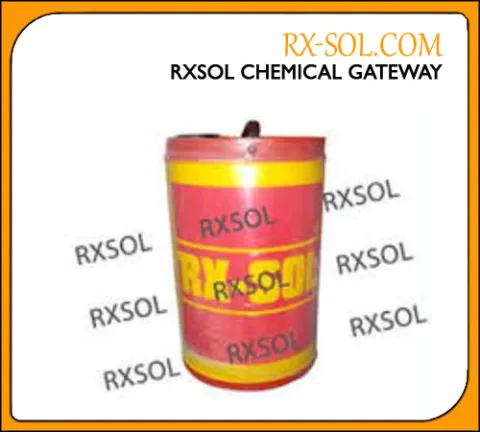
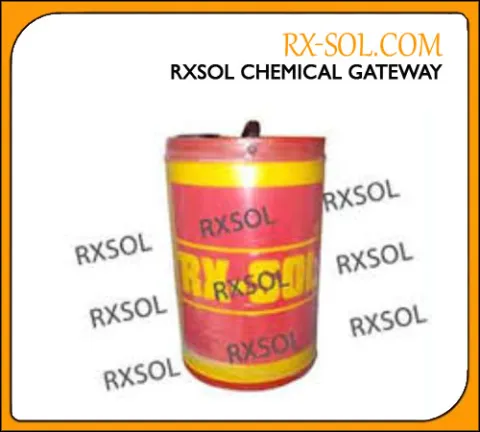
CITRUS SOLV CR08
- Part number
- RXSOL-41-8659-025
- Category
- Automobiles
- Brand
- RXSOL
Safety and SDS
Read the safety data sheet before handling. Wear suitable gloves and eye protection.
View safety data sheet
| Product Name | CITRUS SOLVE CR08 |
| Product Type | RXSOL-41-8659-025 |
Company Details:
RX MARINE INTERNATIONAL
105, A wing , BSEL , TECH PARK.
VASHI ,NEW BOMBAY 400703 INDIA
Stock Point : Mumbai, Kandla, Kolkata, Chennai, Vizag, Fujairah, Muscat, Nairobi
| Phone | +91 22 65113333/ 5555 / 9999 / 27611360 / 27815540 |
| Fax | +91 22 2781 1318 :::AOH :0091 9322594669 |
| rxsolchemicals@gmail.com |
PRINCIPLE HAZARDOUS INGREDIENTS: OSHA PEL
DeLimonene (CAS # 5989-27-5) N/E
Petroleum solvent (CAS# 64742-48-9) N/EECTION 3:
Route(s) of entry : Eyes? yes Skin? Yes Inhalation? Yes Ingestion? Yes
Health Hazards:Eyes – May cause irritation.
Skin – May cause irritation.
Inhalation – Over exposure may cause headaches or dizziness.
Ingestion – May irritate stomach and intestine.
Carcinogenicity: NTP: Known – No; Anticipated – No OSHA: No IARC: NoECTION 4:
Eyes: Flush thoroughly with water for 15 minutes. Get medical attention.
Skin: Wash with soap and water. If irritation occurs get medical attention.
Inhalation: Move to fresh air. Get medical attention if irritation occurs.
Ingestion: Do not induce vomiting. If vomiting occurs, keep victim's head below his hips to prevent his breathing vomit into his lungs. Get medical attention immediately. Treat symptomatically. Small amounts of this product aspirated into the respiratory system during ingestion of vomit may cause mild to severe pulmonary injury.
Flash Point: 128 ° F (Closed cup)
Boiling Point: 340-348 ° F
Extinguishing Media: Foam, CO2, dry chemical, water fog.
Special Fire Fighting Procedures: Fire fighters should wear self-contained breathing apparatus and full protective clothing. Use water spray to cool area.
Unusual Fire and Explosion Hazards: Extinguish all nearby sources of ignition because vapors may be carried by air currents. Keep away from heat, sparks and open flame.
SMALL SPILL: Absorb liquid on inert material such as vermiculite, and dry sand.
LARGE SPILL: Persons not wearing protective equipment should be excluded from area of spill until clean-up has been completed. Stop spill at source, contain area of spill to prevent spreading, pump liquid to salvage tank. Remaining liquid may be absorbed with inert material such as dry sand, vermiculite, and shoveled into containers. Prevent run-off to sewers, streams, or other bodies of water. If run-off occurs, notify the proper authorities as required that a spill has occurred.SECTION 7: PRECAUTIONS
Store out of reach of children. Keep container closed. Store in a cool, dry location. Avoid freezing or extended storage in high temperatures.
Airborne Exposure Limits: None established.
Respiratory Protection.:Not required if good ventilation is maintained.
Protective Clothing: Rubber gloves, safety glasses or goggles and other clothing to prevent skin contact.
Ventilation: Mechanical required if necessary to maintain low exposure level.
Storage: Keep away from heat, sparks and flames. Store in cool, dry, well ventilated place away from incompatible materials. Keep container tightly closed when not in use. Do not use pressure to empty container.
| Odor | Citrus Orange |
| Physical State |
Liquid. |
| Appearange | Clear, yellow |
| pH |
N/A |
| Specific Gravity |
0.8g/ml |
| Freezing/Melting Point |
N/E |
| Vapor Pressure | N/E |
| Vapor Density | N/E |
|
Dispersible |
Dispersible |
| Boiling Point |
340-348 ° F |
| VOC | 0% at strongest dilution after exemptions |
Stability: Stable under ordinary conditions of use and storage.
Hazardous Decomposition or Byproducts: Exposure to fire may liberate carbon dioxide, carbon monoxide, and other unidentified thermal decomposition products from this product or its packaging.
Hazardous Polymerization: Will not occur.
Incompatibilities: Strong oxidizing materials.
Conditions to Avoid: None known except as noted elsewhere in this MSDS.
Acute Effects
Orange terpenes have been shown to have low oral toxicity (LD50>5 g/kg) and low dermal toxicity (LD50> 5g/kg) when tested on rabbits. Orange terpenes also showed low toxicity by inhalation (RD50>1 g/kg) when tested on mice. The skin irritancy of limonene in guinea pigs and rabbits is considered moderate and low, respectively. Inhalation may cause irritation of the nose, throat, and respiratory tract. Petroleum Spirits are minimally toxic orally (LD50 > 10000 mg/kg) and are minimally toxic on skin (LD50 > 3160 mg/kg).
Chronic Effects
D-Limonene is not classified as a carcinogen by OSHA, IARC, ACGIH or NTP. This product has not been shown to produce genetic changes when tested on bacterial or animal cells. This product does not contain known reproductive or developmental toxins. Prolonged or repeated exposure can cause drying or dermatitis of skin. Improper storage and handling may lead to the formation of a possible skin sensitizer. Vapor/aerosol concentrations for petroleum spirits above recommended exposure levels are irritating to the eyes and respiratory tract, may cause headaches, dizziness, anesthesia, drowsiness, unconsciousness and other central nervous system effects including death. Prolonged and/or repeated skin contact with low viscosity materials may defat the skin resulting in possible irritation and dermatitis. Small amounts of liquid aspirated into the lungs during ingestion or from vomiting may cause chemical pneumonitis or pulmonary edema
Ecotoxicity: There is no information available at this time for D-limonene. However, a spill may produce significant toxicity to aquatic organisms and ecosystems. Sonic studies have shown that certain bacteria and fungi have the ability to degrade terpenes, decreasing their toxicity to fish. When spilled, this product may act as an oil, causing a film, sheen, emulsion or sludge at or beneath the surface of a body of water.
Persistence/Degradability: D-Limonene is expected to be readily biodegradable. Bioaccumulation/Accumulation: No appreciable bioconcentration is expected in the environment. Mobility in Environment: Orange terpenes volatilize rapidly. Ecotoxicity: Petroleum Spirits may cause long-term adverse effects in the aquatic environment.
Biodegradation: Petroleum Spirits are expected to be readily biodegradable.
Hydrolysis: Petroleum Spirits Transformation due to hydrolysis not expected to be significant.
Photolysis: Petroleum Spirits Transformation due to photolysis not expected to be significant. Atmospheric Oxidation: Petroleum Spirits expected to degrade rapidly in air
Do not dispose of on the land, in surface waters, sewers or in storm drains. Larger quantities should be collected for reuse or consigned to a licensed hazardous waste hauler for disposal in accordance with federal, state and local regulations. All disposal must be in accordance with all federal, state and local regulations.
No restrictions for Ground, Air, of Maritime Transportation in accordance with 49 CFR parts 100-185. DOT regulations 173.120 #2 says a flammable liquid may be reclassified as a combustible if the flash point is 100 °F or above and combustible liquids do not need to be listed as a Hazardous Material when offered for transportation.
Petroleum solvent (CAS# 64742-48-9) MASS, OSHA WAC, PA, TXAIR, WHMIS
All components are listed on TSCA
MASS = Massachusetts Hazardous Substance List
OSHA WAC = OSHA Workplace Contaminants
PA = PA Right-to-Know List of Hazardous Substances
TXAIR = Texas Air Contaminants with Health Effects Screening Level
Availability
CITRUS SOLV CR08 manufacturer and supplier in India Mumbai, Kolkata, Chennai, Surat, Gandhidham, Visakhapatnam Andhra Pradesh, Chennai, UAE Middle East Fujairah, Dubai, Shajrah, Ajman, AbuDhabi, Oman Muscat Sohar Barka, Nairobi Kenya, Sudan Yemen Africa...