Chromosulfuric Acid For Cleaning Glass Vessel(2.5 Ltrs Packing)
- Part number
- RXSOL-61-6397-205
- Category
- Lab Equipment
- Brand
- RXSOL
Overview
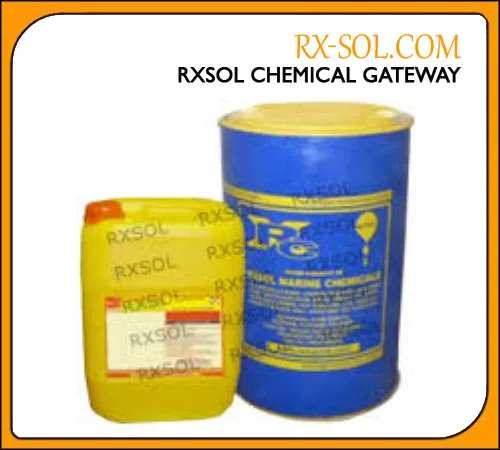
Chromosulfuric Acid For Cleaning Glass Vessel(2.5 Ltrs Packing)
Applications
Mix blend of 2-5% Na2Cr2O7 in ~ 90% H2SO4 Oxidizing fluid for the cleaning of laboratory glass ware.
Safety and SDS
Read the safety data sheet before handling. Wear suitable gloves and eye protection.
View safety data sheet
| Product Name |
Chromosulfuric Acid For Cleaning Glass Vessel(2.5 Ltrs Packing) |
| Product Type | RXSOL-61-6397-205 |
Company Details:
RX MARINE INTERNATIONAL
105, A wing , BSEL , TECH PARK.
VASHI ,NEW BOMBAY 400703 INDIA
| Chemical nature |
Mixture of acids. |
Substance: not applicable
Hazardous components (REGULATION (EC) No 1272/2008):
| CAS-No. | Registration number | Classification |
| sulphuric acid (>= 50 % - <= 100 % ) |
Substance does not meet the criteria for PBT or vPvB according to Regulation (EC) No 1907/2006, Annex XIII:
| 7664-93-9 | 01-2119458838-20 | Category 1,H290 |
| Skin corrosion | Category 1A, H314 |
chromium trioxide (>= 1 % - < 2.5 % )1333-82-0 *):
| Oxidising solid, Category 1 | :H271 |
| Carcinogenicity, Category 1A, | :H350 |
| Germ cell mutagenicity, Category 1B | :H340 |
| Reproductive toxicity, Category 2, | :H361f |
| Acute toxicity, Category 2 | :H330 |
| Acute toxicity, Category 3, | :H311 |
| Acute toxicity, Category 3, | :H301 |
| Specific target organ toxicity - repeated exposure, Category 1, | :H372 |
| Skin corrosion, Category 1A, | :H314 |
| Respiratory sensitisation, Category 1, | :H334 |
| Skin sensitisation, Category 1 | :H317 |
| Acute aquatic toxicity, Category 1, | H400 |
| Chronic aquatic toxicity, Category 1, | H410 |
A registration number is not available for this substance as the substance or its use are exempted from registration according to Article
2 REACH Regulation (EC) No 1907/2006, the annual tonnage does not require a registration or the registration is envisaged for a later
registration deadline.
For the full text of the H-Statements mentioned in this Section, see Section 16.
Hazardous components (1999/45/
Chemical Name (Concentration)
| CAS-No. | Classification |
| sulphuric acid | (>= 50 % - <= 100 % ) |
| 7664-93-9 C, | Corrosive; R35 |
chromium trioxide (>= 1 % - < 2.5 % )
| 1333-82-0 O, Oxidising; | R9 |
| Carc.Cat.1; | R45 |
| Mut.Cat.2; | R46 |
|
Repr.Cat.3; |
R62 |
|
T+, Very toxic; |
R26 |
|
T, Toxic; |
R24/25-48/23 |
|
C, Corrosive; |
R35/R42/43 |
| N, Dangerous for the environment; | R50-53 |
For the full text of the R-phrases mentioned in this Section, see Section 16.
Classification of the substance or mixture :
Classification (REGULATION (EC) No 1272/2008):
|
Carcinogenicity, Category 1A, |
:H350 |
|
Germ cell mutagenicity, Category 1B, |
:H340 |
| Acute toxicity, Category 4, Inhalation, | :H332 |
|
Skin corrosion, Category 1A, |
:H314 |
|
Respiratory sensitisation, Category 1, |
:H334 |
|
Skin sensitisation, Category 1, |
:H317 |
|
Specific target organ toxicity - single exposure, Category 3, |
:H335 |
|
Specific target organ toxicity - repeated exposure, Category 2, |
:H373 |
| Chronic aquatic toxicity, Category 3, | :H412 |
For the full text of the H-Statements mentioned in this Section, see Section 16:
Classification (67/548/EEC or 1999/45/EC)
| Carc.Cat.1 Carcinogenic Category 1 | :R45 |
|
Mut.Cat.2 Mutagenic Category 2 |
:R46 |
|
T Toxic |
:R23 |
| C Corrosive | :R35 |
| Xn Harmful | :R48/20 |
|
Sensitising |
:R42/43 |
|
Dangerous for the environment |
:R52/53 |
For the full text of the R-phrases mentioned in this Section, see Section 16: Label elements:
Labelling (REGULATION (EC) No 1272/2008 Hazard pictograms: Signal word Danger
Hazard statements:
| H350 | May cause cancer. |
| H340 | May cause genetic defects. |
| H314 | Causes severe skin burns and eye damage. |
| H317 | May cause an allergic skin reaction. |
| H332 | Harmful if inhaled. |
| H334 | May cause allergy or asthma symptoms or breathing difficulties if inhaled. |
| H335 | May cause respiratory irritation. |
| H373 | May cause damage to organs through prolonged or repeated exposure |
H412 Harmful to aquatic life with long lasting effects.
Precautionary statements
Prevention
P201 Obtain special instructions before use.
P273 Avoid release to the environment.
P280 Wear protective gloves/ protective clothing/ eye protection/ face protection.
Response
P302 + P352 IF ON SKIN: Wash with plenty of soap and water.
P305 + P351 + P338 IF IN EYES: Rinse cautiously with water for several minutes. Remove contact
lenses, if present and easy to do. Continue rinsing.
P309 + P310 IF exposed or if you feel unwell: Immediately call a POISON CENTER or
doctor/physician.
Description of first aid measures
General advice:
First aider needs to protect himself.
After inhalation: fresh air. If breathing stops: immediately apply artificial respiration, if necessary oxygen. Immediately call in physician.After skin contact: wash off with plenty of water. Immediately remove contaminated clothing. If available swab with polyethylene glycol 400. Call a physician immediately.
After eye contact:
rinse out with plenty of water. Immediately call in ophthalmologist. After swallowing: make victim drink water (two glasses at most), avoid vomiting (risk of perforation). Call a physician immediately. Do not attempt to neutralise.
Most important symptoms and effects, both acute and delayed:
Irritation and corrosion, Allergic reactions, Diarrhoea, Nausea, Vomiting Chromium(VI) is highly toxic. It is absorbed via both the lungs and the gastrointestinal tract.Being strong oxidisers, chromates/ bichromates can cause burns and ulcerations on the skin and mucous membranes and also irritations in the upper respiratory tract. Poorly healing ulcers occur after wound contact. In predisposed persons the substance rapidly leads to sensitisation and allergic reactions of the respiratory tract (risk of pneumonia!) and damage to nasal mucous membranes (under given circumstances perforation of the septum). After swallowing severe symptoms in the gastrointestinal tract such as bloody diarrhoea, vomiting (aspiration pneumonia!), spasms, circulatory collapse, unconsciousness, formation of methaemoglobin. Absorption may result in hepatic and renal damage. Inhalable chromium(VI) compounds gave clear evidence to be carcinogenic in animal experiments. Lethal dos(man): 0.5g. Antidotes: chelating agents such as EDTA, DMPS (Demaval®)
Indication of any immediate medical attention and special treatment needed: No information available.
Extinguishing media:
Suitable extinguishing media:
Use extinguishing measures that are appropriate to local circumstances and the surrounding
environment.
Unsuitable extinguishing media:
Foam, Water
Special hazards arising from the substance or mixture:
Not combustible.Ambient fire may liberate hazardous vapours.The product reacts with water and generates heat.Fire may cause evolution of:Sulphur oxides.
Advice for firefighters:
Special protective equipment for firefighters Stay in danger area only with self-contained breathing apparatus. Prevent skin contact by keeping a safe distance or by wearing suitable protective clothing. Further informationSuppress (knock down) gases/vapours/mists with a water spray jet. Prevent fire extinguishing water from contaminating surface water or the ground water system.
Personal precautions, protective equipment and emergency procedures:
Advice for non-emergency personnel: Avoid substance contact. Do not breathe vapours,
aerosols. Ensure adequate ventilation. Evacuate the danger area, observe emergency
procedures, consult an expert.
Advice for emergency responders:
Protective equipment see section 8.
Environmental precautions
Do not empty into drains.
Methods and materials for containment and cleaning up:
Cover drains. Collect, bind, and pump off spills.
Observe possible material restrictions (see sections 7 and 10).
Take up with liquid-absorbent and neutralising material (e.g. Chemizorb® H⁺, Merck Art. No.
101595). Dispose of properly. Clean up affected area.
Reference to other sections:
Indications about waste treatment see section 13.
Precautions for safe handling:
Advice on safe handling:
Work under hood. Do not inhale substance/mixture. Avoid generation of vapours/aerosols.
Observe label precautions.
Hygiene measures:
Immediately change contaminated clothing. Apply preventive skin protection. Wash hands and face after working with substance.
Conditions for safe storage, including any incompatibilities
Storage conditions
Tightly closed. Keep in a well-ventilated place. Keep locked up or in an area accessible only to
qualified or authorised persons.
Storage temperature: no restrictions.
Specific end use(s)
Apart from the uses mentioned in section 1.2 no other specific uses are stipulated.
Control parameters
Components with workplace control parameters:
| Basis | Value |
Threshold limits |
Remarks |
chromium trioxide (1333-82-0):
| EH40 WEL |
Time Weighted Average (TWA): |
0.05 mg/m³ | Expressed as: as Cr |
Derived No Effect Level (DNEL)
sulphuric acid (7664-93-9):
| Worker DNEL, acute | Local effects | inhalation | 0.1 mg/m³ |
|
Worker DNEL, longterm |
Local effects | inhalation | 0.05 mg/m³ |
Recommended monitoring procedures:
Methods for measurement of the workplace atmosphere have to correspond to the requirements of norms
DIN EN 482 and DIN EN 689.
Predicted No Effect Concentration (PNEC)
sulphuric acid (7664-93-9)
| PNEC Fresh water | 0.0025 mg/l |
| PNEC Fresh water sediment | 0.002 mg/kg |
| PNEC Marine water | 0.00025 mg/l |
| PNEC Marine sediment | 0.002 mg/kg |
| PNEC Sewage treatment plant | 8.8 mg/l |
Exposure controls:
Engineering measures:
Technical measures and appropriate working operations should be given priority over the use of
personal protective equipment.
See section 7.1.
Individual protection measures
Protective clothing needs to be selected specifically for the workplace, depending on
concentrations and quantities of the hazardous substances handled. The chemical resistance of
the protective equipment should be enquired at the respective supplier.
Eye/face protection
Tightly fitting safety goggles
Hand protection:
|
full contact: |
Viton (R) 0.70 mm > 480 min |
|
|
splash contact: Glove material: Glove thickness: Break through time: |
Nitrile rubber 0.40 mm > 120 min |
The protective gloves to be used must comply with the specifications of EC Directive 89/686/EEC and the related standard EN374, for example KCL 890 Vitoject® (full contact), KCL 730 Camatril® -Velours (splash contact). The breakthrough times stated above were determined by KCL in laboratory tests acc. to EN374 with samples of the recommended glove types. This recommendation applies only to the product stated in the safety data sheet<(>,<)> supplied by us and for the designated use. When dissolving in or mixing with other substances and under conditions deviating from those stated in EN374 please contact the supplier of CE-approved gloves
Other protective equipment
Acid-resistant protective clothing
Respiratory protection
required when vapours/aerosols are generated.
Recommended Filter type: Respirator.
The entrepeneur has to ensure that maintenance, cleaning and testing of respiratory protective devices are carried out according to the instructions of the producer. These measures have to be properly documented.
Environmental exposure controls
Do not empty into drains.
Information on basic physical and chemical properties:
|
Form |
: Liquid |
|
Colour |
:Colourless. |
|
Odour |
Odour |
|
Odour threshold |
No information available. |
|
pH |
at 20 °C |
| Melting point |
No information available. |
|
Boiling point |
No information available. |
| Flash point |
No information available. |
|
Evapouration rate |
No information available. |
|
Flammability (solid, gas) |
not applicable |
| Lower explosion limit |
No information available. |
| Upper explosion limit |
No information available. |
| Vapour pressure |
No information available. |
|
Relative vapour density |
No information available. |
| Relative density |
1.84 g/cm³ |
|
Water solubility |
at 20 °C |
|
Partition coefficient: noctanol/ |
No information available. |
| Auto-ignition temperature | No information available. |
|
Decomposition temperature |
No information available. |
|
Viscosity, dynamic |
No information available. |
|
Explosive properties |
Not classified as explosive. |
|
Oxidizing properties |
Oxidising potential |
Other data:
none
Reactivity
See section 10.3
Chemical stability
The product is chemically stable under standard ambient conditions (room temperature) .
Possibility of hazardous reactions
Violent reactions possible with:
alkalines
Risk of ignition or formation of inflammable gases or vapours with:
Acetone, halides
Light metals, Possible formation of:
Hydrogen
Exothermic reaction with:
Water, hydrochloric acid
Risk of explosion with:
organic combustible substances, highly flammable solvents, Impurities, acetic acid, Combustible
Liquids
Conditions to avoid
Strong heating.
Incompatible materials
Aluminium, Copper, Copper alloys, Hydrogen may form upon contact with light metals (danger of
explosion!).
Hazardous decomposition products
in the event of fire: See section 5.
Information on toxicological effects:
Information on toxicological effects
Mixture
Acute oral toxicity:
Symptoms: If ingested, severe burns of the mouth and throat, as well as a danger of perforation
of the oesophagus and the stomach., Nausea, Vomiting, Diarrhoea
Acute inhalation toxicity:
absorption
Symptoms: burns of mucous membranes, mucosal irritations, Cough, Shortness of breath, Lung
oedema, Symptoms may be delayed., Possible damages:, damage of respiratory tract
Acute dermal toxicity:
This information is not available.
Skin irritation:
Mixture causes severe burns.
Eye irritation:
Mixture causes serious eye damage. Risk of blindness!
Sensitisation:
Mixture may cause allergy or asthma symptoms or breathing difficulties if inhaled.
Mixture may cause an allergic skin reaction.
Germ cell mutagenicity:
This information is not available.
Carcinogenicity:
This information is not available.
Reproductive toxicity:
This information is not available.
Teratogenicity:
This information is not available.
CMR effects
Carcinogenicity:
May cause cancer.
Mutagenicity:
May cause genetic defects.
Specific target organ toxicity - single exposure
Mixture may cause respiratory irritation.
Specific target organ toxicity - repeated exposure
Mixture may cause damage to organs through prolonged or repeated exposure.
Aspiration hazard
This information is not available.
11.2 Further information
Chromium(VI) is highly toxic. It is absorbed via both the lungs and the gastrointestinal tract.
Being strong oxidisers, chromates/ bichromates can cause burns and ulcerations on the skin and
mucous membranes and also irritations in the upper respiratory tract. Poorly healing ulcers occur
after wound contact. In predisposed persons the substance rapidly leads to sensitisation and
allergic reactions of the respiratory tract (risk of pneumonia!) and damage to nasal mucous
membranes (under given circumstances perforation of the septum). After swallowing severe
symptoms in the gastrointestinal tract such as bloody diarrhoea, vomiting (aspiration
pneumonia!), spasms, circulatory collapse, unconsciousness, formation of methaemoglobin.
Absorption may result in hepatic and renal damage. Inhalable chromium(VI) compounds gave
clear evidence to be carcinogenic in animal experiments. Lethal dose (man): 0.5g. Antidotes:
chelating agents such as EDTA, DMPS (Demaval®)
Other dangerous properties can not be excluded.
This substance should be handled with particular care.
Components
sulphuric acid
No information available.
chromium trioxide
Acute oral toxicity
LD50 rat: 50 mg/kg (IUCLID)
Symptoms: If ingested, severe burns of the mouth and throat, as well as a danger of perforation of the oesophagus
and the stomach.
Acute inhalation toxicity
LC50 rat: 0.217 mg/l; 4 h (IUCLID)
Symptoms: mucosal irritations, Cough, Shortness of breath, Possible damages:, damage of respiratory tract
Acute dermal toxicity
LD50 rat: ca. 55 mg/kg (IUCLID)
Skin irritation
rabbit
Result: Causes burns.
(IUCLID)
Eye irritation
rabbit
Result: Causes burns.
(IUCLID)
Sensitisation
Patch test: human
Result: positive
(IUCLID)
Germ cell mutagenicity
Genotoxicity in vitro
Ames test
Result: positive
(IUCLID)
Toxicity
No information available.
Persistence and degradability
No information available.
Bioaccumulative potential
No information available.
Mobility in soil
No information available.
Results of PBT and vPvB assessment
PBT/vPvB assessment not available as chemical safety assessment not required/not conducted.
Other adverse effects
Additional ecological information
Biological effects:
Harmful effect due to pH shift.
Further information on ecology
Discharge into the environment must be avoided.
Components
sulphuric acid
Toxicity to daphnia and other aquatic invertebrates
EC50 Daphnia magna (Water flea): 29 mg/l; 24 h (IUCLID)
Substance does not meet the criteria for PBT or vPvB according to Regulation (EC) No 1907/2006, Annex XIII.
chromium trioxide
Toxicity to daphnia and other aquatic invertebrates
EC50 Daphnia magna (Water flea): 0.162 mg/l; 48 h (ECOTOX Database)
Waste treatment methods
Waste material must be disposed of in accordance with the Directive on waste 2008/98/EC as
well as other national and local regulations. Leave chemicals in original containers. No mixing
with other waste. Handle uncleaned containers like the product itself.
.
Land transport (ADR/RID):
UN number UN 2240
Proper shipping name CHROMOSULPHURIC ACID
Class 8
Packing group I
Environmentally hazardous --
Special precautions for user yes
Tunnel restriction code E
Inland waterway transport (ADN):
Not relevant
Air transport (IATA):
UN number UN 2240
Proper shipping name CHROMOSULPHURIC ACID
Class 8
Packing group I
Environmentally hazardous --
14.6 Special precautions for user
no
Sea transport (IMDG):
UN number UN 2240
Proper shipping name CHROMOSULPHURIC ACID
Class 8
Packing group I
Environmentally hazardous --
Special precautions for user
yes
EmS F-A S-B
Transport in bulk according to Annex II of MARPOL 73/78 and the IBC Code
Not relevant
Safety, health and environmental regulations/legislation specific for the substance or mixture
EU regulations:
Major Accident Hazard
Legislation 96/82/EC
Toxic 2
Quantity 1: 50 t
Quantity 2: 200 t
Occupational restrictions Take note of Dir 94/33/EC on the protection of young people at
work. Take note of Dir 92/85/EEC on the safety and health at work
of pregnant workers.
National legislation:
Storage class 6.1 D
Chemical Safety Assessment:
For this product a chemical safety assessment was not carried out.
Full text of H-Statements referred to under sections 2 and 3:
H271 May cause fire or explosion; strong oxidiser.
H290 May be corrosive to metals.
H301 Toxic if swallowed.
H311 Toxic in contact with skin.
H314 Causes severe skin burns and eye damage.
H317 May cause an allergic skin reaction.
H330 Fatal if inhaled.
H332 Harmful if inhaled.
H334 May cause allergy or asthma symptoms or breathing difficulties if inhaled.
H335 May cause respiratory irritation.
H340 May cause genetic defects.
H350 May cause cancer.
H361f Suspected of damaging fertility.
H372 Causes damage to organs through prolonged or repeated exposure.
H373 May cause damage to organs through prolonged or repeated exposure.
H400 Very toxic to aquatic life.
H410 Very toxic to aquatic life with long lasting effects.
H412 Harmful to aquatic life with long lasting effects.
Full text of R-phrases referred to under sections 2 and 3:
R 9 Explosive when mixed with combustible material.
R23 Toxic by inhalation.
R24/25 Toxic in contact with skin and if swallowed.
R26 Very toxic by inhalation.
R35 Causes severe burns.
R42/43 May cause sensitisation by inhalation and skin contact.
R45 May cause cancer.
R46 May cause heritable genetic damage.
R48/20 Harmful: danger of serious damage to health by prolonged
exposure through inhalation.
R48/23 Toxic: danger of serious damage to health by prolonged exposure through inhalation.
R50 Very toxic to aquatic organisms.
R52/53 Harmful to aquatic organisms, may cause long-term adverse effects in the aquatic environment.
R53 May cause long-term adverse effects in the aquatic environment.
R62 Possible risk of impaired fertility.
Training advice:
Provide adequate information, instruction and training for operators.
Availability
Chromosulfuric Acid For Cleaning Glass Vessel manufacturer supplier distributor in Mumbai, Kandla, Kolkata, Vizag, Chennai, India, Fujairah, Dubai, Sharjah, UAE, Gulf, Middle East, Muscat Oman, Kenya Africa. Get the best quality of Chromosulfuric Acid For Cleaning Glass Vessel at a competitive price from us. We have ready stock of Chromosulfuric Acid For Cleaning Glass Vessel in India, UAE Gulf, Oman, Kenya Africa. Contact us for bulk as well as small orders.