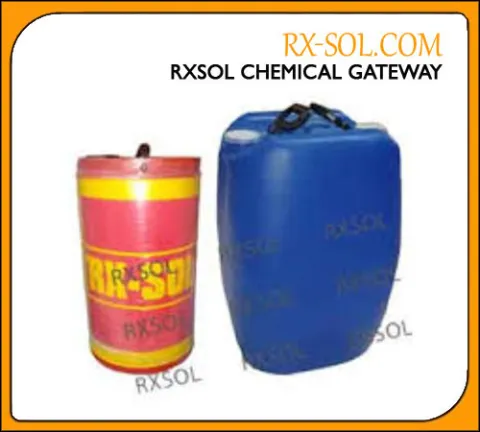
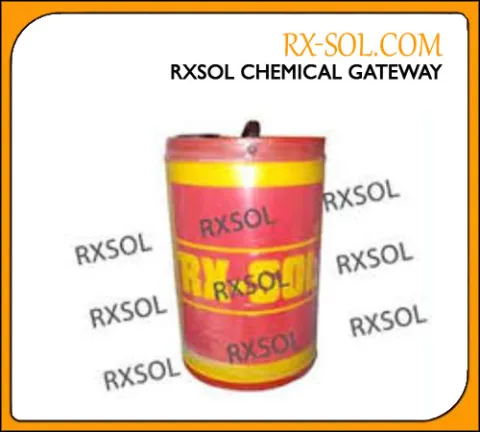
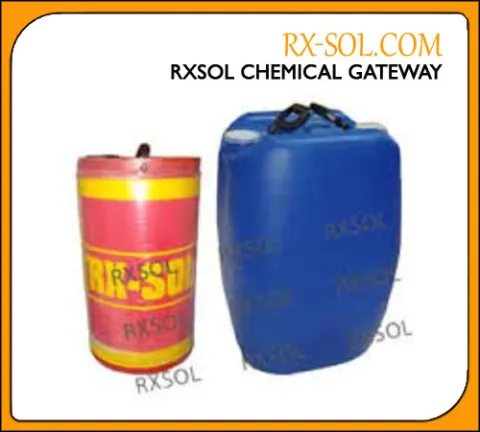
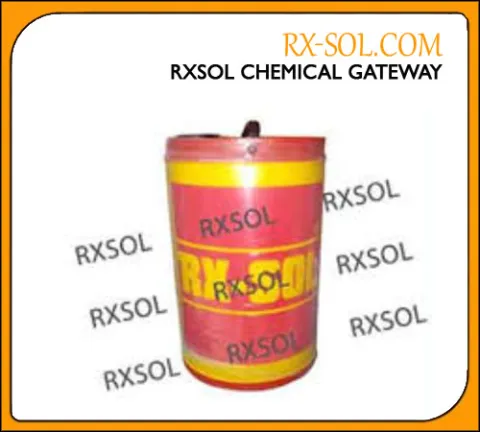
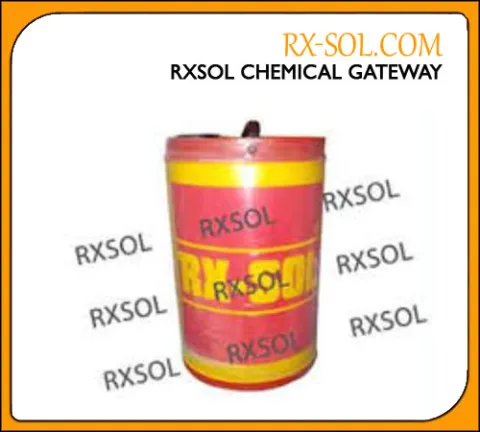
GlycoCool G148 SC
- Part number
- RXSOL-27-1222-030
- Category
- Coolant Glycol Antifreeze
- Brand
- RXSOL
Overview
RXSOL GlycoCool G148 SC premium hybrid-technology coolant delivers reliable, long-lasting protection for modern engines. It uses a balanced blend of inorganic and organic corrosion inhibitors to safeguard the entire cooling system.
Technical specifications
| Parameters | Values |
|---|---|
| Appearance | Liquid |
| Colour | Blue/Green |
| Odour | Mild Odour |
| pH | 8-9 |
| Density | 1.1-1.15 |
Handling & Safety
- Use appropriate PPE while handling
- Avoid direct ingestion or prolonged skin contact
-
Store in a cool, dry place away from sunlight
Why Choose GlycoCool G148 SC?
✔ Reliable performance
✔ Long-lasting protection
✔ Cost-effective maintenance
✔ Trusted hybrid coolant technology
Applications
GlycoCool G148 SC is a high-performance engine coolant concentrate based on ethylene glycol, designed to be diluted with water prior to use.
It is formulated with an advanced hybrid corrosion inhibitor system, combining organic acid salts and silicates to provide excellent protection against corrosion, scaling, and overheating in engine cooling systems.
GlycoCool G148 SC is free from nitrites, amines, and phosphates, making it an environmentally responsible and modern coolant solution suitable for a wide range of automotive and industrial applications.
Key Features & Benefits
✔ Superior Heat Transfer Efficiency : Ensures optimal engine temperature control under all operating conditions
✔ Advanced Corrosion Protection : Protects metals including aluminum, cast iron, steel, copper, and brass
✔ Hybrid Inhibitor Technology (HOAT) : Combines the benefits of organic and inorganic inhibitors for long-lasting performance
✔ Extended Service Life : Reduces maintenance frequency and downtime
✔ Scale & Deposit Control : Prevents formation of harmful deposits in cooling systems
✔ Environmentally Safer Formulation : Free from Nitrites, Amines, and Phosphates (NAP Free)
Dosage and directions
GlycoCool G148 SC is a ready mix coolant. No more dilution is required.
GlycoCool G148 SC is a premium-quality ethylene glycol–based engine coolant concentrate, engineered to deliver superior cooling performance and long-term protection for modern engines.
Formulated with an advanced Hybrid Organic Acid Technology (HOAT), it combines organic acid salts and silicates to ensure excellent corrosion protection and thermal stability.
Characteristics and notes
Features
- Suitable for passenger cars
- Hybrid silicate-based technology
- Provides multi-layer protection using both inorganic and organic inhibitors
- Color: Blue-Green
Safety and SDS
Read the safety data sheet before handling. Wear suitable gloves and eye protection.
View safety data sheet
| Product Name | : | GlycoCool G148 SC |
| Part Number | : | RXSOL-27-1222-030 |
Company Details:
RX MARINE INTERNATIONAL
105, A wing , BSEL , TECH PARK.
VASHI ,NEW BOMBAY 400703 INDIA
| Phone | : | +91 22 65113333 / 5555 / 9999 |
| Fax | : | +91 22 2781 1318 :::AOH :0091 9821214367 |
| : | rxsolchemicals@gmail.com |
|
Chemical Name |
Concentration |
CAS Number |
EC Number |
R Phrases* |
Symbol |
|
Ethylene Glycol |
30-35% |
107-21-1 |
203-473-3 |
R-22 |
603-027-00-1 |
| Potassium 2-Ethylhexanoate | 15-20% | 3164-85-0 | 221-625-7 | R-63 | NA |
| Mixture of silicates, borates and phosphates | 10-20% | Proprietoy Blend | Proprietoy Blend | NA | NA |
| BenzoTriazole | 1-10% | 1310-58-3 | 15-181-3 | NA | NA |
*See Section 16
Harmful if swallowed.
Possible risk of harm to the unborn child.
|
Contact with skin |
Remove contaminated clothing immediately and drench affected skin with plenty of water. Then wash with soap and water |
|
Contact with eyes |
If substance has got into eyes, immediately wash out with plenty of water for at least 15 minutes.Seek medical advice |
|
Ingestion |
Never give anything by mouth to an unconscious person. Give plenty of water to drink. Seek medical advice if necessary |
|
Inhalation |
Vapours or aerosols may cause irritation of eyes, nose and respiratory tract. Remove patient to fresh air |
|
General |
In case of accident or if you feel unwell, seek medical advice immediately (show the label where possible) (S45) |
- Carbon oxides may be formed
- Not flammable. In case of fire use extinguishing media appropriate to surrounding conditions
|
Personal Precautions |
Wear protective clothing as per section 8. |
|
Environmental Precautions |
No special precautions are required for this product. |
|
Immediate Actions |
Shut off source of leak if safe to do so. |
|
Clean Up Actions |
Absorb spillage in suitable inert material.Flush spill area with copious amounts of water. |
|
Special Precautions |
Wear protective clothing as per section 8. |
|
Handling |
The usual precautions for handling chemicals should be observed. Eyewash bottles should be available |
|
Storage |
Keep only in the original container in a cool, well ventilated place (S3/9/49). Protect from frost |
|
Exposure Limits |
TWA value 52 mg/m3 ; 20 ppm (OEL (EU)) |
|
Exposure controls |
Personal protective equipment:
|
|
Occupational exposure controls |
No respiratory protection is required unless subject to contact with substance mist. Wear suitable protective clothing, including eye/face protection and gloves (plastic or rubber are recommended |
|
Odour |
Specific |
|
Appearance |
Blue/Green Color, Liquid, soluble in water |
|
pH |
9.50 at 100 % concentration |
|
Boiling point |
NA |
|
Vapour density |
N.A |
|
Melting point |
36iC |
|
Completely soluble in water |
|
|
Specific gravity (water=1) |
1.092 - 1.095 |
|
Non combustible |
|
The product is stable in normal conditions of use and storage. Due to thermal decomposition or in the event of a fire vapours may be produced potentially dangerous to health.Ethylene glycol may absorb moisture from the atmosphere up to twice its own weight.
|
Acute effects |
ingestion of this product is harmful. Even small amounts of product may cause serious health problems (stomach pain, nausea, sickness, diarrhoea, etc.). This product may slightly irritate mucosas, the upper. respiratory tract, eyes, and skin. Exposure symptoms may include: sting, cough, asthma, laryngitis, respiratory. disorders, headache, nausea and sickness |
|
Ethylene glycol |
following ingestion it initially stimulates the CNS; later on depression results. Renal damage with anuria and uremia may occur. Symptoms of over exposure are: vomiting, somnolence, difficulty in breathing,convulsions. The lethal dose in man is approximately 1.4 l/kg. The route of entry is inhalation and ingestion. |
Ecotoxicity
Toxicity to fish : Leuciscus idus/LC50 (96 h): > 100 mg/l
Microorganisms/Effect on activated sludge: Pseudomonas putida/EC10: > 100 mg/l
Inhibition of degradation activity in activated sludge is not to be anticipated during correct introduction of low concentrations. Persistence and degradability
Elimination information
Test method: OECD 302B; ISO 9888; 88/302/EEC,part C
Method of analysis: DOC reduction
Degree of elimination: > 70 %
Evaluation: Easily eliminated from water.
Other adverse effects
Adsorbable organically-bound halogen (AOX):
This product contains no organically-bound halogen.
Additional information
Other ecotoxicological advice : Do not release untreated into natural waters.
Use this product according to good working practices. Avoid litter. Inform the competent authorities, should the product reach waterways or sewers or contaminate soil or vegetation. Ethylene glycol is biodegradable
Consider the possibility of burning the product in a suitable inceneritor. Acid or basic products must always be neutralized before undergoing any treatment, including biological treatment whenever feasible. If the waste is solid,it can be disposed of in a landfill.
This substance is not dangerous under current provisions of the Code of International Carriage of Dangerous Goods by Road (ADR) and by Rail (RID), of the International Maritime Dangerous Goods Code (IMDG), and of the International Air Transport Association (IATA) regulations.
R-22 HARMFUL IF SWALLOWED. Danger labelling under regulations 67/548/CEE and 1999/45/CE and following amendments and adjustments.Workers exposed to this chemical agent must undergo health checks according to regulation 98/24/CE. R63 Possible risk of harm to the unborn child. S2 Keep out of the reach of children. S36/37 Wear suitable protective clothing and gloves.
|
Full text of hazard symbols and R-phrases if mentioned as hazardous components in chapter 2: Xn Harmful. 22 Harmful if swallowed. 63 Possible risk of harm to the unborn child. Vertical lines in the left hand margin indicate an amendment from the previous version. If you have any queries relating to this MSDS, it's contents or any other product safety related questions, please write to the following e-mail address:rxsolchemicals@gmail.com/ .
DISCLAIMER OF LIABILITY :The information in this SDS was obtained from sources which we believe are reliable. However, the information is provided without any warranty, express or implied, regarding its correctness. The conditions or methods of handling, storage, use or disposal of the product are beyond our control and may be beyond our knowledge. For this and other reasons, we do not assume responsibility and expressly disclaim liability for loss, damage or expense arising out of or in any way connected with the handling, storage, use or disposal of the product. This MSDS was prepared and is to be used only for this product. If the product is used as a component in another product, this MSDS information may not be applicable. |