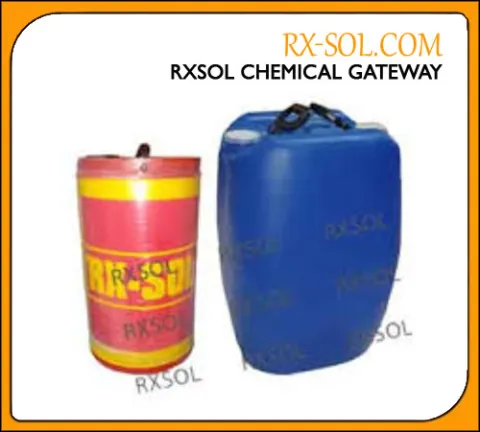
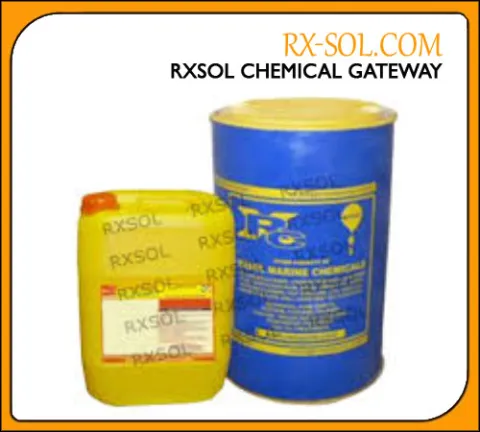
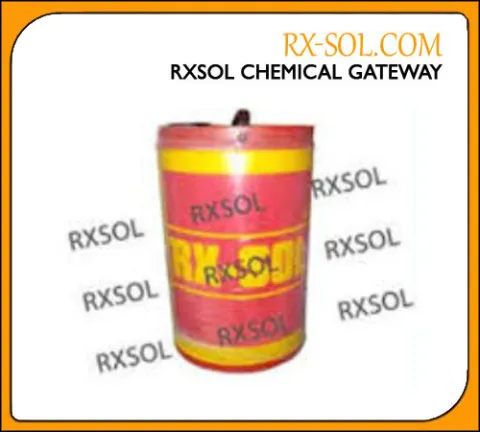
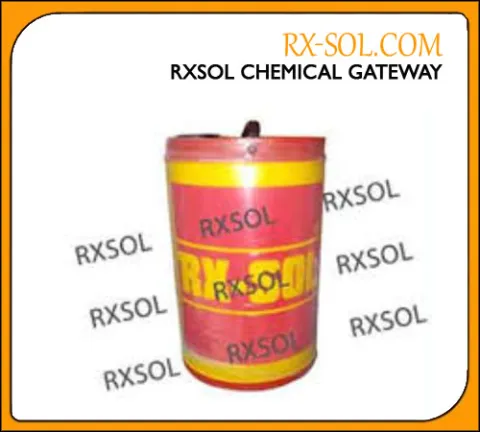
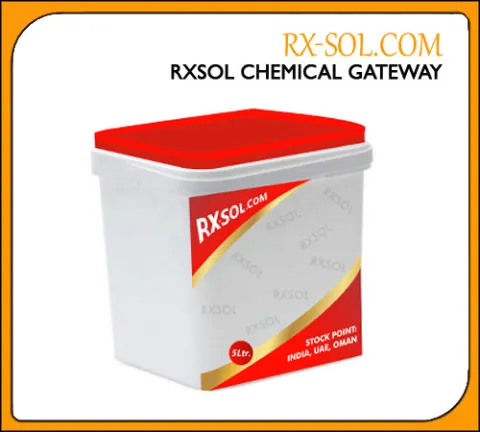
GrindAid 3000
- Part number
- RXSOL-67-1461-210
- Category
- Construction Chem
- Brand
- RXSOL
Overview
GrindAid 3000 is aqueous solution of dispersing agent for use as a grinding aid and pack set inhibitor for the production of Portland and blended cements. GrindAid 3000 is a alkanolamine-dihydroxy chemical based material.
Advantages
- A reduction in ball and liner coating which results in grinding efficiency.
- A reduction in agglomeration which increases classifier throughput.
- An increase in mill output at the same time cement fineness.
- An increase in cement flowability and reduction in pack set.
- Increase in cement strength.
- Reduction in grinding cost.
Technical specifications
| Product Name | GrindAid 3000 |
| pH | 6-9 |
| Sp. Gravity | 1-1.2 |
Applications
T.E.A is used as intermediate in the manufacture of surface active agents, textile specialties, antirust compounds, waxes, polishes, herbicides, petroleum demulsifies, cement additives and cutting oils.
It also finds extensive use in the manufacture of Synthetic resins, as a solvent for casein, shellac and dyes, for increasing the penetration of organic liquids into wood and paper in the production of lubricants for textile industry and in making emulsions with mineral and vegetable oils, paraffin and waxes.
Dosage and directions
Addition rate
GrindAid 3000 is used at recommended standard dosage rate by weight of cement. Individual dosage may vary due to different type of clinker, type of mill, desired mill output and cement performance. The recommend dosage is 0.03- 0.07% by weight of cement.
Dosing equipment
GrindAid 3000 is added to the clinker using a metered dispensing system at the material conveyer. Fosroc representatives will advise the best location for the dispensing system. No water addition is necessary. Fosroc representatives can advise on suitable equipment for installation.
Safety and SDS
Read the safety data sheet before handling. Wear suitable gloves and eye protection.
View safety data sheet
| Product Name | RXSOL-67-1461-210 |
| Product Type | GrindAid 3000 |
Company Details:
RX MARINE INTERNATIONAL
105, A wing , BSEL , TECH PARK.
VASHI ,NEW BOMBAY 400703 INDIA
Branch : Kandla, Mumbai , Chennai, Vizag, Kolkata, UAE , OMAN , CANADA and KENYA
| Phone | +91 22 20871200 - 1400 |
| Fax | +91 22 27612100 :::AOH :0091 9821214367 |
| rxsolchemicals@gmail.com |
|
Chemical Name |
CAS Number |
Weight |
|
Tri Ethanol Amine |
102-71-6 |
20-30% |
| Acetic Acid | 64-19-7 | 5-10% |
| D Ethanol Amine | 111-42-2 | 5-10% |
| Proprietory Blend of strengthening compounds | - | >60% |
| Classification of the substance or mixture | Not a hazardous substance or mixture according to Regulation (EC) No 1272/2008. |
|
Label elements |
Not a hazardous substance or mixture according to Regulation (EC) No 1272/2008. |
|
Other hazards |
This substance/mixture contains no components considered to be either persistent, bioaccumulative and toxic (PBT), or very persistent and very bioaccumulative (vPvB) at levels of 0.1% or higher. |
| General information | No special measures required. |
|
After inhalation |
Supply fresh air; consult doctor in case of complaints. |
|
After skin contact |
Generally the product does not irritate the skin. |
|
After eye contact |
Rinse opened eye for several minutes under running water. |
|
After swallowing |
If symptoms persist consult doctor. |
| Suitable extinguishing media | Water Foam Carbon dioxide (CO2) Dry powder |
|
Unsuitable extinguishing media |
For this substance/mixture no limitations of extinguishing agents are given. |
|
Special hazards arising from the substance or mixture |
Carbon oxides |
|
Advice for firefighters |
In the event of fire, wear self-contained breathing apparatus. |
|
Further information |
Suppress (knock down) gases/vapors/mists with a water spray jet. Prevent fire extinguishing water from contaminating surface water or the ground water system. |
| Personal precautions, protective equipment and emergency procedur | Advice for non-emergency personnel: Do not breathe vapors, aerosols. Evacuate the danger area, observe emergency procedures, consult an expert. For personal protection see section 8. |
|
Environmental precautions |
Do not let product enter drains. |
|
Methods and materials for containment and cleaning up |
Cover drains. Collect, bind, and pump off spills. Observe possible material restrictions (see sections 7 and 10). Take up with liquid-absorbent and neutralising material (e.g. Soda Ash, KOH) Dispose of properly. Clean up affected area. Reference to other sections For disposal see section 13. |
| Precautions for safe handling | Do not get in eyes, on skin, or on clothing. |
|
Storage |
Store in original container. Keep container tightly closed. Store in a dry place. Store in a well-ventilated place. |
|
Hygiene measures |
Wash hands and other exposed areas with mild soap and water before eating, drinking or smoking and when leaving work |
| Control parameters | Components with workplace control parameters |
| Appropriate Engineering controls | Use as general industrial hygiene practice. |
| Personal protective equipment |
Eye/face protection Use equipment for eye protection tested and approved under appropriate government standards such as NIOSH (US) or EN 166(EU). Skin protection Handle with gloves. Gloves must be inspected prior to use. Use proper glove removal technique (without touching glove's outer surface) to avoid skin contact with this product. Dispose of ontaminated gloves after use in accordance with applicable laws and good laboratory practices. Wash and dry hands. Body Protection impervious clothing, The type of protective equipment must be selected according to the concentration and amount of the dangerous substance at the specific workplace. Respiratory protection Respiratory protection not required. For nuisance exposures use type OV/AG (US) or type ABEK (EU EN 14387) respirator cartridges. Use respirators and components tested and approved under appropriate government standards such as NIOSH (US) or CEN (EU). Control of environmental exposure Do not let product enter drains. |
|
General Information |
|
|
Form |
Fluid |
|
Colour |
Clear to light Yellow |
|
Odour |
Ammonia-like |
| Odor Threshold | No Data Available |
| pH | 6-9 at 149 g/l at 25 °C |
|
Melting/Freezing Point |
20.5°C |
|
Boiling point/Boiling range |
335.4 °C at 1.013 hPa - (ECHA) |
|
Flash point |
180°C |
|
Ignition temperature |
305°C |
| Danger of explosion | Product does not present an explosion hazard. |
| Vapour pressure at 20°C | No data available |
| Vapour Density | 05,15 - (Air = 1.0) |
| Density at 20°C | 1.124 g/cm³ |
| Relative Density | No data available |
| Evaporation rate | No data available |
| Flammability (solid, gas) |
No data available |
| Upper explosion limit | 7,2 %(V) |
| Lower explosion limit | 1,3 %(V) |
| Water solubility at 20 °C | Completely soluble |
| Reactivity | No additional information available |
| Chemical stability | The product is chemically stable under standard ambient conditions (room temperature) . |
| Possibility of hazardous reactions |
Caution! In contact with nitrites, nitrates, nitrous acid possible liberation of nitrosamines! Exothermic reaction with: anhydrides,halogenating agents,Nitriles,Oxidizing agents,acids A risk of explosion and/or of toxic gas formation exists with the following substances: Acid chlorides |
| Conditions to avoid | Strong heating. |
| Incompatible materials | Nonferrous metals, Light metals |
| Hazardous decomposition products | In the event of fire: see section 5 |
|
Acute toxicity |
Acute toxicity |
| Irritation/Corrosion |
Skin - Rabbit Result: No skin irritation - 4 h (OECD Test Guideline 404) |
| Serious eye damage/eye irritation |
Eyes - Rabbit |
| Sensitization |
Maximization Test - Guinea pig |
| Mutagenicity |
Test Type: In vitro mammalian cell gene mutation test |
| Carcinogenicity | No Data Available |
| Reproductive toxicity | No applicable toxicity data |
|
Teratogenicity |
No applicable toxicity data |
| Toxicity to Fish |
flow-through test LC50 - Pimephales promelas (fathead minnow) - 11.800 mg/l - 96 h Remarks: (ECHA) |
| Toxicity to daphnia and other aquatic |
static test EC50 - Ceriodaphnia dubia (water flea) - 609,88 mg/l - 48h Remarks: (ECHA) |
| Toxicity to Alge |
static test ErC50 - Desmodesmus subspicatus (green algae) - 216 mg/l - 72 h (DIN 38412) Remarks: (ECHA) |
| Toxicity to bacteria |
static test IC50 - activated sludge - > 1.000 mg/l - 3 h |
|
Persistence and degradability |
Biodegradability aerobic - Exposure time 5 d Result: ca.100 % - rapidly biodegradable Remarks: (ECHA) Theoretical oxygen demand 2.040 mg/g Remarks: (IUCLID) |
| Other adverse effects | Harmful to aquatic life. |
| Bioaccumulative potential |
Bioaccumulation : |
| Results of PBT and vPvB assessment |
This substance/mixture contains no components considered to be either persistent, bioaccumulative and toxic (PBT), or very persistent and very bioaccumulative (vPvB) at levels of 0.1% or higher. |
| Mobility in soil | No data available |
| Remarks | Please consider the relevant national or regional provisions. Waste shall be separated into the categories that can be handled separately by the local or national waste management facilities. |
| Waste Disposal | Dispose as normaly as per local regultion |
| Transport hazard class(es) |
|
||||||||||||||||||||||||||||||
| Marine pollutant | No |
| Safety, health and environmental regulations/legislation specific for the substance or mixture |
This safety datasheet complies with the requirements of Regulation (EC) No. 1907/2006. REACH - Restrictions on the manufacture, placing on the market and use of certain dangerous substances, preparations and articles (Annex XVII) |
| Chemical safety assessment | For this product a chemical safety assessment was not carried out |
| Other Information |
The information above is believed to be accurate and represents the best information currently available to us. However, we make no warranty of merchantability or any other warranty, express or implied, with respect to such information, and we assume no liability resulting from its use. Users should make their own investigations to determine the suitability of the information for their particular purposes. In no event shall be liable for any claims, losses, or damages of any third party or for lost profits or any special, indirect, incidental, consequential or exemplary damages, howsoever arising, even if Rx Marine International has been advised of the possibility of such damages. DISCLAIMER OF LIABILITY :The information in this SDS was obtained from sources which we believe are reliable. However, the information is provided without any warranty, express or implied, regarding its correctness. The conditions or methods of handling, storage, use or disposal of the product are beyond our control and may be beyond our knowledge. For this and other reasons, we do not assume responsibility and expressly disclaim liability for loss, damage or expense arising out of or in any way connected with the handling, storage, use or disposal of the product. This MSDS was prepared and is to be used only for this product. If the product is used as a component in another product, this MSDS information may not be applicable. |
Availability
GrindAid 3000 cement concrete grinding admixture manufacturer supplier in Mumbai, Kandla, Kolkata, Chennai, Vizag, Dubai UAE, Muscat Oman, Kenya, Canada