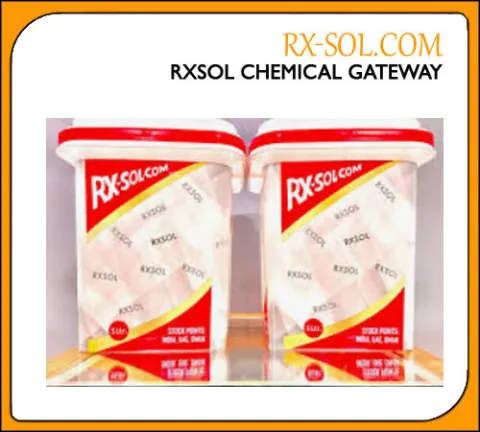
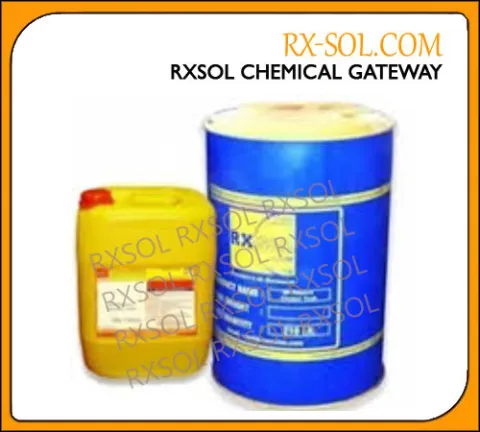
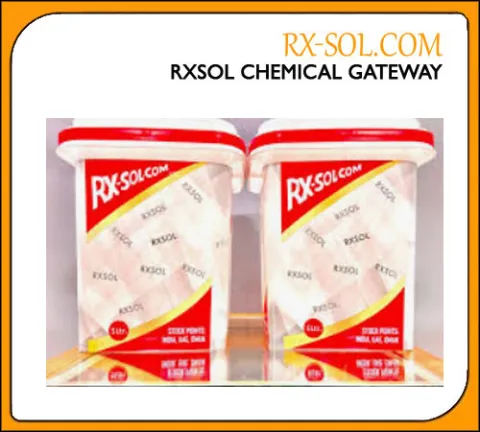
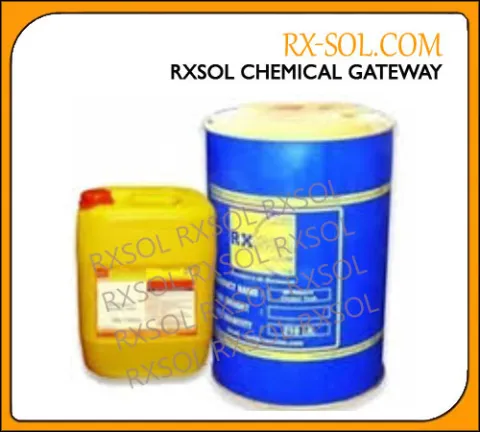
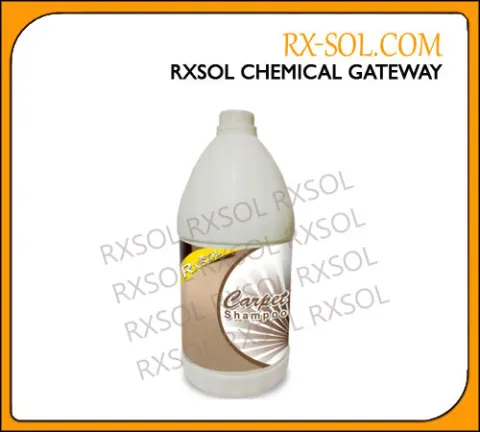
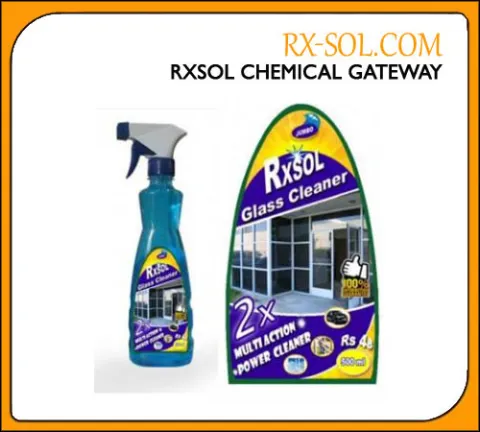
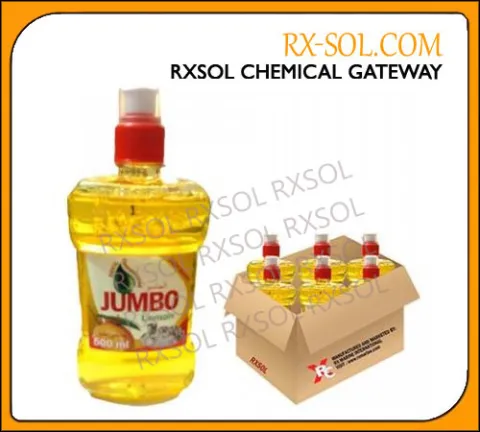
Hob Stainless Steel Cleaner F
- Part number
- RXSOL-15-2658-005
- Category
- House / HOTEL & CATERING
- Brand
- RXSOL
Safety and SDS
Read the safety data sheet before handling. Wear suitable gloves and eye protection.
View safety data sheet
| Porduct Name | Carpet Stain Remover H |
| Part Number | RXSOL-15-2658-005 |
Company Details:....
RX MARINE INTERNATIONAL
105, A wing , BSEL , TECH PARK.
VASHI ,NEW BOMBAY 400703 INDIA
Branch : Kandla, Mumbai , Chennai, Vizag, Kolkata, UAE , OMAN , CANADA and KENYA
| Phone | +91 22 20871200 - 1400 |
| Fax | +91 22 27612100 :::AOH :0091 9821214367 |
| rxsolchemicals@gmail.com | |
| Website | www.rxmraine.com |
| Ingredient | CAS No. | Content |
| ISOPROPYL ALCOHOL | 67-63-0 | 10-30% |
| ETHYLENE GLYCOL MONOBUTYL ETHER | 111-76-2 | 1-10% |
| NON HAZARDOUS INGREDIENTS | Not Available | Reminder |
THIS MATERIAL IS NOT HAZARDOUS ACCORDING TO THE HEALTH CRITERIA OF SAFE WORK AUSTRALIA
| UN No. | None Allocated |
| Packing Group | None Allocated |
| DG Class | None Allocated |
| Hazchem Code | None Allocated |
| Subsidiary Risk(s) | None Allocated |
| EPG | None Allocated |
| Eye | If in eyes, hold eyelids apart and flush the eye continuously with running water. Continue flushing until advised to stop by the Poison Information Centre or a doctor, or for at least 15 minutes. |
| Skin | If skin or hair contact occurs, remove contaminated clothing and flush skin and hair with running water. Continue flushing with water until advised to stop by the Poisons Information Centre or a doctor. |
| Inhalation | If inhaled, remove from contaminated area. Apply artificial respiration if not breathing. |
| Ingestion | For advice, contact a Poison Information Centre on 13 11 26 (Australia Wide) or a doctor (at once). If swallowed, do not induce vomiting. |
| Advice to Doctor | Treat symptomatically |
| Flammability | Non flammable. May evolve toxic gases if strongly heated. |
| Fire and Explosion |
Highly flammable liquid and vapor. Runoff to sewer may create fire or explosion hazard.
In a fire or if heated, a pressure increase will occur and the container may burst, with the
risk of a subsequent explosion. The vapor/gas is heavier than air and will spread along
the ground. Vapors may accumulate in low or confined areas or travel a considerable
distance to a source of ignition and flash back.
Non flammable. Treat as per requirements for Surrounding Fires: Evacuate area and contact emergency services. Remain upwind & notify those downwind of hazard. Wear full protective equipment including Self Contained Breathing Apparatus (SCBA) when combating fire. Use waterfog to cool intact containers & nearby storage areas.
|
| Extinguishing | Non flammable. Prevent contamination of drains or waterways. |
| Hazchem Code |
None Allocated
spray to keep fire-exposed containers cool.Promptly isolate the scene by removing all persons from the vicinity of the incident if
there is a fire. No action shall be taken involving any personal risk or without suitable
training. Move containers from fire area if this can be done without risk. Use water
spray to keep fire-exposed containers cool.
|
| Spillage | If spilt (bulk), wear splash-proof goggles and PVC/rubber gloves. Absorb spill with sand or similar and place in sealed containers for disposal. Wash spill site down with water. For small amounts, dilute with water and flush to sewer. Caution: surfaces may be slippery. |
| Storage | Store out of direct sunlight and out of reach of children, in a cool, dry, well ventilated area, removed from acids, combustible materials and foodstuffs. Ensure containers are adequately labeled, protected from physical damage and sealed when not in use. Check regularly for leaks or spills. |
|
Handling |
Before use carefully read the product label. Use of safe work practices are recommended to avoid eye or skin contact and inhalation. Observe good personal hygiene, including washing hands before eating. Prohibit eating, drinking and smoking in contaminated area. |
Exposure Stds
| Ingredient | Reference | TWA | STEL |
| Isopropyl Alcohol | ASCC(AUS) | 400 ppm 983 mg/m3 | 500ppm 1230mg/m3 |
| EGBE | ASCC(AUS) | 20.0ppm 96.9mg/m3 | 50.0ppm 242mg/m3 |
| Biological Limits | No biological limit allocated. |
| Engineering Controls | Ensure adequate natural ventilation. |
| PPE | Wear splash-proof goggles and PVC or rubber gloves. |
| Appearance | BLUE THIN LIQUID |
| Odor | ALCOHOL ODOUR |
| pH | 7.0 – 8.0 |
| Solubility (Water) | SOLUBLE |
| Specific Gravity | 0.94 – 0.96 |
| Volatiles | NOT AVAILABLE |
| Vapour Pressure | NOT AVAILABLE |
| Vapour Density | NOT AVAILABLE |
| Boiling Point | 100°C (Approximately) |
| Melting Point | NOT AVAILABLE |
| Evaporation Rate | NOT AVAILABLE |
| Flammability | NON FLAMMABLE |
| Flash Point | NOT RELEVANT |
| Upper Explosion Limit | NOT RELEVANT |
| Lower Explosion Limit | NOT RELEVANT |
| Chemical stability | Stable under recommended conditions of storage. |
| Conditions to avoid | Avoid heat, sparks, open flames and other ignition sources. |
| Material to avoid |
Compatible with most commonly used materials. Incompatible with acids (eg. Hydrochloric acid), heat and ignition sources.
|
| Decomposition | May evolve toxic gas if heated to decomposition. |
| Hazardous Reactions | Polymerization is not expected to occur. |
| Health Hazard | Low toxicity. This product may only cause adverse health effects with prolonged and repeated skin contact, direct eye contact or vapour inhalation at high levels. Over exposure may result in central nervous system damage. |
| Eye | Irritant. Direct contact may result in irritation, lacrimation andconjunctivitis. |
| Inhalation | Irritant. Inhalation may cause irritation to the respiratory system, nose and throat irritation, coughingand headache. Over exposure may result in nausea, dizziness and drowsiness. |
| Skin | Irritant. Prolonged or repeated contact may result in mild irritation. |
| Ingestion | Low toxicity. Ingestion of large quantities may result in nausea, vomiting and gastrointestinal irritation. |
| Toxicity Data |
ISOPROPYL ALCOHOL(67-63-0)
LC50(Inhalation):16000ppm/8hours 16000/8hours(rat)
LCLo(Inhalation):12000ppm/8hours(mouse)
LD50(Ingestion):3600mg/kg(mouse)
LD50(Intraperitoneal):667mg/kg(rabbit)
LD50(Intravenous):1088mg/kg(rat)
LD50(skin):12800mg/kg(rabbit)
LDLo(Ingestion):3570,g/kg(human)
LDLo(Intravenous)1024mg/kg(dog)
LDLo(Subcutaneous):6000mg/kg(mouse)
TDLo(Ingestion):13mg/kg(Infant)
ETYLENE GLYCOL MONOBUTYL ETHER (111-76-2)
LC50(Inhalation):700ppm(mouse)
LD50(ingestion):300mg/kg(rabbit)
LD50(skin):230mg/kg(guinea pig)
TCLo(Inhalation):100ppm(human)
TDLo(Ingestion):7813uL/kg(woman)
|
| Environment | Limited ecotoxicity data was available for this product at the time this report was prepared. Ensure appropriate measures are taken to prevent this product from entering theenvironment. |
| Waste Disposal | For small amounts absorb with sand, vermiculite or similar and dispose of to an approved landfill site. If bulk quantities are required to be disposed of, contact the manufacturer for additional information. |
| Legislation | Dispose of in accordance with relevant local legislation. |
NOT CLASSIFIED AS A DANGEROUS GOODS BY THE CRITERIA OF THE ADG CODE
| Shipping Name |
None Allocated
|
| UN No. |
None Allocated
|
| Packing Group |
None Allocated
|
| DG Class | None Allocated |
| Hazchem Code | None Allocated |
| Subsidiary Risk(s) | None Allocated |
| EPG | None Allocated |
| Poison Schedule | A poison schedule number has not been allocated to this product using the criteria in the Standard for the Uniform Scheduling of Drugs and Poisons (SUSDP). |
| AICS | All chemicals listed on the Australian Inventory of Chemical Substances (AICS). |
| Other Information |
The information above is believed to be accurate and represents the best information currently available to us. However, we make no warranty of merchantability or any other warranty, express or implied, with respect to such information, and weassume no liability resulting from its use. Users should make their own investigations to determine the suitability of the information for their particular purposes. In no event shall be liable for any claims, losses, or damages of any third party or for lost profits or any special, indirect, incidental, consequential or exemplary damages, howsoever arising, even if Rx Marine International has been advised of the possibility of such damages. DISCLAIMER OF LIABILITY :The information in this SDS was obtained from sources which we believe are reliable. However, the information is provided without any warranty, express or implied, regarding its correctness. The conditions or methods of handling, storage, use or disposal of the product are beyond our control and may be beyond our knowledge. For this and other reasons, we do not assume responsibility and expressly disclaim liability for loss, damage or expense arising out of or in any way connected with the handling, storage, use or disposal of the product. This MSDS was prepared and is to be used only for this product. If the product is used as a component in another product, this MSDS information may not be applicable. |