Drilling Fluids & Mud Oil Field chemicals
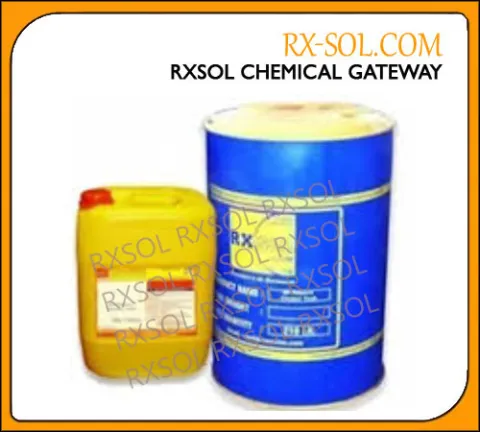
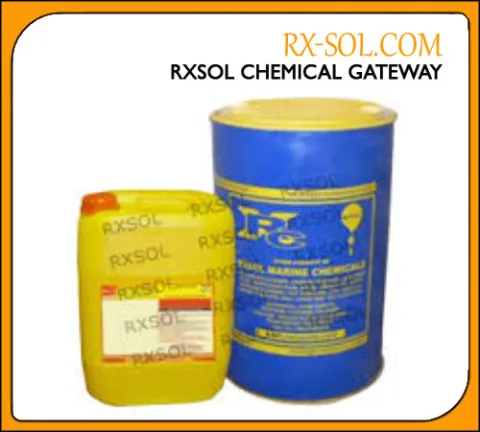
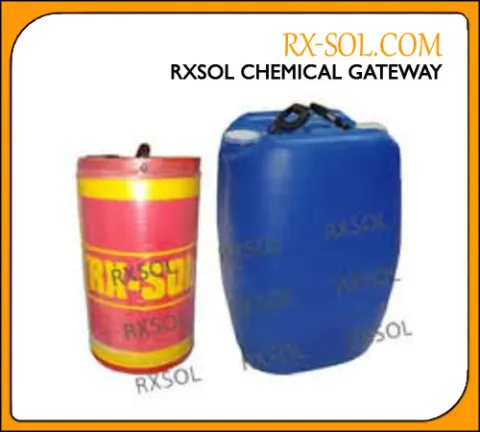
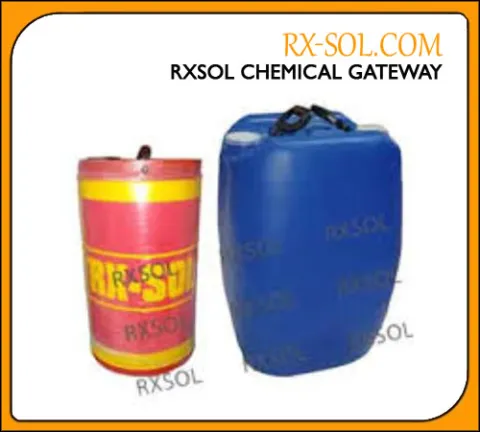
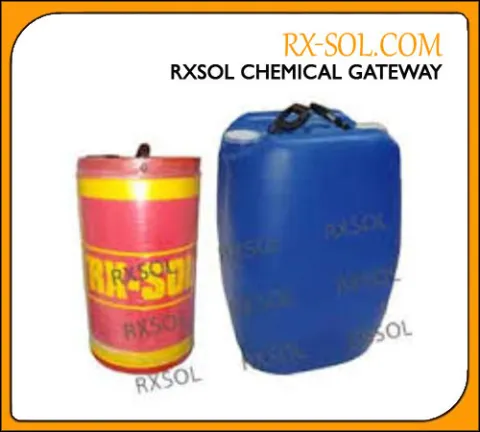
Medium Cloud Point Glycol (RXSOL MCPG)
- Part number
- RXSOL-81-8199-210
- Brand
- RXSOL
Overview
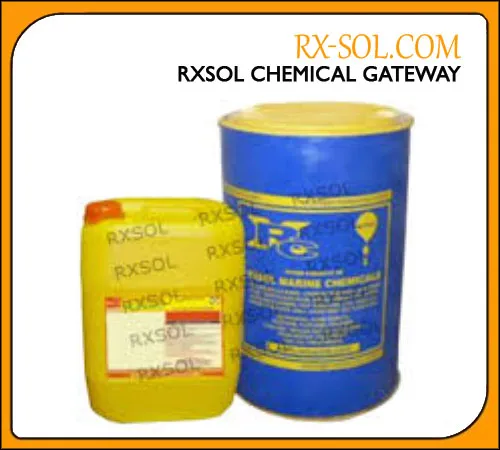
Medium Cloud Point Glycol RXSOL MCPG is a broad cloud-point, wide molecular weight range, additive designed for medium-to-high salinity polyglycol systems. It can provide improved shale stability, lubricity, high-temperature filtration control, plus reduce dilution rates and bit balling.RXSOL MCPG is recommended for freshwater to seawater polyglycol systems. While polyglycols are most effective when used in conjunction with an inhibitive salt in non-dispersed polymer systems, they can be used as additives in most water-base systems.
Technical specifications
|||
| 5.5 | 7 |
|---|
60–72°C @ 3% Solution in 10% KCl ( v/v)
| Odour | Mild |
|---|---|
| Pour Point | -12 ma |
Applications
RXSOL MCPG has application in polyglycol systems in fresh-to-medium salinity makeup water and can be used in wells with low formation temperatures. This medium cloud-point additive helps to stabilize troublesome shales by reducing liquid phase activity and by plugging shale pores, preventing the equalization of hydrostatic pressure away from the wellbore. Polyglycol systems are generally low-to-medium density, nondispersed polymer systems utilizing an electrolyte to activate the cloud-point polyglycol. They have application where troublesome water-sensitive shales are to be drilled, and can be used in lieuof oil-base systems for certain applications. Medium Cloud Point Glycol RXSOL MCPG can be used in Thermally Activated Mud Emulsion(TAME) applications (near the cloud point) or in situations where it is insoluble (above the cloud point).
Dosage and directions
Normal concentrations of RXSOL MCPG range from 2 to 5% or 7 to 17.5 lb/bbl (20 to 50 kg/m3). After the initial treatment, periodic treatments should be made to maintain the desired concentration. Two field test methods are available to monitor the concentration of Medium Cloud Point Glycol RXSOL MCPG .
“Cloud point” is the temperature where polyglycol additives change from being soluble (at lower temperatures) to being insoluble (at higher temperatures). Shale inhibition is improved when the polyglycol is insoluble or “clouded out.” The cloud-point temperature can be reduced by increasing salinity (or other electrolytes) and/or by increasing the concentration of Medium Cloud Point Glycol RXSOL MCPG.
Characteristics and notes
Advantage :
- Improved wellbore stability and shale inhibition.
- Improved lubricity.
- Improved high-temperature filtration control.
- Wide molecular weight range covers wide temperature range.
- Reduced dilution rates and mud consumption.
- Reduced bit balling potential.
- Low toxicity.
Limitation : As an insoluble liquid it causes slight increases in plastic viscosity.
Toxicity And Handling : Bioassay information is available upon request. Handle as an industrial chemical, wearing protective equipment and observing the precautions as described on the Material Safety Data Sheet (MSDS).
Safety and SDS
Read the safety data sheet before handling. Wear suitable gloves and eye protection.
View safety data sheet
| Product Name | RXSOL-81-8199-210 |
| Product Type | Medium Cloud Point Glycol (RXSOL MCPG) |
Company Details:
RX MARINE INTERNATIONAL
105, A wing , BSEL , TECH PARK.
VASHI ,NEW BOMBAY 400703 INDIA
Stock Point : Mumbai, Kolkata, Chennai, Gandhidham, Visakhapatnam, Fujairah, Muscat
| Phone | +91 22 27815541 / 42 |
| Fax | +91 22 2781 1318 :::AOH :0091 9821214367 |
| rxsolchemicals@gmail.com |
|
Ingredient |
CAS No |
Percent |
| Glycol Ether Mixure |
Proprietary |
100 |
The product contains non-hazardous components.
| Signal Word : | None |
| Hazard Statements: |
Health injuries are not known or expected under normal use |
| Eyes: | Slightly irritating but does not injure eye tissue. |
| Skin: | Health injuries are not known or expected under normal use. |
| Inhalation: | Health injuries are not known or expected under normal use. |
| Ingestion: | Intentional misuse by concentrating and inhaling the product can be harmful or fatal. |
| Inhalation: | Move the exposed person to fresh air at once. If respiratory problems, artificial respiration/oxygen. Get medical attention. |
|
Ingestion: |
DO NOT induce vomiting if swallowed. Danger of aspiration and development of chemical Pneumonia. Get medical attention. |
| Skin Contact: | Remove contaminated clothing immediately and wash skin with soap and water. Get medical attention if irritation persists after washing. |
| Eye Contact: | Promptly wash eyes with plenty of water while lifting the eye lids. Continue to rinse for at least 15 minutes and get medical attention. |
| Notes to Physicians | Treat symptomatically. |
| Suitable extinguishing media | Water spray, dry powder or carbon dioxide. and Alcohol resistant foam. |
| Special Fire Fighting Procedures | Cool containers exposed to flames with water until well after the fire is out. |
| Specific Hazards | Fire or high temperatures create: Oxides of: Carbon dioxide (CO2). and Carbon monoxide (CO). |
|
Protective Measures In Fire |
Self contained breathing apparatus and full protective clothing must be worn in case of fire. |
| Personal precautions |
Wear protective clothing as described in Section 8 of this safety data sheet. |
| Enviromental Precaution | Do not allow to enter drains, sewers or watercourses. |
|
Spill Clean Up Methods |
Dike far ahead of larger spills for later disposal. Absorb spillage with suitable absorbent material. Shovel into dry containers. Cover and move the containers. Flush the area with water. |
| Handling | Do not get this material in your eyes, on your skin, or on your clothing. Wash hands after handling and before eating. Do not handle or store near an open flame, heat or other sources of ignition. |
| Storage | Use care in handling/storage. Keep containers tightly closed in a dry, cool and well-ventilated place. Do not store in aluminum containers. Store in a cool place |
| Advice on general occupational hygiene | Wash hands after use. Do not to eat, drink and smoke in work areas. Remove contaminated clothing and protective equipment before entering eating areas. |
| Engineering Control | Provide adequate general and local exhaust ventilation. |
|
Respiratory Equipment |
No specific recommendation made, but respiratory protection may still be required under exceptional circumstances when excessive air contamination exists. Chemical respirator with organic vapour cartridge. |
|
Hand Protection |
Chemical resistant gloves required for prolonged or repeated contact. Use protective gloves made of: Polyvinyl chloride (PVC). Butyl rubber. and Nitrile. |
| Eye Protection | Wear approved chemical safety goggles where eye exposure is reasonably probable. |
| Other Protection | Wear appropriate clothing to prevent repeated or prolonged skin contact. Provide eyewash station. |
Gloves Suit
| Appearance | Liquid |
| Colour | Clear / Brown |
| Odour | Mild |
| Solubility | Miscible With Water. |
| Boiling Point | > 120°C |
| Vapour Pressure | <0.931 Kpa (<7mm Hg) |
| Flash Point (°C) | > 140 Pm Closed Cup. |
| Relative Density | 1012 Kg/M3 (1.012 G/Cm3) @15°C |
| Viscosity Kinematic: | 7.3 Mm2/S (7.3 Cst)@ 40 °C |
| Stability | Stable under normal temperature conditions. |
| Materials To Avoid | Acids, oxidising. Strong oxidising substances. |
| Possibility of hazardous reactions | No dangerous reaction known under conditions of normal use. |
| Incompatible materials |
Avoid to contact with strong acids Avoid to contact with oxidizing agents. |
| Polymerization | Will not occur. |
| Route of Exposure | Inhalation, Eye contact, Skin contact |
| Eyes |
Causes serious eye damage. |
| Skin | Causes severe skin burns. |
| Ingestion | Causes digestive tract burns |
| Inhalation | Inhalation of vapours leads to irritation of respiratory tract and mucous membranes, headache, nausea, dizziness, vomiting. Sensitisation possible through inhalation |
| Chronic Exposure | Health injuries are not known or expected under normal use. |
| Acute oral toxicity | LD50 200-2,000mg/kg |
| Acute inhalation toxicity | No data available |
| Acute dermal toxicity | No data available |
| Classification | The classification was made by the conventional (calculation) method of Dangerous Preparations Directive(1999/45/EC) |
| Environmental Effects | No data available |
| Toxicity to fish | No data available |
| Toxicity to daphnia and others | No data available |
| Toxicity to algae | No data available |
| Biodegradability | > 60% (28 d) |
| Persistence and degradability | No data available |
| Bioaccumulative potential | No data available |
| Mobility in soil | No data available |
| Remarks | Please consider the relevant national or regional provisions. Waste shall be separated into the categories that can be handled separately by the local or national waste management facilities. |
| Waste Disposal | The product should not be allowed to enter drains, water courses or the soil. Where possible recycling is preferred to disposal or incineration. If recycling is not practicable, dispose of in compliance with local regulations. Dispose of wastes in an approved waste disposal facility |
Hazard Pictograms:
| UN Number | UN3265 |
| Proper shipping name | CORROSIVE LIQUID, ACIDIC, ORGANIC, N.O.S. (2,2-Di-Bromo-3-Nitrilo-Propionamide) |
| Transport hazard class(es) 8 | |
| ADR/RID | 8 |
| Subsidiary risk IMDG | 8 |
| Subsidiary risk IATA | 8 |
| Packing group | |
| Packing group | III |
| Environmental hazards | |
| Environmental hazards | No |
| Marine pollutant | No |
| ADR/RID | |
| Hazard ID | 80 |
| Tunnel Category | (E) |
| IMDG | |
| EmS Code | F-A S-B |
| IATA | |
| Packing Instruction (Cargo) | 856 |
| Maximum quantity | 60 L |
| Packing Instruction (Passenger) | 852 |
| Maximum quantity | 5 L |
| Regulations |
In accordance with REACH Regulation (EC) No 1907/2006 as last amended with respect to SDS provisions by Commission Regulation (EU) 2015/830. COMMISSION REGULATION (EU) No 453/2010 of 20 May 2010 amending Regulation (EC) No 1907/2006 of the European Parliament and of the Council on the Registration, Evaluation, Authorisation and Restriction of Chemicals (REACH), establishing a European Chemicals Agency, amending Directive 1999/45/EC and repealing Council Regulation (EEC) No 793/93 and Commission Regulation (EC) No 1488/94 as well as Council Directive 76/769/EEC and Commission Directives 91/155/EEC, 93/67/EEC, 93/105/EC and 2000/21/EC. |
| Chemical safety assessment | No data available. |
| Further information |
FOR INDUSTRIAL USE. Water Hazard Class:. WGK 1. PR Number - 1821143. Product Declaration Number - P-14188 (Norwegian). |
| Other Information |
The information above is believed to be accurate and represents the best information currently available to us. However, we make no warranty of merchantability or any other warranty, express or implied, with respect to such information, and we assume no liability resulting from its use. Users should make their own investigations to determine the suitability of the information for their particular purposes. In no event shall be liable for any claims, losses, or damages of any third party or for lost profits or any special, indirect, incidental, consequential or exemplary damages, howsoever arising, even if Rx Marine International has been advised of the possibility of such damages. DISCLAIMER OF LIABILITY :The information in this SDS was obtained from sources which we believe are reliable. However, the information is provided without any warranty, express or implied, regarding its correctness. The conditions or methods of handling, storage, use or disposal of the product are beyond our control and may be beyond our knowledge. For this and other reasons, we do not assume responsibility and expressly disclaim liability for loss, damage or expense arising out of or in any way connected with the handling, storage, use or disposal of the product. This MSDS was prepared and is to be used only for this product. If the product is used as a component in another product, this MSDS information may not be applicable. |
Availability
Medium Cloud Point Glycol RXSOL MCPG manufacturer and supplier in Mumbai, Gandhidham, Chennai, Visakhapatnam, Kolkata, Fujairah, Sharjah, Abudhabi, UAE Middle East, Muscat - sohar Oman