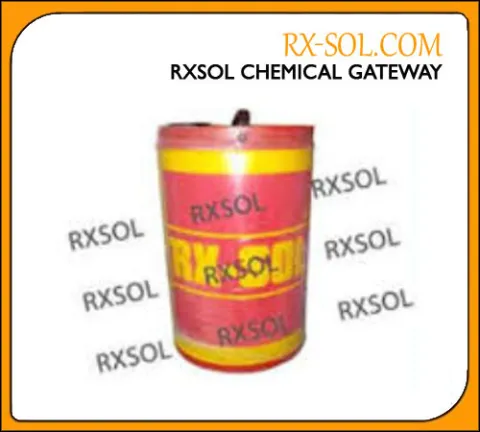
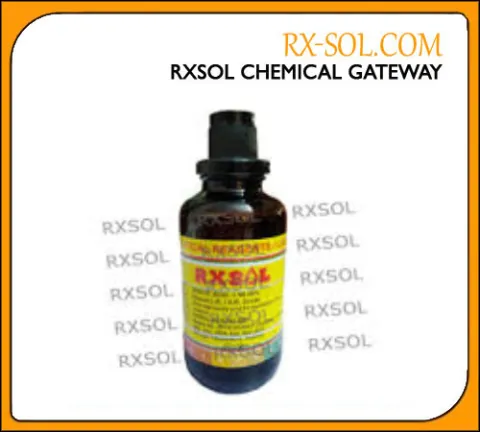
Methanol Lab Grade 5Ltrs Packing
- Part number
- RXSOL-60-6100-005
- Category
- Lab Chemical
- Brand
- RXSOL
Overview
Significance and Use
The methanol wall wash test is performed to determine the cleanliness and suitability of cargo tanks or compartments on a marine vessel prior to loading of high quality requirement like polyester grade monoethylene glycol. As it is adversely affected by oxygen, hydrocarbons, water and chloride. It is especially susceptible to aromatic contamination, which degrades UV transmittance. Possible sources of contamination are the prior cargoes and cleaning agents. The methanol wall wash procedure provides a representative sampling of the impurities and contamination present on the sides of the cargo tank.
This test method covers the methanol wall wash procedure and the chemical and physical analysis of the wall wash sampling for cargo tanks of marine vessels handling polyester grade monoethylene glycol.
The methanol wall wash procedure provides a representative sampling of the impurities and contamination present on the sides of the cargo tank. The test methods used for analysis of the methanol wall wash samples are capable of determining low levels of impurities or contamination in methanol. These tests include appearance, color, hydrocarbons and chloride.
The producers of sensitive cargo like polyester grade monoethylene glycol need confirmation of the cleanliness and suitability of the marine vessel’s tanks prior to loading with in-specification material. Cargo tanks that do not pass the wall wash test should not be loaded.
Technical specifications
| PRODUCT NAME | : | METHYLALCOHOL |
| CAS number | : | 67-56-1 |
| UN number | : | 1230 |
| Formula | : | CH3OH |
| Odour | : | CHARACTERISTIC |
| Solubility in water | : | COMPLETE |
| Density | : | 0.792 at 20 oC |
| Boiling point | : | 65 oC |
| Melting point | : | -94 oC |
| Viscosity | : | 0.62 cp at 15oC |
| Flashpoint | : | 12 oC |
| Explosive limits | : | 5.5 – 37 Vol% |
| Vapour pressure | : | 127 mbar at 20 oC |
| Skin absorption/irritation | : | YES |
| TLV Country NL Year 1995 | : | 200 S ppm 260 S mg/m3 |
| Pollution category 1994 | : |
D |
Characteristics and notes
This text contains is a typical procedure used on one of my previous ships to convert from high brix (93) Columbian Molasses to MEG fibre grade for UCC.
Olefins, Pthalates, Adipates, Fatty acids and Fatty alcohols are bad previous cargoes for next wall wash cargoes.
Wall wash test for Mono Ethylene Glycol fibre grade is the most stringent.
When you take a wall wash ensure the tank is perfectly dry ( especially zinc coated tanks ). There can be no sea spray as WWT is a weather permitting procedure especially for MEG (fg) where chlorides fail for union carbide corporation at 0.249 ppm. Tell master to alter course during ventilation and wall wash. FW rinse area around tank entrance to remove salt from sticking to shoe cover. Suspect like a paranoid moron that every thing that the methanol comes in contact with , till you write down the results could be dirty . Do not be stingy with lab methanol. Ensure your sweat drop does not alter results.
Wallwash is taken from 4 parts of all 4 bulkheads—but not from corners,which do not count as a standard value. Surveyors must be accompanied inside tanks by a responsible person.
For Wall Wash take into the tank one litre of Methanol. Only 200 cc 1/5 of this amount is brought out for testing. After filling up squirt bottle with methanol, analyse for HC and CL first before taking into the tank.
WWT surveyor must not wash more than 6 feet height. He also cannot wash the bottom unless you are loading Hexene 1/ potable Ethanol etc.. Floor areas are tested by placing ( not wiping ) filter paper on a spot wetted by Methanol. This paper is placed inside a sample bottle and 50 cc test Methanol is added for every piece of filter paper. If any surveyor wipes bulkheads with Methanol soaked instead of squirting Methanol using a polyethylene squirter , tell the master as this is not a representative sample of the action of liquid on the bulkhead .
Methanol spray by crew to beat the surveyor is not a bright deed in the context of MEG FG as all you do is to bring the dirt from sides to bottom. So mop bottom sides with sponges and DI water. No rags are allowed as more than 10 suspended particles in the first foot sample fails for MEG FG. Use torch beam at zero incidence in a dark tank to detect lint shed from paper shoe covers.
Various tests done all over the world are---- (remember all of them may not be applicable to your cargo, so find out well in time. The main ones are HC, CL and PTT. )
1)Visual first impression
No condensation moisture on cold interface bulkheads or deck head,no blistered or open splits on epoxy coating, no white coloured patches of Zinc salts or Calcium and Magnesium sea water salts , no black rouge Fe3O4 tattoed into stainless steel active surfaces from oxidised welds, no red Fe(OH)3 due to boiler water alkaline additives etc, no green vitriol Ferrous Sulphate patched on stainless steel active areas. Use Bufferclean Citric acid of pH 5.5 to remove salts from zinc tanks and adsorbed ( this is a surface phenomenon in zinc tanks and is different from absorbed ) previous cargo reactant matter. Dye out is an organic stain remover.
2)Odour of tank
Meg is odour absorbing . Use lac to remove odour in SS tanks. Acrylates have their own smell killers like Monoethanolamine and air fresheners marketed by tankcleaning chemical companies. After a strong smell cargo if the next cargo is odor sensitive the seals of tank dome / butterworth ports may have to be exchanged. Pyridine cargoes give very strong odour.
3) Colour of Methanol wash
Colour 5 Apha (or Saybolt ASTM D12095) is required for the MEG fg wash ( highest spec.) . Must see in day light or fluorescent light against a white sheet of paper at night. Use the magnifying glass or even your reading glasses
Apha solution is platinum chloride solution. The number of cc Apha solution ( min is 5 cc ) for Apha 5 added to distilled water gives the shade number.
Lightest is +30 Saybolt and darkest is -16 used only in the petroleum industry. Water White standard colour is in the range of +30 to +20.
Apha zero means clear. In your wall wash lab you must have comparator nessler tube ready made solutions of A5 A10 and A20 ( always in multiples of 5 ).
The standard apha solutions are stable for many days but should be done again after one week. The stock solution is stable for an indefinite period if kept in a refrigerator.
Proforma: ml of 500 APHA Stock Solution Diluted to 100 ml with Distilled Water/ APHA number
1/5
2/10
3/15
4/20
Slightest colour in previous cargo can cause untold problems with wall wash of zinc tank. Don’t allow dyed CPP unless you are looking for big trouble. However dye out bleach can be used to remove dye of gasolenes.
4)Suspended matter in wash:
Check in a dark room , against black background. Shine thin beam torch from bottom of a round bottom tube . MEG fg WWT fails with a single suspended particle. For first foot it is ten. Particulate matter which sink to the bottom is not a cause of failure for MEG fg.
Remember colloidal particles readily pass through ordinary filter papers. Animal membranes can hold them.
The path of light through a colloidal suspension is called a Tyndall cone.
Filter papers are made of particular pore size by impregnating ordinary filter paper with colloidal particles. Colloids may be coloured or transcluscent due to Tyndall effect. Tyndall effect is the scattering of light by particles in the colloid.
5) Chlorides
UCC wants 0.249 ppm for pass. Black back ground check with torch from under. Ashore done by gas ion chromatographs. Lab methanol is tested to 0.100 ppm chloride by ion chromatography. Method used for separating dissolved substances by partition or aDsorbsion is called chromatography.
Photospectrometer and conductivity meter can be used on board. The Whatman #42 filter paper used prior chloride test is chloride free and ashless. If you don’t have a good filter paper leach it with lab methanol.
Glycols, Methanol and Ethanol are very sensitive to contamination by chlorides.
It is MOST important to run both wash samples and standards solutions simultaneously and view them together as the silver chloride turbidity produced continues to undergo a photochemical reaction.
Use pipette bulb, do not pipette by mouth.
6) Hydrocarbons
Found out by looking for time taken for bubbles to disappear or foam on top. Now this foam could be old Genepol extracted from pores by methanol in a zinc tank. If previous cargo is insoluble in water HC WWT may fail. So use HC free cleaner to pass the HC test.. This test can be called water mixibility test. Can be shaken 1:4 (not strict ) or 1: 2 ( very strict ). In Kuwait they overdo it and do 1:1.
When a light beam is used it is called Tyndal test. Methanol is very sensitive to oil contaminants. Light beam is deviated by HC contaminants . Turbidity ( milky emulsion )is a measure of refraction of the liquid. No beam means HC free. Faint white beam means 1 ppm HC. Blue beam means excess of 2 ppm. Remember blue colour of sky is due to the scattering of light by colloidal particles of dust in the air and not due to HC.
Methanol is very sensitive to oil contaminants.
Celanese report HC as ppm n-Heptane. They make various standard solutions by mixing n-Heptane with Methanol and water.
Some rubber and plastic release HC. So only approved equipment should be used.
In many ports the HC test is pass or fail, no attempt is made to estimate quantity of hydrocarbons as the turbidity produced depends on the actual hydrocarbon . This is because certain chemicals like L A B (linear alkyl benzene) give turbid solutions at very low ppm concentration whereas Toluene and other aromatics require extremely high concentrations before it can be detected .
After a failed WWT it is good practise to rinse the tube several times with water/lab methanol with the use of a bristle brush.
7) PTT
Look down into tube kept in a cold 15C water bath of white colour in daylight or fluorescent tube light. Low PTT is often the result of a reducer remaining on the tank surface which could be the cargo itself.Bleach is known to be contrary to a reducer and is an oxidising agent. Recirc at 50 deg after opening the pores of the coating. Wash old PTT tested glass in HCL, then water and then Methanol. The pinkish purple of the Potassium Permanganate solution changes to straw yellow ( Manganese di Oxide ). Extreme of pH can interfere with test. Check every 5 minutes . PTT test detects all inhibited chemicals. Make new KMNO4 solution every 3 days and store in an amber coloured bottle.Under purest condition PTT test will run for 120 minutes. PTT test fails only when contaminants react with KMNO4. HC does not react with KMNO4. So PTT time can be increased by Bleach or Chlorinated solvents . An equivalent of Stolt X is marketed by chemical companies too to neutralise the effects of Acrylic Monomers.
To get the true color of the faded straw yellow a standard solution of platinum cobalt (Uranyl Nitrate ) is available in the market.
The Potassium permanganate solution should be stored in brown bottles and in the dark.
Even if the PTT test taken on board before arrival passed, gives no quarantee to have the same result from the surveyors test. (Different spots taken by surveyor).
Glass apparatus that have a `brown film' should not be used as it is Manganese di-oxide, the reduced product of potassium permanganate. This will catalyse the oxidation/reduction decolorisation process of potassium permanganate and will give less PTT time. Glassware is cleaned by overnight immersion in an acid bath of 50% hydrochloric acid. The clean tubes must then rinsed well in tap water followed by DI water / Methanol.
Similarly, the flask containing stock solution of potassium permanganate requires cleaning between batches of fresh solution. The last rinse should be with fresh potassium permanganate solution and not methanol.
Uranyl nitrate is HIGHLY TOXIC. This substance must not come into contact with the skin and NEVER be pipetted by mouth. Treat the Uranyl nitrate/ Cobaltous chloride standard solution with care.
8) NVM :
To determine the weight of residue left on the surface. Spray Acetone / Hexane on a small area. If sprayed area has a visible boundary ( bur n marks ), non volatile matter is there. NVM consists of high BP sediments, dirt, rust etc.
Ashore it is done by evaporating the Methanol wash and weighing.
9) pH:
Ph value greater than 9 ( boiler alkaline additive ) in the pipelines will cause the MEG fg deslopping contents to take the tinge of Venetian red. For certain cargoes like Phenol the pH test is check for acidity.
10)COD test: chemical oxygen demand test. The impurities are extracted by methanol and analysed with an oxidiser like Pot Dichromate.
Procedure-
After a prolonged hotwash allow the tank to rest prior doing wwt.
Go to tank and collect 200cc of wash in a clear bottle. To achieve this you must squirt at least 500 cc from a polyethylene squirter to allow for spillage. Never miss the leading edge of dirty wash flowing down the wall. Make your own funnel by slicing off a Polyethelene bottle with an extremely sharp box cutter blade. Mate it on a porthole glass pour methanol and see it does not spill even a drop. The neck of this funnel must lead direct into the sample bottle ( narrow neck ). With a gloved hand you must be able to hold both, the other hand for the squirter.When you dispose wash Methanol in CCR sink run the water tap as a safety measure lest it gasses up a sleeping seaman in a cabin.
Always use same pipette for each lab ingredient, do not change. Wash funnel after each use inside the tank—make SURE. Use parasol to prevent salt spray ingress into tank.
HC test:
25cc wash plus 75 cc distilled water in a stoppered tube. Shake vigorously and stand. Come back after 20 minutes and if there is foam layer on top test has failed. To pass it must look like distilled water. For places like Kuwait the HC test is so strict that it is better to use 1:1 ratio. If you shine a torch beam from the side it must not look blue.
Ashore they qualitatively filter the wash using 5A filter paper or Whatman 42 after leaching the paper with Methanol to remove industrial paper chlorides.
Chloride test:
50cc un-filtered wash add to 30 cc distilled water shake well to dissolve salt and then filter qualitatively.
Colloidal particles are not simple molecules but physical aggregation of molecules . They readily pass through ordinary filter paper.. Turbidity is a measure of the refraction of the liquid. Colloidal matter indicates hydrocarbons, chlorides and other residues.
Note: Methanol cannot dissolve salt or loosen the sodium cation/chloride anion from the NaCL ionic bond. -only water with high solvent power and high dielectric constant can do this. NaCL crystal is extremely strong and rigid. A Sodium ion is equally attracted to 6 Chloride ions.
To this 80cc mixture--- add 1/2 cc silver nitrate( strength 10%) plus 2cc nitric acid ( strength 20%) plus 17.5 cc di water to make 100 cc total.
Shake and stand for 5 minutes. Compare milkiness with a standard comparator of 1ppm made as follows:
50cc Methanol + 4cc standard Chloride soln ( strength 10ppm ) + 1/2 cc Silver Nitrate ( strength 10%) + 2cc Nitric acid ( strength 20%) + 43.5 cc DI water to make total 100cc solution . Memorise this milkiness as the failing standard for the current voyage.
(for 0.5 ppm comparator put 2 cc of standard chloride soln, for 0.250 ppm put 1 CC.) For 2 ppm put 8cc NaCl ----for 4ppm put 16cc NaCl.
Why Nitric acid ??--- Nitric acid parts the silver vide the assaying process as chemically silver is not active and dissolves only in strong Nitric acid or H2So4.
The method of not involving Nitric acid in the Chloride test could pass a ship staff tank WWT , while a shore gas ion chromatograph will fail the sample for Mono Ethylene Glycol fibre grade. Nitric acid decomposes Sodium Cyanide and Sodium Sulphide which otherwise form precipitate with AgNO3 and thus interfere with the lab test.
KMNO4 PTT test---
It is easy to fail this test if gasolene dye fillers / cutters or inhibitor chemical is present.
Hydrocarbons do not react with KMNO4.
50cc filtered wash + 2cc KMNO4 ( 0.02 % strength ). Mix 0.1 gms of the solid in tube to 500 cc of di water to get 0.02% strength. It takes 1.5 hrs for the KMNO4 crystals to dissolve. The pot life is only 3 days so keep it in the fridge in a amber coloured bottle. Keep in a dark place at 15C.Note the time taken for the purple pink colour to change to straw yellow .Must hold for 50 minutes in the bath of 15C in a dark place. Check every 5 minutes.
Use HCL, then DI water, then Methanol to wash glass , then water and finally Methanol. Under the purest conditions KMNO4 test will run 120 min. If the bath is colder than 15C the test will run longer.
For PTT 50 min at 15 deg C = 30 min at 20 deg C= 20 min at 28 deg C.
Do PTT tests for all tanks at same time—this way you know which tank is the best/ worst.
Notes---
1) Use new latex surgical gloves for each tank. Wash gloves in tank after wearing with Methanol. Use different droppers pipettes for different reagents.
2) No smoking in CCR when the lab test is going on.
3) Write down results immediately
4) Some types of plastics release hydrocarbons. So better use glass bottles.
5) Surveyors methanol should be 0.100 ppm.
6) If PTT test fails you must witness a retest using freshly prepared ships KMNO4 solution.
Strengths:
For 20% HNO3 add 20ml conc HNO3 to 80 ml water.
For 10% AGNO3 dissolve 100 gms of reagent grade AGNO3 in 900 ml water.
For NaCL 10ppm dissolve 10 mg NaCL in 1 litre water.
For KmNO4 0.02% dissolve 0.1 grams crystals in 500 CC water.
We will need to update operator and charterers daily with numbers of WWT. As long as the results get better-- ship cannot go offhire in a court of law.
Reporting to office by email : Code for HC CL and PTT
Tank identity
HC/ scale of nil/ low/ med/ high
CL/ ppm 0.249 to 15 ppm.
PTT/ 50 min at 29 deg C
Compare this with Methanol requirements . You will realise Methanol standard is very low when compared to MEG fibre grade.
Cl/ 2.0
Colour/ 15 Apha.
Suspended matter/ not so stringent
Odour/ allowed
Moisture/ Methanol does not absorb oxygen and moisture.
When you copious spray methanol in a tank first ensure the bulk methanol has less than 1 ppm chlorides and shelf life is <3>
In my experience I have measured 1.5 ppm chlorides in Methanol of 200 litre drums.
Keep Draeger tube for methanol ready. Bring ppm to <80>
Be happy in your work. Only then you can pass the WWT and first foot.
This reagent procedure is so exact that all your readings taken by different people should be the same. After all you are just comparing with a standard solution.
Remember that wall wash test is all about comparing ( holding side by side) the washed unknown solution with a standard known solution---
This is to eliminate
1) contaminated
2) expired
3) unknown strength
--reagents from interfering with your results.
So first you must make standard solutions using pure distilled water and pure lab methanol and memorise its milkiness. Later when you have more experience you need not do this , --- then only it will be a true ‘ on the spot’ roving test.
Have in your boiler suit pocket 2 squirters. One with pure lab methanol and other with distilled lab water. Also have 2 test tubes marked for 20CC.
No filtration is done .
Fast test chlorides:
Take 10 CC methanol wash and 10 CC distilled water. Put one drop of Silver Nitrate (10%). Shake with a stirring gentle motion and compare milkiness with memory in a dark place .
Once in a while test---
Tankcleaning fresh water (fresh water quality )
Amberlite filter discharge ( DI water quality )
Condensate water from steam inlet main pipe ( steam quality)
Bulk methanol from 200 litre drum ( methanol shelf life ). Never use the bottom 2 inches in drum.
Fast test hydrocarbons:
Take 5cc Methanol wash and add 15 CC distilled water, shake vigorously and see the time taken for bubbles to disappear. It should disappear in 30 sec and then look like distilled water. Make sure the tank surface is dry.
This roving test is only for “intermediate on the spot tests” by chief officer , and should not be used as a substitute for final test.
Wash flowing down bulkhead must be collected at the leading dirtiest edge by dragging the funnel down.
Miscellaneous tests:
If the nest cargo is wall wash make sure you use good salt water for washing. Don’t wash with muddy water and spoil your tank when washing near the coast or at mouths of rivers and harbours. In many seas you find cargoes like molasses and palm oils in substantial quantities.
To test sea water for plankton mix 75 ml water with 25 ml Acetone . If plankton is present they will settle down at the bottom.
Acid wash test for BTX: to check for contamination of aromatics by oil. Or to determine if petroleum hc are present in aromatic compounds.
To test cleanliness of tank dip cotton in toluene and wipe one sq metre of bulkhead. Wring out the toluene to test.
7 cc Sulphuric acid + 21 ml Toluene wash shake 100 times and stand for 10 min . Should be clear if no oils or fats are present. Color of acid at the bottom of the tube is compared with standard shades
NaOH fatty acid test:
The quantity of fatty acid in veg or animal oils is a measure of the quality of oil or the degradation which occurred during transport. The sample is first dissolved in alcohol and afterwards neutralised with NaOH. The quantity of NaOH required is a direct indication of the acidity of the oil. You can use ph value paper to detect the change or do a titration with coloured lab reagent phenophtelein—to indicate the change from acid to neutral ( end point of titration ) to alkali.
Even if miniscule amount of previous cargo is seen visually , never conduct WWT or never start to remove hydrocarbons by methanol spray or to improve PTT. Don’t spend costly chemicals and time in vain.
Chemical Grade Methanol
Lab methanol must have minimum specs as follows-
Permanganate Fade Time (Min) - 100 minimum
Chloride, as cl (ppm wt) - 0.05 maximum +
Colour (APHA) - 1 maximum
Hydrocarbon test - PASS
Residual odour * - NIL
(*) Residual odour is determined by evaporating 100 ml of methanol on a 10 cm filter paper. The paper, when just dry, is tested for any odour. None should be detected. It is permitted to use a fan blower to assist evaporation.
WALL WASH EQUIPMENT
( to be ordered from dedicated wall wash lab store )
1) Reagent Silver Nitrate—strength 10% / 250 cc –2 Bottles
2) Reagent Nitric acid --- strength 20% / 500 cc- 2 bottles
3) Reagent Potassium Permanganate crystals – 0.1 gms in stoppered tubes/ 12 tubes
for making 0.02% solution on the spot.
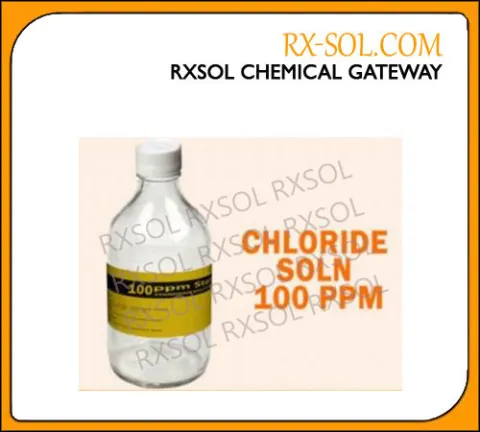
4) Reagent Standard chloride solution ---strength 10 ppm/ 500cc—2 bottles
5) 5 Apha, 10 Apha, 15 Apha--Standard comparator solution in stoppered tubes
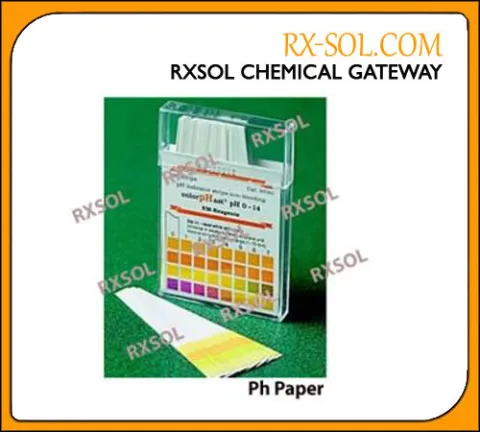
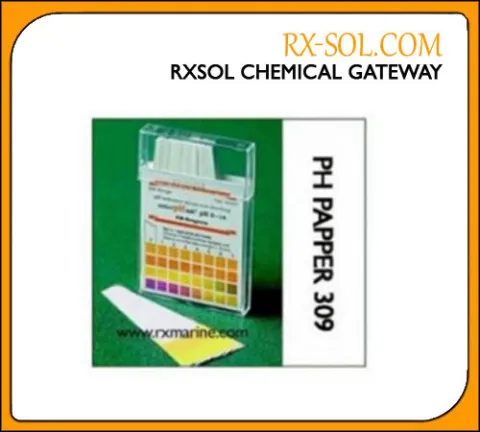
6) pH value paper colour comparator strips 1 to 14—4 boxes
7) Nessler tube with round bottom 100 CC and white markings / 16 nos
8) Stand for above tubes
9) Nessler tube with flat bottom stand 50 CC/ 24 nos
10) Polyethylene methanol wall wash squirt bottles 500 cc/ 4 nos
11) Polyethylene wall wash funnel with flat side and 60 deg angle short stem/ 4 nos
12) Pipette glass pyrex brand 5 CC/ 4 nos ( graduated)
13) Pipette glass pryes brand 10 cc/ 4 nos ( graduated )
14) Conc Hydrochloric acid/ 500 CC
15) Lab grade methanol chlorides < 0.05 ppm / 60 litres
16) DI water/ 60 litres
17) Thermometer 0 to 100 deg C/ 3 nos
18) Ice box portable with white interior to hold at least 12 nessler 100 CC tubes vertically
19) Sample bottles wide mouth transparent glass 500 CC/12 nos
20) Wall wash plastic bucket/ 2 nos
21) Parasol wide 2 metres dia/2 nos
22) Washing brush for nessler tube/ 2 nos
23) Penlite torch / 2 nos
24) Disposable vinyl gloves/ 100 nos
25) Disposable shoe covers plastic—lint free / 100 nos
26) Filter paper 5A and Whatman 42# 10 cm paper filter qualitative, white / 100 nos each
27) Palladium chloride solution/ 50 cc
28) Disposable 5CC pipettes—100 nos
29) Lab grade acetone ( for NVM and Plankton of sea water )— 20 litres
30) Stainless steel funnel / 2 nos
31) Sponges for Lint free mopping and wiping steam coil bottoms.
32) Methanol Draeger tubes 50ppm –3000 ppm range / 50 nos ( expiry dates to note )
Safety and SDS
Read the safety data sheet before handling. Wear suitable gloves and eye protection.
View safety data sheet
| Product Name | RXSOL-60-6103-2_5 |
| Product Type | METHANOL (LAB GRADE) |
Company Details:
RX MARINE INTERNATIONAL
105, A wing , BSEL , TECH PARK.
VASHI ,NEW BOMBAY 400703 INDIA
Stock Point : Mumbai, Kandla, Chennai, Kolkata, Visakhapatnam, Fujairah, Muscat
| Phone | +91 22 65113333 / 5555 / 9999 / 27611360 |
| Fax | +91 22 2781 1318:AOH :0091 9821214367 |
| rxsolchemicals@gmail.com |
| Chemica Name | CAS # | Percent | EINECS/ELINCS |
| Methyl alcohol | 67-56-1 | 99.99 | 200-659-6 |
Appearance: clear, colorless. Flash Point: 11 deg C. Poison! Cannot be made non-poisonous. Causes eye and skin irritation. May be absorbed through intact skin. This substance has caused adverse reproductive and fetal effects in animals. Danger! Flammable liquid and vapor. Harmful if inhaled. May be fatal or cause blindness if swallowed. May cause central nervous system depression. May cause digestive tract irritation with nausea, vomiting, and diarrhea. Causes respiratory tract irritation. May cause liver, kidney and heart damage.
Target Organs: Kidneys, heart, central nervous system, liver, eyes.
Potential Health Effects
Eye: Produces irritation, characterized by a burning sensation, redness, tearing, inflammation, and possible corneal injury. May cause painful sensitization to light.
Skin: Causes moderate skin irritation. May be absorbed through the skin in harmful amounts. Prolonged and/or repeated contact may cause defatting of the skin and dermatitis.
Ingestion: May be fatal or cause blindness if swallowed. May cause gastrointestinal irritation with nausea, vomiting and diarrhea. May cause systemic toxicity with acidosis. May cause central nervous system depression, characterized by excitement, followed by headache, dizziness, drowsiness, and nausea. Advanced stages may cause collapse, unconsciousness, coma and possible death due to respiratory failure. May cause cardiopulmonary system effects. Inhalation: Harmful if inhaled. May cause adverse central nervous system effects including headache, convulsions, and possible death. May cause visual impairment and possible permanent blindness. Causes irritation of the mucous membrane.
Chronic: Prolonged or repeated skin contact may cause dermatitis. Chronic inhalation and ingestion may cause effects similar to those of acute inhalation and ingestion. Chronic exposure may cause reproductive disorders and teratogenic effects. Laboratory experiments have resulted in mutagenic effects. Prolonged exposure may cause liver, kidney, and heart damage.
|
Eyes |
Immediately flush eyes with plenty of water for at least 15 minutes, occasionally lifting the upper and lower eyelids. Get medical aid immediately. |
|
Skin |
Immediately flush skin with plenty of soap and water for at least 15 minutes while removing contaminated clothing and shoes. Get medical aid if irritation develops or persists. Wash clothing before reuse. |
|
Ingestion |
If victim is conscious and alert, give 2-4 cupfuls of milk or water. Never give anything by mouth to an unconscious person. Get medical aid immediately. Induce vomiting by giving one teaspoon of Syrup of Ipecac. |
|
Inhalation |
Get medical aid immediately. Remove from exposure to fresh air immediately. If breathing is difficult, give oxygen. Do NOT use mouth-to-mouth resuscitation. If breathing has ceased apply artificial respiration using oxygen and a suitable mechanical device such as a bag and a mask. |
|
Notes to Physician |
Effects may be delayed. Ethanol may inhibit methanol metabolism. |
|
General Information |
Containers can build up pressure if exposed to heat and/or fire. As in any fire, wear a self-contained breathing apparatus in pressure-demand, MSHA/NIOSH (approved or equivalent), and full protective gear. Water runoff can cause environmental damage. Dike and collect water used to fight fire. Vapors can travel to a source of ignition and flash back. During a fire, irritating and highly toxic gases may be generated by thermal decomposition or combustion. Flammable Liquid. Can release vapors that form explosive mixtures at temperatures above the flashpoint. Use water spray to keep fire-exposed containers cool. Water may be ineffective. Material is lighter than water and a fire may be spread by the use of water. Vapors may be heavier than air. They can spread along the ground and collect in low or confined areas. May be ignited by heat, sparks, and flame. |
|
Extinguishing Media |
For small fires, use dry chemical, carbon dioxide, water spray or alcohol-resistant foam. Use water spray to cool fire-exposed containers. Water may be ineffective. For large fires, use water spray, fog or alcohol-resistant foam. Do NOT use straight streams of water. |
|
General Information |
Use proper personal protective equipment as indicated in Section 8. |
|
Spills/Leaks |
Scoop up with a nonsparking tool, then place into a suitable container for disposal. Use water spray to disperse the gas/vapor. Remove all sources of ignition. Absorb spill using an absorbent, non-combustible material such as earth, sand, or vermiculite. Do not use combustible materials such as saw dust. Provide ventilation. A vapor suppressing foam may be used to reduce vapors. Water spray may reduce vapor but may not prevent ignition in closed spaces. |
|
Handling |
Wash thoroughly after handling. Remove contaminated clothing and wash before reuse. Ground and bond containers when transferring material. Do not breathe dust, vapor, mist, or gas. Do not get in eyes, on skin, or on clothing. Empty containers retain product residue, (liquid and/or vapor), and can be dangerous. Keep container tightly closed. Avoid contact with heat, sparks and flame. Do not ingest or inhale. Use only in a chemical fume hood. Do not pressurize, cut, weld, braze, solder, drill, grind, or expose empty containers to heat, sparks or open flames. |
|
Storage |
Keep away from heat, sparks, and flame. Keep away from sources of ignition. Store in a cool, dry, well-ventilated area away from incompatible substances. Flammables-area. Keep containers tightly closed. Do not store in aluminum or lead containers. |
|
Engineering Controls |
Use explosion-proof ventilation equipment. Facilities storing or utilizing this material should be equipped with an eyewash facility and a safety shower. Use adequate general or local exhaust ventilation to keep airborne concentrations below the permissible exposure limits. Use only under a chemical fume hood. |
|
|
Exposure Limits |
Chemical Name ACGIH NIOSH OSHA - Final PELs Methyl alcohol 200 ppm TWA; 250 ppm STEL; skin - potential for cutaneous absorption 200 ppm TWA; 260 mg/m3 TWA 6000 ppm IDLH 200 ppm TWA; 260 mg/m3 TWA |
|
|
OSHA Vacated PELs |
Methyl alcohol |
200 ppm TWA; 260 mg/m3 TWA; 250 ppm STEL; 325 mg/m3 STEL |
|
Personal Protective Equipment |
Eyes |
Wear chemical goggles. |
|
Skin |
Wear appropriate protective gloves to prevent skin exposure. |
|
|
Clothing |
Wear appropriate protective clothing to prevent skin exposure. |
|
|
Respirators |
A respiratory protection program that meets OSHA's 29 CFR ?1910.134 and ANSI Z88.2 requirements or European Standard EN 149 must be followed whenever workplace conditions warrant a respirator's use |
|
|
Physical State |
Liquid |
|
Appearance |
Clear, colorless |
|
Odor |
alcohol-like - weak odor |
|
pH |
Not available. |
|
Vapor Pressure |
128 mm Hg @ 20 deg C |
|
Vapor Density |
1.11 (Air=1) |
|
Evaporation Rate |
5.2 (Ether=1) |
|
Viscosity |
0.55 cP 20 deg C |
|
Boiling Point |
64.7 deg C @ 760.00mm Hg |
|
Freezing/Melting Point |
98 deg C |
|
Autoignition Temperature |
464 deg C ( 867.20 deg F) |
|
Flash Point |
11 deg C ( 51.80 deg F) |
|
Decomposition Temperature |
Not available. |
|
NFPA Rating |
(estimated) Health: 1; Flammability: 3; Reactivity: 0 |
|
Explosion Limits, Lower |
6.0 vol % |
|
Explosion Limits Upper |
36.00 vol % |
|
Solubility |
miscible |
|
Specific Gravity/Density |
7910g/cm3 |
|
Molecular Formula |
CH4O |
|
Molecular Weight |
32.04 |
|
Chemical Stability |
Stable under normal temperatures and pressures. |
|
Conditions to Avoid |
High temperatures, incompatible materials, ignition sources, oxidizers. |
|
Incompatibilities with Other Materials |
Acids (mineral, non-oxidizing, e.g. hydrochloric acid, hydrofluoric acid, muriatic acid, phosphoric acid), acids (mineral, oxidizing, e.g. chromic acid, hypochlorous acid, nitric acid, sulfuric acid), acids (organic, e.g. acetic acid, benzoic acid, formic acid, methanoic acid, oxalic acid), azo, diazo, and hydrazines (e.g. dimethyl hydrazine, hydrazine, methyl hydrazine), isocyanates (e.g. methyl isocyanate), nitrides (e.g. potassium nitride, sodium nitride), peroxides and hydroperoxides (organic, e.g. acetyl peroxide, benzoyl peroxide, butyl peroxide, methyl ethyl ketone peroxide), epoxides (e.g. butyl glycidyl ether), Oxidants (such as barium perchlorate, bromine, chlorine, hydrogen peroxide, lead perchlorate, perchloric acid, sodium hypochlorite)., Active metals (such as potassium and magnesium)., acetyl bromide, alkyl aluminum salts, beryllium dihydride, carbontetrachloride, carbon tetrachloride + metals, chloroform + heat, chloroform + sodium hydroxide, cyanuric chloride, diethyl zinc, nitric acid, potassium-tert-butoxide, chloroform + hydroxide, water reactive substances (e.g. acetic anyhdride, alkyl aluminum chloride, calcium carbide, ethyl dichlorosilane). |
|
Hazardous Decomposition Products |
Carbon monoxide, irritating and toxic fumes and gases, carbon dioxide, formaldehyde. |
|
RTECS#: CAS# 67-56-1: PC1400000 LD50/LC50: CAS# 67-56-1: Draize test, rabbit, eye: 40 mg Moderate; Draize test, rabbit, eye: 100 mg/24H Moderate; Draize test, rabbit, skin: 20 mg/24H Moderate; Inhalation, rat: LC50 = 64000 ppm/4H; Oral, mouse: LD50 = 7300 mg/kg; Oral, rabbit: LD50 = 14200 mg/kg; Oral, rat: LD50 = 5628 mg/kg; Skin, rabbit: LD50 = 15800 mg/kg; CAS# 67-56-1: Not listed by ACGIH, IARC, NIOSH, NTP, or OSHA. Epidemiology: Methanol has been shown to produce fetotoxicity in the embr yo or fetus of laboratory animals. Specific developmenta l abnormalities include cardiovascular, musculoskeletal, and urogenital systems. Teratogenicity: Effects on Newborn: Behaviorial, Oral, rat: TDLo=7500 mg/kg (female 17-19 days after conception). Effects on Embryo or Fetus: Fetotoxicity, Inhalation, rat: TCLo=10000 ppm/7H (female 7-15 days after conception). Specific Developmental Abnormalities: Cardiovascular, Musculoskeletal, Urogenital, Inhalation, rat: TCLo=20000 ppm/7H (7-14 days after conception). Reproductive Effects: Paternal Effects: Spermatogenesis: Intraperitoneal, mouse TDLo=5 g/kg ( male 5 days pre-mating). Fertility: Oral, rat: TDLo = 35295 mg/kg (female 1-15 days after conception). Paternal Effects: Testes, Epididymis, Sperm duct: Oral, rat: TDLo = 200 ppm/20H (male 78 weeks pre-mating). Neurotoxicity: No information available. Mutagenicity: DNA inhibition: Human Lymphocyte = 300 mmol/L. DNA damage: Oral, rat = 10 umol/kg. Mutation in microorganisms: Mouse Lymphocyte = 7900 mg/L. Cytogenetic analysis: Oral, mouse = 1 gm/kg. Other Studies: Standard Draize Test(Skin, rabbit) = 20 mg/24H (Moderate) S tandard Draize Test: Administration into the eye (rabbit) = 40 mg (Moderate). Standard Draize test: Administration int o the eye (rabbit) = 100 mg/24H (Moderate). |
Ecotoxicity: Fish: Fathead Minnow: 29.4 g/L; 96 Hr; LC50 (unspecified) Goldfish: 250 ppm; 11 Hr; resulted in death Rainbow trout: 8000 mg/L; 48 Hr; LC50 (unspecified) Rainbow trout: LC50 = 13-68 mg/L; 96 Hr.; 12 degrees C Fathead Minnow: LC50 = 29400 mg/L; 96 Hr.; 25 degrees C, pH 7.63 Rainbow trout: LC50 = 8000 mg/L; 48 Hr.; Unspecified ria: Phytobacterium phosphoreum: EC50 = 51,000-320,000 mg/L; 30 minutes; Microtox test No data available. Environmental: Dangerous to aquatic life in high concentrations. Aquatic toxicity rating: TLm 96>1000 ppm. May be dangerous if it enters water intakes. Methyl alcohol is expected to biodegrade in soil and water very rapidly. This product will show high soil mobility and will be degraded from the ambient atmosphere by the reaction with photochemically produced hyroxyl radicals with an estimated half-life of 17.8 days. Bioconcentration factor for fish (golden ide) < 10. Based on a log Kow of -0.77, the BCF value for methanol can be estimated to be 0.2. Physical: No informa ion available. Other: None.
| Chemical waste generators must determine whether a discarded chemical is classified as a hazardous waste. US EPA guidelines for the classification determination are listed in 40 CFR Parts 261.3. Additionally, waste generators must consult state and local hazardous waste regulations to ensure complete and accurate classification. | |
| RCRA P-Series | None listed. |
| RCRA U-Series | CAS# 67-56-1: waste number U154; (Ignitable waste). |
|
US DOT |
IATA |
RID/ADR |
IMO |
CanadaTDG |
|
|
Shipping Name: |
METHANOL |
METHANOL |
|||
|
Hazard Class: |
3 |
3(6.1) |
|||
|
UN Number: |
UN1230 |
UN1230 |
|||
|
Packing Group: |
II |
II |
|||
|
Additional Info: |
FLASHPOINT 11 C |
US FEDERAL
|
TSCA |
CAS# 67-56-1 is listed on the TSCA inventory. Health & Safety Reporting List.None of the chemicals are on the Health & Safety Reporting List. Chemical Test Rules. None of the chemicals in this product are under a Chemical Test Rule. Section 12b None of the chemicals are listed under TSCA Section 12b. TSCA Significant New Use Rule. None of the chemicals in this material have a SNUR under TSCA. |
|
SARA |
Section 302 (RQ). CAS# 67-56-1: final RQ = 5000 pounds (2270 kg) Section 302 (TPQ) None of the chemicals in this product have a TPQ. SARA Codes CAS # 67-56-1: acute, flammable. Section 313 This material contains Methyl alcohol (CAS# 67-56-1, 99%),which is subject to the reporting requirements of Section 313 of SARA Title III and 40 CFR Part 373. |
|
Clean Air Act |
CAS# 67-56-1 is listed as a hazardous air pollutant (HAP). This material does not contain any Class 1 Ozone depletors. This material does not contain any Class 2 Ozone depletors. Clean Water Act: None of the chemicals in this product are listed as Hazardous Substances under the CWA. None of the chemicals in this product are listed as Priority Pollutants under the CWA. None of the chemicals in this product are listed as Toxic Pollutants under the CWA. |
|
OSHA |
None of the chemicals in this product are considered highly hazardous by OSHA. |
|
STATE |
CAS# 67-56-1 can be found on the following state right to know lists: California, New Jersey, Florida, Pennsylvania, Minnesota, Massachusetts. California No Significant Risk Level: None of the chemicals in this product are listed. European/International Regulations European Labeling in Accordance with EC Directives |
|
Hazard Symbols |
T F |
|
Risk Phrases |
R 11 Highly flammable. R 23/24/25 Toxic by inhalation, in contact with skin and if swallowed. R 39/23/24/25 Toxic : danger of very serious irreversible effects through inhalation, in contact with skin and if swallowed. |
|
Safety Phrases |
S 16 Keep away from sources of ignition - No smoking. S 36/37 Wear suitable protective clothing and gloves. S 45 In case of accident or if you feel unwell, seek medical advice immediately (show the label where possible). S 7 Keep container tightly closed. |
MSDS Creation Date: 7/21/2008 Revision #4 Date: 3/3/2009 The information above is believed to be accurate and represents the best information currently available to us. However, we make no warranty of merchantability or any other warranty, express or implied, with respect to such information, and we assume no liability resulting from its use. Users should make their own investigations to determine the suitability of the information for their particular purposes. In no event shall Fisher be liable for any claims, losses, or damages of any third party or for lost profits or any special, indirect, incidental, consequential or exemplary damages, howsoever arising, even if Fisher has been advised of the possibility of such damages.
DISCLAIMER OF LIABILITY :The information in this SDS was obtained from sources which we believe are reliable. However, the information is provided without any warranty, express or implied, regarding its correctness. The conditions or methods of handling, storage, use or disposal of the product are beyond our control and may be beyond our knowledge. For this and other reasons, we do not assume responsibility and expressly disclaim liability for loss, damage or expense arising out of or in any way connected with the handling, storage, use or disposal of the product. This MSDS was prepared and is to be used only for this product. If the product is used as a component in another product, this MSDS information may not be applicable.
Availability
Methanol Dried and LR Grade methanol supplier in Mumbai, Kandla Gandhidham, Surat, Kolkata, Chennai, Visakhapatnam, Fujairah, Ajman, Abudhabi, Dubai, Fujairah UAE Gulf, Muscat Barka Ruwi Oman, Nairobi, Kenya, Sudan Yemen, Africa