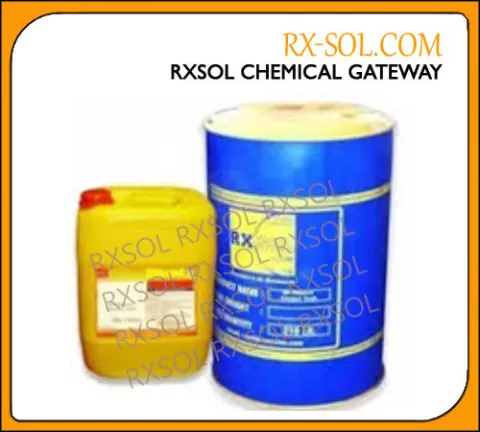
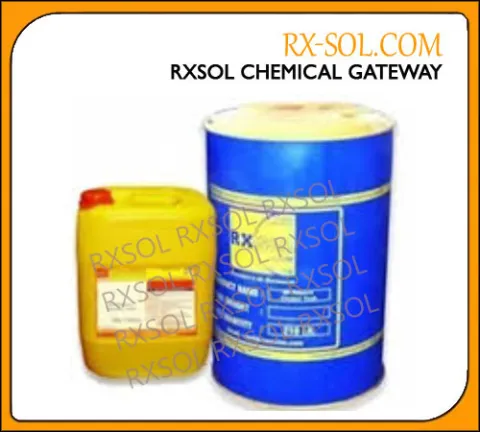
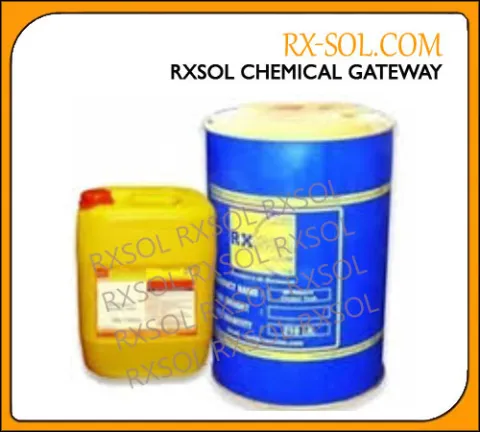
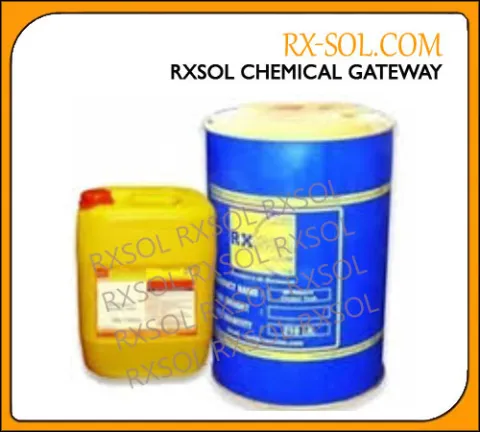
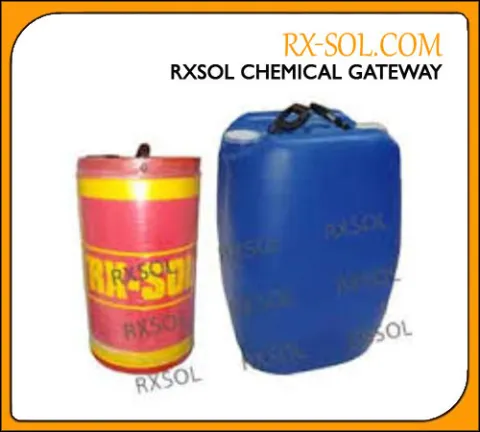
Nitric Acid 68%
- Part number
- RXSOL-20-1106-060
- Category
- Tank Cleaner
- Brand
- RXSOL
Overview
Extra pure NITRIC , removes iron residue & forms an oxide layer that boosts the corrosion resistance of the stainless steel intended to improve the corrosion resistance of parts made from austenitic, ferritic and martensitic corrosion-resistant steels of the 200, 300 and 400 series and precipitation hardened corrosion-resistant steels.
High carbon, high chromium martensitic 440C grades which are selected for high hardness and resistance may be exempt from passivation treatments at the discretion of the procuring activity.
PRECAUTION :
1> Loose iron particles or other foreign particles must be removed or they will appear as rust or stain spots. may become smeared over or imbedded into the surface of corrosion-resistant steel parts.
2> DO avoid chlorides that, in excess, can cause a harmful flash attack. When possible, use only a good grade of water containing less than about 50 parts per million (ppm) of chlorides. Tap water is usually adequate, and in some cases up In several hundred ppm chlorides can be tolerated.
Chlorides: are present in many cleaning agents. This entails risk of pitting corrosion of stainless steel. If a cleaner containing chlorine, chlorides, bleaches orhypochlorites is
Applications
Transparent, colourless or yellowish corrosive liquid. A strong oxidizing agent that will attack allmost all metals.
Hazard: Dangerous fire risk in contact with orgenic materials. Highly toxic by inhalation, corrosive to the skin and mucous membrance. Uses : Orgenc synthesis (dyes, drugs,explosives, cellulose nitrate, nitrate salts ), photoengraving, etching steel.
Passivation Treatments
• Grades with at least 16% chromium (except free machining grade such as 303):
20-50% nitric acid, at room temperature to 40oC for 30-60 minutes.
• Grades with less than 16% chromium (except free machining grades such as 416):
20-50% nitric acid, at room temperature to 40oC for 60 minutes.
• Free machining grades such as 303, 416 and 430F:
20-50% nitric acid + 2-6% sodium dichromate, at room temperature to 50oC for 25 40 minutes
Pickling Treatments
• All stainless steels (except free machining grades):
8-11% sulphuric acid, at 65 to 80oC for 5-45 minutes.
• Grades with at least 16% chromium (except free machining grades):
15-25% nitric acid + 1-8% hydrofluoric acid, at 20 to 60oC for 5-30 minutes.
• Free machining grades and grades with less than 16% chromium such as 303, 410
Dosage and directions
| PROBLEM | CLEARING AGENT | COMMENTS |
| Rust and other corrosion products. Embedded or adhering "free iron | Very light rust stain can be removed by 10% nitric acid. More significant rust or embedded iron will require picking. See also previous sections on Passivating and Picking. Sand or glass-bead blasting is another option | Wear PPE as appropriate. Afterwards rinse well with clean water. Mix in acid-proof container, and be very careful with the acid, (See Precautions for acid cleaners) |
| Routine cleaning of boat fittings. | Frequent washing down with fresh water. | Recommended after each time the boat is used in salt water. |
| Cooking pot boiled dry. | Remove burnt food by soaking in hot water with detergent, baking soda or amonia. | Afterwards clean and polish. with a mild abrasive if necessary. See comments re steel wool. |
| Dark oxide from welding or heat treatment. | "Picking Paste" or picking solutions given on previous page. | Must be careful rinsed, and use care in handling (see Precautions for acid cleaners). |
| Scratches on polished (satin or brushed) finish. | Slight scratches - use impregnated nylon pads. Polish with polishing wheel dressed with iron-free abrasive for deeper scratches. Follow polish lines. Then clean with soap or detergent as for routine cleaning | Do not use ordinary steel wool - iron particles can become embedded in stainless steel and cause further surface problems. Stainless steel and "Scotchbrite" scouring pads are satisfactory. |
| PROBLEM | CLEARING AGENT | COMMENTS |
| Routine cleaning All finishes | Soap mild detergent and water. (preferably warm) | Sponge, rinse with clean water, wipe dry if necessary. Follow polish lines. |
| Fingerprints All finishes | Soap warm water or organic solvent (eg acetone, alchol, methylated spirits) | Rinse with clean water and pipe dry. Follow polish lines. |
| Stubborn stains and discoloration. All finishes. | Mild cleaning solutions. Ensure any properietary cleaners state compatibility with stainless steel. Phpsphoric acid cleaners may also be effective | Use rag, sponge or fibre brush (soft nylon or natural bristle. An old toothbrush can be useful). Rinse well with clean water and wipe dry. Follow polish lines. |
| Lime deposits from hard water. | Solution of one part vinegar to three parts water. | Soak in solution then brush to loosen. Rise well with clean water. |
| Oil or grease marks. All finishes. | Organic solvents (eg. acetone, alchol, methylated spirits, proprietary "safety solvents"). Baked-on grease can be softened beforehand with ammonia |
Clean after with soap and water, rinse with clean water and dry. Follow polish lines |
| PROBLEM | CLEARING AGENT | COMMENTS |
| Rust and other corrosion products. Embedded or adhering "free iron | Very light rust stain can be removed by 10% nitric acid. More significant rust or embedded iron will require picking. See also previous sections on Passivating and Picking. Sand or glass-bead blasting is another option | Wear PPE as appropriate. Afterwards rinse well with clean water. Mix in acid-proof container, and be very careful with the acid, (See Precautions for acid cleaners) |
| Routine cleaning of boat fittings. | Frequent washing down with fresh water. | Recommended after each time the boat is used in salt water. |
| Cooking pot boiled dry. | Remove burnt food by soaking in hot water with detergent, baking soda or amonia. | Afterwards clean and polish. with a mild abrasive if necessary. See comments re steel wool. |
| Dark oxide from welding or heat treatment. | "Picking Paste" or picking solutions given on previous page. | Must be careful rinsed, and use care in handling (see Precautions for acid cleaners). |
| Scratches on polished (satin or brushed) finish. | Slight scratches - use impregnated nylon pads. Polish with polishing wheel dressed with iron-free abrasive for deeper scratches. Follow polish lines. Then clean with soap or detergent as for routine cleaning | Do not use ordinary steel wool - iron particles can become embedded in stainless steel and cause further surface problems. Stainless steel and "Scotchbrite" scouring pads are satisfactory. |
| PROBLEM | CLEARING AGENT | COMMENTS |
| Routine cleaning All finishes | Soap mild detergent and water. (preferably warm) | Sponge, rinse with clean water, wipe dry if necessary. Follow polish lines. |
| Fingerprints All finishes | Soap warm water or organic solvent (eg acetone, alchol, methylated spirits) | Rinse with clean water and pipe dry. Follow polish lines. |
| Stubborn stains and discoloration. All finishes. | Mild cleaning solutions. Ensure any properietary cleaners state compatibility with stainless steel. Phpsphoric acid cleaners may also be effective | Use rag, sponge or fibre brush (soft nylon or natural bristle. An old toothbrush can be useful). Rinse well with clean water and wipe dry. Follow polish lines. |
| Lime deposits from hard water. | Solution of one part vinegar to three parts water. | Soak in solution then brush to loosen. Rise well with clean water. |
| Oil or grease marks. All finishes. | Organic solvents (eg. acetone, alchol, methylated spirits, proprietary "safety solvents"). Baked-on grease can be softened beforehand with ammonia |
Clean after with soap and water, rinse with clean water and dry. Follow polish lines |
Characteristics and notes
During processing operations such as forming, machining, tumbling and lapping, iron particles or other foreign particles may become smeared over or imbedded into the surface of corrosion-resistant steel parts. These particles must be removed or they will appear as rust or stain spots.
High carbon, high chromium martensitic 440C grades which are selected for high hardness and resistance may be exempt from passivation treatments at the discretion of the procuring activity.
CAS NUMBER 7697-37-2
|
ITEM |
: |
NITRIC ACID ( HNO3 ) |
|
Molecular Weight |
: |
63.01 |
|
Composition |
: |
H 1.60 % NO398.40% |
SPECIFICATION OF PRODUCT |
||
|
HNO3CONTENT, WT.% MIN |
: |
62 - 68 % |
|
MINIMUM FREEZING POINT |
: |
5.3OC |
|
IDENTITY |
: |
BY IR Spectrum |
|
APPEARANCE |
: |
CLEAR FUMING NITRIC ACID NOTE : IT IS DECOMPOSED BY LIGHT OR ELEVATED TEMP., BECOMING RED IN COLOUR FROM NITROGEN DIOXIDE. |
|
CARBONISABLE SUBSTANCES |
: |
PASSES THE TEST |
|
COLOUR, MAX |
: |
10 HU |
|
NON VOLATILE MATTER |
: |
0.001% |
|
CHLORIDE CONTENT, PPM, MAX |
: |
0.1 ppm |
|
ORGANIC IMPURITIES |
: |
Passes test |
|
SULPHUR TOTAL AS SULPHATES, PPM, MAX |
: |
0.5 ppm |
|
PHASE |
: |
LIQUID |
Safety and SDS
Read the safety data sheet before handling. Wear suitable gloves and eye protection.
View safety data sheet
| Product Name | : | RXSOL-19-1542-060 |
| Product Type | : | NITRIC ACID |
Company Details:
RX MARINE INTERNATIONAL
105, A wing , BSEL , TECH PARK.
VASHI ,NEW BOMBAY 400703 INDIA
| Phone | : | +91 22 65113333 / 5555 / 9999 / 27611360 |
| Fax | : | +91 22 2781 1318 :::AOH :0091 9821214367 |
| : | 123@rxmarine.com | |
| Website | : | www.rxmarine.com |
| Chemica Name | CAS # | % by weight |
| NITRIC ACID | 7697-37-2 | 60 - 65 |
| WATER | 7732-18-5 | 35 - 40 |
| Eye |
Can cause permanent eye injury. Symptoms include stinging, tearing, redness, and swelling of eyes. Can injure the cornea and cause blindness. |
| Skin |
Can cause permanent skin damage. Symptoms may include redness, burning, and swelling of skin, burns, and other skin damage |
| Swallowing |
Swallowing this material may be harmful or fatal. Symptoms may include severe stomach and intestinal irritation (nausea, vomiting, diarrhea), abdominal pain, and vomiting of blood. Swallowing this material may cause burns and destroy tissue in the mouth, throat, and digestive tract. Low blood pressure and shock may occur as a result of severe tissue injury. |
| Inhalation |
It is possible to breathe this material under certain conditions of handling and use (for example, during heating, spraying, or stirring). Breathing this material may be harmful or fatal. Symptoms may include severe irritation and burns to the nose, throat, and respiratory tract. |
| Symptoms of Exposure | No Data |
| Target Organ Effects | No Data |
| Developmental Information | No Data |
| Cancer Information | No Data |
| Other Health Effects | No Data |
Primary Route(s) of Entry
Inhalation, Skin contact, Eye contact
| Eyes |
If material gets into the eyes, immediately flush eyes gently with water for at least 15 minutes while holding eyelids apart. If symptoms develop as a result of vapor exposure, immediately move individual away from exposure and into fresh air before flushing as recommended above. Seek immediate medical attention.. |
| Skin |
Immediately flush skin with water for at least 15 minutes while removing contaminated clothing and shoes. Seek immediate medical attention. Wash clothing before reuse and discard contaminated shoes. |
| Swallowing |
Seek immediate medical attention. Do not induce vomiting. Vomiting will cause further damage to the mouth and throat. If individual is conscious and alert, immediately rinse mouth with water and give milk or water to drink. If possible, do not leave individual unattended |
| Inhalation |
If symptoms develop, immediately move individual away from exposure and into fresh air. Seek immediate medical attention; keep person warm and quiet. If person is not breathing, begin artificial respiration. If breathing is difficult, administer oxygen. |
| Note to Physicians |
Preexisting disorders of the following organs (or organ systems) may be aggravated by exposure to this material: skin, lung (for example, asthma-like conditions). |
| Flash Point | Not applicable |
| Explosive Limit | Not applicable |
| Autoignition Temperature | No data |
| Hazardous Products of Combustion | May form: acid vapors, nitrogen compounds. |
| Fire and Explosion Hazards | No data |
| Extinguishing Media | water fog. |
| Fire Fighting Instructions |
Wear a self-contained breathing apparatus with a full facepiece operated in the positive pressure demand mode with appropriate turn-out gear and chemical resistant personal protective equipment. Refer to the personal protective equipment section of this MSDS. |
| NFPA Rating | Health - 3, Flammability - 0, Reactivity - 0 |
| Small Spill |
Cover the contaminated surface with sodium bicarbonate or a soda ash/flaked lime mixture (50-50). Mix and add water if necessary to form a slurry. Scoop up slurry and wash site with soda ash solution.Proper mixing procedures are essential. Trained personnel should conduct this procedure.Untrained personnel should be removed from the spill area. |
| Large Spill |
Eliminate all ignition sources (flares, flames including pilot lights, electrical sparks). Persons not wearing protective equipment should be excluded from area of spill until clean-up has been completed. Stop spill at source. Prevent from entering drains, sewers, streams or other bodies of water. Prevent from spreading. If runoff occurs, notify authorities as required. Pump or vacuum transfer spilled product to clean containers for recovery. Absorb unrecoverable product. Transfer contaminated absorbent, soil and other materials to containers for disposal. |
| Handling | Containers of this material may be hazardous when emptied. Since emptied containers retain product residues (vapor, liquid, and/or solid), all hazard precautions given in the data sheet must be observed. Addition to water releases heat which can result in violent boiling and spattering. Always add slowly and in small amounts. Never use hot water. Never add water to acids. Always add acids to water. |
| Eye Protection |
Chemical splash goggles and face shield (8" min.) in compliance with OSHA regulations are advised; however, OSHA regulations also permit other type safety glasses. (Consult your industrial hygienist.) |
| Skin Protection |
Wear resistant gloves such as: neoprene, polyvinyl chloride, To prevent skin contact, wear impervious clothing and boots.. |
| Respiratory Protections |
If workplace exposure limit(s) of product or any component is exceeded (see exposure guidelines), a NIOSH/MSHA approved air supplied respirator is advised in absence of proper environmental control. OSHA regulations also permit other NIOSH/MSHA respirators (negative pressure type) under specified conditions (see your industrial hygienist). Engineering or administrative controls should be implemented to reduce exposure. |
| Engineering Controls | Provide sufficient mechanical (general and/or local exhaust) ventilation to maintain exposure below TLV(s). |
| Exposure Guidelines Component |
NITRIC ACID (7697-37-2) OSHA VPEL 2.000 ppm - TWA OSHA VPEL 4.000 ppm - STEL ACGIH TLV 2.000 ppm - TWA ACGIH TLV 4.000 ppm - STEL WATER (7732-18-5) No exposure limits established |
| Boiling Point | (for product) 185.0 F (85.0 C) @ 760 mmHg |
| Vapor Pressure | (for product) 51.000 mmHg @ 77.00 F |
| Specific Vapor Density | 2.200 @ AIR=1 |
| Specific Gravity | 1.424 @ 77.00 F |
| Liquid Density |
11.850 lbs/gal @ 77.00 F 1.424 kg/l @ 25.00 C |
| Percent Volatiles | 100.0 % |
| Evaporation Rate | SLOWER THAN ETHYL ETHER |
| Appearance | No data |
| State | LIQUID |
| Physical Form | HOMOGENEOUS SOLUTION |
| Color | CLEAR,YEL-RED-BRN, ACRID ODOR |
| Odor | No data |
| pH | No data\ |
| Hazardous Polymerization | Product will not undergo hazardous polymerization. |
| Hazardous Decomposition | May form: acid vapors, nitrogen compounds. |
| Chemical Stability | Stable. |
| Incompatibility | Avoid contact with: organic materials, reducing agents, strong alkalies, Acid reacts with most metals to release hydrogen gas which can form explosive mixtures with air.. |
No Data
No Data
Waste Management Information
Collect and add slowly to large volume of agitated solution of
soda ash and slaked lime. Add neutralized solution to excess
running water in accordance with applicable regulations.
DOT Information - 49 CFR 172.101
DOT Description:
NITRIC ACID, RED FUMING - HAZARD ZONE B,8,UN2032,I
Container/Mode:
55 GAL DRUM/TRUCK PACKAGE
NOS Component:
None
RQ (Reportable Quantity) - 49 CFR 172.101
Product Quantity (lbs) Component
1064 NITRIC ACID
US Federal Regulations
TSCA (Toxic Substances Control Act) Status
TSCA (UNITED STATES) The intentional ingredients of this
product are listed.
CERCLA RQ - 40 CFR 302.4(a)
Component RQ (lbs)
NITRIC ACID 1000
CERCLA RQ - 40 CFR 302.4(b)
Availability
Nitric Acid 68% manufacturer supplier distributor in Mumbai, Kandla, Kolkata, Vizag, Chennai, India, Fujairah, Dubai UAE, Muscat Oman, Kenya Africa. Get the best quality of Nitric Acid 68% at a competitive price from us. We have ready stock of Nitric Acid 68% in India, UAE Gulf, Oman, Kenya Africa. Contact us for bulk as well as small orders.