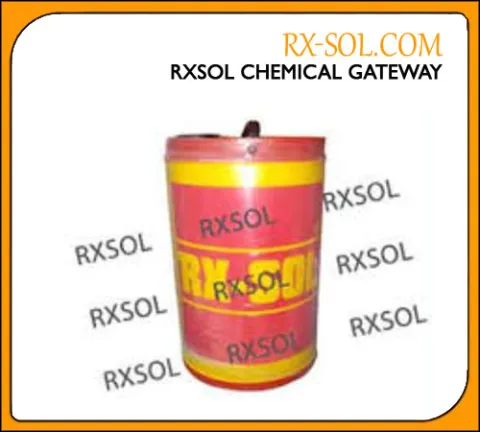
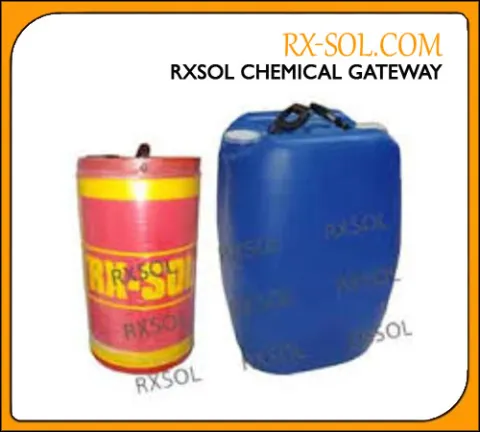
Non Ionic Detergent
- Part number
- RXSOL-25-5012-220
- Category
- Detergent & Soap
- Brand
- RXSOL
Overview
No Ion in Detergent classified as Non Ionic Detergent means The detergents which do not contain any ions are called non-ionic detergents. These are the detergents that have a neutral group in their molecule. They are monoesters of high molecular mass alcohols. Non-ionic detergents are very effective for dishwashing and other situations where inorganic ions are not allowed. For example, Sodium alkyl sulfates and Sodium alkyl benzene sulphonates.
Applications
Non-ionic surfactants are used as a grease remover in detergents, household cleaners and dish soap.
Characteristics and notes
RXSOL NON IONIC detergents have a neutral group in their molecule. Non-ionic detergents are very effective for dishwashing and other situations where inorganic ions are not allowed. For example, Sodium alkyl sulfates and Sodium alkyl benzene sulphonates.
Safety and SDS
Read the safety data sheet before handling. Wear suitable gloves and eye protection.
View safety data sheet
| Product Name | : Non Ionic Detergent |
| Part Number | : RXSOL-25-5012-220 |
Company Details:
RX MARINE INTERNATIONAL
105, A wing , BSEL , TECH PARK.
VASHI ,NEW BOMBAY 400703 INDIA
Branch : Kandla, Mumbai, Chennai, Vizag, Kolkata, Surat, Muscat,OMAN, Fujairah & KENYA
| Phone | +91 22 20871200-1400 |
| Fax | +91 22 20871500:::AOH :0091 9821214367 |
| rxsolchemicals@gmail.com | |
| Website | www.rxmarine.com |
| Name of Substance | Cas Number | EINECS No | Wt.% | Symbol |
| Surfactant Blend | Mixture | - | 20-40 % | - |
| Signal Word | Warning |
| Hazard Statements |
H302:Harmful if swallowed. H318:Causes serious eye damage |
| Precautionary statements - prevention | P264:Wash hands thoroughly after handling. P270:Do not eat, drink or smoke when using this product. :Wear eye protection/face protection. |
| Precautionary statements - response | P301+P312 :IF SWALLOWED: Call a POISON CENTER or doctor/physician if you feel unwell. P305+P351+P338 :IF IN EYES: Rinse cautiously with water for several minutes. Remove contact lenses, if present and easy to do. Continue rinsing. P310 :Immediately call a POISON CENTRE or doctor/physician. P330 :Rinse mouth. |
| Additional information | P501:Disposal of contents/container to be specified in accordance with regulations. |
| General advice | Seek medical advice. If breathing has stopped or is labored, give assisted respirations. Supplemental oxygen may be indicated. If the heart has stopped, trained personnel should begin cardiopulmonary resuscitation immediately. |
| Eye Contact | Rinse immediately with plenty of water for at least 15 minutes. |
| Skin Contact | Wash with water and soap as a precaution. |
| Inhalation: | No data available. |
| Ingestion: | Prevent aspiration of vomit. Turn victim's head to the side. Inhalation Move to fresh air |
| Notes to Physicians | No data available. |
| Suitable extinguishing media | Carbon dioxide (C02). Dry chemical. Dry sand. Limestone powder. |
| Extinguishing media which must not be used for safety reasons: | No data available. |
| Special exposure hazards arising from the substance itself, combustion products, resulting gases: | Incomplete combustion may form carbon monoxide. |
| Special protective equipment for fire-fighters | Use personal protective equipment. Wear self contained breathing apparatus for fire fighting if necessary. |
| Additional information | No data available. |
| Personal precautions, protective equipment and emergency procedures |
Evacuate personnel to safe areas |
| Enviromental Precaution | Construct a dike to prevent spreading. |
|
Methods and materials for containment and cleaning up |
Place in appropriate chemical waste container. If possible, stop flow of product. |
| Advice on safe handling | Use personal protective equipment. When using, do not eat, drink or smoke. |
| Storage | Keep away from direct sunlight. Overheating of an ethoxylate stored under air should be avoided. When an ethoxylate is vigorously mixed in the presence of air or oxygen at temperatures >125 F (50 C), it can degrade product quality. Storage under an inert atmosphere is recommended. Storage Temperature : Store above 32F and below 100F. |
| Advice on general occupational hygiene | No data available. |
| Engineering Control | Provide readily accessible eye wash stations and safety showers. Provide natural or explosion-proof ventilation adequate to ensure concentrations are kept below exposure limits. |
| Personal Protection | Respiratory protection Not required for properly ventilated areas. 3/8 Hand protection Neoprene gloves. Nitrile rubber. Chemical-resistant, impervious gloves complying with an approved standard should be worn at all times when handling chemical products if a risk assessment indicates this is necessary. Eye protection Chemical safety glasses. Skin and body protection No specific recommendation. |
|
Exposure Limits: |
No data available. |
| Hygiene measures | Provide readily accessible eye wash stations and safety showers. |
Gloves Suit
| Form | No data available |
| Odour | No data available |
| Boiling point and boiling range | 212 deg F. |
| Flash Point | Over 212 deg F |
| Evaporation rate | No data available |
| Flammability (solid, gas) | No data available |
| Upper explosion limit | No data available |
| Lower explosion limit | No data available |
| Vapor pressure | No data available |
| Relative vapor density | No data available |
| Relative density | 1.0 approximate |
| Water solubility | No data available |
| Solubility in other solvents | No data available |
| Partition coefficient: octanol | No data available |
| Autoignition temperature | No data available |
| Thermal decomposition | No data available |
| Viscosity, kinematic | No data available |
| Explosive properties | No data available |
| Oxidizing properties | No data available |
| Molecular weight | No data available |
| Recativity | None |
| Stability | Stable under normal conditions. |
| Possibility of hazardous reactions | No data available. |
| Hazardous Decomposition |
Carbon monoxide. Carbon dioxide (C02). Aldehydes Flammable hydrocarbon fragments. |
| Condition to Avoid | Reactive metals (e.g. sodium, calcium, zinc etc.). Materials reactive with hydroxyl compounds. Copper alloys Strong acids. |
| Polymerization | No data available. |
| Route of Exposure | Acute toxicity |
| Eyes |
Moderate eye irritation. |
| Skin | Mild skin irritation. |
| Ingestion | No data available. |
| Inhalation | No data available. |
| Chronic Exposure | No data available. |
| Acute oral toxicity | LD50 : 1,400 mg/kg |
| Acute inhalation toxicity | No data available |
| Acute dermal toxicity | LD50 : > 5,000 mg/k |
| Additional information. | Delayed and Immediate Effects and Chronic Effects from Short and Long Term Exposure. This product contains no listed carcinogens according to IARC, ACGIH, NTP and/or OSHA in concentrations of 0.1 percent or greater. |
| Environmental Effects | No data available |
| Toxicity to fish | No data available |
| Aquatic toxicity | LC50 (96 h): 8.5 mg/1 Species: Fathead minnow (Pimephales promelas). EC50 (48 h): 5.3 mg/1 Species: Daphnia magna. |
| Toxicity to algae | Alcohols, C9-11, ethoxylated ErC50 (96 h) : 1 - 10 mg/1 Species : Algae. Toxicity to other organisms. |
| Biodegradability | Readily biodegradable, as defined by OECD, substance that degrades > 60- 70% within a 10 day window. |
| Persistence and degradability | No data available |
| Bioaccumulative potential | No data available. |
| Mobility in soil | No data available |
| Remarks | No data available. |
| Waste Disposal | Dispose of container and unused contents in accordance with federal, state, and local requirements. |
Hazard Pictograms:
| UN Number | Not dangerous goods. |
| Proper shipping name | Not dangerous goods |
| Transport hazard class(es) 8 | |
| ADR/RID | - |
| Subsidiary risk IMDG | - |
| Subsidiary risk IATA | - |
| Packing group | |
| Packing group | - |
| Environmental hazards | |
| Environmental hazards | No |
| Marine pollutant | No |
| ADR/RID | |
| Hazard ID | - |
| Tunnel Category | - |
| IMDG | |
| EmS Code | - |
| IATA | |
| Packing Instruction (Cargo) | - |
| Maximum quantity | - |
| Packing Instruction (Passenger) | - |
| Maximum quantity | - |
| Additional information | Not classified as dangerous in the meaning of transport regulations. The transportation information is not intended to convey all specific regulatory data relating to this material. For complete transportation information, contact an Air Products customer service representative. |
| Regulations | EPA SARA (40 CFR 370) Hazard Classification Acute Health Hazard EPA SARA Title Ill Section 313 (40 CFR 372) Component(s) above 'de minimus' level None. US. California Safe Drinking Water & Toxic Enforcement Act (Proposition 65) This product does not contain any chemicals known to State of California to cause cancer, birth defects or any other harm. |
| Chemical safety assessment | No data available. |
| Further information | This product is made with materials defined by the epa as meeting the requirement of a green product. |
| Other Information |
The information above is believed to be accurate and represents the best information currently available to us. However, we make no warranty of merchantability or any other warranty, express or implied, with respect to such information, and we assume no liability resulting from its use. Users should make their own investigations to determine the suitability of the information for their particular purposes. In no event shall be liable for any claims, losses, or damages of any third party or for lost profits or any special, indirect, incidental, consequential or exemplary damages, howsoever arising, even if Rx Marine International has been advised of the possibility of such damages. DISCLAIMER OF LIABILITY :The information in this SDS was obtained from sources which we believe are reliable. However, the information is provided without any warranty, express or implied, regarding its correctness. The conditions or methods of handling, storage, use or disposal of the product are beyond our control and may be beyond our knowledge. For this and other reasons, we do not assume responsibility and expressly disclaim liability for loss, damage or expense arising out of or in any way connected with the handling, storage, use or disposal of the product. This MSDS was prepared and is to be used only for this product. If the product is used as a component in another product, this MSDS information may not be applicable. |
Availability
Non Ionic Detergent manufacturer supplier distributor in Mumbai, Kandla, Surat, Gujrat, Kolkata, Vizag, Chennai, India, Fujairah, Dubai, Sharjah, UAE, Gulf, Middle East, Muscat Oman, Kenya Africa. Get the best quality of RXSOL Non Ionic Detergent at a competitive price from us. We have ready stock of Non Ionic Detergent in India, UAE Gulf, Oman, Kenya Africa. Contact us for bulk as well as small orders of Non Ionic Detergent.
Surfactant Emulsifier manufacturer and supplier in India UAE Oman :
Anionic Surfactants > AOS, SLES, SLS > (Liquid / Paste / Powder / Needle)
Fatty Acids > Stearic Acid, Oleic Acid, Lauric Acid, Myristic Acid, Palmitic Acid , Coconut Fatty Acid, Rice Bran Fatty Acid, Palm Kernel Fatty Acid, 12 Hydroxy Stearic Acid, Hydrogenated (Castor Oil / Palm, Soya), Caprylic Acid, Capric Acid, Caprylic Capric Acid, Dimer Acid, Erucic Acid, Behenic Acid, Linseed Fatty Acid, Citric Acid.
Vegetables Oil > Hydrogenated Palm Oil, Hydrogenated Castor Oil, Hydrogenated Soya Oil..
Fatty Alcohols > Lauryl Alcohol(C12,C1214), Ceto Stearyl Alcohol (C1618), Cetyl Alcohol(C16), Stearyl Alcohol(C18), Behenyl Alcohol, Oleyl Cetyl Alcohol
Non-Ionic Surfactants > Emulsifying Wax (Non Ionic & Ionic), Lauryl Alcohol Ethoxylates (2 & 7 Mole), CM-1000 (CSA 20)
Specialty Esters > CAPB, CDEA, CMEA, EGMS, EGDS, BS, IPP, IPM, DOSS, LAO (Lauryl Amine Oxide) & Others
Home Personal Care Chemicals > AOS, Acid Slurry (Labsa 90 – 96%), Acid Thickener, CAPB, CDEA, CMEA, EGMS, EGDS, BKC – 50 – 80%,
Glycerine, PG, Sorbitol, CCTG, Liquid Glucose, High Liquid Paraffin (HLP), Light Liquid Paraffin (LLP), Decyl Glucoside
Various Mole Ethoxylates > PEG- 200 / 300 / 400 / 600 / 1500 / 4000 / 6000, Lauryl Alcohol, Octyl Alcohol, Nonyl Alcohol, Tri Decyl Alcohol, Castor Oil
Caustic Soda, Soda Ash, BORAX, TEA, (Alphox 100 – 200 -500), Titanium Dioxide, EDTA, STPP, Castrox 200, Sodium Nitrate, Ascorbic Acid
Oxalic Acid, Formaldehyde, Tannic Acid, PVA – 173,
Solvents : Butyl Cellosolve, , Ortho xylene, Toluene, MIBK, Acetone, Benzene, MONO / DI / TRIETHANOL AMINES (MEA/DEA/TEA), IPA etc