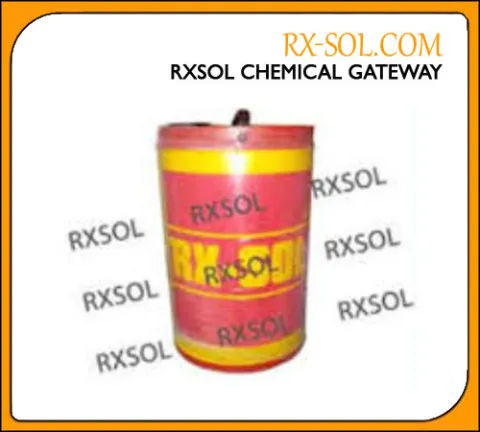
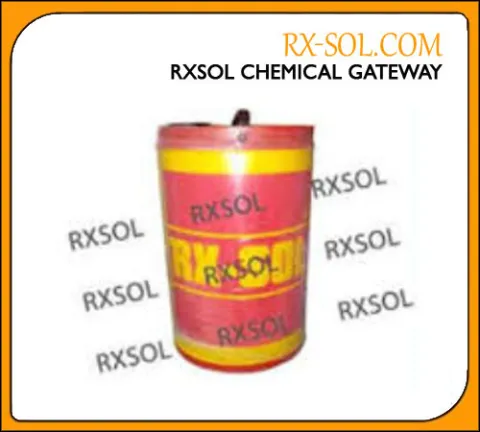
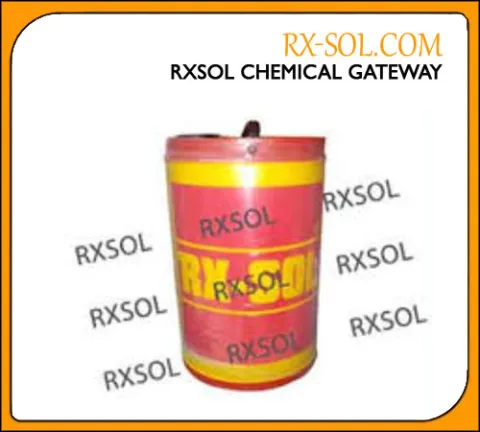
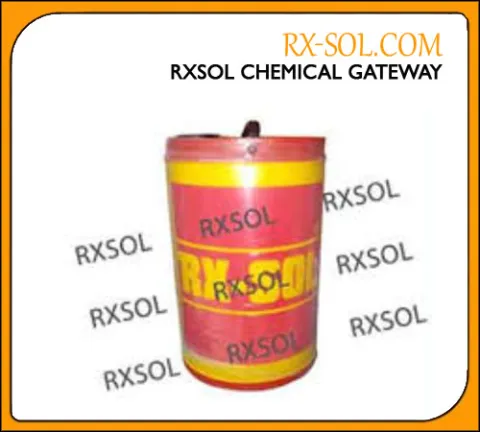
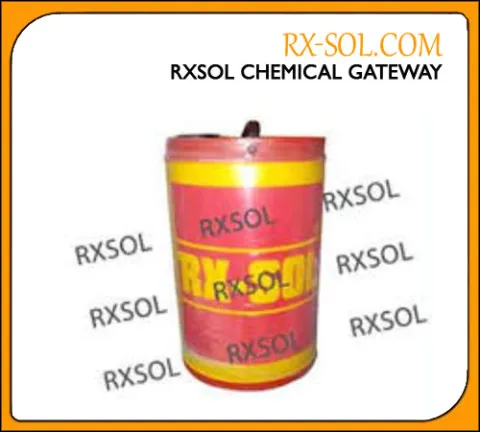
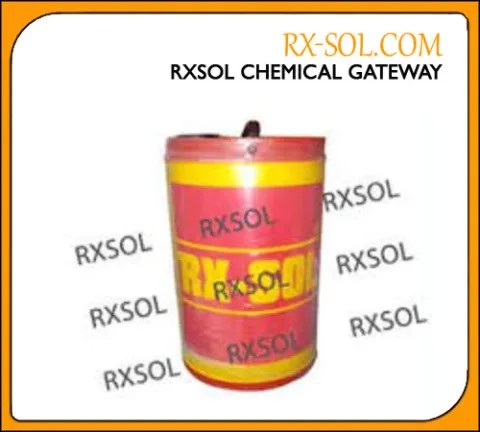
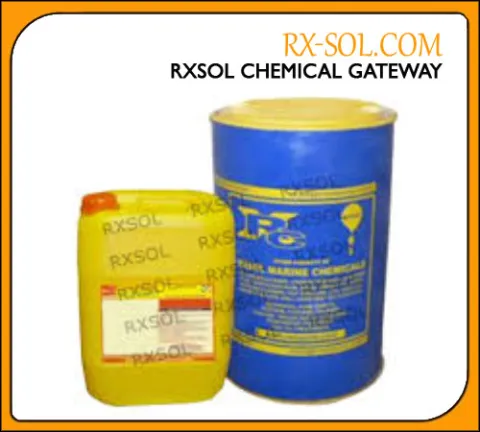
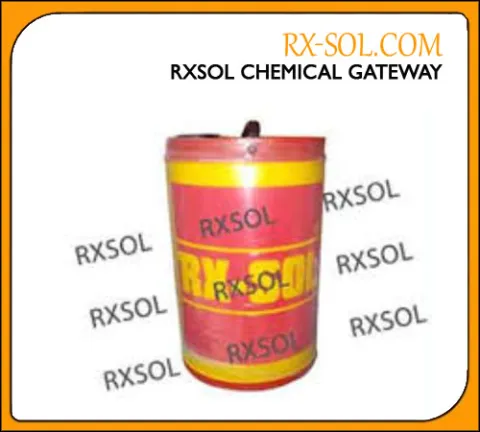
Oil Grease Remover
- Part number
- RXSOL-15-2001-020
- Category
- Railway Maintenance
- Brand
- RXSOL
Overview
Oil Grease Remover RXSOL-15-2001-020 is a blended mixture with glycol and fatty amines emulsifier as main component along with powerful penetrating agent corrosion inhibitor and surfactants. It should be re-circulated in inserted tank.
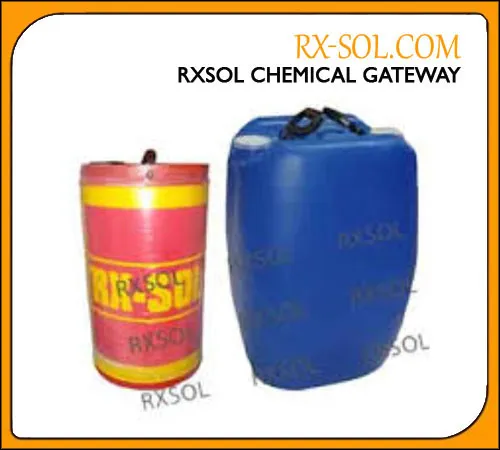
PACKAGING : 25 ltrs, 210 ltrs
ACTIVE MATTER : 100 % COMMON NAME ::: Degreaser NEW ORG
Applications
Oil Grease Remover RXSOL-15-2001-020 is the more effective product and is used to remove mineral / lube / Rubber oil based products. When using RXSOL-15-2001-020, the flash point of the actual needs to be greater than 60* c .If the flash point is below 60* c , the tanks should be inserted .
Safety and SDS
Read the safety data sheet before handling. Wear suitable gloves and eye protection.
View safety data sheet
| Product Name | : Oil Grease Remover |
| Part Number | : RXSOL-15-2001-020 |
Company Details:
RX MARINE INTERNATIONAL
105, A wing , BSEL , TECH PARK.
VASHI ,NEW BOMBAY 400703 INDIA
Branch : Kandla, Sikka, Dahej, Hazira, JNPT, Goa, Mangalore, Cochin, Tuticorin, Chennai, Kakinada, Vizag, Paradip, Kolkata, UAE, Singapore.
| Phone | +91 22 27815540 / 41 / 42 |
| Fax | +91 22 2781 1318 :::AOH :0091 9821214367 |
| rxsolchemicals@gmail.com | |
| Website | www.rxmarine.com |
| Name of Substance | Cas Number | EINECS No | Wt.% | Symbol |
| Ammonium Bisulphite | 10192-30-0 | 203-469-7 | 10 -30 % | Xi |
| Ethanediol | 107-21-1 | 203-473-3 | 10 - 30% | Xn |
| Quaternary Ammonium Chloride | 68391-01-5 | 269-919-4 | 10 - 30% | C |
| Propan-2-ol | 67-63-0 | 200-661-7 | 1 - 5 % | Xi |
| Proprietory Mixture | --- |
| Classification under EC 1272/2008 regulation - GHS classification. | Aspiration Toxicity, Category 1 Carcinogenicity, Category 2 Aquatic toxicity (chronic), Category 3 Specific target organ toxicity-single exposure, Category 3 Eye damage, Category 1 Acute Toxicity (dermal), Category 4 |
| SIGNAL WORD | DANGER |
| Hazard Statements | |
| H304 | May be fatal if swallowed and enters airways |
| H312 | Harmful in contact with skin. |
| H314 | Causes severe skin burns and eye damage. |
| H336 | May cause drowsiness or dizziness. |
| H351 | Suspected of causing cancer |
| H412 | Harmful to aquatic life with long lasting effects. |
| EUH066 | Repeated exposure may cause skin dryness or cracking. |
| Label Elements | The substance is classified and labelled according to the CLP Regulation. |
| SIGNAL WORD | DANGER |
| H304 | May be fatal if swallowed and enters airways. |
| H312 | Harmful in contact with skin |
| H314 | Causes severe skin burns and eye damage. |
| H336 | May cause drowsiness or dizziness. |
| H351 | Suspected of causing cancer |
| H412 | Harmful to aquatic life with long lasting effects. |
| EUH066 | Repeated exposure may cause skin dryness or cracking. |
| P261 | Avoid breathing mist/vapours/spray. |
| P270 | Do not eat, drink or smoke when using this product. |
| P271 | Use only outdoors or in a well-ventilated area. |
| P273 | Avoid release to the environment. |
| P280 | Wear protective gloves/protective clothing/eye protection/face protection. |
| P281 | Use personal protective equipment as required. |
| P301+P310 | IF SWALLOWED: Immediately call a POISON CENTER or doctor/physician |
| P303+P361+P352 | IF ON SKIN (or hair): Remove/Take off immediately all contaminated clothing. Wash with plenty of soap and water |
| P304+P340 | IF INHALED: Remove victim to fresh air and keep at rest in a position comfortable for breathing |
| P305+P351+P338+P310 | IF IN EYES: Rinse cautiously with water for several minutes. Remove contact lenses, if present and easy to do. Continue rinsing. Immediately call a POISON CENTER or doctor/physician. |
| P331 | Do NOT induce vomiting. |
| P391 | Collect spillage. |
| P403+P233 | Store in a well-ventilated place. Keep container tightly closed. P405: Store locked up. |
| P501 | Dispose of contents and container to appropriate waste site or reclaimer in accordance with local and national regulations. |
| Other Hazards | Does not meet the criteria for PBT or vPvB. Material can accumulate static charges which may cause an ignition. May be irritating to the eyes, nose, throat and lungs. Combustible liquid. In use, may form flammable/explosive vapour-air mixture. Electrostatic charges may be generated during pumping. Electrostatic discharge may cause fire. |
| R36/38 | Irritating to eyes and skin |
| R52-53 | Harmful to aquatic organisms, may cause long-term adverse effects in the aquatic environment. |
| R65 | Harmful: may cause lung damage if swallowed |
| R66 | Repeated exposure may cause skin dryness or cracking. |
| R67: | Vapours may cause drowsiness and dizziness. |
| S2 | Keep out of the reach of children. |
| S9 | Keep container in a well-ventilated place. |
| S23 | Do not breathe gas/vapour. |
| S24 | Avoid contact with skin |
| S36/37/39 | Wear suitable protective clothing, gloves and eye/face protection. |
| S61 | Avoid release to the environment. Refer to special instructions/safety data Sheets (MSDS). |
| S62 | If swallowed, do not induce vomiting: seek medical advice immediately and show this container or label. |
| S38 | In case of insufficient ventilation, wear suitable respiratory equipment. |
| Inhalation | Remove from further exposure. For those providing assistance, avoid exposure to yourself or others. Use adequate respiratory protection. If respiratory irritation, dizziness, nausea, or unconsciousness occurs, seek immediate medical assistance. If breathing has stopped, assist ventilation with a mechanical device, or use mouth-to-mouth resuscitation. |
| Skin Contact | Wash contact areas with soap and water. Remove contaminated clothing. If this chemical penetrates the clothing promptly remove the clothing and wash. Launder contaminated clothing before reuse. |
| Eye contact | Flush thoroughly with water. If irritation occurs, get medical assistance. |
| Ingestion: | Seek immediate medical attention. Do not induce vomiting. Never give anything to an unconscious person. |
| Most important symptoms and effects, both acute and delayed | Acute health effects: drowsiness, dizziness, nausea, skin irritation. Delayed effects: N/A. |
| Indication of any immediate medical attention and special treatment needed Note to physician: | If ingested, material may be aspirated into the lungs and cause chemical pneumonitis. Treat appropriately |
| Suitable extinguishing media |
Appropriate extinguishing media: Use water fog, foam, dry chemical or carbon dioxide (CO2) to extinguish
flames. Inappropriate extinguishing media: Straight streams of water.
|
| Unusual fire hazards arising from the substance or mixture |
Hazardous material. Fire-fighters should consider protective equipment.
Hazardous combustion products: Smoke, Fume, Incomplete combustion products, Oxides of Carbon. Possible formation of toxic Carbon Monoxide when combustion takes place in lack of oxygen.
|
| Fire Fighting Instructions | Evacuate area. Prevent run-off from fire control or dilution from entering streams, sewers or drinking water supply. Fire-fighters should use standard protective equipment and in enclosed spaces, self contained breathingapparatus (SCBA). Use water spray to cool fire exposed surfaces and to protect personnel. |
| Notification Procedure | In the event of a spill or accidental release, notify relevant authorities in accordance with all applicable regulations. |
| Protective Measures | Avoid contact with spilled material. Warn or evacuate occupants in surrounding and downwind areas if required, due to toxicity or flammability of the material |
| Land Spill | Stop leak if you can do so without risk. Do not touch or walk through spilled material. Large Spills: Water spray may reduce vapour, but may not prevent ignition in enclosed spaces. Small Spills: Absorb with earth, sand or other non-combustible material and transfer to containers for later disposal. Recover by pumping or with a suitable absorbent |
| Water Spill |
Stop leak if you can do so without risk. Confine the spill immediately with booms. Warn other shipping. Remove from the surface by skimming or with suitable absorbents. Seek the advice of a specialist before using dispersants. Water spill and land spill recommendations are based on the most likely spill scenario for this material; however, geographic conditions, wind, temperature, (and in the case of a water spill) wave and current 6
direction and speed may greatly influence the appropriate action to be taken. For this reason, local experts should be consulted. Note: Local regulations may prescribe or limit action to be taken
|
|
Environmental Precautions
Large Spills
|
Dyke far ahead of liquid spill for later recovery and disposal. Prevent entry into waterways, sewers, basements or confined areas. |
| Reference to other sections | See Section 1 for emergency contact information. See Section 8 for information on appropriate personal protective equipment. See Section 13 for additional waste treatment information. |
| Advice on safe handling | Avoid breathing mists or vapours. Avoid contact with skin. Potentially toxic/irritating fumes/vapour may be evolved from heated or agitated material. Use only with adequate ventilation. Prevent small spills and leakage to avoid slip hazard. |
| Prevention of fire and explosion | Material can accumulate static charges which may cause an electrical spark (ignition source). When the material is handled in bulk, an electrical spark could ignite any flammable vapors from liquids or residues that may be present (e.g., during switch-loading operations). Use proper bonding and/or earthing procedures. However, bonding and earthing may not eliminate the hazard from static accumulation. Consult local applicable standards for guidance. Additional references include American Petroleum Institute 2003 (Protection against Ignitions Arising out of Static, Lightning and Stray Currents) or National Fire Protection Agency 77 (Recommended Practice on Static Electricity) or CENELEC CLC/TR 50404 (Electrostatics - Code of practice for the avoidance of hazards due to static electricity). |
| StaticAccumulator | This material is a static accumulator. A liquid is typically considered a nonconductive, static accumulator if its conductivity is below 100 pS/m (100x10E-12 Siemens per meter), and is considered a semi-conductive, static accumulator, if its conductivity is below 10,000 pS/m. Whether a liquid is non-conductive or semi-conductive, the precautions are the same. A number of factors, for example: liquid temperature, presence of contaminants, anti-static additives and filtration, can greatly influence the conductivity of a liquid. |
| Precautions while moving the product: | Loading/Unloading Temperature: [Ambient] Transport Temperature: [Ambient] Transport Pressure: N/D |
| Technical measures: | The container choice, for example storage vessel, may effect static accumulation and dissipation. Keep container tightly closed and in a well ventilated place. Handle containers with care. Open slowly in order to control possible pressure release. Store in a cool, well-ventilated area. Storage containers should be earthed and bonded. Fixed storage containers, transfer containers and associated equipment should be grounded and bonded to prevent accumulation of static discharge. Keep away from direct sunlight and other sources of ignition. Do not smoke in storage areas. |
| Specific end use(s) | Cleaning product for industrial use only. |
| Engineering Control | Effective exhaust ventilation system. Maintain air concentrations below occupational exposure standards. |
| Personal Protection |
Eye protection :Wear safety glasses. Contact lenses should not be worn. Chemical goggles and face shield should be worn where splashing is a possibility. Hand protection : Wear the following personal protective equipment: Standard glove type. Gloves should be discarded and replaced if there is any indication of degradation or chemical breakthrough. Skin protection : Wear solvent resistant gloves such as Viton, polyvinyl alcohol or equivalent and solvent resistant boots, safety shower and eyewash station should be available. Respiratory protection :Wear a self contained breathing apparatus or air line respirator, with full face piece is required for vapour concentrations and for spills. |
| Hygiene measures | Handle in accordance with good industrial hygiene and safety practice. Remove and wash contaminated clothing before re-use. Wash face, hands and any exposed skin thoroughly after handling. Provide suitable facilities for quick drenching or flushing of the eyes and body in case of contact or splash hazard. |
Gloves Suit
| Physical State: | Liquid |
| Colour | Light yellow |
| Odour | Slight Aromatic |
| Initial Boiling Point: | <240oC |
| Final Boiling Point: | >262oC |
| Flash Point: | >61oC |
| Autoignition Temperature: | >220oC |
| Lower Explosion Limit (vol %): | N/E |
| Upper Explosion Limit (vol %): | N/E |
| Vapour Pressure: | N/E |
| Relative vapor density (air=1): | N/E |
| Specific Gravity (gr/cm3 ): | 0.97 - 0.99 at 20oC |
| Solubility in water: | Soluble |
| pH: | 10.5 - 11.5 |
| Other Information: | No further relevant information available. |
| Chemical stability | Material is stable under normal conditions of use and storage. |
| Hazardous Decomposition |
Material does not decompose at ambient temperatures. |
| Materials to Avoid | Keep it away from strong oxidizing materials. |
| Hazardous polymerization | Will not occur. |
| Skin corrosion/irritation: | Not irritating. |
| Serious eye damage/irritation: |
Not irritating. |
| Respiratory or skin sensitization | Not irritating. |
| Carcinogenicity | Limited evidence of a carcinogenic effect. |
| Mutagenicity | All genetic toxicity tests, both in vitro and in vivo, were negative. |
| Reproductive toxicity | Findings do not warrant classification of C10-C12 Aromatics fluids as a reproductive or developmental toxin under the new Regulation (EC) 1272/2008 on classification, labelling and packaging of substances and mixtures (CLP) or under the Directive 67/548/EEC for dangerous substances and Directive 1999/45/EC for preparations. |
| Specific target organ toxicity (single exposure) | STOT Single Exp. 3: May cause drowsiness or dizziness. |
| Specific target organ toxicity (repeated exposure) | N/A |
| Aspiration hazard | Aspiration Toxicity 1; May be fatal if swallowed and enters airways |
| Acute oral toxicity | LD50: > 2,000 - 5,000 mg/kg Species: rat The value is estimated from tests on similar products. |
| Acute inhalation toxicity | LC50: > 20 mg/l |
| Acute dermal toxicity | LD50: > 2,000 - 5,000 mg/kg |
| Skin irritation | No skin irritation |
| Eye irritation | Risk of serious damage to eyes. |
| Sensitisation | Not sensitizing. |
| Repeated dose toxicity | NOEL: 250 mg/kg |
| Germ cell mutagenicity |
Genotoxicity in vitro: Negative
Genotoxicity in vivo: Negative
|
| Toxicity |
Hydrocarbons, C10, aromatics, >1% naphthalene LL50 (96 h): >= 2 — <= 5 mg/L test mat. LL50 (96 h): 14 mg/L test mat. Daphnia magna:
NOELR (21 d): 0.851 mg/L test mat. (based on: reproduction) EL50 (72 h): > 1 — < 3 mg/L test mat. (nominal) (based on: biomass) EL50 (72 h): > 1 — < 3 mg/L test mat. (based on: growth rate) N/A
|
| Toxicity to fish | LC50 (96 h) 349 mg/l, Cyprinus carpio (Directive 92/69/EEC, C.1, semistatic) Nominal values (confirmed by concentration control analytics) LC50 (96 h) 170 mg/l, Carassius auratus (APHA 1971, static) The statement of the toxic effect relates to the analytically determined concentration. Literature data. |
| Aquatic invertebrates | EC50 (48 h) 65 mg/l, Daphnia magna (Directive 84/449/EEC, C.2, static) Nominal values (confirmed by concentration control analytics). |
| Aquatic plants | EC50 (72 h) 2.5 mg/l (growth rate), Selenastrum capricornutum (OECD Guideline 201) Literature data. EC50 (72 h) 22 mg/l (growth rate), Scenedesmus subspicatus (Guideline 92/69/EEC, C.3) Nominal values (confirmed by concentration control analytics). |
| Microorganisms/Effect on activated sludge |
EC20 (0.5 h) > 1,000 mg/l, activated sludge, domestic (DIN EN ISO 8192-OECD 209-88/302/EEC,P.
C, aquatic) Nominal concentration. EC50 (16 h) 110 mg/l, Pseudomonas putida (DIN 38412 Part 8) The details of the toxic effect relate to the nominal concentration. EC50 (3 h) > 1,000 mg/l, activated sludge, domestic (OECD Guideline 209, aquatic).
|
| Chronic toxicity to fish | No observed effect concentration (30 d) 1.2 mg/l, Oryzias latipes (OECD Guideline draft). |
| Chronic toxicity to aquatic invertebrates | No observed effect concentration (21 d), 0.85 mg/l, Daphnia magna (OECD Guideline 211) Assessment of terrestrial toxicity: Study scientifically not justified. |
| Waste disposal | Disposal recommendations are based on material as supplied. Disposal must be in accordance with current applicable laws and regulations, and material characteristics at time of disposal . Disposal recommendation: Product is suitable for burning in an enclosed controlled burner for fuel value or disposal by supervised incineration at very high temperatures to prevent formation of undesirable combustion products . |
| Regulatory Disposal Information | European Waste Code: 08 XX XX |
| Disposal recommendation | Empty containers may contain residue and can be dangerous. Do not attempt to refill or clean containers without proper instructions. Empty drums should be completely drained and safely stored until appropriately reconditioned or disposed. Empty containers should be taken for recycling, recovery, or disposal through suitably qualified or licensed contractor and in accordance with governmental regulations. |
| Transport hazard class(es) 8 | |
| ADR/RID |
Not classified as dangerous for the transportation according to IMO, ADR/RID, US DOT and
IATA/ICAO codes.Not classified as dangerous for the transportation according to IMO, ADR/RID, US DOT and
IATA/ICAO codes.
|
| Safety, health and environmental regulations/legislation specific for the substance or mixture | If other regulatory information applies that is not already provided elsewhere in this safety data sheet, then it is described in this subsection |
| Chemical safety assessment | A CSA has been carried out for the raw materials in this product, from the raw materials manufacturers (when needed to be carried out). |
| Other Information |
The information above is believed to be accurate and represents the best information currently available to us. However, we make no warranty of merchantability or any other warranty, express or implied, with respect to such information, and we assume no liability resulting from its use. Users should make their own investigations to determine the suitability of the information for their particular purposes. In no event shall be liable for any claims, losses, or damages of any third party or for lost profits or any special, indirect, incidental, consequential or exemplary damages, howsoever arising, even if Rx Marine International has been advised of the possibility of such damages. DISCLAIMER OF LIABILITY :The information in this SDS was obtained from sources which we believe are reliable. However, the information is provided without any warranty, express or implied, regarding its correctness. The conditions or methods of handling, storage, use or disposal of the product are beyond our control and may be beyond our knowledge. For this and other reasons, we do not assume responsibility and expressly disclaim liability for loss, damage or expense arising out of or in any way connected with the handling, storage, use or disposal of the product. This MSDS was prepared and is to be used only for this product. If the product is used as a component in another product, this MSDS information may not be applicable. |
Availability
Oil Grease Remover manufacturer supplier distributor in Mumbai, Kandla, Mundra, Hazira Surat Kolkata, Vizag, Chennai, India, Fujairah, Dubai UAE, Muscat Oman, Kenya Africa. Get the best quality of Oil Grease Remover at a competitive price from us. We have ready stock of Oil Grease Remover in India, UAE Gulf, Oman, Kenya Africa. Contact us for bulk as well as small orders.