Drilling Fluids & Mud Oil Field chemicals
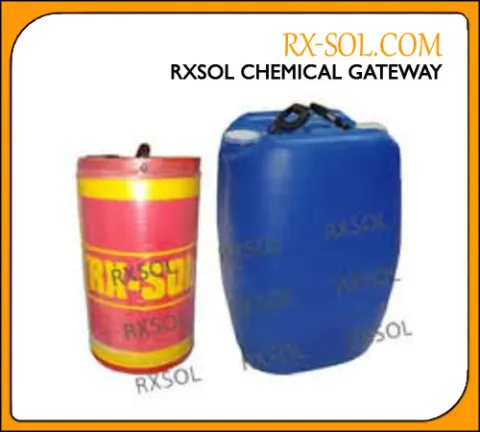
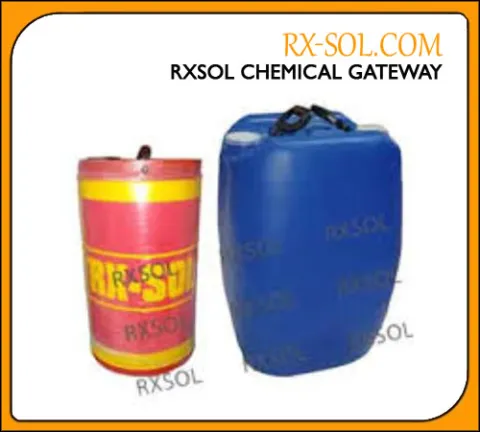
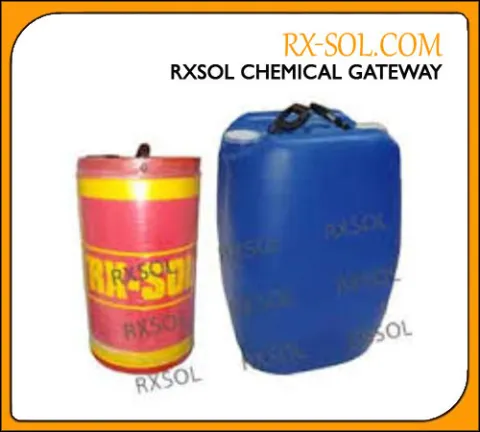
Oil Soluble Plugging Drilling Fluid
- Part number
- RXSOL-81-8201-025
- Brand
- RXSOL
Overview
Oil Soluble Plugging Drilling Fluid is a superior plugging agent used to bridge and seal permeable formations in oil base mud systems. It is used to reduce the HTHP FL in the oil based mud. It helps to promote emulsification of the reverse emulsion and improve emulsion's stability, particularly used in deep wells with high temperature. Bridging and sealing permeable formations reduces the differential-pressure sticking tendencies which can cause high torque and drag or stuck pipe. The product is particularly useful for preventing differentially-stuck pipe when drilling depleted zones where high differential pressures exist. For added flexibility, RXSOL fiber is available in fine (original), medium and coarse grades so that the optimum particle size can be selected to bridge the pores and pore throats of permeable formations. RXSOL fiber additions have minimal effect on mud properties.
Technical specifications
Physical Properties :
| GrindSize | Fine | Medium | Coarse |
| Finer than 8 mesh | ----- | ------- | >95% |
| Finer than 50 mesh | > 80% | ||
| Finer than 100 mesh | > 90% | < 60% | < 15% |
| Median (microns) | 44-74 | 104-149 |
420-840 |
Applications
RXSOL Oil Soluble Plugging which can be used for leakage control by plugging in drilling, completion and workover, especially in sandstone formation of high permeability. The grain size and softening point can be selected in the period of manufacturing according to the formation pore and temperature. Generally is added into the killing fluid to play a role of anti-leakage.
-
RXSOL Oil Soluble Plugging is a superior bridging agent, field-proven to be highly effective when drilling high-permeability/ high-porosity zones with high differential pressures. Each grind size has a specially selected particle size distribution optimized to seal a wide range of formations.
- RXSOL Oil Soluble Plugging is designed to bridge and seal permeable formations, reducing the possibility of stuck pipe, controlling lost circulation and providing filtration control. It is compatible with water-, oil- and synthetic-base mud systems.
Dosage and directions
-
The recommended treatment is 14 to 29 kg/m3 to reduce differential sticking tendencies. After initial treatment, periodic treatments should be used to maintain the desired concentration. Significant quantities of the medium and coarse grades will be removed by fine- mesh shale shaker screens (100 mesh or finer).
-
Fine-grade RXSOL Oil Soluble Plugging fiber is recommended for most applications due to its special particle size distribution. Very high-permeability formations, such as fractured carbonates and conglomerate zones, can require the medium or coarse products.
-
For see page losses, normal treatments are from 10 to 20 lb/bbl (29 to 57 kg/m3). Concentrations in the 20 to 35 lb/bbl (57 to 100 kg/m3) range are recommended for more severe lost circulation. Pilot testing is recommended before adding high concentrations because the material absorbs a small quantity of liquid when added to the mud system.
-
RXSOL Oil Soluble Plugging should be added to the mud system through a mixing hopper into a pit with good agitation, such as the suction pit. It is a one-sack product and does not require any additional additives. It is most effective when maintained at the desired concentration throughout the circulating system. However, treatment methods such as frequent periodic additions, sweeps, batch- or slug-treatments and pills have all been used successfully.
- RXSOL Oil Soluble Plugging is compatible with all mud systems and can be used in combination with other lost-circulation materials, including Nut Plug, mica, sized calcium carbonate, gilsonite, etc.
Characteristics and notes
Advantages
-
Effective bridging and sealing agent for a wide range of formations|
-
Offers unique particle sizes smaller than conventional lost-circulation materials yet larger than the solids found in most mud systems • Available in fine (original), medium and coarse grades, allowing the most appropriate particle sizes to be used .
-
Inert material with minimum effect on mud properties.
-
One-sack product with no other additive requirements.
-
Compatible with all mud systems and other lost-circulation materials.
-
Easily mixed and dispersed into the mud system.
- Easily passes through most shaker screens
Limitations
-
Can be removed from the circulating system by shale shakers and solids-control equipment, especially when using the medium and coarse grades with fine-mesh screens (<100 mesh), which requires close monitoring of shale shakers.
-
Biodegradable and can be subject to bacterial degradation. If fermentation is indicated, a biocide should be used at the recommended maximum treatment level.
-
Absorbs a small quantity of liquid when added to a mud system and can elevate flow properties when used at very high concentrations.
- Treatments with additional wetting agent may be required in low stability or lightly treated oil-base muds because of the high surface area of this slightly absorbing material
Toxicity and Handling
Bioassay information is available upon request.
Handle as an industrial chemical, wearing protective equipment and observing the precautions described in the Material Safety Data Sheet (MSDS).
Dust can form an explosive mixture in the air. Keep away from open flames or other sources of ignition.
Packaging and Storage
RXSOL Oil Soluble Plugging fiber is packaged in 25 Kg, multi-wall, paper sacks).
Store in a dry, well-ventilated area. Keep container closed. Store away from incompatibles. Follow safe warehousing practices regarding palletizing, banding, shrink-wrapping and/or stacking.
Safety and SDS
Read the safety data sheet before handling. Wear suitable gloves and eye protection.
View safety data sheet
| Product Name | Oil Soluble Plugging Drilling Fluid |
| Part Number | RXSOL-81-8201-025 |
Company Details:
RX MARINE INTERNATIONAL
105, A wing , BSEL , TECH PARK.
VASHI ,NEW BOMBAY 400703 INDIA
Stock Point : Mumbai, Kandla, Kolkata, Chennai, Visakhapatnam, Fujairah, Muscat, Nairobi
| Phone | +91 22 65113333 / 5555 / 9999 |
| Fax | +91 22 2781 1318 :::AOH :0091 9821214367 |
| rxsolchemicals@gmail.com | |
| Website | www.rxmarine.com |
| Name of Substance | Cas Number | Wt.% |
| Cellulose | 9004-34-6 | 85-90% |
| Silica, crystalline, quartz | 14808-60-7 | 1 - 5% |
| C5 Petroleum Resin | Trade Secret | 1 - 5% |
| Modified Petroleum Resin | Trade Secret | 1 - 2% |
| Emergency Overview | Caution! May cause eye, skin and respiratory tract irritation. Long term inhalation of particulates may cause lung damage. Cancer hazard. Contains crystalline silica which may cause cancer. |
| Eye Contact | May cause mechanical irritation |
| Skin Contact | May cause mechanical irritation. Long term contact can cause skin dryness. |
| Inhalation | May cause mechanical irritation. |
| Ingestion | May cause gastric distress, nausea and vomiting if ingest |
| Eye Contact |
Promptly wash eyes with lots of water while lifting eye lids. C ontinue to rinse for at least 15 minutes. Get medical attention if any discomfort continues. |
| Skin Contact |
Wash skin thoroughly with soap and water. Remove contaminated clothing and launder before reuse. Get medical attention if any discomfort continues. |
| Inhalation: | Move to fresh air. If breathing is difficult, give oxygen. Get medical attention immediately if symptoms occur. |
| Ingestion | Dilute with 2 - 3 glasses of water or milk, if conscious. Never give anything by mouth to an unconscious person. If signs of irritation or toxicity occur seek medical attention. |
| General Note | Persons seeking medical attention should carry a copy of this MSDS with them. |
| Flammability | Non-flammable. |
| Flash Point | Not applicable. |
| Flammable Limit in Air -Lower % | ND |
| Flammable Limit in Air -Lower % | ND |
| Autoignition Temperature | ND |
| Other Flammable Properties | Particulate may accumulate static electricity. Dusts at sufficient concentrations can form explosive mixtures with air. Palleted bags of some fine cellulosic materials have been reported to smolder under certain conditions. See Section 7 Handling and Storage. |
| Extinguishing Media | Use extinguishing media appropriate for surrounding fire |
| Special Fire-Fighting Procedures | Do not enter fire area without proper personal protective equipment, including NIOSH/MSHA approved self-contained breathing apparatus. Evacuate area and fight fire from a safe distance. Water spray may be used to keep fire-exposed containers cool. Keep water run off out of sewers and waterways. |
| Hazardous Combustion Products | Oxides of: Carbon. |
| Small Spillage | Evacuate surrounding area, if necessary. Wet product may create a slipping hazard. Contain spilled material. Avoid the generation of dust. Sweep, vacuum, or shovel and place into closable container for disposal. |
| Personal Protection | Use personal protective equipment identified in Section 8 |
| Enviromental Precaution |
Do not allow to enter sewer or surface and subsurface waters. Waste must be disposed of in accordance with federal, state and local laws. |
| Handling | Put on appropriate personal protective equipment. Avoid contact with skin and eyes. Avoid generating or breathing dust. Product is slippery if wet. Use only in a well ventilated area. Wash thoroughly after handling. |
| Storage | Store away from incompatibles. Follow safe warehousing practices regarding palletizing, banding, shrink-wrapping and/or stacking. Palleted bags of some fine cellulosic materials have been reported to smolder. To minimize the risk of smoldering: 1. Minimize fines in the product. 2. Minimize moisture. 3. If shrink wrapped: a. Minimize dust on bags as being stacked prior to shrink wrapping. b. Allow to sit for at least 24 hours before loading. Observe for smoldering c. Practice care if heat gun is used to seal shrink wrap. Avoid generation of sparks. |
| Engineering Control | Use appropriate engineering controls such as, exhaust ventilation and process enclosure, to ensure air contamination and keep workers exposure below the applicable limits. |
| Personal Protection | All chemical Personal Protective Equipment (PPE) should be selected based on an assessment of both the chemical hazards present and the risk of exposure to those hazards. The PPE recommendations below are based on our assessment of the chemical hazards associated with this product. The risk of exposure and need for respiratory protection will vary from workplace to workplace and should be assessed by the user. |
| Eye/Face Protection | Dust resistant safety goggles. |
| Skin Protection | Wear appropriate clothing to prevent repeated or prolonged skin contact. Chemical resistant gloves recommended for prolonged or repeated contact. Use protective gloves made of: Neoprene. Nitrile. Respiratory Protection: All respiratory protection equipment should be used within a comprehensive respiratory protection program that meets the requirements of 29 CFR 1910.134 (U.S. OSHA Respiratory Protection Standard) or local equivalent. If exposed to airborne particles of this product use at least a NIOSH-approved N95 half-mask disposable or re-useable particulate respirator. In work environments containing oil mist/aerosol use at least a NIOSH-approved P95 half-mask disposable or re-useable particulate respirator. |
| General Hygiene Considerations | Work clothes should be washed separately at the end of each work day. Disposable clothing should be discarded, if contaminated with product. |
Gloves Suit
| Form | Powder / Dust |
| Colour | Tan |
| Odour | Mild or faint |
| Odor Threshold | No Information Available |
| pH | ND |
| Melting Point | ND |
| Boiling Point | Not Applicable |
| Flash Point | Not Applicable |
| Evaporation Rate | Not Applicable |
| Flammability (solid, gas) | No Data Available |
| Explosive limits | No Data Available |
| Vapour pressure | No Data Available |
| Vapour Density | Not Applicable |
| Specific Gravity | 1.4 - 1.65 at 68 F (20 C) |
| Solubility | Insoluble |
| Recativity | None known, based on information available |
| Stability | Product is stable. |
| Conditions to Avoid | Keep away from heat, sparks and flame. See Section 7 also. |
| Materials to Avoid | Oxidizer |
| Incompatible materials | Strong oxidizing agents. |
|
Hazardous combustion products |
For thermal decomposition products, see Section 5. |
| Hazardous Polymerization | Hazardous polymerization does not occur. |
| Acute toxicity Cellulose |
LD50 Oral LD50 Dermal LC50 Inhal. LD50 = 5000 mg/kg ( Rat ) >2000 mg/kg ( Rabbit ) 5800 |
| Ingredient | Component Toxicological Summary |
| Cellulose | Long term inhalation exposure to this particulate may cause a benign pneumoconiosis (irritation caused by dust inhalation which may lead to fibrosis (formation of fibrous tissue)). (NIOSH, HazardText) |
|
Silica, crystalline, quartz |
Crystalline silica is the most widely occurring of all minerals. The most common form of silica is sand. The International Agency for Research on Cancer (IARC) has designated crystalline silica in the form of quartz or cristobalite a Group 1 (carcinogenic to humans). This designation was based on an increased risk of lung cancer among crystalline silica exposed workers. IARC did note that carcinogenicity of crystalline silica in humans was not detected in all industrial circumstances studied. Further, carcinogenicity of crystalline silica may be dependent on inherent characteristics of the crystalline silica or external factors affecting its biological activity or distribution of polymorphs. (IARC Vol. 68, 1997, p. 41). The National Toxicology Program (NTP) classifies crystalline silica as "reasonably anticipated to cause cancer in humans" (6th Annual Report on Carcinogens, 1991). Long term inhalation of crystalline silica can also result in the lung disease, silicosis. Symptoms of this disease include coughing and shortness of breath. (NJ HSFS, January 1996) |
| Toxic Effects on Humans: |
Cellulose Long term inhalation exposure to this particulate may cause a benign pneumoconiosis (irritation caused by dust inhalation which may lead to fibrosis (formation of fibrous tissue)). (NIOSH, HazardText) |
| Eco Toxicity | Not Available |
| COD and BOD 5 | Not Available |
| Products of Biodegradation: | ND |
| Mobility in soil | ND |
| Results of PBT and vPvB assessment | Not Applicable |
| Other adverse effects | Discharge into the environment must be avoided. |
| Waste Management Method | Under U.S. Environmental Protection Agency (EPA) Resource Conservation and Recovery Act ( RCRA), it is the responsibility of the user to determine at the time of disposal, whether the product meets RCRA criteria for the hazardous waste. This is because product uses, transformations, mixtures, processes, etc., may render the resulting materials hazardous. Empty containers retain residues. All labeled precautions must be observed |
| Waste Disposal Method | Recover and reclaim or recycle, if practical. Should this product become a waste, dispose of in a permitted industrial landfill. Ensure that the containers are empty by the RCRA criteria prior to disposal in a permitted industrial landfill. |
| DOT | Not Regulated |
| TDG | Not Regulated |
| IATA | Not Regulated |
| IMDG/IMO | Not Regulated |
| Fedral and State Regulation |
SARA 311/312 Hazard Catagories:Delayed (chronic) health hazard. SARA 302/304, 313; CERCLA RQ, California Proposition 65: |
| Note |
If no components are listed below, this product is not subject to the referenced SARA and CERCLA regulations and is not known to contain a Proposition 65 listed chemical at a level that is expected to pose a significant risk under anticipated use conditions |
| International Chemical Inventories |
Canada DSL - Components are listed or exempt from listing. China Inventory - Components are listed or exempt from listing. European Union EINECS/ELINCS - Components are listed or exempt from listing. Japan METI ENCS - Components are listed or exempt from listing. Korea TCCL ECL - Components are listed or exempt from listing. Philippine PICCS - Components are listed or exempt from listing. U.S. TSCA - Components are listed or exempt from listing. U.S. TSCA - No components are subject to TSCA 12(b) export notification requirements. |
| WHMIS (Canada) |
Controlled Products Regulations Statement: This product has been classified in accordance with the hazard criteria of the CPR and the MSDS contains all the information required by the CPR. |
| Other Information |
The information above is believed to be accurate and represents the best information currently available to us. However, we make no warranty of merchantability or any other warranty, express or implied, with respect to such information, and we assume no liability resulting from its use. Users should make their own investigations to determine the suitability of the information for their particular purposes. In no event shall be liable for any claims, losses, or damages of any third party or for lost profits or any special, indirect, incidental, consequential or exemplary damages, howsoever arising, even if Rx Marine International has been advised of the possibility of such damages. DISCLAIMER OF LIABILITY :The information in this SDS was obtained from sources which we believe are reliable. However, the information is provided without any warranty, express or implied, regarding its correctness. The conditions or methods of handling, storage, use or disposal of the product are beyond our control and may be beyond our knowledge. For this and other reasons, we do not assume responsibility and expressly disclaim liability for loss, damage or expense arising out of or in any way connected with the handling, storage, use or disposal of the product. This MSDS was prepared and is to be used only for this product. If the product is used as a component in another product, this MSDS information may not be applicable. |
Availability
Oil Soluble Plugging Drilling Fluid manufacturer supplier distributor in Mumbai, Kandla, Kolkata, Vizag, Chennai, India, Fujairah, Dubai, Sharjah, UAE, Gulf, Middle East, Muscat Oman, Kenya Africa. Get the best quality of Oil Soluble Plugging Drilling Fluid at a competitive price from us. We have ready stock of Oil Soluble Plugging Drilling Fluid in India, UAE Gulf, Oman, Kenya Africa. Contact us for bulk as well as small orders.