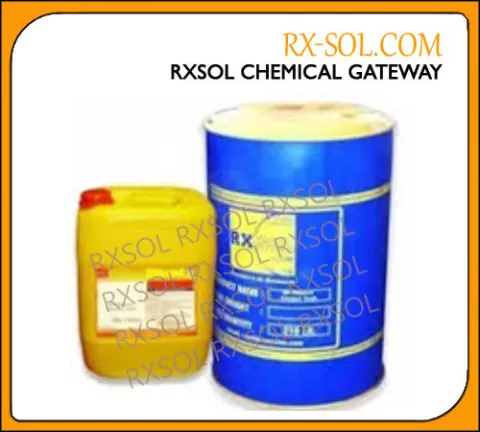
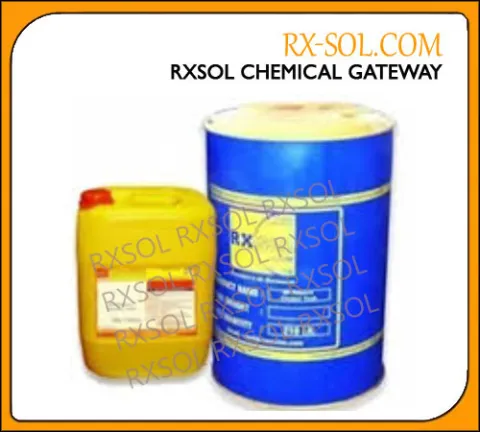
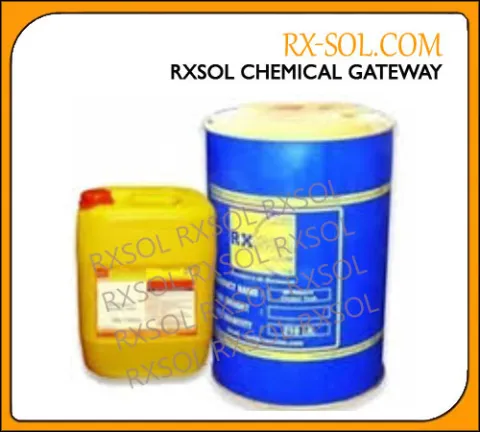
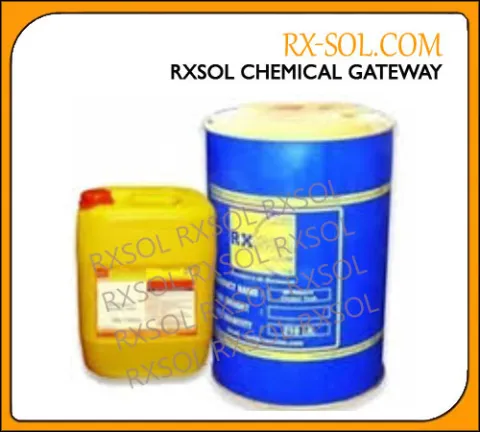
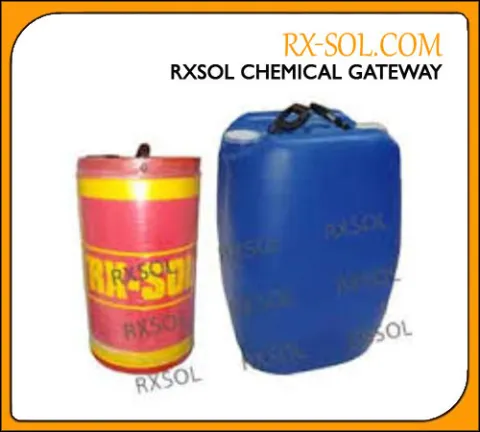
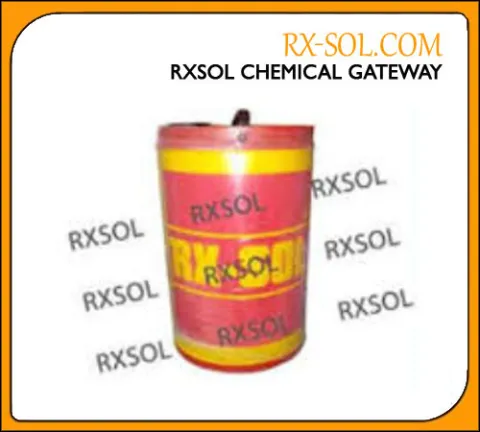
PL-CON Tank cleaner
- Part number
- RXSOL-20-2221-025
- Category
- Tank Cleaner
- Brand
- RXSOL
Overview
Specialized Tank clenaing chemicals principally based on OXIDISING chemicals cleaning concept.
Applications
Tank surface oxidizing chemicals.
Dosage and directions
Oxidizing chemicals, Can be applied as per treatment and cleaning operation required.
Characteristics and notes
Corrosive substances oxidising properties, but none (non-environmentally hazardous acc. to the dangerous goods regulations. For storage and transportation provisions for dangerous goods (ADR) should be complied within the premises.
Safety and SDS
Read the safety data sheet before handling. Wear suitable gloves and eye protection.
View safety data sheet
| Product Name | PL-CON Tank cleaner |
| Part Number | RXSOL-20-2221-025 |
Company Details:
RX MARINE INTERNATIONAL
105, A wing , BSEL , TECH PARK.
VASHI ,NEW BOMBAY 400703 INDIA
| Phone | +91 22 65113333 / 5555 / 9999 |
| Fax | +91 22 2781 1318 :::AOH :0091 9821214367 |
| rxsolchemicals@gmail.com | |
| Website | www.rxmarine.com |
| Name of Substance | Cas Number | EC Number | Molecular Formula | Molar Mass |
| PL-CON Tank cleaner | 7697-37-2 | 231-714-2 | HNO3 | 63,01 g/mol |
| Handling Signal Word | Danger |
| Hazard Statements |
H272 May intensify fire; oxidiser. H290 May be corrosive to metals. H314 Causes severe skin burns and eye damage. |
| Precautionary statements - prevention |
P210 Keep away from heat/sparks/open flames/hot surfaces - No smoking. P220 Keep/store away from clothing/combustible materials. P221 Take any precaution to avoid mixing with combustibles. P234 Keep only in original container. P260 Do not breathe dust/fume/gas/mist/vapours/spray. P264 Wash thoroughly after handling. P280 Wear protective gloves/protective clothing/eye protection/face protection. |
| Precautionary statements - response |
P301+P330+P331 IF SWALLOWED: rinse mouth. Do NOT induce vomiting. P303+P361+P353 IF ON SKIN (or hair): remove/take off immediately all contaminated clothing. Rinse skin with water/shower. P304+P340 IF INHALED: remove person to fresh air and keep at rest in a position comfortable for breathing. P305+P351+P338 IF IN EYES: rinse cautiously with water for several minutes. Remove contact lenses, if present and easy to do. Continue rinsing. P310 Immediately call a POISON CENTER or doctor/physician. P321 Specific treatment (see on this label). P363 Wash contaminated clothing before reuse. P370+P378 In case of fire: use sand, carbon dioxide or powder extinguisher for extinction. P390 Absorb spillage to prevent material damage. |
| General Note | Do not leave affected person unattended. Remove victim out of the danger area. Keep affected person warm, still and covered. Take off immediately all contaminated clothing. In all cases of doubt, or when symptoms persist, seek medical advice. In case of unconsciousness place person in the recovery position. Never give anything by mouth. |
| Eye Contact | Check for and remove any contact lenses. In case of contact, immediately flush eyes with plenty of water for at least 15 minutes. Cold water may be used. Get medical attention. |
| Skin Contact | Wash off immediately with plenty of water for at least 15 minutes. Use a mild soap if available. Wash clothing before reuse. Thoroughly clean shoes before reuse. Get medical attention if irritation develops and persists. |
| Inhalation: | If inhaled, remove to fresh air. If not breathing, give artificial respiration. If breathing is difficult, give oxygen. Get medical attention. |
| Ingestion: | Do NOT induce vomiting unless directed to do so by medical personnel. Never give anything by mouth to an unconscious person. Loosen tight clothing such as a collar, tie, belt or waistband. Get medical attention if symptoms appear. Serious Ingestion: Not available. |
| Flammability | Non-flammable. |
| Flash Point | Not applicable. |
| Suitable extinguishing media | Use extinguishing measures that are appropriate to local circumstances and the surrounding environment. |
|
Hazardous combustion products |
Nitrogen oxides (NOx), carbon monoxide (CO), carbon dioxide (CO2) |
| Protective Equipment | Use personal protective equipment. |
| Advice for firefighters | In case of fire and/or explosion do not breathe fumes. Co-ordinate firefighting measures to the fire surroundings. Do not allow firefighting water to enter drains or water courses. Collect contaminated firefighting water separately. Fight fire with normal precautions from a reasonable distance. |
| Small Spillage | Dilute with water and mop up, or neutralise by Soda Ash solution, and place in an appropriate waste disposal container Ensure clean-up is conducted by trained personnel only. Refer to protective measures listed in sections 7 and 8. |
| Personal Protection | Remove persons to safety. Wear breathing apparatus if exposed to vapours/dust/spray/gases. |
| Enviromental Precaution | Keep away from drains, surface and ground water. Retain contaminated washing water and dispose it. |
|
Methods and materials for containment and cleaning |
Covering of drains. Wipe up with absorbent material (e.g. cloth, fleece). Collect spillage (sawdust, diatonic soil, sand, universalbinder).Neutralisation techniques - Use of adsorbent materials.Place in appropriate containers for disposal. Ventilate affected area. |
| Handling | Do not get in eyes, on skin, or on clothing.Use local and general ventilation. Use only in well ventilated areas. Take any precaution to avoid mixing with combustibles. Do not mix with alkali. organic absorbing material - pulp/paper - caustic solutions. Wash hands thoroughly after handling. |
| Storage |
Store in corrosive resistant container with a resistant inner liner. Keep reduction valves free from grease and oil.Observe hints for combined storage. Keep/store away from clothing/combustible materials. Take any precaution to avoid mixing with combustibles. Packing : Only packagings which are approved (e.g. acc. to ADR) may be used. |
| Advice on general occupational hygiene | Wash hands after use. Do not to eat, drink and smoke in work areas. Remove contaminated clothing and protective equipment before entering eating areas. Never keep food or drink in the vicinity of chemicals. Never place chemicals in containers that are normally used for food or drink. Keep away from food, drink and animal feedingstuffs. |
|
Engineering Controls: |
Provide exhaust ventilation or other engineering controls to keep the airborne concentrations of vapors below their respective threshold limit value. Ensure that eyewash stations and safety showers are proximal to the work-station location. |
| Personal Protection | Face shield. Full suit. Vapor respirator. Be sure to use an approved/certified respirator or equivalent. Gloves. Boots. Splash goggles. Full suit. Vapor respirator. Boots. Gloves. A self contained breathing apparatus should be used to avoid inhalation of the product. Suggested protective clothing might not be sufficient; consult a specialist BEFORE handling this product. |
|
Exposure Limits: |
TWA: 2 STEL: 4 (ppm) from ACGIH (TLV) [United States] TWA: 2 STEL: 4 from OSHA (PEL) [United States] Consult local authorities for acceptable exposure limits. |
| Other Protection Measure | Take recovery periods for skin regeneration. Preventive skin protection (barrier creams/ointments) is recommended. Wash hands thoroughly after handling. In case of inadequate ventilation wear respiratory protection. Use appropriate container to avoid environmental contamination. Keep away from drains, surface and ground water. |
Gloves Suit
| Form | Liquid |
| Colour | Different |
| Odour | characteristic |
| Solubility | Soluble in water |
| Soluble in water | Infinite |
| Specific Gravity (20 °C | 1.002 |
| pH | Acidic |
| Boiling Point | 121°C (249.8°F) |
| Melting Point | -41.6°C (-42.9°F) |
| Critical Temperature | Not Available |
| Flammability (solid, gas) | Not relevant (fluid) |
| Explosive limits | Not Determine |
| Vapour pressure | Not Determine |
| Density | Not Determine |
| Relative density Information | Not Determine |
| Viscosity | Not Determine |
| Partition coefficient | --------- |
| Explosive properties | None |
| Oxidising properties | Oxidiser |
| Recativity | Concerning incompatibility: see below "Conditions to avoid" and "Incompatible materials". It's a reactive substance: The mixture contains reactive substance(s): oxidising property, corrosive to metals |
| Stability | Product is stable. |
| Possibility of hazardous reactions | No known hazardous reactions. |
| Conditions to avoid | There are no specific conditions known which have to be avoided.Keep reduction valves free from grease and oil. |
| Incompatible materials | bases - combustible materials |
|
Hazardous combustion products |
bases -Reasonably anticipated hazardous decomposition products produced as a result of use, storage, spill and heating are not known. Hazardous combustion products: see section 5. combustible materials |
Classification according to GHS (1272/2008/EC, CLP)
| Acute toxicity | Shall not be classified as acutely toxic. |
| Skin corrosion/irritation | Causes severe skin burns and eye damage. |
| Serious eye damage/eye irritation | Causes serious eye damage. |
| Respiratory or skin sensitisation | Shall not be classified as germ cell mutagenic, carcinogenic nor as a reproductive toxicant. |
| Specific target organ toxicity (STOT) | Shall not be classified as a specific target organ toxicant. |
| Aspiration hazard | Shall not be classified as presenting an aspiration hazard. |
| Other information | Corrosive to the respiratory tract |
| Toxicity | Shall not be classified as acutely toxic. |
| Process of degradability | Causes severe skin burns and eye damage. |
| Bioaccumulative potential | Causes serious eye damage. |
| Mobility in soil | Shall not be classified as germ cell mutagenic, carcinogenic nor as a reproductive toxicant. |
| Results of PBT and vPvB assessment | Shall not be classified as a specific target organ toxicant. |
| Other adverse effects | Shall not be classified as presenting an aspiration hazard. |
| Waste treatment-relevant information | Recycling/reclamation of other inorganic materials. Regeneration of acids |
| Sewage disposal-relevant information | Do not empty into drains. Avoid release to the environment. Refer to special instructions/safety data sheets. |
| Waste treatment of containers/packagings | It is a dangerous waste; only packagings which are approved (e.g. acc. to ADR) may be used. Completely emptied packages can be recycled. Handle contaminated packages in the same way as the substance itself. |
| Relevant provisions relating to waste | not assigned |
| Remarks | Please consider the relevant national or regional provisions. Waste shall be separated into the categories that can be handled separately by the local or national waste management facilities. |
| Waste Disposal | Waste should be disposed of in according to local rule and regulation. |
Transport in bulk according to Annex II of MARPOL 73/78 and the IBC Code : The cargo is not intended to be carried in bulk.
Transport of dangerous goods by road , rail and inland waterway (ADR/RID/ADN)
| UN Number | 2031 |
| Proper shipping name | NITRIC ACID |
| Particulars in the transport document | UN2031, NITRIC ACID, 8 (5.1), II, (E) |
| Class | 8 |
| Classification code | CO1 |
| Packing group | II |
| Danger label(s) | 8+5.1 |
| Hazard identification No | 85 |
International Maritime Dangerous Goods Code (IMDG)
| UN Number | 2031 |
| Proper shipping name | NITRIC ACID |
| Particulars in the transport document | UN2031, NITRIC ACID, 8 (5.1), II, (E) |
| Class | 8 |
| Subsidiary risk(s) | 5.1 |
| Packing group | II |
| Danger label(s) | 8+5.1 |
| EmS | F-A , S-Q |
| Stowage category | D |
| Segregation group | 1, Acidic |
International Civil Aviation Organization (ICAO-IATA/DGR)
| UN Number | 2031 |
| Proper shipping name | NITRIC ACID |
| Particulars in the transport document | UN2031, NITRIC ACID, 8 (5.1), II, (E) |
| Class | 8 |
| Subsidiary risk(s) | 5.1 |
| Packing group | II |
| Danger label(s) | 8+5.1 |
| Special provisions (SP) | A1 |
| Excepted quantities (EQ) | E0 |
| Fedral and State Regulation | Safety, health and environmental regulations/legislation specific for the substance or mixture. OSHA: Hazardous by definition of Hazard Communication Standard (29 CFR 1910.1200) |
| Sewage disposal-relevant informationWater pollution effect indication | Slightly harmful to aquatic organisms. |
| Chemical Safety Assessment | No Chemical Safety Assessment has been carried out for this substance. |
Full text of R-Phrases
R22 :Harmful if swallowed.
R23/24/25 :Toxic by inhalation, in contact with skin and if swallowed.
R34 :Causes burns.
R35 :Causes severe burns.
R38 :Irritating to skin.
R41 :Risk of serious damage to eyes.
R43 :May cause sensitization by skin contact.
H272 :may intensify fire; oxidiser
H290 :may be corrosive to metals
H314 :causes severe skin burns and eye damage
R35 :causes severe burns
R8 : contact with combustible material may cause fire
The information above is believed to be accurate and represents the best information currently available to us. However, we make no warranty of merchantability or any other warranty, express or implied, with respect to such information, and we assume no liability resulting from its use. Users should make their own investigations to determine the suitability of the information for their particular purposes. In no event shall be liable for any claims, losses, or damages of any third party or for lost profits or any special, indirect, incidental, consequential or exemplary damages, howsoever arising, even if RX Marine International has been advised of the possibility of such damages.
DISCLAIMER OF LIABILITY :The information in this SDS was obtained from sources which we believe are reliable. However, the information is provided without any warranty, express or implied, regarding its correctness. The conditions or methods of handling, storage, use or disposal of the product are beyond our control and may be beyond our knowledge. For this and other reasons, we do not assume responsibility and expressly disclaim liability for loss, damage or expense arising out of or in any way connected with the handling, storage, use or disposal of the product. This MSDS was prepared and is to be used only for this product. If the product is used as a component in another product, this MSDS information may not be applicable.
Availability
PL-CON Tank cleaner manufacturer supplier distributor in Mumbai, Kandla, Kolkata, Vizag, Chennai, India, Fujairah, Dubai, Sharjah, UAE, Gulf, Middle East, Muscat Oman, Kenya Africa. Get the best quality of PL-CON Tank cleaner at a competitive price from us. We have ready stock of PL-CON Tank cleaner in India, UAE Gulf, Oman, Kenya Africa. Contact us for bulk as well as small orders.