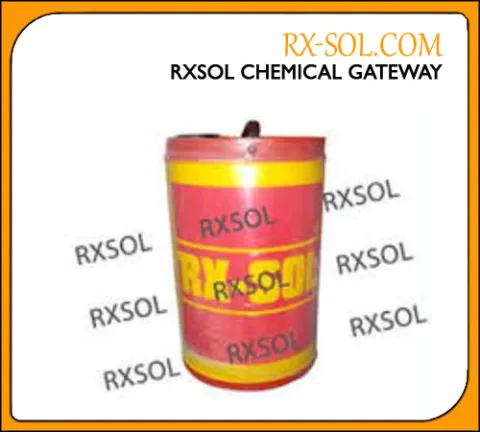
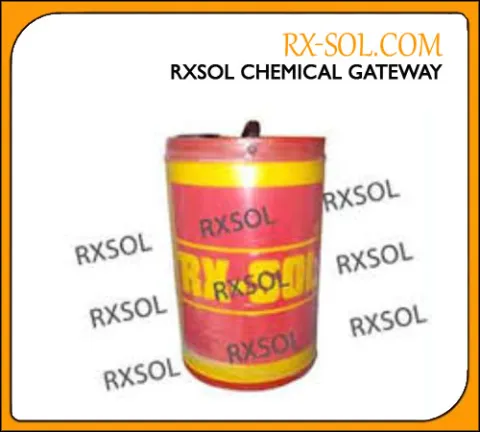
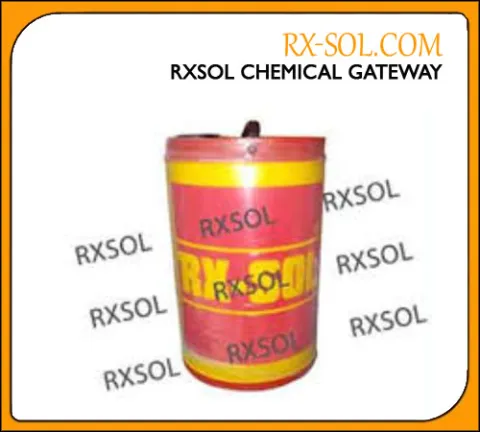
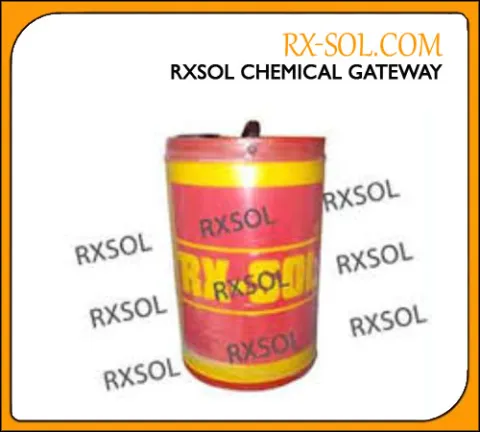
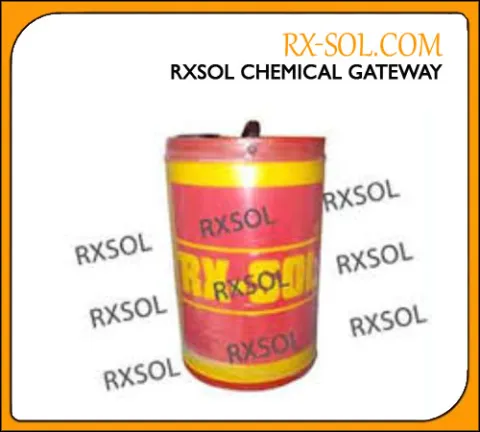
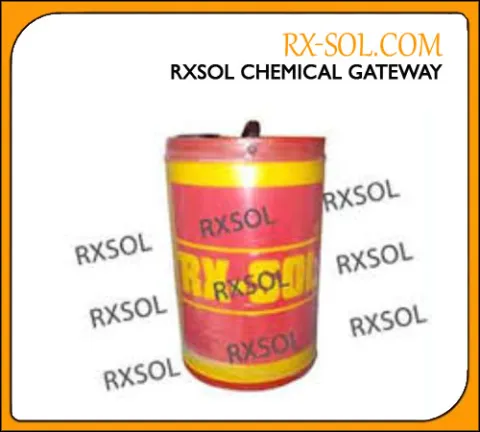
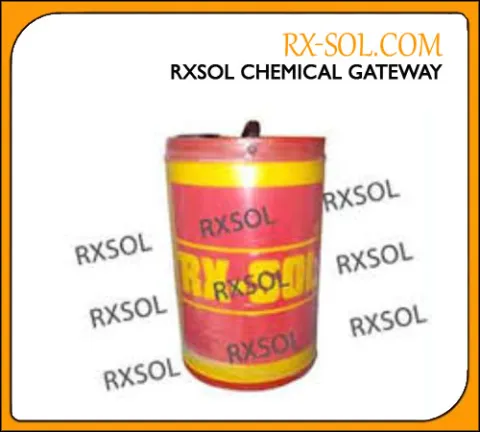
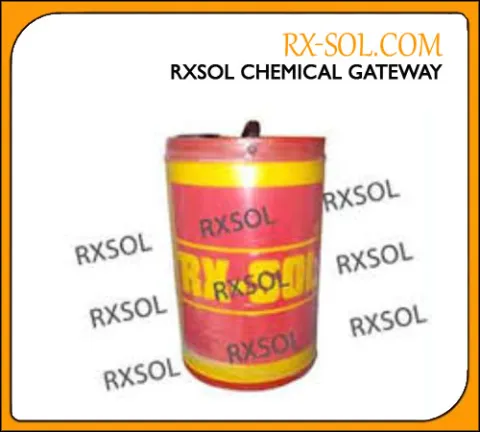
Pet Spotter - Bird Droppings
- Part number
- RXSOL-41-8307-025
- Category
- Automobiles
- Brand
- RXSOL
Safety and SDS
Read the safety data sheet before handling. Wear suitable gloves and eye protection.
View safety data sheet
| Product Name | Pet Spotter |
| Product Type | RXSOL-41-8307-025 |
Company Details:
RX MARINE INTERNATIONAL
105, A wing , BSEL , TECH PARK.
VASHI ,NEW BOMBAY 400703 INDIA
| Phone | +91 22 65113333/ 5555 |
| Fax | +91 22 2781 1318 :::AOH :0091 9322594669 |
| rxsolchemicals@gmail.com |
COMPONENT OSHA PEL TLV
Hydrogen Peroxide (CAS # 7722-84-1) 1 p.p.m. 1 p.p.m.
Glycol Ether DB (CAS # 112-34-5) N/E N/E
EMERGENCY OVERVIEW
Physical Properties: clear solution with mild odor
IMMEDIATE HEALTH EFFECTS
Eyes: Severe eye irritation, watering, redness and swelling of eyelids. Risk of permanent damage.
Skin: Irritation and temporary whitening at contact area; risk of burns.
Inhalation: Inhalation may cause irritation of nose and throat; cough.
Ingestion: If swallowed will cause irritation of gastrointestinal tract..
PRIMARY ROUTES OF ENTRY: Eyes, skin contact/absorption, inhalation or ingestion.
SIGNS/SYMPTOMS OF OVEREXPOSURE: Gastrointestinal irritation (nausea, vomiting, diarrhea), and/or irritation to the skin, eyes, nose, throat, and respiratory tract.
REPRODUCTIVE/DEVELOPMENTAL INFORMATION: No data available.
CARCINOGINICITY:
NTP: Known – No; Anticipated – No OSHA: TLV-A3 for hydrogen peroxide. IARC: category 3 for hydrogen peroxide.
EYES: Flush eyes with running water for at least 15 minutes, while keeping eyelids open. Get medical attention.
SKIN: Flush skin with water for at least 15 minutes. Remove any contaminated clothing. If irritation persists after washing, consult a physician
INHALATION: Remove to fresh air. If respiratory symptoms persist, consult a physician.
INGESTION: Drink 1 to 8 glasses of milk or water to dilute substance. Do not induce vomiting. Consult a physician or local Poison Control Center immediately. Never give anything by mouth to an unconscious person.
FLASHPOINT: >200° F (Closed cup)
EXPLOSIVE LIMITS: No data available.
AUTOIGNITION TEMPERATURE: No data available.
HAZARDOUS PRODUCTS OF COMBUSTION: In the event of fire, the following may be released: oxygen which can intensify the fire.
EXTINGUISHING MEDIA: Water spray, foam, dry chemical powder of carbon dioxide.
FIRE FIGHTING INSTRUCTIONS: Firefighters should wear proper protective equipment and self-contained breathing apparatus with full face piece operated in positive pressure mode. (NICSH/MSHA APPROVED)
SMALL SPILL: wear appropriate personal protective equipment. Contain and recover material when possible.
Do not return spilled material to original container.
LARGER SPILLS: dilute with large amount of water and hold in dyked area until peroxide decomposes or is neutralized with sodium metabisulfite.
Do not flush undiluted material to sewer. Empty containers should be rinsed with water before discarding.
HANDLING: Handle and open containers with care.
STORAGE: Store in a cool, well ventilated place away from incompatible materials. Keep original vented cap on container.
Respiratory Protection: None normally needed.
Protective Clothing: Gloves Recommended.
Eye Protection: Safety Glasses Recommended
Ventilation: Normal room ventilation should suffice Store below 80oF.
Storage: Store out of reach of Children. Keep original vented safety cap on container.
| Odor | Slight Pungent |
| Physical State | Liquid. |
| Appearance | Clear, colorless |
| pH | 5.4 +/- .1 |
| Specific Gravity | 1.02 |
| Boiling Point | N/E |
| Freezing/Melting Point | N/E |
| Vapor Pressure | N/E |
| Vapor Density | N/E |
| Solubility in Water | Complete |
CHEMICAL STABILITY: Product is stable under normal conditions.
CONDITIONS TO AVOID: Heat/Sources of heat; Contamination
MATERIALS TO AVOID: Acids; Bases; Metals; combustible organic materials; reducing agents.
HAZARDOUS DECOMPOSITION:
Upon combustion, the following may be produced:
Carbon dioxide and/or carbon monoxide, water and oxygen with rapid heat release.
HAZARDOUS POLYMERIZATION: Will not occur.
EYE EFFECTS: 5% hydrogen peroxide: Minimally irritating (rabbit) [FMC Study Number: I86- 0949]
SKIN EFFECTS: 10% hydrogen peroxide: Mildly irritating after 4-hour exposure (rabbit) [FMC Study Number: I89-1078]
DERMAL LD50: 35% hydrogen peroxide: > 2,000 mg/kg (rabbit) [FMC Study Number: I83-746]
ORAL LD50: 10% hydrogen peroxide: > 5,000 mg/kg (rat) [FMC Study Number: I89-1077]
INHALATION LC50: 50% hydrogen peroxide: > 0.17 mg/l (rat) [FMC Study Number: I89-1080]
ACUTE EFFECTS FROM OVEREXPOSURE: Minimally irritating to the eyes, skin,nose, throat, and lungs.
CHRONIC EFFECTS FROM OVEREXPOSURE:
The International Agency for Research on Cancer (IARC) has concluded that there is inadequate evidence for carcinogenicity of hydrogen peroxide in humans, but limited evidence in experimental animals (Group 3 - not classifiable as to its carcinogenicity to humans). The American Conference of Governmental Industrial Hygienists (ACGIH) has concluded that hydrogen peroxide is a ’Confirmed Animal Carcinogen with Unknown Relevance to Humans’ (A3).
ECOTOXICOLOGICAL INFORMATION:
Channel catfish 96-hour LC50 = 37.4 mg/L
Fathead minnow 96-hour LC50 = 16.4 mg/L
Daphnia magna 24-hour EC50 = 7.7 mg/L
Daphnia pulex 48-hour LC50 = 2.4 mg/L
Freshwater snail 96-hour LC50 = 17.7 mg/L
For more information refer to ECETOC "Joint Assessment of Commodity Chemicals No. 22, Hydrogen Peroxide." ISSN-0773-6339, January 1993
CHEMICAL FATE INFORMATION:
Hydrogen peroxide in the aquatic environment is subject to various reduction or oxidation processes and decomposes into water and oxygen. Degrades in the atmosphere within the light spectrum with hydroxyl radicals in the gas phase and subsequent photolysis.
Do not dispose of on the land, in surface waters, or in storm drains. Small spills and waste may be flushed into a waste treatment sewer where local regulations permit.
Larger quantities should be collected for reuse or consigned to a licensed hazardous waste hauler for disposal in accordance with federal, state and local regulations. All disposal must be in accordance with all federal, state and local regulations.
No restrictions for Ground, Air, or Maritime Transportation in accordance with 49 CFR parts 100-185.
Glycol Ether DB (CAS # 112-34-5 <3.5%) HAP, SARA 313, WHMIS 1%
All components are listed on TSCA.
HAP = Hazardous Air Pollutants
SARA 313 = SARA 313 Title III Toxic Chemicals
WHMIS = Workforce Hazardous Material Information System
None
This product has no established regulatory information. All regulatory information given is based on individual components of the mixture by component number. While this information and recommendations set forth herein are believed to be accurate and reliable, it is provided without warranty regarding its accuracy.
HOME PRO BY DESIGN MAKES NO WARRANTY WITH RESPECT HERETO AND DISCLAIMS ALL LIABILITY FROM RELIANCE THEREON.
Users must determine safe conditions for use and assume liability for any loss, injury, damage or expense resulting from use of this product.
N/A = Not applicable N/D = Not determined N/E = Not established
Availability
Pet Spotter - Bird Droppings manufacturer supplier distributor in Mumbai, Kandla, Kolkata, Vizag, Chennai, India, Fujairah, Dubai UAE, Muscat Oman, Kenya Africa. Get the best quality of Pet Spotter - Bird Droppings at a competitive price from us. We have ready stock of Pet Spotter - Bird Droppings in India, UAE Gulf, Oman, Kenya Africa. Contact us for bulk as well as small orders.