Potassium Oxalate Monohydrate (Crystal)
- Part number
- RXSOL-68-1594-025
- Category
- Metal Treatment
- Brand
- RXSOL
Overview
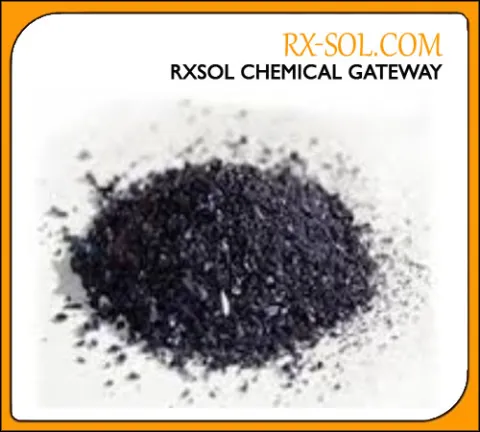
Potassium oxalate, K2C204, H20, is odorless, efforescent, water-soluble, colorless crystals that decompose when heated. Sinks in and mixes slowly with water. Used in analytical chemistry and photography, and as a bleach and oxalic acid source.
Technical specifications
| Compound Formula | C2K2O4 |
|---|---|
| Appearance | Colorless crystals |
| Molar Mass | 166.22 g/mol |
| Melting Point | 160 °C |
| Boiling Point | N/A |
| Density | 2.13g/cm3 |
Applications
- Potassium oxalate is a white crystal or powder made by neutralizing oxalic acid with potassium carbonate. It is soluble in water 1:3 but not in alcohol. Potassium oxalate was used as an early developer for gelatin plates but is best known as the developer for platinum prints.
- Cleaning and bleaching straw, removing stains in photography; in vitro blood anticoagulant; also in analytical chemistry.
Characteristics and notes
Testing chemicals required Zinc Phosphate
Indicator Solution #1 (phenolphthalein)
Testing Powder # (urea)
Testing Solution # (0.1N sodium hydroxide)
Testing Solution # (0.1N potassium permanganate)
Testing Solution # (50% sulfuric acid)
Testing Solution # (30% potassium oxalate)
Safety and SDS
Read the safety data sheet before handling. Wear suitable gloves and eye protection.
View safety data sheet
| Product Name | Potassium Oxalate |
| Product Type | RXSOL-68-1594-025 |
Company Details:
RX MARINE INTERNATIONAL
105, A wing , BSEL , TECH PARK.
VASHI ,NEW BOMBAY 400703 INDIA
Stock Point : Mumbai, Kolkata, Chennai, Gandhidham, Visakhapatnam, Fujairah, Muscat
| Phone | +91 22 27815541 / 42 |
| Fax | +91 22 2781 1318 :::AOH :0091 9821214367 |
| rxsolchemicals@gmail.com |
|
Ingredient |
CAS No |
|
Potassium Oxalate |
6487-48-5 |
|
Inhalation: |
Inhalation of dust is corrosive to mucous membranes. Oxalates can be absorbed through the lungs. Symptoms of poisoning include nervousness, cramps, central nervous system depression. |
| Ingestion: |
Mean lethal dose for oxalates in adults is estimated at 15-30 grams with death within a few hours or even minutes. Corrosive action on the mucosa and severe gastrointestitis can occur with pain, vomiting, etc. Sharp reduction of serum calcium can cause disfunction of the brain. Calcium oxalate may be deposited in the kidneys. |
|
Skin Contact |
Corrosive. Symptoms of redness, pain, and severe burn can occur. |
|
Eye Contact: |
Corrosive. Contact can cause blurred vision, redness, pain and severe tissue burns. Prolonged contact may cause eye damage. |
|
Chronic Exposure: |
Circulatory failure or nervous system irregularities may follow prolonged calcium metabolism disturbances due to oxalation. |
| Aggravation of Pre-existing Conditions: |
Persons with pre-existing skin disorders or eye problems, or impaired liver, kidney or respiratory function may be more susceptible to the effects of the substance. |
|
Inhalation: |
Remove to fresh air. If not breathing, give artificial respiration. If breathing is difficult, give oxygen. Get medical attention immediately. |
|
Ingestion: |
If swallowed, DO NOT INDUCE VOMITING. Give large quantities of water. Never give anything by mouth to an unconscious person. Get medical attention immediately. |
|
Skin Contact: |
Immediately flush skin with plenty of soap and water for at least 15 minutes while removing contaminated clothing and shoes. Get medical attention, immediately. Wash clothing before reuse. Thoroughly clean shoes before reuse. |
| Eye Contact: |
Immediately flush eyes with plenty of water for at least 15 minutes, lifting lower and upper eyelids occasionally. Get medical attention immediately. |
Fire: Not considered to be a fire hazard.
Explosion: Not considered to be an explosion hazard.
Fire Extinguishing Media: Use any means suitable for extinguishing surrounding fire.
Special Information: In the event of a fire, wear full protective clothing and NIOSH-approved self-contained breathing apparatus with full facepiece operated in the pressure demand or other positive pressure mode.
Ventilate area of leak or spill. Keep unnecessary and unprotected people away from area of spill. Wear appropriate personal protective equipment as specified in Section 8.
Keep in a tightly closed container, stored in a cool, dry, ventilated area. Protect against physical damage. Isolate from any source of heat or ignition. Isolate from incompatible substances. Containers of this material may be hazardous when empty since they retain product residues (dust, solids); observe all warnings and precautions listed for the product.
|
Exposure Limits |
None established. |
|
Ventilation System |
A system of local and/or general exhaust is recommended to keep employee exposures as low as possible. Local exhaust ventilation is generally preferred because it can control the emissions of the contaminant at its source, preventing dispersion of it into the general work area. Please refer to the ACGIH document, Industrial Ventilation, A Manual of Recommended Practices, most recent edition, for details. |
| Personal Respirators (NIOSH Approved): |
For conditions of use where exposure to dust or mist is apparent and engineering controls are not feasible, a particulate respirator (NIOSH type N95 or better filters) may be worn. If oil particles (e.g. lubricants, cutting fluids, glycerine, etc.) are present, use a NIOSH type R or P filter. For emergencies or instances where the exposure levels are not known, use a full-face positive-pressure, air-supplied respirator. WARNING: Air-purifying respirators do not protect workers in oxygen-deficient atmospheres. |
| Skin Protection: |
Wear impervious protective clothing, including boots, gloves, lab coat, apron or coveralls, as appropriate, to prevent skin contact. |
| Eye Protection |
Use chemical safety goggles and/or full face shield where dusting or splashing of solutions is possible. Maintain eye wash fountain and quick-drench facilities in work area |
|
Appearance |
Powder Colour |
|
pH |
7,0 - 8,5 at 50 g/l at 25 °C |
|
Boiling point |
No information found |
|
Freezing/Melting Point: |
No information found |
|
Vapour density |
No information found |
|
Specific Gravity: |
No information found |
|
Evaporation Rate: |
No information found |
|
Flammability(gas, solid) |
No information found |
Reactivity No data available
Chemical stability Stable under recommended storage conditions
Possibility of hazardous reactions No data available
Conditions to avoid Avoid moisture.
Incompatible materials Halogens, Ammonia, Cyanides, Heavy metals
Hazardous decomposition products Other decomposition products - No data available
In the event of fire: see section 5
Information on toxicological effects Acute toxicity No data available
Dermal: No data available
Skin corrosion/irritation No data available
Serious eye damage/eye irritation No data available
Respiratory or skin sensitisation No data available
Germ cell mutagenicity No data available
Carcinogenicity IARC: No component of this product present at levels greater than or equal to 0.1% is identified as probable, possible or confirmed human carcinogen by IARC.
Reproductive toxicity Possible risk of congenital malformation in the fetus.
Specific target organ toxicity - single exposure No data available
Specific target organ toxicity - repeated exposure No data available
Aspiration hazard No data available
Additional Information RTECS: Not available
To the best of our knowledge, the chemical, physical, and toxicological properties have not been thoroughly investigated.
Toxicity No data available
Persistence and degradability No data available
Bioaccumulative potential No data available
Mobility in soil No data available
Results of PBT and vPvB assessment This substance/mixture contains no components considered to be either persistent, bioaccumulative and toxic (PBT), or very persistent and very bioaccumulative (vPvB) at levels of 0.1% or higher.
Other adverse effects No data available
Waste treatment methods
Product : Offer surplus and non-recyclable solutions to a licensed disposal company. Dissolve or mix the material with a combustible solvent and burn in a chemical incinerator equipped with an afterburner and scrubber.
Contaminated packaging
Dispose of as unused product.
The information provided about the product on this Safety Data Sheet has been compiled from knowledge of the individual constituents.The data given here is based on current knowledge and experience. This Safety Data Sheet describes the product .in terms of safety requirements and does not signify any warranty with regard to the product's properties The data given here only applies when product used for proper application(s). The product is not sold as suitable for other applications - usage in such may cause risks not mentioned in this sheet. Do not use for other.
|
Silver Nitrate |
|
Silver Nitrate |
DISCLAIMER OF LIABILITY :The information in this SDS was obtained from sources which we believe are reliable. However, the information is provided without any warranty, express or implied, regarding its correctness. The conditions or methods of handling, storage, use or disposal of the product are beyond our control and may be beyond our knowledge. For this and other reasons, we do not assume responsibility and expressly disclaim liability for loss, damage or expense arising out of or in any way connected with the handling, storage, use or disposal of the product. This MSDS was prepared and is to be used only for this product. If the product is used as a component in another product, this MSDS information may not be applicable.
Availability
Potassium Oxalate Monohydrate (Crystal) manufacturer supplier distributor in Mumbai, Kandla, Kolkata, Vizag, Chennai, India, Fujairah, Dubai, Sharjah, UAE, Gulf, Middle East, Muscat Oman, Kenya Africa. Get the best quality of Potassium Oxalate Monohydrate (Crystal) at a competitive price from us. We have ready stock of Potassium Oxalate Monohydrate (Crystal) in India, UAE Gulf, Oman, Kenya Africa. Contact us for bulk as well as small orders.