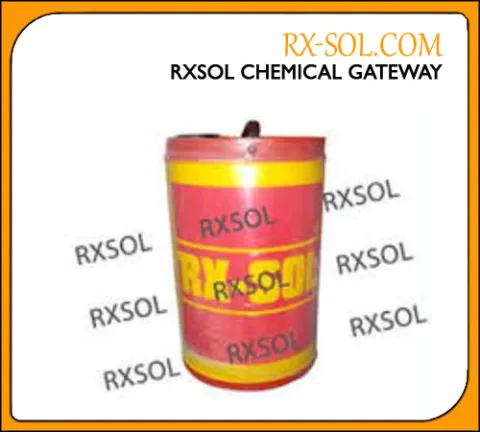
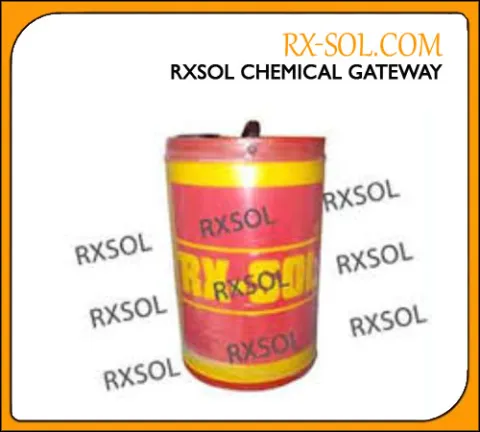
RED ZONE PART B
- Part number
- RXSOL-41-8769-025
- Category
- Automobiles
- Brand
- RXSOL
Safety and SDS
Read the safety data sheet before handling. Wear suitable gloves and eye protection.
View safety data sheet
| Product Name | RED ZONE PART B |
| Product Type | RXSOL-41-8769-025 |
Company Details:
RX MARINE INTERNATIONAL
105, A wing , BSEL , TECH PARK.
VASHI ,NEW BOMBAY 400703 INDIA
| Phone | +91 22 65113333/ 5555 / 9999 / 27611360 / 27815540 |
| Fax | +91 22 2781 1318 :::AOH :0091 9322594669 |
| rxsolchemicals@gmail.com |
PRINCIPLE HAZARDOUS INGREDIENTS: OSHA PEL TLV
Triethanolamine (CAS # 102-71-6) N/E 5 mg/m3
Isopropyl Alcohol (CAS # 67-63-0) 400 p.p.m. 400 p.p.m.
Emergency Overview
Color: Colorless to yellow
Physical State: Liquid
Odor: Ammoniacal
Hazards of product:
CAUTION! May cause eye irritation. Isolate area.
Potential Health Effects
Eye Contact: May cause moderate eye irritation. Corneal injury is unlikely.
Skin Contact: Prolonged exposure not likely to cause significant skin irritation. Repeated exposure may cause irritation, even a burn.
Skin Absorption: Prolonged skin contact is unlikely to result in absorption
of harmful amounts. Skin Sensitization: For the major component(s): Skin contact may cause an allergic skin reaction in a small proportion of individuals.
Inhalation: At room temperature, exposure to vapor is minimal due to low volatility; vapor from heated material may cause respiratory irritation.
Ingestion: Very low toxicity if swallowed. Harmful effects not anticipated from swallowing small amounts.
Effects of Repeated Exposure: For the major component(s): In animals, effects have been reported on the following organs: Kidney. Liver.
Carcinogenicity: NTP: Known – No; Anticipated – No OSHA: TLV-A4 for isopropyl alcohol.
IARC: No
Eye Contact: Flush eyes thoroughly with water for several minutes. Remove contact lenses after the initial 1-2 minutes and continue flushing for several additional minutes. If effects occur, consult a physician, preferably an ophthalmologist.
Skin Contact: Remove material from skin immediately by washing with soap and plenty of water. Remove contaminated clothing and shoes while washing. Seek medical attention if irritation persists. Wash clothing before reuse. Discard items which cannot be decontaminated, including leather articles such as shoes, belts and watchbands.
Inhalation: Move person to fresh air; if effects occur, consult a physician.
Ingestion: No emergency medical treatment necessary.
Notes to Physician: If burn is present, treat as any thermal burn, after decontamination. No specific antidote. Treatment of exposure should be directed at the control of symptoms and the clinical condition of the patient.
Flash Point: 110° F (Closed cup)
Extinguishing Media: Water fog or fine spray. Dry chemical fire extinguishers. Carbon dioxide fire extinguishers. Foam. Do not use direct water stream. May spread fire. Alcohol resistant foams (ATC type) are preferred. General purpose synthetic foams (including AFFF) or protein foams may function, but will be less effective.
Fire Fighting Procedures: Keep people away. Isolate fire and deny unnecessary entry. Use water spray to cool fire exposed containers and fire affected zone until fire is out and danger of reignition has passed. Fight fire from protected location or safe distance. Consider the use of unmanned hose holders or monitor nozzles. Immediately withdraw all personnel from the area in case of rising sound from venting safety device or discoloration of the container. Burning liquids may be extinguished by dilution with water. Do not use direct water stream. May spread fire. Move container from fire area if this is possible without hazard. Burning liquids may be moved by flushing with water to protect personnel and minimize property damage.
Special Protective Equipment for Firefighters: Wear positive-pressure selfcontained breathing apparatus (SCBA) and protective fire fighting clothing (includes fire fighting helmet, coat, trousers, boots, and gloves). Avoid contact with this material during fire fighting operations. If contact is likely, change to full chemical resistant fire fighting clothing with selfcontained breathing apparatus. If this is not available, wear full chemical resistant clothing with self-contained breathing apparatus and fight fire from a remote location. For protective equipment in post-fire or non-fire clean-up situations, refer to the relevant sections.
Unusual Fire and Explosion Hazards: Container may rupture from gas generation in a fire situation. Violent steam generation or eruption may occur upon application of direct water stream to hot liquids. Hazardous Combustion
Products: During a fire, smoke may contain the original material in addition to combustion products of varying composition which may be toxic and/or irritating. Combustion products may include and are not limited to: Nitrogen oxides. Carbon monoxide. Carbon dioxide.
Steps to be Taken if Material is Released or Spilled: Large spills: Dike area to contain spill. Pump into suitable and properly labeled containers. Small spills: Dilute with water. Recover spilled material if possible. Absorb with materials such as: Non-combustible material. Sand. Remove with shovel. Collect in suitable and properly labeled containers. See Section 13, Disposal Considerations, for additional information. Personal Precautions: Isolate area. Keep unnecessary and unprotected personnel from entering the area. Use appropriate safety equipment. For additional information, refer to Section 8, Exposure Controls and Personal Protection. Refer to Section 7, Handling, for additional precautionary measures.
Environmental Precautions: Prevent from entering into soil, ditches, sewers, waterways and/or groundwater. See Section 12, Ecological Information.
Handling
General Handling: Avoid contact with eyes. Wash thoroughly after handling. Thaw and mix well before using. Do not use sodium nitrite or other nitrosating agents in formulations containing this product. Suspected cancercausing nitrosamines could be formed. Spills of these organic materials on hot fibrous insulations may lead to lowering of the autoignition temperatures possibly resulting in spontaneous combustion. See Section 8, EXPOSURE CONTROLS AND PERSONAL PROTECTION.
Storage Avoid freezing. Store in a dry place. Do not store in: Copper. Copper alloys. Galvanized containers.
Personal Protection
Eye/Face Protection: Use chemical safety glasses.
Skin Protection: When prolonged or frequently repeated contact could occur, use protective clothing chemically resistant to this material. Selection of specific items such as face shield, boots, apron, or full-body suit will depend on the task.
Hand protection: Use gloves chemically resistant to this material. Examples of acceptable glove barrier materials include: Butyl rubber. Natural rubber (latex). Neoprene. Nitrile/butadiene rubber (nitrile or NBR). Polyvinyl chloride (PVC or vinyl). Viton.
Respiratory Protection: For most conditions, no respiratory protection should be needed; however, if handling at elevated temperatures without sufficient ventilation, use an approved air-purifying respirator. The following should be effective types of air-purifying respirators: Organic vapor cartridge.
Ingestion: Use good personal hygiene. Do not consume or store food in the work area. Wash hands before smoking or eating.
Engineering Controls
Ventilation: General ventilation should be sufficient for most operations. Local exhaust ventilation may be necessary for some operations.
| Odor: | Ammoniacal |
| Physical State: | Liquid. |
| Appearance: | Clear, Colorless |
| pH: | 11.0-11.4 |
| Specific Gravity: | 1.056 g/mL |
|
Boiling Point: |
N/E |
| Freezing/Melting Point: | N/E |
| Vapor Pressure: | N/E |
| Vapor Density: | N/E |
|
Solubility in Water: |
Complete |
Stability/Instability Stable under recommended storage conditions. See Storage, Section 7.
Conditions to Avoid: Exposure to elevated temperatures can cause product to decompose. Generation of gas during decomposition can cause pressure in closed systems.
Incompatible Materials: Avoid contact with: Strong acids. Strong oxidizers. Hazardous Polymerization
Availability
RED ZONE PART B manufacturer supplier distributor in Mumbai, Kandla, Kolkata, Vizag, Chennai, India, Fujairah, Dubai, Sharjah, UAE, Gulf, Middle East, Muscat Oman, Kenya Africa. Get the best quality of RED ZONE PART B at a competitive price from us. We have ready stock of RED ZONE PART B in India, UAE Gulf, Oman, Kenya Africa. Contact us for bulk as well as small orders.