|
Product Name |
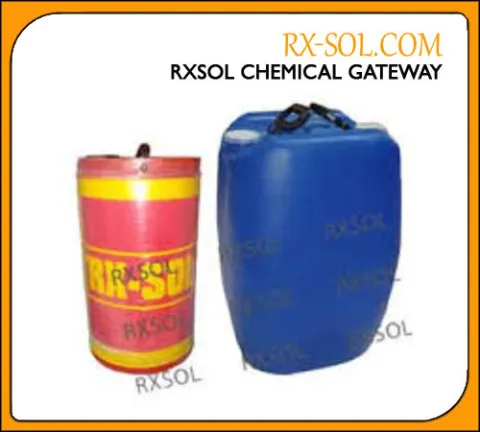
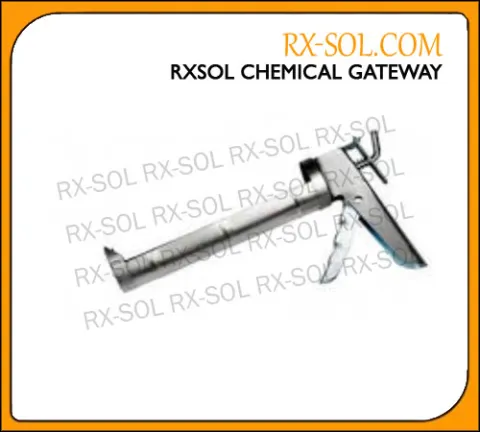
SILICONE SEALENT |
|
Part Number |
RXSOL-65-6502-001 |
Company Details:
RX MARINE INTERNATIONAL
105, A wing , BSEL , TECH PARK.
VASHI ,NEW BOMBAY 400703 INDIA
Branch : Kandla, Mumbai , Chennai, Vizag, Kolkata, UAE , OMAN , CANADA and KENYA
|
Phone |
+91 22 20871200 - 1400 |
|
Fax |
+91 22 27612100 :::AOH :0091 9821214367 |
|
Email |
rxsolchemicals@gmail.com |
|
Website |
www.rxmarine.com/ |
|
Chemical Name |
CAS NO |
EC.NO |
Weight% |
|
SILICONE SEALENT |
This product is a mixture. |
Contains no hazardous ingredients according to GHS |
- |
|
Swallowed: |
Product is mildly corrosive when in contact with water. May cause irritation and damage to gastrointestinal tract. |
|
Eye |
Reacts with tears resulting in severe irritation, corrosive burns and risk of permanent damage to eyes. |
|
Skin |
May cause caustic attacks on skin, especially when wet |
|
Inhaled |
May cause irritations of the respiratory tract |
|
First Aid Facilities |
Eye wash station |
|
Hazard Statements |
NA |
|
Hazard classification |
GHS classification in accordance with the OSHA Hazard Communication Standard (29 CFR 1910.1200) Not a hazardous substance or mixture |
|
P280 Wear protective gloves.P305 + P351 + P338 |
NA |
|
Precautionary statements response |
Use only outdoors or in a well-ventilated area.
|
|
Response |
None |
|
Disposal |
P501 Dispose of contents/container to an appropriate treatment and disposal facility in accordance with applicable laws and regulations, and product characteristics at time of disposal. |
|
Prevention |
P273 Avoid release to the environment. |
|
Supplemental Hazard Statements |
None |
|
Other hazards |
NA |
|
Chronic |
NA. |
|
General advice |
If potential for exposure exists refer to Section 8 for specific personal protective equipment. |
|
If inhaled |
Move person to fresh air and keep comfortable for breathing; consult a physician |
|
Eye Contact |
Flush eyes thoroughly with water for several minutes. Remove contact lenses after the initial 1-2 minutes and continue flushing for several additional minutes. If effects occur, consult a physician, preferably an ophthalmologist. |
|
Swallowed |
Wash mouth and lips and drink large amounts of water. Do not induce vomiting. Seek medical attention |
|
Skin Contact |
Wash off with plenty of water. |
|
First Aid Facilities |
Eye wash station |
|
Inhalation |
Move to fresh air. If breathing is difficult, give oxygen. Get medical attention immediately if symptoms occur. |
|
Ingestion |
Rinse mouth with water. Do not induce vomiting. Never give anything by mouth to an unconscious person. Call a doctor or Poison Control Center immediately. |
|
Notes to Physician |
Treat symptomatically |
|
Most important symptoms and effects, both acute and delaye |
Aside from the information found under Description of first aid measures (above) and Indication of immediate medical attention and special treatment needed (below), any additional important symptoms and effects are described in Section 11: Toxicology Information. |
|
Indication of any immediate medical attention and special treatment needed |
No specific antidote. Treatment of exposure should be directed at the control of symptoms and the clinical condition of the patient. Skin contact may aggravate preexisting dermatitis. |
|
Extinguishing media |
Use dry chemical, carbon dioxide or alcohol-resistant foam |
|
Flammability |
Non-flammable |
|
Flash Point |
None |
|
Suitable extinguishing media |
Alcohol-resistant foam. Carbon dioxide (CO2). Dry chemical. Water spray. |
|
Unsuitable extinguishing media |
NA |
|
Special hazards arising from the substance or mixture |
Carbon oxides Mixture with combustible ingredients. Vapors are heavier than air and may spread along floors. Forms explosive mixtures with air on intense heating. Development of hazardous combustion gases or vapours possible in the event of fire. |
|
Further information |
Prevent fire extinguishing water from contaminating surface water or the ground water system. |
|
General Hazard |
This product is not flammable and does not support combustion |
|
Extinguishing Media |
Use media suitable for the material that is burning. |
Hazardous combustion
products |
Carbon oxides. Silicon oxides. |
|
Advice for firefighters |
Use water spray to cool unopened containers.. Evacuate area.. Fire residues and contaminated fire extinguishing water must be disposed of in accordance with local regulations Use extinguishing measures that are appropriate to local circumstances and the surrounding environment. Remove undamaged containers from fire area if it is safe to do so. |
|
Protective Equipment |
NA |
|
Specific Hazards Arising from the Chemical |
NA |
|
Unusual Fire and Explosion Hazards |
Exposure to combustion products may be a hazard to health.. |
|
Special protective equipment for firefighters |
Wear self-contained breathing apparatus for firefighting if necessary.. Use personal protective equipment.. |
|
Personal precautions, protective equipment and emergency procedures |
Follow safe handling advice and personal protective equipment recommendations. |
|
Spillage |
NA |
|
Spills and disposal |
Clean up by sweeping and collection of dry material, avoid dusting. Wear safety equipment as for normal handling. Avoid generating dust. Vacuum up if possible, otherwise sweep up and re-cycle. If the spilled product is not suitable for re-use, damp down, collect and where possible return to manufacturer for re-processing. Disposal to an approved landfill site and covering with clean fill shall be conducted in accordance with State/Local Council regulations. |
|
Personal Protection |
Advice for non-emergency personnel: Avoid inhalation of dusts. Evacuate the danger area, observe emergency procedures, consult an expert. Advice for emergency responders: Protective equipment see section 8. |
|
Enviromental Precaution |
Discharge into the environment must be avoided. Prevent further leakage or spillage if safe to do so. Retain and dispose of contaminated wash water. Local authorities should be advised if significant spillages cannot be contained. |
Methods and materials for
containment and cleaning |
Wipe up or scrape up and contain for salvage or disposal. Local or national regulations may apply to releases and disposal of this material, as well as those materials and items employed in the cleanup of releases. You will need to determine which regulations are applicable. For large spills, provide dyking or other appropriate containment to keep material from spreading. If dyked material can be pumped, store recovered material in appropriate container. |
|
Handling |
NA |
|
Storage |
NA. |
|
Advice on safe handling |
NA |
|
Advice on protection against fire and explosion |
NA |
|
Hygiene measures |
NA |
|
Precautions for safe handling |
Take care to prevent spills, waste and minimize release to the environment. Handle in accordance with good industrial hygiene and safety practice. CONTAINERS MAY BE HAZARDOUS WHEN EMPTY. Since emptied containers retain product residue follow all (M)SDS and label warnings even after container is emptied.Use only with adequate ventilation. See Engineering measures under EXPOSURE CONTROLS/PERSONAL PROTECTION section. |
|
Conditions for safe storage, including any incompatibilities |
Keep in properly labelled containers. Store in accordance with the particular national regulations.Do not store with the following product types: Strong oxidizing agents.Unsuitable materials for containers: None known |
|
Storage conditions |
Tightly closed. Keep away from heat and sources of ignition. Keep locked up or in an area accessible only to qualified or authorized persons. Light sensitive. Moisture sensitive. |
|
Storage conditions |
Tightly closed. Dry |
|
Storage class |
NA |
|
Specific end use(s) |
NA |
|
Advice on general occupational hygiene |
NA |
|
Radiation Exposure |
NA |
|
Occupational Exposure limit values |
No data available |
|
Biological limit values |
No data available |
|
Exposure controls |
Ensure adequate ventilation. Handle in accordance with good industrial hygiene and safety practice. Set up emergency exits and the riskelimination area |
|
Engineering Control |
Use local exhaust ventilation, or other engineering controls to maintain airborne levels below exposure limit requirements or guidelines. If there are no applicable exposure limit requirements or guidelines, general ventilation should be sufficient for most operations. Local exhaust ventilation may be necessary for some operations. |
|
Personal Protection |
Use P2 respirator to cover nose and mouth and suitable eye protection (safety glasses or goggles) to minimise exposure. The use of impervious gloves and protective clothing is recommended to reduce unnecessary contact with skin. |
|
Eye/face protection |
Use safety glasses (with side shields) |
|
Body Protection |
Protective clothing |
|
Skin protection |
Use gloves chemically resistant to this material. Examples of preferred glove barrier materials include: Butyl rubber. Neoprene. Nitrile/butadiene rubber ("nitrile" or "NBR"). Ethyl vinyl alcohol laminate ("EVAL"). Polyvinyl chloride ("PVC" or "vinyl"). Natural rubber ("latex"). NOTICE: The selection of a specific glove for a particular application and duration of use in a workplace should also take into account all relevant workplace factors such as, but not limited to: Other chemicals which may be handled, physical requirements (cut/puncture protection, dexterity, thermal protection), potential body reactions to glove materials, as well as the instructions/specifications provided by the glove supplier |
|
Respiratory protection |
Respiratory protection should be worn when there is a potential to exceed the exposure limit requirements or guidelines. If there are no applicable exposure limit requirements or guidelines, wear respiratory protection when adverse effects, such as respiratory irritation or discomfort have been experienced, or where indicated by your risk assessment process. For most conditions, no respiratory protection should be needed; however, if handling at elevated temperatures without sufficient ventilation, use an approved air-purifying respirator.The following should be effective types of air-purifying respirators: Organic vapor cartridge |
|
Other Protection Measure |
Use protective clothing chemically resistant to this material. Selection of specific items such as face shield, boots, apron, or full body suit will depend on the task. |
|
Hand protection |
Use gloves chemically resistant to this material. Examples of preferred glove barrier materials include: Butyl rubber. Neoprene. Nitrile/butadiene rubber ("nitrile" or "NBR"). Ethyl vinyl alcohol laminate ("EVAL"). Polyvinyl chloride ("PVC" or "vinyl"). Natural rubber ("latex"). NOTICE: The selection of a specific glove for a particular application and duration of use in a workplace should also take into account all relevant workplace factors such as, but not limited to: Other chemicals which may be handled, physical requirements (cut/puncture protection, dexterity, thermal protection), potential body reactions to glove materials, as well as the instructions/specifications provided by the glove supplier |
|
Control of environmental exposure |
Do not let product enter drains. Risk of explosion. |
|
Thermal hazards |
No data available |
|
Appearance |
Paste |
|
Color |
White |
|
Odour |
Acetic acid |
|
Odor Threshold |
NA |
|
PH |
NAr) |
|
Melting Point |
NA |
|
Boiling Point |
No data available |
|
Flash Point |
No data available |
|
Evaporation Rate |
Not Applicable |
|
Flammability(solid, gas) |
No data available |
|
Explosive limits |
No Data Available |
|
Upper/lower flammability or explosive limits |
Non-flammable |
|
Autoignition temperature |
No data available |
|
Decomposition temperature |
No data available |
|
Vapour pressure |
No Data Available |
|
Density |
No data available |
|
Vapour Density |
No Data Available |
|
Specific Gravity |
2.5 |
|
Partition coefficient |
No data available |
|
Explosive properties |
None |
|
Bulk Density |
200 - 300 kg/m3 |
|
Solubility |
Insoluble in water, soluble in concentrated acids and alkalis |
|
Ignition temperature |
No information available. |
|
Relative Density (water = 1) |
1.04 |
|
Reactivity |
Reacts with hydrofluoric acid (HF) to produce toxic, gaseous silicon tetrafluoride (SiF4) |
|
Additional Information |
Radioactivity -Silica Fume contains low levels of radionuclides, typically 1-2 Becquerel per gram (Bq/g) of uranium-238. It may also contain 1-2 Bq/g of radium-228, 7-8 Bq/g of radium-226 and 8-10 Bq/g of lead-210. When safe handling practices are followed radiation exposure of workers is unlikely to exceed one half of the dose limit for the members of the general public given in the IAEA BSS (2014) – 0.5 mSv/year. |
|
Reactivity |
Not classified as a reactivity hazard. |
|
Stability |
Stable under normal conditions |
|
Possibility of hazardous reactions |
Can react with strong oxidizing agents |
|
Conditions to avoid |
No data available |
|
Incompatible materials |
Avoid contact with oxidizing materials |
|
Decomposition |
Decomposition will not occur |
|
Hazardous Polymerization |
No data available |
|
Hazardous decomposition products: |
Decomposition products can include and are not limited to: Formaldehyde |
|
Conditions to avoid |
None known |
|
Acute toxicity |
No data available |
|
Information for the Product |
Very low toxicity if swallowed. Harmful effects not anticipated from swallowing small amounts.As product: Single dose oral LD50 has not been determined.As product: Single dose oral LD50 has not been determined.Based on information for component(s):LD50, Rat, > 5,000 mg/kg Estimated.
Based on information for component(s):
LD50, Rat, > 5,000 mg/kg Estimated.
|
|
Skin corrosion/irritation |
No data available |
|
Serious eye damage/eye irritation |
No data available |
|
Respiratory or skin sensitization |
No data available |
|
Serious eye damage/eye irritation |
No data available |
|
Toxicity to Animal |
WARNING: THE LC50 VALUES HEREUNDER ARE ESTIMATED ON THE Acute oral toxicity (LD50): 689 mg/kg [Rat]. |
|
Toxic Effects on Human |
May cause damage to the following organs: upper respiratory tract. Other Toxic Effects on Humans: Hazardous in case of skin contact (irritant, sensitizer), of ingestion, of inhalation (lung irritant, lung sensitizer). |
|
Germ cell mutagenicity |
No data available |
|
Reproductive toxicity |
No data available |
|
Specific target organ toxicity - single exposure |
No data available |
|
Special Remarks on other Toxi Effects on Humans |
Acute Potential Health Effects: Skin: Causes skin irritation. May cause skin sensitization, an allergic reation, which becomes evident upon re-exposure to this material. Eyes: Causes eye irritation. Ingestion: Causes gastrointestinal (digestive) tract irritation with nausea, vomiting, and diarrhea. May be harmful if swallowed. Inhalation: Causes respiratory tract irritation. May cause chemical pneumonitis and pulmonary edema, inflammation, edema of bronchi and larynx. Chronic Potential Health Effects: Repeated or prolonged skin exposure may cause allergic reactions in sensitive individuals. Repeated or prolonged exposure by inhalation may affect respiration and metabolism. |
|
Additional Information |
Endocrine disrupting properties |
|
Assessment |
The substance/mixture does not contain components considered to have endocrine disrupting properties according to REACH Article 57(f) or Commission Delegated regulation (EU) 2017/2100 or Commission Regulation (EU) 2018/605 at levels of 0.1% or higher. RTECS: OD2800000 To the best of our knowledge, the chemical, physical, and toxicological properties have not been thoroughly investigated. Other dangerous properties can not be excluded. Handle in accordance with good industrial hygiene and safety practice. |
|
Endocrine disrupting properties |
The substance/mixture does not contain components considered to have endocrine disrupting properties according to REACH Article 57(f) or Commission Delegated regulation (EU) 2017/2100 or Commission Regulation (EU) 2018/605 at levels of 0.1% or higher. RTECS: DK2625000 burning sensation, Cough, wheezing, laryngitis, Shortness of breath, Headache, Nausea, Vomiting, Damage to the eyes. To the best of our knowledge, the chemical, physical, and toxicological properties have not been thoroughly investigated. Stomach - Irregularities - Based on Human Evidenc |
|
Persistence and degradability |
No data available |
|
Toxicity |
Toxicity to fish: no data available Toxicity to daphnia and other aquatic invertebrates: no data available Toxicity to algae: no data available Toxicity to microorganisms: no data available |
|
Bioaccumulative potential |
No data available |
|
Toxicity to fish |
Flow-through test LC50 - Oryzias latipes - > 95,4 mg/l - 96 h (OECD Test Guideline 203) |
|
Toxicity to daphnia and other aquatic invertebrates |
Static test EC50 - Daphnia magna (Water flea) - > 100 mg/l - 48 h (OECD Test Guideline 202) |
|
Toxicity to algae |
Static test ErC50 - SELENASTRUM - > 998 mg/l - 72 h (OECD Test Guideline 201) |
|
Eco Toxicity |
Not Available |
|
COD and BOD 5 |
Not Available |
|
Products Biodegradation: |
The methods for determining the biological degradability are not applicable to inorganic substances. |
|
Mobility in soil |
No Information available |
|
Results of PBT and vPvB assessment |
This substance/mixture contains no components considered to be either persistent, bioaccumulative and toxic (PBT), or very persistent and very bioaccumulative (vPvB) at levels of 0.1% or higher. |
|
Endocrine disrupting properties |
The substance/mixture does not contain components considered to have endocrine disrupting properties according to REACH Article 57(f) or Commission Delegated regulation (EU) 2017/2100 or Commission Regulation (EU) 2018/605 at levels of 0.1% or higher |
|
Assessment |
The substance/mixture does not contain components considered to have endocrine disrupting properties according to REACH Article 57(f) or Commission Delegated regulation (EU) 2017/2100 or Commission Regulation (EU) 2018/605 at levels of 0.1% or higher. |
|
Other adverse effects |
No data available |
|
Disposal methods |
Disposal must be in accordance with Federal, State and Local Council regulations. If approved, Silica Fume may be transferred to an approved landfill site. If the content of Silica Fume in a blended material exceeds 10%, additional approvals for the disposal may be needed. Note: Many states apply specific regulations for the disposal of waste containing Naturally Occurring Radioactive Materials (NORM) above background levels. Consult and comply with current regulations. |
|
Contaminated packaging |
Containers can be triply rinsed (or equivalent) and offered for recycling or reconditioning. Alternatively, the packaging can be punctured to make it unusable for other purposes and then be disposed of in a sanitary landfill. Controlled incineration with flue gas scrubbing is possible for combustible packaging materials. |
|
Waste treatment Method |
See www.retrologistik.com for processes regarding the return of chemicals and containers, or contact us there if you have further questions. |
|
Classification for SEA transport (IMO-IMDG |
Not regulated for transport Transport in bulk according to Annex I or II of MARPOL 73/78 and the IBC or IGC Code Consult IMO regulations before transporting ocean bulk |
|
Classification for AIR transport (IATA/ICAO |
Not regulated for transport |
|
Safety, health and environmental regulations/legislation specific for the substance or mixture |
NA |
|
Safety, health and environmental regulations specific for the product in question |
NA |
|
National legislation |
NA |
|
DSCL (EEC) |
NA |
|
Other regulations |
Take note of Dir 94/33/EC on the protection of young people at work |
|
Chemical Safety Assessment |
For this product a chemical safety assessment was not carried out |
|
Other Information |
The information above is believed to be accurate and represents the best information currently available to us. However, we make no warranty of merchantability or any other warranty, express or implied, with respect to such information, and weassume no liability resulting from its use. Users should make their own investigations to determine the suitability of the information for their particular purposes. In no event shall be liable for any claims, losses, or damages of any third party or for lost profits or any special, indirect, incidental, consequential or exemplary damages, howsoever arising, even if Rx Marine International has been advised of the possibility of such damages
|