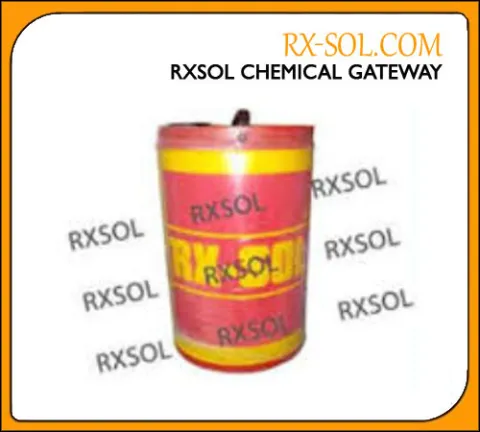
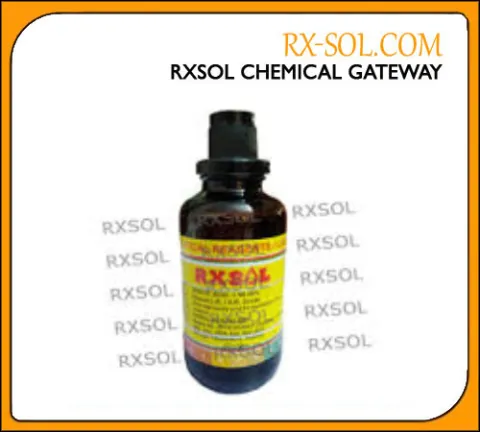
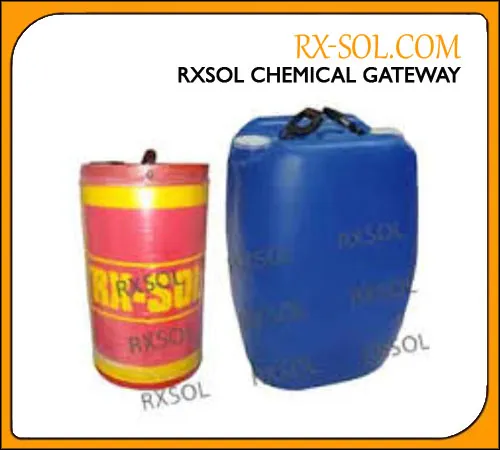
Sulfuric Acid LR 2.5Ltrs
- Part number
- RXSOL-60-2432-002
- Category
- Lab Chemical
- Brand
- RXSOL
Overview
Technical specifications
Sulfuric acid : 98.999%
Applications
-
CAS Number of Sulfuric Acid 7664-93-9
-
Linear Formula of Sulfuric Acid H2SO4
-
Molecular Weight of Sulfuric Acid 98.08
Sulfuric Acid is a strong acid in terms of chemical ionization and solutions of it can be assayed using a strong base, such as Sodium Hydroxide or Potassium Hydroxide. The endpoint can be determined potentiometrically or by using a pH indicator. The selection of the indicator used depends on the initial concentration of the Sulfuric Acid and the strength of the alkali used. This is due to the fact that the Normalities of the acid and the base affect the shape of the neutralization curve that results during the titration.The sulphuric acid manufactured by us has unique features. It has a bright yellow colour and is of Russian Grade/ gost 127. 1-93. Its refinery speciation is as follows.Purified sulphuric acid manufactured by various filteration process with unique features.
Characteristics and notes
When concentrated Sulfuric Acid and water are mixed, a tremendous amount of heat is released due to ionization of the acid. For instance, adding 1 volume of concentrated Sulfuric Acid to an equal volume of water (both at 25°C) results in a temperature rise to over 135°C. Therefore, the acid should always be diluted by adding it to the water. If the water is added to the acid, spattering could result which creates a hazardous situation and the possibility for severe chemical burns. The use of a 1 + 1 dilution of Sulfuric Acid with water (50% Sulfuric Acid, Group No. 8180) offers a much safer alternative in many instances when the use of Sulfuric Acid is required. For example, when 1 volume of concentrated Sulfuric Acid is added to 3 volumes of water, the temperature rises from 25°C to over 90°C. When the same solution is made by diluting 1 volume of 50% Sulfuric Acid with 1 volume of water, the temperature rises to less than 50°C.
Safety and SDS
Read the safety data sheet before handling. Wear suitable gloves and eye protection.
View safety data sheet
| Product Name |
Sulphuric ( Sulfuric ) Acid |
| Product Type |
RXSOL-60-2432-002 |
Company Details:
RX MARINE INTERNATIONAL
105, A wing , BSEL , TECH PARK.
VASHI ,NEW BOMBAY 400703 INDIA
Stock Point : Mumabi, Kandla, Kolkata, Chennai, Vizag, Fujairah, Barka
| Phone | +91 22 65113333/ 5555 / 9999 / 27611360 / 27815540 |
| Fax | +91 22 2781 1318 :::AOH :0091 9821214367 |
| rxsolchemicals@gmail.com |
| CAS # | Chemical Name | Percent | EINECS/ELINCS | TLV | Hazard |
| 7664-93-9 | Sulphuric Acid | 98.99% | 231-639-5 | 231-639-5 | Corrosive |
| 7732-18-5 | Water | Balance | None | None | None |
EMERGENCY OVERVIEW:
Clear, colourless to dark brown, odourless, dense, oily liquid. Will not burn. Can decompose at high temperatures forming toxic gases, such as sulfur oxides. Contact with combustible materials may cause fire. Highly reactive. Contact with many organic and inorganic chemicals may cause fire or explosion. Contact with metals liberates flammable hydrogen gas. Reacts violently with water. VERY TOXIC. May be fatal if inhaled or swallowed. CORROSIVE to the eyes, skin and respiratory tract. May cause blindness and permanent scarring. Causes lung injury--effects may be delayed. Strong inorganic acid mists containing sulfuric acid are CARCINOGENIC.
Target Organs:
Lungs, teeth, eyes, skin, mucous membranes.
Potential Health Effects :
Primary Route(s) of Entry:
Inhalation and ingestion. Skin contact. Eye contact.
Effects of Acute Exposure:
Corrosive, oxidizing and sulphonating properties on contact. May be fatal by ingestion, inhalation or skin absorption.
LD50/LC50:
CAS# 7664-93-3: Inhalation, mouse: LC50 = 320 mg/m3/2H, Inhalation, rat: LC50 = 510 mg/m3/2H Oral, rat: LD50 – 2140 mg/kg.
Eyes:
Causes severe eye burns. May cause irreversible eye injury.
Skin:
Causes skin burns. Defatting dermatitis with prolonged use.
Ingestion:
May cause severe and permanent damage to the digestive tract. Causes burns in mouth, pharynx and gastrointestinal tract. Nausea, Vomiting, Abdominal pain. Corrosive and toxic.
Inhalation:
Harmful if inhaled. May cause severe irritation of the respiratory tract with sore throat, coughing, shortness of breath and delayed lung edema. Causes chemical burns to the respiratory tract. May cause respiratory inflammation. Destructive to tissues of mucous membranes. Headache, May cause delayed lung injury. Vomiting. Nausea. Pulmonary edema. Corrosive and toxic.
Effects of Chronic Exposure:
Prolonged or repeated inhalation may cause nosebleeds, nasal congestion, erosion of the teeth, perforation of the nasal septum, chest pain and bronchitis. Prolonged or repeated eye contact may cause conjunctivities. May cause death. CORROSIVE to body tissues. To the best of our knowledge the chronic toxicity of this substance has not been fully investigated.
| Eyes: | Immediately flush eyes and skin with copious amounts of water for at least 15 minutes, holding lids apart to ensure flushing of the entire surface. Do NOT allow victim to rub eyes or keep eyes closed.Get medical aid immediately. |
| Skin: | Get medical aid immediately. Immediately flush skin with copious quantities of soap and water for at least 15 minutes while removing contaminated clothing and shoes. SPEEDY ACTION IS CRITICAL! Call a physician. |
| Ingestion: | Do NOT induce vomiting. If victim is conscious and alert, give 2-4 cupfuls of milk or water. Consult a physician immediately. Never give anything by mouth to an unconscious person. |
| Inhalation: | Get medical aid immediately Remove patient from exposure to fresh air immediately. Administer approved oxygen supply if breathing is difficult. Administer artificial respiration or CPR if breathing has ceased. Call a physician.Notes to Physician:Treat symptomatically and supportively. |
| General Information: | Wear appropriate protective clothing to prevent contact with skin and eyes. Wear a self-contained breathing apparatus (SCBA) to prevent contact with thermal decomposition products. Contact with water can cause violent liberation of heat and splattering of the material. |
| Extinguishing Media: | Use extinguishing media most appropriate for the surrounding fire. Carbon dioxide. Dry chemical power. Do not use water. |
| Auto ignition Temperature: | Not available. |
| Flash Point: | Not available. |
| NFPA Rating: | Health – 3, Flammability – 0, Instability – 2, Water Reactive. |
| Explosion Limits: | Lower: Not available. Upper: Not available. |
| Special Fire and Explosion Hazards: | Oxidizing material – contributes to combustion of other materials. Reacts violently with water and organic materials with evolution of heat. Emits toxic and corrosive fumes under fire conditions. |
Personal precautions:
See section 8 for recommendations on the use of personal protective equipment.Environmental precautions: Cleanup personnel need personal protection from inhalation and skin/eye contact. Evacuate and ventilate the area. Prevent spillage from entering drains. Cautiously add water to spill, taking care to avoid splashing and spattering. Neutralize diluted spill with soda ash or lime. Absorb neutralized spill with vermiculite or other inert absorbent material, then place in a suitable container for disposal. Clean surfaces thoroughly with water to remove residual contamination. Any release to the environment may be subject to federal/national or local reporting requirements. Dispose of all waste or cleanup materials in accordance with local regulations. Containers, even when empty, will retain residue and vapors.General Information: Use proper personal protective equipment as indicated in Section 8.
Spills/Leaks:
Clean up spills immediately, observing precautions in the Protective Equipment section. Cover with sand, dry lime or soda ash, and place in a closed container for disposal.Steps to be taken in case material is released or spilled: Evacuate. Wear self-contained breathing apparatus, rubber boots and heavy rubber gloves. Cover with soda ash or lime. Place in a suitable container and mark for disposal. Use non-sparking tools. Ventilate area and wash spill site after material pick-up is complete. Waste disposal method: According to all applicable regulations.
Handling:
Wash thoroughly after handling. Remove contaminated clothing and wash before re-use. Use with adequate ventilation. Do not get in eyes, on skin or on clothing.
Storage:
Do not store near combustible materials. Keep container closed when not in use. Store in a cool, dry, well-ventilated area away from combustible substances. Do not store near alkaline substances.Store in a cool place away from heated areas, sparks and flame. Keep tightly closed. Do not add any other material to the container. Do not store in a damp atmosphere. Do not get in eyes, on skin or on clothing. Do not store near organic substances. Do not allow smoking and food consumption while handling. In accordance with good storage and handling practices. Do not store near flammable substances. Wash well after use.
Storage Code:
White.
Engineering Controls:
Use process enclosure, local exhaust ventilation, or other engineering controls to control airborne levels.
Exposure Limits: Chemical Name
ACGIH
NIOSH
OSHA
Sulphuric acid
1 mg/m3 TWA; 3 mg/m3 STEL
1 mg/m3 TWA
1 mg/m3 TWA
OSHA Vacated PELs Sulphuric acid: 1 mg/m3 TWA.
Seastar Chemicals Inc MSDS – SULPHURIC ACID
Personal Protective Equipment:
| Eyes: | Wear appropriate protective eyeglasses or chemical safety goggles as described by OSHA’s eye and face protection regulations in 29 CFR 1910.133. |
| Skin: | Wear appropriate protective neoprene or polyethylene gloves to prevent skin exposure. |
| Clothing: | Wear appropriate protective clothing to prevent skin exposure. Apron or clothing to protect skin. Rubber boots. Sufficient to protect skin. |
| Respiratory Protection: | Follow the OSHA respirator regulations found in 29CFR 1910.134. Always use a NIOSH-approved respirator when necessary. |
| Ventilation: | Use only in a chemical fume hood.Other Protective Equipment: Make eye bath and emergency shower available. |
Information on basic physical and chemical properties:
|
Physical State: |
Liquid |
|
Appearance: |
Colorless |
|
Odor |
Odorless |
|
pH: |
0.3 (1N Solution) |
|
Vapor Pressure: |
<0.00120 mm Hg |
|
Vapor Density: |
1.2 kg/m3 |
|
Evaporation Rate: |
Slower than ether. |
|
Viscosity: |
Negligible. |
|
Boiling Point: |
554°F |
|
Freezing/Melting Point: |
50.6°F |
|
Decomposition Temperature: |
340°C |
|
Solubility: |
Soluble in water and ethanol. |
|
Specific Gravity/Density: |
1.841 |
|
Molecular Formula: |
H2SO4 |
|
Molecular Weight: |
98.0716 |
Chemical Stability:
Stable under normal temperatures and pressures.Conditions to Avoid: Incompatible materials, contact with water, metals, excess heat, combustible materials, organic materials, oxidizers, amines, bases.
Incompatibilities with Other Materials:
Acetic Anhydride, Acetone Cyanhydrin, Acetone + Nitric Acid, Acetone +Potassium Dichromate, Acetonitrile + Sulphur Trioxide, Acrolein, Acrylonitrile, Alcohols + Hydrogen Peroxide, Allyl Alcohol, Allyl and Aldehyde compounds, Allyl Chloride, 2-Aminoethanol, Ammonium Hydroxide Ammonium Iron (III) sulfate dodecahydrate, Ammonium Triperchromate, Aniline + Glycerol + Nitrobenzene, Benzyl Alcohol, Bromates + Metals, tert-Butyl-m-xylene + Nitric Acid, 1-Chloro-2,3-epoxypropane, Bromine Pentafluoride, n-Butyraldehyde, Cesium Acetylene Carbide, 4-Chloronitrobenzene + sulphur trioxide, Copper, Dichloromethane + Ethanol + Nitrate or Nitrite, 2-Cyano-4-nitrobenzenediazonium hydrogen sulphate, 2-Cyano-2-propanol, Chlorine Trifluoride, Chlorosulfonic Acid (Cyanides), Cycolpentadiene, Cyclopentanone oxime, 1,3-Diazidobenzene, Diethylamine, Cuprous Nitride, Diisobutylene, Ephchlorohydrin, Ethylene Cyanohydrin, Ethylene Diamine, Ethylene Glycol, Dimethoxydinitroanthraquinone, 4-Dimethylaminobenzaldehyde, 2,5-Dinitro-3-Methylbenzoic acid + Sodium Azide, 1,5-Dinitronaphthalene + Sulfur, Ethoxylated nonylphenol, Fulminates, Halides, Hexalithium disilicide, Ethylenimine, Other Acids, Iodine Heptafluoride, Metals, Isoprene, Hydrofluoric acid, Hydrogen peroxide, Metal acetylides or carbides, Metal Chlorates, Metal Perchlorates, 4-Methuylpyridine, Nitramide, Nitric Acid + Organic materials, Nitric Acid + Toluene, Nitrites, Nitroaryl bases and derivatives, Nitrobenzene, 3-Nitrobenzenesulfonic Acid, Nitromethane, N-Nitromethylamine, 4-Nitrotoluene, Permanganates, Phosphorus, Phosphorus (III) Oxide, Poly(silylene), Mercuric Nitride, Mesityl Oxide, P-Nitrotoluene, Pentasilver Trihydroxydiaminophosphate, Perchlorates, Permanganates + Benzene, Phosphorus Isocyanate, Picrates, Potassium t-Butoxide, Potassium, 3-Propynol, Potassium Chlorate, beta-Propiolactone, Propylene Oxide, Pyridine, Ruybidium Acetylene Carbide and Sodium, Silver Pemanganates, Silver Peroxochromate, Sodium, Sodium Carbonate, Sodium Tetrahydroborate, Sodium Thiocyanate, Sucrose, Tetramethylbenzenes, 1,2,4,5-Tetrazine, Thallium (I) azidodithiocarbonate, 1,3,5-Trinitrosohexahydro-1,3,5-triazine, Water, and Zinc Iodide. Carbonates, sulfides, sulphites, carbides, chlorates.
Hazardous Decomposition Products: Oxides of Sulphur.
Hazardous Polymerization: Has not been reported.
Reaction Product(s): Hydrogen is generated by the action of the acid on most metals.
RTECS: CAS# 7664-93-9: WS5600000.
LD50/LC50: CAS# 7664-93-9 Inhalation, mouse: LC50 = 320 mg/m3/2H. Inhalation, rat: LC50 = 51- mg/m3/2H. Oral, rat: LD50 = 2140 mg/kg.
Carcinogenicity: CAS# 7664-93-9: Not listed.
California: Not listed.
NIOSH: Not listed.
NTP: Not listed.
OSHA: Select carcinogen.
Teratogenicity:
No information available.
Reproductive:
No information available.
IARC: Group 1 carcinogen.
Epidemiology:
Workers exposed to industrial sulfuric acid mist showed a statistical increase in laryngeal, nasal, sinus and lung cancer. These data suggests a possible relationsihop between carcinogenesis and inhalation of sulfuric acid mist.
Mutagenicity:
No information available.
Neurotoxicity:
No information available.
Ecotoxicity:
Sulphuric acid is harmful to aquatic life in very low concentrations. It may be dangerous if it enters water intakes. The aquatic toxicity for bluegill in fresh water was 24.5 ppm/24 hr, which was lethal.
Environmental: No information available.
Physical: No information available
Other: No information available.
Dispose of in a manner consistent with federal, provincial/state/territorial, and local regulations.
RCRA D-Maximum Concentration of Contaminants: None of the components are on this list.
RCRA D Series – Chronic Toxicity Reference Levels: None of the components are on this list.
RCRA F Series Wastes: None of the components are on this list.
RCRA P Series Wastes: None of the components are on this list.
RCRA U Series Wastes: None of the components are on this list.
RCRA Substances Banned from Land Disposal: None of the components are on this list.
RCRA:
Hazardous waste? Yes RCRA ID number: DOO2
Waste Residues:
Carefully dilute with water, neutralize per spill procedures in section 6. Neutralized material may be flushed to sewer (REGULATIONS PERMITTING!) or disposed of through a licensed contractor. Users should review their operations in terms of the applicable federal/nation or local regulations and consult with appropriate regulatory agencies before discharging or disposing of waste material.
Product containers:
Containers, if thoroughly cleaned, preferably by rinsing three times and handling the rinse water as waste residues, may be disposed of or recycled as non-hazardous waste. Users should review their operations in terms of the applicable federal/national or local regulations and consult with appropriate regulatory agencies before discharging or disposing of waste material.The information offered in section 13 is for the product as shipped. Use and/or alterations to the product may significantly change the characteristics of the material and alter the waste classification and proper disposal methods.
Proper Shipping Name:
SULPHURIC ACID
Hazard Class:
8 UN Number: UN1830 Packing Group: II
US Federal:
TSCA: CAS# 7664-93-9 is listed on the TSCA Inventory.
Health and Safety Reporting List: None of the components are on this list.
Chemical Test Rules: None of the components are on this list.
TSCA Section 12b: None of the components are on this list.
TSCA Significant New Use Rule (SNUR): None of the components are on this list.
CERCLA Reportable Quantities (RQ): CAS# 7664-93-9: final RQ = 1000 pounds (454 kg).
SARA Threshold Planning Quantities (TPQ): CAS# 7664-93-9: TPQ = 1000 pounds
SARA Hazard Categories: CAS# 7664-93-9: acute, chronic, reactive.
SARA Section 313: This material contains Sulphuric acid (CAS# 7664-93-9, 95-98%), which is subject to the reporting requirements of Section 313 of SARA Title III and 40 CFR Part 373.
US State:
State Right to Know: Sulphuric acid can be found on the following state Right-to-Know lists: New Jersey, Florida, Pennsylvania, Minnesota, Massachusetts.California Prop 65: No information available.California No Significant Risk Level: No information available.
European/International Regulations European Labelling in Accordance with EC Directives:
Hazard Symbols: XI
Risk Phrases: R 36/38 irritating to eyes and skin.
Safety Phrases: S 2 Keep out of reach of children.
S26 In case of contact with eyes, rinse immediately with plenty of water and seek medical advice.
S30 Never add water to this product.
Clean Air Act – Hazardous Air Pollutants (HAPs): None of the components are on this list.
Clean Air Act – Class 1 Ozone Depletors: None of the components are on this list.
Clean Air Act – Class 2 Ozone Depletors: None of the components are on this list.
Clean Water Act – Hazardous Substances: CAS# 7664-93-9 is listed as a Hazardous Substance under the CWA.
Clean Water Act – Priority Pollutants: None of the components are on this list.
Clean Water Act – Toxic Pollutants: None of the components are on this list.
OSHA – Highly Hazardous: None of the components are on this list.
WGK (Water Danger/Protection): No information available.
Canadian DSL/NDSL: CAS# 7664-93-9 is listed on Canada’s DSL/NDSL List.
Canadian WHMIS Classification: This product has a WHMIS classification of C,D1A,E.
Canada Ingredient Disclosure List: CAS# 7664-93-9 is listed on Canada’s Ingredient Disclosure List.
Exposure Limits:
CAS# 7664-93-9: OEL-ARAB Republic of Egypt: TWA 1 mg/m3
OEL-AUSTRALIA: TWA 1 mg/m3
OEL-BELGIUM: TWA 1 mg/m3; STEL 3 mg/m3
OEL-CZECHOSLOVAKIA: TWA 1 mg/m3; STEL 2 mg/m3
OEL-DENMARK: TWA 1 mg/m3
OEL-FINLAND: TWA 1 mg/m3; STEL 3 mg/m3; Skin
OEL-FRANCE: TWA 1 mg/m3; STEL 3 mg/m3
OEL-GERMANY: TWA 1 mg/m3
OEL-HUNGARY: STEL 1 mg/m3
OEL-JAPAN: TWA 1 mg/m3
OEL-NETHERLANDS: TWA 1 mg/m3
OEL-THE PHILIPPINES: TWA 1 mg/m3
Text of R and S phrase codes used in this safety data sheet:- R34: Causes burns; R36: Irritating to eyes; R37:Irritating to respiratory system; R41: Risk of serious damage to eyes. The information provided about the product on this Safety Data Sheet has been compiled from knowledge of the individual constituents The data given here is based on current knowledge and experience. This Safety Data Sheet describes the product in terms of safety requirements and does not signify any warranty with regard to the product's properties The data given here only applies when product used for proper application(s). The product is not sold as suitable for other applications usage in such may cause risks not mentioned in this sheet. Do not use for other application(s) without seeking advice from manufacturer.
DISCLAIMER OF LIABILITY :The information in this SDS was obtained from sources which we believe are reliable. However, the information is provided without any warranty, express or implied, regarding its correctness. The conditions or methods of handling, storage, use or disposal of the product are beyond our control and may be beyond our knowledge. For this and other reasons, we do not assume responsibility and expressly disclaim liability for loss, damage or expense arising out of or in any way connected with the handling, storage, use or disposal of the product. This MSDS was prepared and is to be used only for this product. If the product is used as a component in another product, this MSDS information may not be applicable.
Availability
Sulphuric ( Sulfuric ) Acid LR manufacturer supplier distributor in Mumbai, Kandla, Kolkata, Vizag, Chennai, India, Fujairah, Dubai UAE, Muscat Oman, Kenya Africa. Get the best quality of Sulphuric ( Sulfuric ) Acid LR at a competitive price from us. We have ready stock of Sulphuric ( Sulfuric ) Acid LR in India, UAE Gulf, Oman, Kenya Africa. Contact us for bulk as well as small orders.