Safety and SDS
Read the safety data sheet before handling. Wear suitable gloves and eye protection.
View safety data sheet
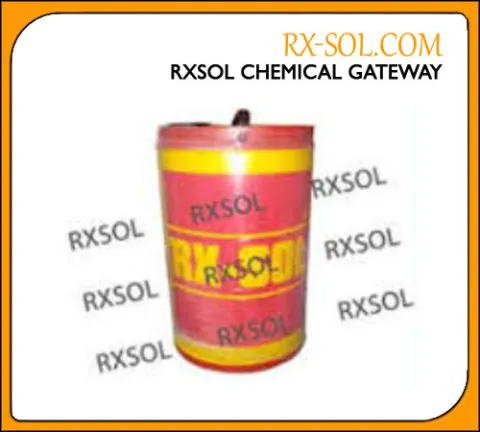
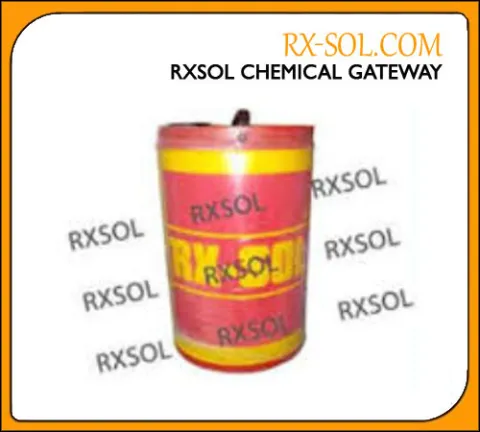
| Product Name | RXSOL-60-6193-500 |
| Product Type | Wetting Agent |
Company Details:
RX MARINE INTERNATIONAL
105, A wing , BSEL , TECH PARK.
VASHI ,NEW BOMBAY 400703 INDIA
| Phone | +91 22 65113333 / 5555 / 9999 |
| Fax | +91 22 2781 1318 :::AOH :0091 9821214367 |
| rxsolchemicals@gmail.com |
Mixture
|
Name |
Product Identifier |
% (w/w) |
GHS-US classification |
| 2-Propanol, 1-propoxy- |
(CAS No.) 1569-01-3 |
9.5 - 12.6 |
Flam. Liq. 3, H226 Eye Irrit. 2A, H319 STOT SE 3, H336 STOT SE 3, H335 |
|
Butanedioic acid, sulfo-, 1,4-bis(2-ethylhexyl) ester, sodium salt |
(CAS No.) 577-11-7 |
1.1 - 1.9 |
Acute Tox. 4 (Oral), H302 |
Classification Of The Substance Or Mixture
GHS-US classification
Flam. Liq. 3 H226
Eye Irrit. 2A H319
Label Elements
GHS-US labeling
Hazard pictograms (GHS-US) : GHS02 GHS07
Signal word (GHS-US) : Warning
Hazard statements (GHS-US) :
H226 - Flammable liquid and vapour
H319 - Causes serious eye irritation
Precautionary statements (GHS-US) :
P210 - Keep away from heat, sparks, open flames, hot surfaces. - No smoking
P233 - Keep container tightly closed
P240 - Ground/bond container and receiving equipment
P241 - Use explosion-proof electrical, lighting, ventilating equipment
P242 - Use only non-sparking tools
P243 - Take precautionary measures against static discharge
P264 - Wash hand, forearms, and exposed areas thoroughly after handling
P273 - Avoid release to the environment
P280 - Wear face protection, eye protection, protective clothing, protective gloves, respiratory protection
P303+P361+P353 - IF ON SKIN (or hair): Remove/Take off immediately all contaminated clothing. Rinse skin with water/shower
P305+P351+P338 - If in eyes: Rinse cautiously with water for several minutes. Remove contact lenses, if present and easy to do. Continue rinsing
P337+P313 - If eye irritation persists: Get medical advice/attention
P370+P378 - In case of fire: Use alcohol resistant foam, carbon dioxide, or dry chemical for extinction
P403+P235 - Store in a well-ventilated place. Keep cool
P501 - Dispose of contents/container according to local, regional, national, territorial, provincial, and international regulations.
Other Hazards
|
Aquatic Acute 3 |
Hazardous to the aquatic environment - Acute Hazard Category 3, H402 - Harmful to aquatic life |
Unknown acute toxicity (GHS US) Not available
Description Of First Aid Measures
General: Never give anything by mouth to an unconscious person. If you feel unwell, seek medical advice (show the label where possible).
Inhalation: When symptoms occur: go into open air and ventilate suspected area. Obtain medical attention if breathing difficulty persists.
Skin Contact: Rinse with plenty of water. Obtain medical attention if irritation persists.
Eye Contact: Rinse cautiously with water for several minutes. Obtain medical attention if pain, blinking or redness persist. Remove contact lenses, if present and easy to do. Continue rinsing.
Ingestion: Rinse mouth. Do NOT induce vomiting. Obtain emergency medical attention.
Most Important Symptoms And Effects Both Acute and Delayed
General: Eye irritation
Inhalation: Overexposure may be irritating to the respiratory system.
Skin Contact: May cause mild skin irritation.
Eye Contact: Causes serious eye irritation.
Ingestion: Abdominal pain. Diarrhea.
Chronic symptoms: May aggravate prexisting central nervous system disorders, asthma, and other respiratory conditions.
Indication Of Any Immediate Medical Attention And Special Treatment Needed
If you feel unwell, seek medical advice (show the label where possible).
Extinguishing Media
Suitable extinguishing media:Dry powder. Carbon dioxide. Water spray. Sand. Alcohol-resistant foam.
Unsuitable extinguishing media: Do not use a heavy water stream.
Special Hazards Arising From The Substance Or Mixture
Fire hazard: Flammable liquid and vapour
Explosion hazard: May form flammable/explosive vapour-air mixture.
Reactivity: Not available
Advice For Firefighters
Precautionary measures fire: Not available
Firefighting instructions: Use water spray or fog for cooling exposed containers. Exercise caution when fighting any chemical fire. Do not allow run-off from fire fighting to enter drains or water courses.
Protection during firefighting: Do not enter fire area without proper protective equipment, including respiratory protection.
Hazardous Combustion Products: Sulfur oxides
Reference To Other Sections
Refer to section 9 for flammability properties.
Personal Precautions, Protective Equipment And Emergency Procedures
General measures: Use special care to avoid static electric charges. Keep away from heat/sparks/open flames/hot surfaces. – No smoking. Do not allow product to spread into the environment. Handle in accordance with good industrial hygiene and safety practice.
For Non-Emergency Personnel
Protective equipment: Use appropriate personal protection equipment (PPE).
Emergency procedures: Evacuate unnecessary personnel.
For Emergency Personnel
Protective equipment: Equip cleanup crew with proper protection.
Emergency procedures: Ventilate area.
Environmental Precautions
Prevent entry to sewers and public waters.Avoid release to the environment
Methods And Material For Containment And Cleaning Up
For containment : Absorb and/or contain spill with inert material, then place in suitable container. Do not take up in combustible material such as: saw dust or cellulosic material.Use only non-sparking tools.
Methods for cleaning up: Clear up spills immediately and dispose of waste safely.
Reference To Other Sections
See Heading 8, exposure controls and personal protection
Precautions For Safe Handling
Additional hazards when processed: Handle empty containers with care because residual vapours are flammable.
Hygiene measures: Not available
Conditions For Safe Storage, Including Any Incompatibilities
Technical measures: Proper grounding procedures to avoid static electricity should be followed. Ground/bond container and receiving equipment. Use explosion-proof electrical, ventilating, and lighting equipment.
Storage conditions: Keep only in the original container in a cool, well ventilated place away from: Heat sources, ignition sources, direct sunlight, incompatible materials. Keep container closed when not in use.
Storage area: Store in a well-ventilated place. Keep cool.
Specific End Use(s)
Laboratory Reagent
Control Parameters
No Occupational Exposure Limits (OELs) have been established for this product or its chemical components.
Exposure Controls
Appropriate engineering controls: Emergency eye wash fountains and safety showers should be available in the immediate vicinity of any potential exposure. Provide exhaust ventilation or other engineering controls to keep the airborne concentrations of vapor or mists below the applicable workplace exposure limits indicated below. All electrical equipment should comply with the National Electric Code. Proper grounding procedures to avoid static electricity should be followed. Use explosion-proof equipment. Take precautionary measures against static discharges. Ensure all national/local regulations are observed. Gas detectors should be used when flammable gases/vapours may be released.
Personal protective equipment: Avoid all unnecessary exposure. Fireproof clothing. Gloves. Protective goggles. Insufficient ventilation: wear respiratory protection.
Materials for protective clothing: Wear fire/flame resistant/retardant clothing. Chemically resistant materials and fabrics.
Hand protection: Wear chemically resistant protective gloves.
Eye protection: Chemical goggles or safety glasses.
Skin and body protection: Not available
Respiratory protection: Use NIOSH-approved air-purifying or supplied-air respirator where airborne concentrations of vapor or mist are expected to exceed exposure limits.
Thermal hazard protection: Wear suitable protective clothing.
Environmental exposure controls: Do not release to the environment.
Other information: When using, do not eat, drink or smoke.
Information On Basic Physical And Chemical Properties
| Physical state | Liquid |
| Appearance | Clear |
| Odour | Solvent |
| Odour threshold | Not available |
| pH | Not available |
| Relative evaporation rate (butylacetate=1) |
Not available |
| Melting point | Not available |
| Freezing point | Not available |
| Boiling point | ~ 100 °C (212°F) |
| Flash point | Not available |
| Auto-ignition temperature |
> 415 °C (780°F) |
| Decomposition Temperature | Not available |
| Flammability (solid, gas) | Not available |
| Lower flammable limit | Not available |
| Upper flammable limit | Not available |
| Vapour pressure | Not available |
| Relative vapor density at 20 °C | Not available |
| Relative density | Not available |
| Specific gravity density | Not available |
| Solubility | Water: insoluble |
| Log Pow | Not available |
| Log Kow | Not available |
| Viscosity, kinematic | Not available |
| Viscosity, dynamic | Not available |
|
Explosion data - sensitivity to mechanical impact |
Not available |
| Explosion data - sensitivity to static discharge | Not available |
Reactivity Flammable liquid and vapour. May form flammable/explosive vapour-air mixture.
Chemical Stability Hazardous reactions will not occur under normal conditions.
Possibility Of Hazardous Reactions Hazardous polymerization will not occur.
Conditions To Avoid Direct sunlight. Extremely high or low temperatures.Open flame. Heat. Sparks.
Incompatible Materials Strong bases. Strong acids. Strong oxidizers.
Hazardous Decomposition Products May release flammable gases. Sulfur oxides.
Information On Toxicological Effects - Product
Acute toxicity : Not classified
LD50 and LC50 Data Not available
Skin corrosion/irritation: Not classified
Serious eye damage/irritation: Causes serious eye irritation.
Respiratory or skin sensitisation: Not classified
Germ cell mutagenicity: Not classified
Teratogenicity: Not available
Carcinogenicity: Not classified
Specific target organ toxicity (repeated exposure): Not classified
Reproductive toxicity: Not classified
Specific target organ toxicity (single exposure): Not classified
Aspiration hazard: Not classified
Symptoms/injuries after inhalation: Overexposure may be irritating to the respiratory system.
Symptoms/injuries after skin contact: May cause skin irritation.
Symptoms/injuries after eye contact: Causes serious eye irritation.
Symptoms/injuries after ingestion: Abdominal pain. Diarrhea.
Chronic symptoms: May aggravate prexisting central nervous system disorders, asthma, and other respiratory conditions.
Information On Toxicological Effects - Ingredient(s)
LD50 and LC50 Data
|
Butanedioic acid, sulfo-, 1,4-bis(2-ethylhexyl) ester, sodium salt (577-11 7)
|
2-Propanol, 1-propoxy- (1569-01-3)
|
Toxicity
Ecology - general: Toxic to aquatic life.
MethButanedioic acid, sulfo-, 1,4-bis(2-ethylhexyl) ester, sodium salt (577-11-7)
|
Persistence And Degradability
Wetting Agent
|
Bioaccumulative Potential
Wetting Agent
|
Butanedioic acid, sulfo-, 1,4-bis(2-ethylhexyl) ester, sodium salt (577-11-7)
|
Mobility In Soil Not available
Other Adverse Effects Avoid release to the environment.
Waste disposal recommendations: Dispose of waste material in accordance with all local, regional, national, provincial, territorial and international regulations.
Additional information: Handle empty containers with care because residual vapours are flammable.
Ecology - waste materials: Avoid release to the environment. This material is hazardous to the aquatic environment. Keep out of sewers and waterways.
In accordance with ICAO/IATA/DOT/TDG
UN Number Not regulated for transport
UN Proper Shipping Name Not regulated for transport
Additional information Not regulated for transport
Overland transport Not regulated for transport
Transport by sea Not regulated for transport
Air transport Not regulated for transport
US Federal regulations
|
Butanedioic acid, sulfo-, 1,4-bis(2-ethylhexyl) ester, sodium salt (577-11-7) |
| Listed on the United States TSCA (Toxic Substances Control Act) inventory |
| 2-Propanol, 1-propoxy- (1569-01-3) |
|
Listed on the United States TSCA (Toxic Substances Control Act) inventory |
| Water (7732-18-5) |
|
Listed on the United States TSCA (Toxic Substances Control Act) inventory |
US State regulations -
| Butanedioic acid, sulfo-, 1,4-bis(2-ethylhexyl) ester, sodium salt (577-11-7) |
|
U.S. - Texas - Effects Screening Levels - Long Term U.S. - Texas - Effects Screening Levels - Short Term |
| 2-Propanol, 1-propoxy- (1569-01-3) |
|
U.S. - Texas - Effects Screening Levels - Long Term U.S. - Texas - Effects Screening Levels - Short Term |
Canadian regulations
Wetting Agent
|
| Butanedioic acid, sulfo-, 1,4-bis(2-ethylhexyl) ester, sodium salt (577-11-7) |
|
Listed on the Canadian DSL (Domestic Sustances List) inventory. Listed on the Canadian Ingredient Disclosure List |
|
2-Propanol, 1-propoxy- (1569-01-3) |
|
Listed on the Canadian DSL (Domestic Sustances List) inventory. |
| Water (7732-18-5) | ||
Listed on the Canadian DSL (Domestic Sustances List) inventory.
|
This product has been classified in accordance with the hazard criteria of the Controlled Products Regulations (CPR) and the MSDS contains all of the information required by CPR. '
Indication of changes : Revision date: 05/14/2013
Other information : This document has been prepared in accordance with the SDS requirements of the OSHA Hazard Communication Standard 29 CFR 1910.1200.
GHS Full Text Phrases:
| Acute Tox. 4 (Oral) | Acute toxicity (oral) Category 4 |
| Aquatic Acute 3 | Hazardous to the aquatic environment - Acute Hazard Category 3 |
| Eye Dam. 1 | Serious eye damage/eye irritation Category 1 |
| Eye Irrit. 2A | Serious eye damage/eye irritation Category 2A |
| Flam. Liq. 3 | Flammable liquids Category 3 |
| Skin Irrit. 2 | skin corrosion/irritation Category 2 |
| STOT SE 3 | Specific target organ toxicity (single exposure) Category |
| STOT SE 3 | Specific target organ toxicity (single exposure) Category 3 |
| H226 | Flammable liquid and vapour |
| H302 | Harmful if swallowed |
| H315 | Causes skin irritation |
| H318 | Causes serious eye damage |
| H319 | Causes serious eye irritation |
| H335 | May cause respiratory irritation |
| H336 | May cause drowsiness or dizziness |
NFPA health hazard : 2 - Intense or continued exposure could cause temporary incapacitation or possible residual injury unless prompt medical attention is given.
NFPA fire hazard : 2 - Must be moderately heated or exposed to relatively high temperature before ignition can occur.
NFPA reactivity : 0 - Normally stable, even under fire exposure conditions, and are not reactive with water.
HMIS III Rating
Health : 1 Slight Hazard - Irritation or minor reversible injury possible
Flammability: 2 Moderate Hazard
Physical : 0 Minimal Hazard
Party Responsible For The Preparation Of This Document:
OFI Testing Equipment
Phone Number: 832-320-7300
This information is based on our current knowledge and is intended to describe the product for the purposes of health, safety and environmental requirements only. It should not therefore be construed as guaranteeing any specific property of the product.
DISCLAIMER OF LIABILITY :The information in this SDS was obtained from sources which we believe are reliable. However, the information is provided without any warranty, express or implied, regarding its correctness. The conditions or methods of handling, storage, use or disposal of the product are beyond our control and may be beyond our knowledge. For this and other reasons, we do not assume responsibility and expressly disclaim liability for loss, damage or expense arising out of or in any way connected with the handling, storage, use or disposal of the product. This MSDS was prepared and is to be used only for this product. If the product is used as a component in another product, this MSDS information may not be applicable.
Availability
Wetting Agent manufacturer supplier distributor in Mumbai, Kandla, Kolkata, Vizag, Chennai, India, Fujairah, Dubai UAE, Muscat Oman, Kenya Africa. Get the best quality of Wetting Agent at a competitive price from us. We have ready stock of Wetting Agent in India, UAE Gulf, Oman, Kenya Africa. Contact us for bulk as well as small orders.