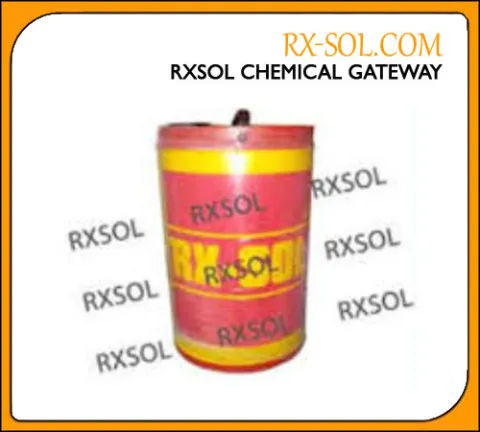
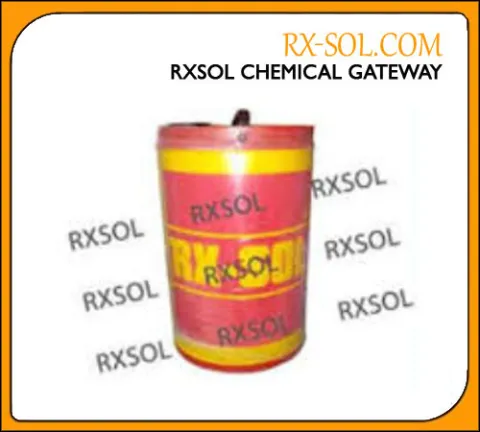
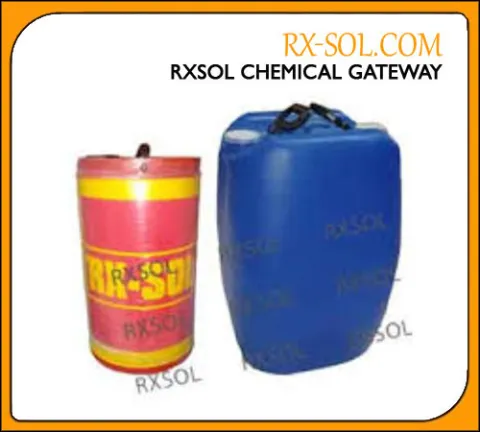
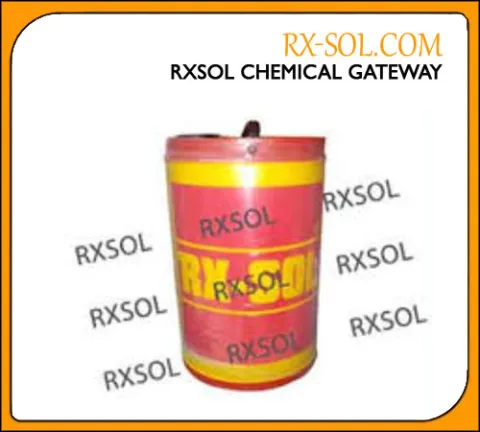
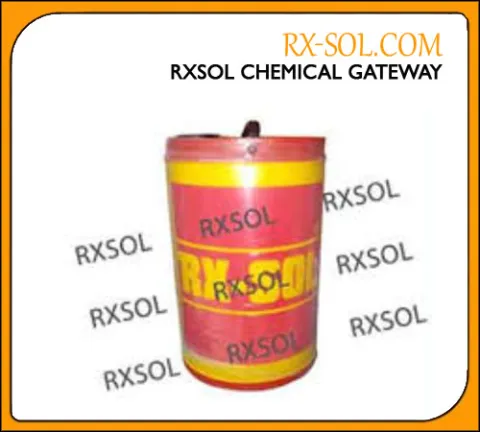
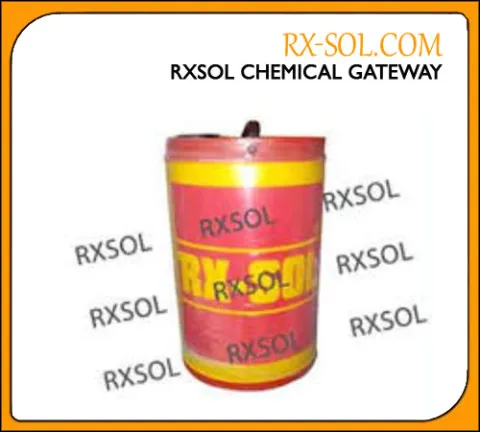
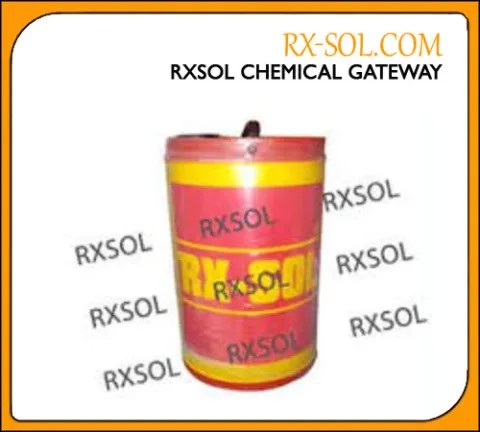
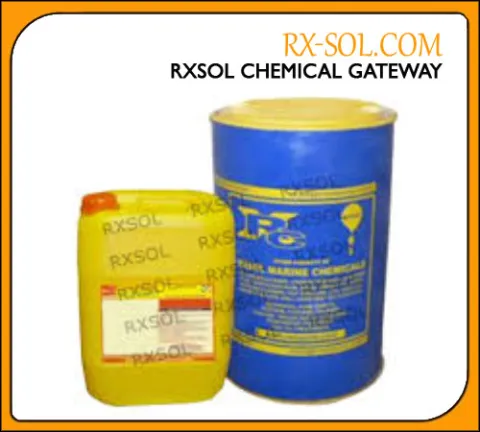
DERUSTING Chemical
- Part number
- RXSOL-35-3502-030
- Category
- Railway Maintenance
- Brand
- RXSOL
Overview
DERUSTING SOLUTION is a Liquid Acid, Surfactant, and Corrosion Inhibitor based product primarily designed to simultaneously clean and remove rust from steel and iron parts. This product is also effective in removing flux, heat scale and other oxides from steel, stainless steel, cast iron and aluminium in immersion and hand-wipe cleaning applications.
Technical specifications
| Form | Liquid |
| Colour | Clear |
| Odour | Mild |
| Odor Threshold | No Information Available |
| pH Concentrate | < 1 |
| Specific Gravity | 1.38 - 1.43 at 25ºC |
| Boiling Point | 101°C |
| Flash Point |
Not Applicable |
Applications
DERUSTING SOLUTION is also suitable for preparing steel and aluminium surfaces for painting in immersion (Vat) or hand-wipe applications. Use of DERUSTING SOLUTION for cleaning, rust removal or pre-paint preparation must be followed with a fresh water rinse and drying. If used prior to painting, parts should be painted after the drying step.
For parts cleaning, rust removal and surface preparation prior to painting in automotive and industrial applications.
Dosage and directions
Equipment :
Customer Owned Machines Immersion (other common terms - Vats, Dip Tanks, Hot Tanks).
Note: Tanks (Vats) should be made of stainless steel (304, 316, or 347), ceramics or other acid proof materials. Heating elements should be made of stainless steel, impervious carbon or graphite. Do not use Monel equipment, lead or rubber lining in tanks.
Soils :
Light to moderate grease and oil. Light to heavy rust, heat scale, flux, and other oxides.
Operating Instructions:
Immersion: Use 5% to 25% volume with water at room temperature to 160ºF. Follow the cleaning step with fresh water rinsing and drying. The higher the concentration and heat, the faster the rust removal. Immersion time depends on the degree of soil and amount of rust to be removed. Hand Wipe: Use 10% to 50%/volume added to water at room temperature to 120ºF. Apply with clean rags, wipes or brushes. Allow the Rust Remover to soak on part surfaces for several minutes before wiping or brushing for improved results. Follow with fresh water rinsing then dry the parts.
*Note: Use acid resistant gloves and safety glasses when handling this product. Refer to the
product MSDS for complete safety instructions.
Characteristics and notes
Titration Procedure (insert “Information”)
- Using a pipette, take a 5 ml sample of Rust Remover from the cleaning bath
- Put the 5 ml sample into the mixing flask
- Add 10 ml of water then stir well to mix
- Add 5 drops of phenolphthalein indicator
- Counting the drops added, add 10N Sodium Hydroxide one drop at a time until the solution turns from clear to purple. Swirl between drops. The number of drops needed is the concentration of the Rust Remover.
Precautions :
Not intended for spray use.
Do not use or mix with chlorine containing cleaners or solutions as chlorine gas can be released.
Will gradually attack steel tanks, heating elements and piping
This product is highly acidic. The product concentrate causes burns of the eyes and may cause burns of the skin.
| Future | Benefit |
| Single-step process | : Does not need separate cleaning step prior to rust removal |
| Versatile | : Effective on a variety of metals and soils |
| Effective | : Quickly removes rust and other oxides from metal surfaces. |
| Flexible | : Use Can be used in immersion and hand-wipe applications. |
| No VOC | : No VOC permits required |
| Mild Odor | : Minimal irritation to operators and other employees |
Handling :
Keep away from sparks or flame. Do not breathe dust or vapors. allowed out of the workplace. Wear protective gloves/protective clothing/eye protection/face protection.Wash thoroughly after handling. Acid reacts with water and can splatter acid onto personnel. When diluting, cautiously mix product and water together while stirring
Storage :
Store containers in a cool, dry place. Do not pressurize, cut, weld, braze, solder, drill, or grind containers. Keep containers away from heat, flame, sparks, static electricity, or other sources of ignition.
Safety and SDS
Read the safety data sheet before handling. Wear suitable gloves and eye protection.
View safety data sheet
| Product Name | DERUSTING SOLUTION |
| Part Number | RXSOL-35-3502-025 |
Company Details:
RX MARINE INTERNATIONAL
105, A wing , BSEL , TECH PARK.
VASHI ,NEW BOMBAY 400703 INDIA
| Phone | +91 22 27815540 / 27815541 |
| Fax | +91 22 2781 1318 :::AOH :0091 9821214367 |
| rxsolchemicals@gmail.com | |
| Website | www.rxmarine.com |
| Name of Substance | Cas Number | EC Number | Wight % |
| Phosphoric acid | 7664 -38 -2 | 57 - 62% | |
| Surfactant | Proprietory | 10 - 20% | |
| Corrosion Inhibitor | Proprietory | 15 - 25% |
| SignalWord | Warning |
| Hazard Statements |
May be corrosive to metals. Harmful if swallowed. Causes severe skin burns and eye damage. Causes severe damage to the respiratory tract. |
| Precautionary statements - prevention | Keep only in original container. Do not breath dust/fume/gas/mist/vapors/spray. Wash thoroughly after handling. Wear protective gloves/protective clothing/eye protection/face protection. Do not eat, drink or smoke when using this product. |
| Precautionary statements - response | Absorb spillage to prevent material damage. IF SWALLOWED: Rinse mouth. Do NOT induce vomiting. Immediately call a POISON CENTER or doctor/physician. IF ON SKIN (or hair): Take off immediately all contaminated clothing. Rinse skin with water/shower. Wash contaminated clothing before reuse. IF INHALED: Remove person to fresh air and keep at rest in a position comfortable for breathing. Immediately call a POISON CENTER or doctor. IF IN EYES: Rinse cautiously with water for several minutes. Remove contact lenses, if present and easy to do. Continue rinsing. Immediately call a POISON CENTER or doctor/physician. |
| Eye Contact | Check for and remove any contact lenses. In case of contact, immediately flush eyes with plenty of water for at least 15 minutes. Cold water may be used. Get medical attention immediately. |
| Skin Contact | In case of contact, immediately flush skin with plenty of water. Cover the irritated skin with an emollient. Remove contaminated clothing and shoes. Cold water may be used.Wash clothing before reuse. Thoroughly clean shoes before reuse. Get medical attention. |
| Inhalation: | Move to fresh air. If breathing is difficult, give oxygen. Get medical attention immediately if symptoms occur. |
| Ingestion: | Do not induce vomiting. Obtain medical attention.If vomiting occurs, lean patient forward or place on left side (head-down position, if possible) to maintain open airway and prevent aspiration. |
| Notes to Physician | Treat symptomatically |
| Flammability | Non-flammable. |
| Flash Point | Not applicable. |
| Suitable extinguishing media | No information available |
|
Hazardous combustion products |
Product itself does not burn, but may decompose upon heating to product carbon monoxide, carbon dioxide, oxides of potassium and nitrogen oxide. |
| Protective Equipment | A positive-pressure, self-contained breathing apparatus (SCBA) and full-body protective equipment are required for fire emergencies. |
| Fire Fighting Measures | Move container from fire area if it can be done without risk. Keep storage containers cool with water spray. Heated containers may rupture. "Empty" containers may retain residue and can be dangerous. Product is not sensitive to mechanical impact or static discharge. |
| Small Spillage | Use appropriate tools to put the spilled solid in a convenient waste disposal container. Finish cleaning by spreading water on the contaminated surface and dispose of according to local and regional authority requirements |
| Personal Protection | Advice for non-emergency personnel: Avoid inhalation of dust. Evacuate the danger area, observe emergency procedures, consult an expert. Advice for emergency responders: Protective equipment see section 8. |
| Enviromental Precaution | Do not let product enter drains. |
|
Methods and materials for containment and cleaning |
Cover drains. Collect, bind, and pump off spills. Observe possible material restrictions (see sections 7 and 10). Take up dry. Dispose of properly. Clean up the affected area. Avoid generation of dust |
| Handling | Keep away from sparks or flame. Do not breathe dust or vapours. Contaminated work clothing should not be allowed out of the workplace. Wear protective gloves/protective clothing/eye protection/face protection. Wash thoroughly after handling. The acid reacts with water and can splatter acid onto personnel. When diluting, cautiously mix product and water together while stirring. |
| Storage | Store in corrosive resistant container with a resistant inner liner. Keep container tightly closed when not in use and during transport. Store containers in a cool, dry place. Do not pressurize, cut, weld, braze, solder, drill, or grind containers. Keep containers away from heat, flame, sparks, static electricity, or other sources of ignition. Empty product containers may retain product residue and can be dangerous. |
| Advice on general occupational hygiene | Advice on safe handling Observe label precautions. Change contaminated clothing. Wash hands after working with substance. |
| Engineering Control | Provide general ventilation needed to maintain the concentration of vapour or mist below applicable exposure limits. Where adequate general ventilation is unavailable, use process enclosures, local exhaust ventilation, or other engineering controls to control airborne levels below applicable exposure limits. |
| Personal Protection |
Eye/face Protection : Wear appropriate protective eyeglasses or chemical safety goggles as described by OSHA's eye and face protection regulations in 29 CFR 1910.133 or European Standard EN166. Skin and body protection: Wear appropriate protective gloves and clothing to prevent skin exposure. Respiratory Protection: Follow the OSHA respirator regulations found in 29 CFR 1910.134 or European Standard EN 149. Use a NIOSH/MSHA or European Standard EN 149 approved respirator exposure limits are exceeded or if irritation or other symptoms are experienced. |
| Other Protection Measure | Handle in accordance with good industrial hygiene and safety practice. |
| Exposure Limit | Phosphoric Acid TWA: 1 STEL: 3 (mg/m3) from ACGIH (TLV) [United States] TWA: 1 STEL: 3 (mg/m3) from OSHA (PEL) [United States] TWA: 1 STEL: 3 (mg/m3) from NIOSH TWA: 1 STEL: 3 (mg/m3) [Mexico]Consult local authorities for acceptable exposure limits |
Gloves Suit
| Form | Liquid |
| Colour | Clear |
| Odour | Mild |
| Odor Threshold | No Information Available |
| pH | <1 |
| Freezing Point | -0 °C |
| Boiling Point | 101°C |
| Flash Point | Not Applicable |
| Evaporation Rate | Not Applicable |
| Flammability (solid, gas) | No Data Available |
| Explosive limits | No Data Available |
| Vapour pressure | 11 mmHg @20°C |
| Vapour Density | Not Available |
| Relative density Information | 1.38 - 1.43 at 25 °C |
| Partition coefficient | No data available |
| Explosive properties | None |
| Solubility | Soluble in water |
| Ignition temperature | Not Available |
| Recativity | Corrosive to metals. Contact with most metals produces highly flammable hydrogen gas. May react on contact with water. Reacts violently with alkali. |
| Stability | Product is stable. |
| Possibility of hazardous reactions | Polymerization is not known to occur under normal temperature and pressures. |
| Conditions to avoid | Avoid sparks or flame, direct sunlight. Corrosive to metals. |
| Incompatible materials | Alkali, oxidizers, bases, reducing agents, halogens, metals. |
| Hazardous Polymerization | Hazardous polymerization does not occur. |
| Rout Of Entry | Absorbed through skin. Eye contact. Inhalation. Ingestion. |
| Toxicity to Animal | Acute oral toxicity (LD50): 1530 mg/kg [Rat]. Acute dermal toxicity (LD50): 2740 mg/kg [Rabbit]. |
| Toxic Effects on Human | Extremely hazardous in case of inhalation (lung corrosive). Very hazardous in case of skin contact (irritant), of ingestion, . Hazardous in case of skin contact (corrosive, permeator), of eye contact (corrosive). |
| Special Remarks on other Toxic Effects on Humans: | Acute Potential Health Effects: Skin: Corrosive and causes severe skin irritation and can cause severe skin burns. May affect behavior (somnolence or excitement) if absorbed through skin. Eyes: Corrosive. Liquid or vapor causes severe eye irritation and can cause severe eye burns to lead to permanent corneal damage or chemical conjunctivitis. Ingestion: May be harmful if swallowed. Causes irritation and burns of the gastrointestinal (digestive) tract. Causes severe pain, nausea, vomiting, diarrhea hematemesis, gastrointestinal hemmorrhaging, and shock. |
| Eco-Toxicity | No ecotoxicity data are available for this product's components. Low pH (acidity) of the product may be harmful to aquatic life. |
| COD and BOD 5 | Not Available |
| Products of Biodegradation: | No Information available |
| Mobility in soil | No Information available |
| Results of PBT and vPvB assessment | Not applicable for inorganic substances |
| Other adverse effects | Discharge into the environment must be avoided. |
| Waste treatment Method | Waste material must be disposed of in accordance with the national and local regulations. Leave chemicals in original containers. No mixing with other waste. Handle uncleaned containers like the product itself |
DOT
| UN Number | UN 3264 |
| Proper shipping name | CORROSIVE LIQUID, ACIDIC, INORGANIC, N.O.S. (Contains: Phosphoric acid Solution) |
| Hazard Class | 8 |
| Packing group | II |
TDG
| UN Number | UN 3264 |
| Proper shipping name | CORROSIVE LIQUID, ACIDIC, INORGANIC, N.O.S. (Contains: Phosphoric acid Solution) |
| Hazard Class | 8 |
| Packing group | II |
IATA
| UN Number | UN 3264 |
| Proper shipping name | CORROSIVE LIQUID, ACIDIC, INORGANIC, N.O.S. (Contains: Phosphoric acid Solution ) |
| Hazard Class | 8 |
| Packing group | II |
IMDG/IMO
| UN Number | UN 3264 |
| Proper shipping name | CORROSIVE LIQUID, ACIDIC, INORGANIC, N.O.S. (Contains: Phosphoric acid Solution ) |
| Hazard Class | 8 |
| Packing group | II |
| State and Federal Regulation | Connecticut hazardous material survey.: Phosphoric Acid Solution substances disclosure to employee act: Phosphoric Acid Solution chemical safety act: Phosphoric acid: Phosphoric acid Rhode Island RTK hazardous substances: Phosphoric acid Pennsylvania RTK: Phosphoric acid Minnesota: Phosphoric acid Massachusetts.RTK: Phosphoric acid Massachusetts spill list: Phosphoric acid New Jersey: Phosphoric acid New Jersey spill list: Phosphoric acid Louisiana spill reporting: Phosphoric acid California Director's list of hazardous substances: Phosphoric acid TSCA 8(b). inventory: Phosphoric Acid; Water SARA 313 toxic chemical notification and release reporting: Phosphoric acid CERCLA: |
| Other Regulation | OSHA: Hazardous by definition of Hazard Communication Standard (29 CFR 1910.1200). |
| WHMIS (Canada) | CLASS D-1A: Material causing immediate and serious toxic effects (VERY TOXIC). CLASS D-2B: Material causing other toxic effects (TOXIC). CLASS E: Corrosive liquid. |
| DSCL (EEC) | R34- Causes burns. S26- In case of contact with eyes, rinse immediately with plenty of water and seek medical advice. S45- In case of accident or if you feel unwell, seek medical advice immediately (show the label where possible). |
Personal Protection:
| HMIS | |
| Health Hazard | : 3 |
| Fire Hazard | : 0 |
| Reactivity | : 0 |
| H |
| Fire :Protection: | |
| Health Hazard | : 3 |
| Fire Hazard | : 0 |
| Reactivity | : 0 |
| Specific Hazard | : H |
| Other Information |
The information above is believed to be accurate and represents the best information currently available to us. However, we make no warranty of merchantability or any other warranty, express or implied, with respect to such information, and we assume no liability resulting from its use. Users should make their own investigations to determine the suitability of the information for their particular purposes. In no event shall be liable for any claims, losses, or damages of any third party or for lost profits or any special, indirect, incidental, consequential or exemplary damages, howsoever arising, even if RX Marine International has been advised of the possibility of such damages. DISCLAIMER OF LIABILITY :The information in this SDS was obtained from sources which we believe are reliable. However, the information is provided without any warranty, express or implied, regarding its correctness. The conditions or methods of handling, storage, use or disposal of the product are beyond our control and may be beyond our knowledge. For this and other reasons, we do not assume responsibility and expressly disclaim liability for loss, damage or expense arising out of or in any way connected with the handling, storage, use or disposal of the product. This MSDS was prepared and is to be used only for this product. If the product is used as a component in another product, this MSDS information may not be applicable. |
Availability
DERUSTING SOLUTION manufacturer and supplier in Mumbai, Kolkata, Chennai, Visakhapatnam, Gandhidham, Surat, Manglore, Fujairah, Dubia, Mussafah Abu dhabi, Sharjah.
Frequently asked questions
Jung saaf karne wala chemical kaise use karein? (How is the derusting chemical used?)
Dip parts in a 5–25% solution until rust and scale dissolve (minutes to an hour by severity), rinse in fresh water, dry, and paint promptly if the parts are for coating.
How is bath strength checked?
Titrate 5 ml of bath + 10 ml water with 10 N NaOH to the phenolphthalein end-point; the number of drops equals the bath concentration (see the data sheet).
Does it remove heat scale from welds?
Yes — heat scale, flux and oxides on steel and stainless; for weld-tint passivation see the Passivation range.