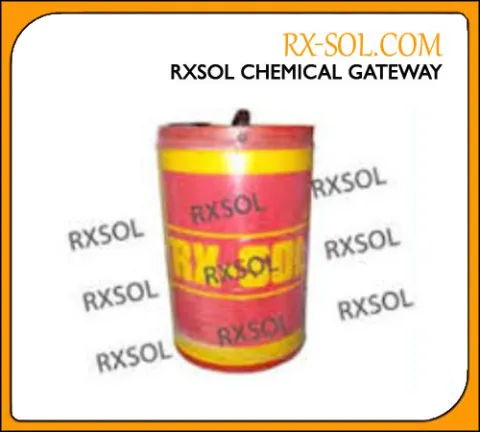
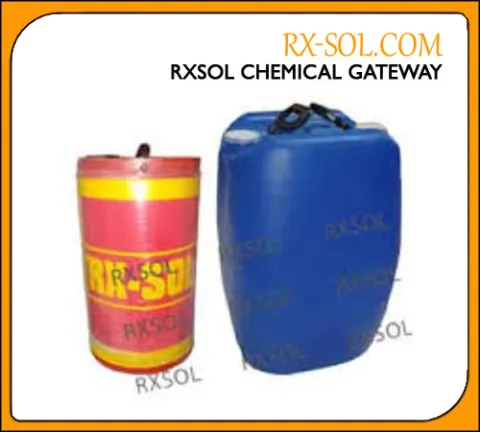
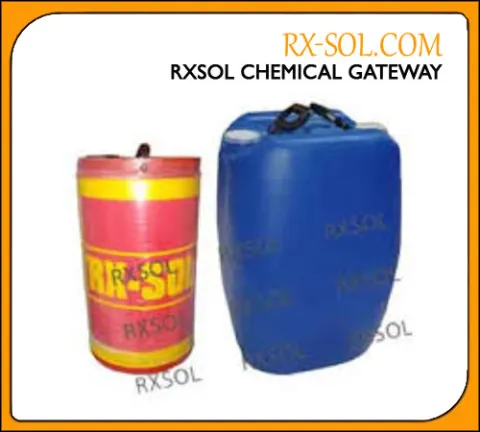
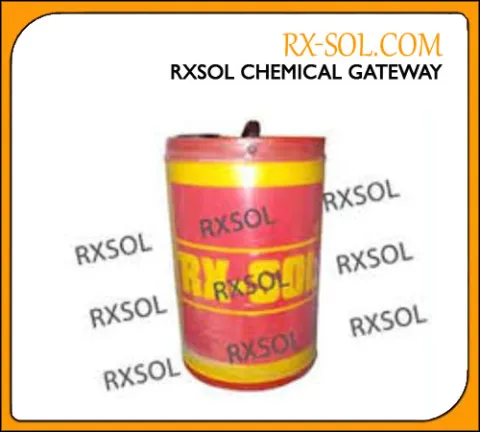
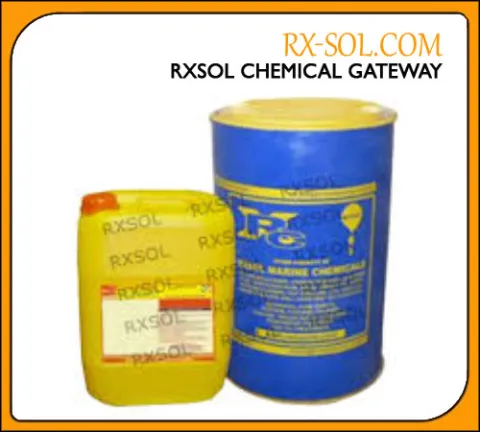
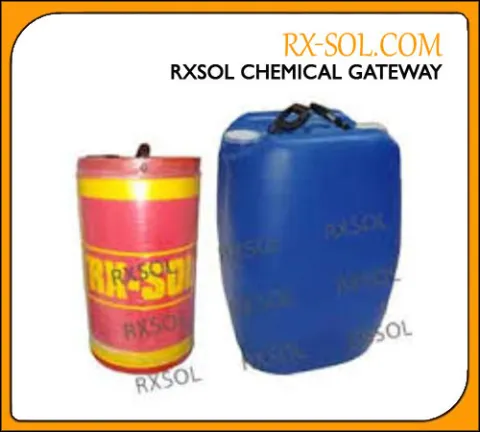
Glyphocide Herbicide RXSOL
- Part number
- RXSOL-94-9453-006
- Category
- Agriculture
- Brand
- RXSOL
Overview
Target Organisms of Glyphocide Herbicide RXSOL
- In plants, Glyphocide Herbicide RXSOL disrupts the shikimic acid pathway through inhibition of the enzyme 5-enolpyruvylshikimate-3-phosphate (EPSP) synthase. The resulting deficiency in EPSP production leads to reductions in aromatic amino acids that are vital for protein synthesis and plant growth.
- Glyphocide Herbicide is absorbed across the leaves and stems of plants and is translocated throughout the plant. It concentrates in the meristem tissue.
- Plants exposed to Glyphocide Herbicide display stunted growth, loss of green coloration, leaf wrinkling or malformation, and tissue death. Death of the plant may take from 4 to 20 days to occur.
- The sodium salt of Glyphocide Herbicide can act as a plant growth regulator and accelerate ripening of specific crops.
Non-target Organisms of Glyphocide Herbicide RXSOL
- The shikimic acid pathway is specific to plants and some microorganisms. The absence of this pathway in mammals may explain the low toxicity of Glyphocide Herbicide to non-target organisms.
- Studies indicate that the surfactant polyoxyethyleneamine or polyethoxylated tallow amine (both abbreviated POEA), used in some commercial glyphosate-based formulations, may be more toxic by the oral route to animals than glyphosate itself.
- The mechanism of toxicity of Glyphocide Herbicide in mammals is unknown, but it may cause uncoupling of oxidative phosphorylation. However, this hypothesis has been disputed.
Technical specifications
Glyphocide Herbicide is absorbed through foliage, and minimally through roots, and transported to growing points. It inhibits a plant enzyme involved in the synthesis of three aromatic amino acids: tyrosine, tryptophan, and phenylalanine. It is therefore effective only on actively growing plants and is not effective as a pre-emergence herbicide.
Applications
Glyphocide Herbicide is a widely used herbicide that controls broadleaf weeds and grasses. Glyphocide Herbicide is a non-selective herbicide, meaning it will kill most plants. It prevents the plants from making certain proteins that are needed for plant growth. Glyphocide Herbicide stops a specific enzyme pathway, the shikimic acid pathway. The shikimic acid pathway is necessary for plants and some microorganisms.
Mode of Action of Glyphocide Herbicide RXSOL:
How to apply Glyphocide Herbicide RXSOL for weed control, grass control, broad leaf control
-
Use only a Flat fan or Cut nozzle for spraying any herbicide.
-
Wash the sprayer with clean water before and after spraying.
-
Use the proper dose as per recommendation. A high dose can lead to damage in crops and a low dose can lead to fewer results.
-
Mix the herbicide in small quantities (1-2 liters) or water first and then make the required volume with water (120-200 L/acre).
-
Use a minimum of 120 L of water in an acre for herbicide spraying.
-
Do not spray herbicide on windy and rainy days.
-
Judge the stage of crop and weeds in case of post-emergence application.
-
Store the herbicide in labeled containers and away from food materials and children.
-
Ensure proper moisture is there in the soil before the application of any herbicide.
Why it is the best to use Glyphocide Herbicide RXSOL?
- A broad spectrum, non-selective, post-emergence herbicide
- Readily translocated through all weeds from grasses, and sedges to broad-leaf weeds
- Highly water soluble
- Non-volatile
Time required to eradicate weeds from field using GLYPHOCIDE HERBICIDE: Most treated weeds show initial symptoms in 2 to 4 days and complete kill in 1 to 2 weeks
Dosage and directions
Glyphocide Herbicide is one of the most widely used herbicides in the United States. People apply it in agriculture and forestry, on lawns and gardens, and for weeds in industrial areas. Some products containing Glyphocide Herbicide control aquatic plants.
Dosage of Glyphocide Herbicide RXSOL
| Target Pest | Dosage |
| Broadleaf plants, weeds and grasses | 1200-1500 ml / Acre |
Characteristics and notes
Glyphocide Herbicide is low in toxicity to fish and wildlife, but some products containing Glyphocide Herbicide may be toxic because of the other ingredients in them. Glyphocide Herbicide may affect fish and wildlife indirectly because killing the plants alters the animals' habitat.
Safety and SDS
Read the safety data sheet before handling. Wear suitable gloves and eye protection.
View safety data sheet
| Porduct Name | Glyphocide Herbicide RXSOL |
| Part Number | RXSOL-94-9453-006 |
Company Details:
RX MARINE INTERNATIONAL
105, A wing , BSEL , TECH PARK.
VASHI ,NEW BOMBAY 400703 INDIA
Branch : Kandla, Mumbai , Chennai, Vizag, Kolkata, UAE , OMAN , CANADA and KENYA
| Phone | +91 22 20871200 - 1400 |
| Fax | +91 22 27612100 :::AOH :0091 9821214367 |
| rxsolchemicals@gmail.com | |
| Website | www.rxmraine.com |
| Product name | Cas No | Weight |
| Glyphosate,isopropylamine salt | 38641-94-0 | 41.0% |
| Signal Word | WARNING |
| Hazard Statements | Harmful if inhaled |
| Precautionary statements | Avoid breathing dust/mist. Use only outdoors or in a well-ventilated area. IF INHALED Remove person to fresh air and keep comfortable for breathing. Call a poison center/doctor if you feel unwell. |
| If inhaled | Move person to fresh air. If person is not breathing, call 911 or an ambulance; then give artificial respiration, preferably mouth-to-mouth if possible. Call a poison control center or doctor for further treatment advice |
| Eye Contact | Hold eye open and rinse slowly and gently with water for 15 to 20 minutes. Remove contact lenses, if present, after the first 5 minutes; then continue rinsing eye. Call a poison control center or doctor for treatment advice. |
| Skin Contact | Take off contaminated clothing. Rinse skin immediately with plenty of water for 15 to 20 minutes. Call a poison control center or doctor for treatment advice |
| Ingestion | Call a poison control center or doctor immediately for treatment advice. Have person sip a glass of water if able to swallow. Do not induce vomiting unless told to do so by a poison control center or doctor. Do not give anything by mouth to an unconscious person |
| Most important symptoms and effects, both acute and delaye | Direct contact with eyes may cause temporary irritation. Ingestion may cause symptoms of gastrointestinal irritation including abdominal discomfort, nausea, vomiting, and diarrhea. |
| Suitable extinguishing media | Foam, dry chemical, carbon dioxide or water spray |
| Unsuitable extinguishing media | Water jet |
|
Hazardous combustion products |
Thermal decomposition may produce toxic oxides of carbon, nitrogen and phosphorous. |
| Protective Equipment | Evacuate area and fight fire upwind from a safe distance to avoid hazardous vapors and decomposition products. Foam and/or dry chemical are preferred to minimize environmental contamination. If water is used, dike and collect water to prevent run-off. Wear selfcontained breathing apparatus and full fire-fighting turn-out gear (Bunker gear). |
| Specific Hazards Arising from the Chemical | No data available |
| Personal Protection |
Personal Protective Equipment |
| Enviromental Precaution | Keep spilled material and any rinsate from contaminating soil or from entering sewage and drainage systems and bodies of water. |
|
Methods and materials for containment and cleaning |
Isolate the spill area. Keep unnecessary and unprotected personnel from entering. Absorb small spills with sand, vermiculite or other inert absorbent. Dike large spills using absorbent or impervious material such as clay or sand. Recover and contain as much free liquid as possible for reuse. Allow absorbed material to solidify and scrape up for disposal. |
| Merhod of cleaning | Place contaminated material in appropriate container for disposal. After removal, flush contaminated area thoroughly with water. Pick up wash liquid with additional absorbent and place in a disposable container. Do not put spilled material back in the original container. |
| Incompatible materials | Oxidizing agents, alkalis, calcium hypochlorite. May react with metals such as galvanized or mild steel to produce hydrogen gas which could form a highly combustible gas mixture. |
| Handling | RECOMMENDATIONS ARE INTENDED FOR MANUFACTURING, PACKAGING AND COMMERCIAL BLENDING WORKERS. PESTICIDE APPLICATORS AND WORKERS must refer to the product label and Directions for Use attached to the product for Agricultural Use Requirements in accordance with the EPA Worker Protection Standard 40 CFR part 170. Handle and open container in a manner as to prevent spillage. Do not eat, drink or smoke while handling this product. Immediately wash off accidental splashes of the concentrate or spray mixture from skin, clothing and out of eyes |
| Storage |
See pesticide label for full information on product storage. Do not contaminate water, food or feed by storage of this product. Store away from sources of heat, out of direct sunlight and away from incompatible materials. Pesticides should be stored in secured areas away from children and animals. If allowed to crystallize, place in a warm room at 68°F (20°C) for several days to re-dissolve and roll or shake container or recirculate container to mix well before using |
| Storage Temprature | Store above 10°F |
| Engineering Control | Provide general or local exhaust ventilation systems to maintain airborne concentrations below OSHA PELs or other specified exposure limits. Local exhaust ventilation is preferred |
| Eye/face protection | Chemical goggles or safety glasses and full-face shield |
| General safty measures | Wash hands before eating, drinking, chewing gum, using tobacco, or using the toilet. Remove clothing immediately after handling this product. Wash outside of gloves before removing. Discard clothing and other absorbent materials that have been drenched or heavily contaminated with this product’s concentrate. Do not reuse them. Follow manufacturer’s instructions for cleaning and maintaining PPE. If no such instructions for washables, use detergent and hot water. Keep and wash PPE separately from other laundry. |
| Protective gloves | Chemical-resistant gloves such as barrier laminate, butyl rubber, nitrile, neoprene rubber, polyvinyl chloride (PVC) or Viton. |
| Respiratory protection |
In areas of poor ventilation, use a NIOSH approved respirator with cartridges/canisters approved for pesticides.
|
| Other Protection clothing | Long-sleeved shirt, long pants and chemical resistant footwear plus socks. |
| Physical state | Liquid |
| Colour | Light Yellow |
| Odour | Amine-like |
| Odor Threshold | No data available |
| pH | 4.5 – 5.5 |
| Melting Point | No data available |
| Boiling Point | No data available |
| Flash Point | >100°C (>212°F) |
| Evaporation Rate | No data available |
| Flammability (solid, gas) | No data available |
| Explosive limits | No data Available |
| Upper/lower flammability or explosive limits | No data available |
| Autoignition temperature | No data available |
| Decomposition temperature | No data available |
| Vapour pressure | No data available |
| Viscosity | No data available |
| Density | No data available |
| Relative Density | 1.171 (typical) |
| Specific Gravity | No data available |
| Partition coefficient | No data available |
| Explosive properties | No data available |
| Solubility | No data available |
| Ignition temperature | No data available |
| Particle characteristics | No data available |
| Reactivity | May react with metals such as galvanized or mild steel to produce hydrogen gas which could form a highly combustible gas mixture. |
| Chemical stability | Stable under normal storage and handling conditions. |
| Possibilityof hazardous reactions | No potential for hazardous reactions known |
| Conditions to avoid | No data available |
| Incompatible materials |
Oxidizing agents, alkalis, calcium hypochlorite
|
| Hazardous decomposition products | Thermal decomposition may produce toxic oxides of carbon, nitrogen and phosphorous |
| Likely Routes of Exposure | Eye contact, Skin contact, Inhalation, Ingestion |
| Oral LD50 | >5,000 mg/kg (Based on similar composition) |
| Symptoms of Exposure | Eye irritation |
| Dermal LD50 | >5,000 mg/kg (Based on similar composition) |
| Inhalation LC50 | >2.5 mg/L (4-hr)(rat)(Based on similar composition) |
| Reproductive toxicity | No data available |
| Specific target organ toxicity - single exposure |
No data available
|
| Enviornmental hazardus statement | Do not apply directly to water, to areas where surface water is present or to intertidal areas below the mean high water mark. Do not contaminate water when cleaning equipment or disposing of equipment washwaters. |
| Toxicity to fish | Data presented below is on Glyphosate acid. Rainbow trout 96 hour LC50 = 8.2 mg/L Bluegill 96 hour LC50 = 5.8 mg/L |
| Avian Toxicity | Bobwhite quail (oral) LD50 >3,800 mg/k |
| Products Biodegradation | No data available |
| Mobility in soil | No data available |
| Other adverse effects | No data available |
|
RCRA Characteristics |
It is the responsibility of the individual disposing of this product to determine the RCRA classification and hazard status of the waste. |
| Container Disposal | Refer to the pesticide label for full information on disposal. When possible, triple rinse the container and offer for recycling if available. |
| Waste treatment Method | Refer to the pesticide label for full information on disposal. Pesticide wastes are toxic. Improper disposal of unused pesticide, spray mixture, or rinse water is a violation of Federal law. If these wastes cannot be used according to label instructions, contact your State Pesticide or Environmental Control Agency or the Hazardous Waste representative at the nearest EPA Regional Office for guidance in proper disposal methods |
| UN number |
ADR/RID:- IMDG:- IATA:- |
| UN proper shipping name | ADR/RID:- IMDG- IATA :- |
| Transport hazard class(es) | ADR/RID:- IMDG:- IATA:- |
| Packaging group | ADR/RID:- IMDG:- IATA:- |
| Environmental hazards | ADR/RID:No IMDG Marine pollutant:No IATA:No |
| Special precautions for user | No data available |
| Further information | No data available |
| Labeling Requirements Under FIFRA | This chemical is a pesticide product registered by the Environmental Protection Agency and is subject to certain labeling requirements under federal pesticide law. These requirements differ from the classification criteria and hazard information required for safety data sheets and for workplace labels of non-pesticide chemicals. Following is the hazard information as required on the pesticide labe |
| TSCA Inventory | This product is exempt from TSCA inventory listing requirements as it is solely for FIFRA regulated use. |
| Other Information |
The information above is believed to be accurate and represents the best information currently available to us. However, we make no warranty of merchantability or any other warranty, express or implied, with respect to such information, and weassume no liability resulting from its use. Users should make their own investigations to determine the suitability of the information for their particular purposes. In no event shall be liable for any claims, losses, or damages of any third party or for lost profits or any special, indirect, incidental, consequential or exemplary damages, howsoever arising, even if Rx Marine International has been advised of the possibility of such damages. DISCLAIMER OF LIABILITY :The information in this SDS was obtained from sources which we believe are reliable. However, the information is provided without any warranty, express or implied, regarding its correctness. The conditions or methods of handling, storage, use or disposal of the product are beyond our control and may be beyond our knowledge. For this and other reasons, we do not assume responsibility and expressly disclaim liability for loss, damage or expense arising out of or in any way connected with the handling, storage, use or disposal of the product. This MSDS was prepared and is to be used only for this product. If the product is used as a component in another product, this MSDS information may not be applicable. |
Availability
Glyphocide Herbicide manufacturer and supplier in Nairobi Mombassa, Africa, Fujairah, Muscat, Varanasi, Uttar Pradesh, Bihar, India. Ready stiock of Glyphocide Herbicide in Africa Kenya Nairobi Uganda.