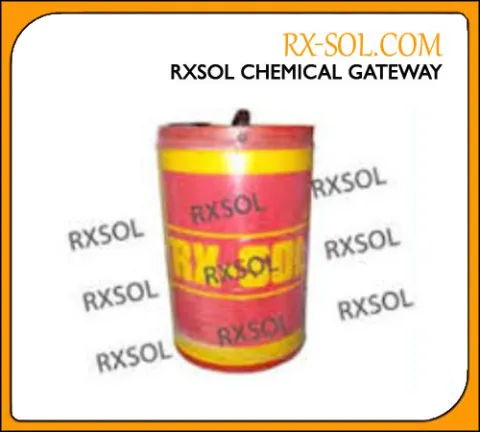
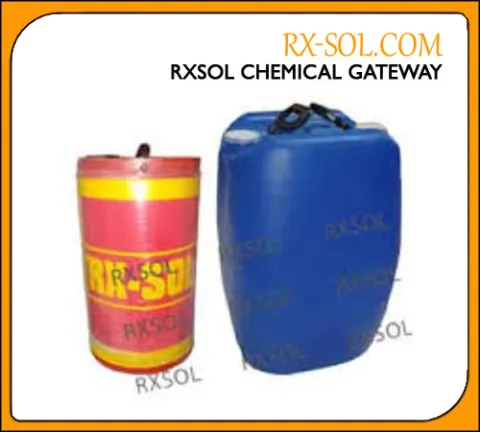
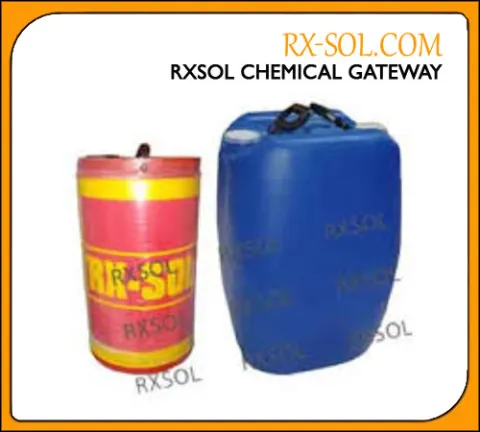
Glyphosate 360
- Part number
- RXSOL-94-9453-050
- Category
- Agriculture
- Brand
- RXSOL
Overview
Glyphosate is an herbicide. It is applied to the leaves of plants to kill both broadleaf plants and grasses. The sodium salt form of glyphosate is used to regulate plant growth and ripen specific crops.
Safety and SDS
Read the safety data sheet before handling. Wear suitable gloves and eye protection.
View safety data sheet
| Porduct Name | Glyphosate 360 |
| Part Number | RXSOL-94-9453-050 |
Company Details:
RX MARINE INTERNATIONAL
105, A wing , BSEL , TECH PARK.
VASHI ,NEW BOMBAY 400703 INDIA
Branch : Kandla, Mumbai , Chennai, Vizag, Kolkata, UAE , OMAN , CANADA and KENYA
| Phone | +91 22 20871200 - 1400 |
| Fax | +91 22 27612100 :::AOH :0091 9821214367 |
| rxsolchemicals@gmail.com | |
| Website | www.rxmraine.com |
| Product name | Cas No | EC No | Weight |
| GLYPHOSATE 360 HERBICID | 1071-83-6 | - | 30-40% |
| Signal Word | Danger |
| Hazard Statements | H318 Causes serious eye damage. H411 Toxic to aquatic life with long lasting effects.. |
| Precautionary statements | P273 Avoid release to the environment. P280 Wear eye protection / face protection. P305+P351+P338 IF IN EYES: Rinse cautiously with water for several minutes. Remove contact lenses, if present and easy to do. Continue rinsing. P310 Immediately call a POISON CENTER/doctor. P391 Collect spillage. P501 Dispose of contents/container in accordance with local/regional/national regulations |
| Classification of the substance or mixture | No data available |
| Supplemental Hazard Statements | No data available |
| Other hazards | No data available |
| General advice | First aiders need to protect themselves. Show this material safety data sheet to the doctor in attendance |
| If inhaled | If inhaled, remove to fresh air. Keep warm and rested. Seek medical attention if breathing problems develop |
| Eye Contact | In case of eye contact, hold eyelids open and rinse with water for at least 15 minutes. Seek medical attention if symptoms occur. |
| Swallowed | If swallowed, do not induce vomiting. Do not give anything by mouth to an unconscious person. Seek immediate medical attention |
| Skin Contact | In case of skin contact, immediately remove contaminated clothing and wash affected areas with water and soap. Seek medical attention if symptoms occur. |
| Most important symptoms and effects, both acute and delaye | The most important known symptoms and effects are described in the labelling (see section 2.2) and/or in section 11 |
| Indication of any immediate medical attention and special treatment needed | No data available |
| Flammability | No data available |
| Suitable extinguishing media | Water spray, fog or foam |
| Unsuitable extinguishing media | No data available |
| Special hazards arising from the substance or mixture | Hazardous combustion products include oxides of carbon, nitrogen and phosphorous. This product or spray solutions react with galvanised steel or unlined steel (except stainless steel) containers and tanks, to produce hydrogen gas which may form a highly flammable or explosive gas mixtures. Product is not flammable. Containers close to fire should be removed only if safe to do so. Use water spray to cool fire exposed containers. Prevent run-off from fire fighting entering drains or water courses |
| Further information | No data available |
|
Hazardous combustion products |
Hazardous combustion products include oxides of carbon, nitrogen and phosphorous. |
| Advice for firefighters | When fighting a major fire wear self-contained breathing apparatus and protective equipment. |
| Protective Equipment | No data available |
| Specific Hazards Arising from the Chemical | No data available |
| Personal precautions, protective equipment and emergency procedures | Wear approved self-contained breathing apparatus and full protective clothing. Evacuate all non-essential personnel from affected area. Do not breathe vapours. Ensure adequate ventilation. |
| Spillage | No data available |
| Personal Protection | No data available |
| Enviromental Precaution | In the event of a major spill, prevent spillage from entering drains or water courses |
|
Methods and materials for containment and cleaning |
Stop leak if safe to do so and absorb spill with sand, earth, vermiculite or some other absorbent material. If spill is too large or absorbent material is not available create a dyke to stop the spill from spreading. Collect the spilled material and place into a suitable container for disposal. Wash area after spills |
| Reference to other sections | For disposal see section 13. |
| Advice on protection against fire and explosion | No data available |
| Incompatible materials | No data available |
| Hygiene measures | No data available |
| Advice on safe handling | Use of safe work practices are recommended to avoid eye or skin contact and inhalation of vapours. Use only outdoors or in a well-ventilated area. Food, beverages and tobacco products should not be stored or consumed where this material is in use. Always wash hands before smoking, eating, drinking or using the toilet. Wash contaminated clothing and other protective equipment before storage or re-use. Provide eyewash fountains and safety showers in close proximity to points of potential exposur |
| Conditions for safe storage including any incompatibilities |
No data available |
| Storage conditions | Store in a cool, dry and well ventilated area. Keep in original container tightly closed when not in use. Protect from prolonged periods in direct sunlight. Keep away from strong oxidising agents, nitrates, oxidising acids, chlorine bleaches, pool chlorine, strong alkalis and alkaline materials such as lime. Do not mix or store this product in unlined or galvanised steel (except stainless steel), as this product may react to form flammable and explosive hydrogen gas. |
| Storage class | No data available |
| Specific end use(s) | Apart from the uses mentioned in section 1.2 no other specific uses are stipulated |
| Advice on general occupational hygiene | No data available |
| Exposure controls | The product does not contain any relevant quantities of materials with critical values that have to be monitored at the workplace. |
| Engineering Control | Ensure adequate ventilation of the working area, natural ventilation is usually adequate. |
| Eye/face protection | Eye and face protectors for protection against splashing materials or liquids. See Australian/New Zealand Standard AS/NZS 1337 for more information. |
| Body Protection | Protective clothing |
| Skin protection | Elbow-length PVC gloves. See Australian/New Zealand Standard AS/NZS 2161 for more information. When selecting gloves for use against certain chemicals, the degradation resistance, permeation rate and permeation breakthrough time should be considered. Occupational protective clothing (depending on conditions in which it has to be used, in particular as regards the period for which it is worn, which shall be determined on the basis of the seriousness of the risk, the frequency of exposure to the risk, the characteristics of the workstation of each worker and the performance of the protective clothing). See Australian/New Zealand Standard AS/NZS 4501 for more information. |
| Respiratory protection |
Use an approved vapour respirator under conditions where exposure to the substance is apparent (e.g. generation of high concentrations of mist or vapour, inadequate ventilation, development of respiratory tract irritation) and engineering controls are not feasible. See Australian Standards AS/NZS 1715 and 1716 for more information.
|
| Other Protection Measure | No data available |
| Physical state | Liquid |
| Colour | Clear blue, viscous |
| Odour | Faint amine odour |
| Odor Threshold | No data available |
| pH | No data available |
| Melting Point | No data available |
| Boiling Point | >100 °C |
| Flash Point | No data available |
| Evaporation Rate | No data available |
| Flammability (solid, gas) | No data available |
| Explosive limits | No data Available |
| Upper/lower flammability or explosive limits | No data available |
| Autoignition temperature | No data available |
| Decomposition temperature | No data available |
| Vapour pressure | No data available |
| Viscosity | No data available |
| Density | No data available |
| Relative Density | 1.2 |
| Specific Gravity | No data available |
| Partition coefficient | No data available |
| Explosive properties | No data available |
| Solubility | Soluble in water |
| Ignition temperature | No data available |
| Particle characteristics | No data available |
| Reactivity | No data available |
| Chemical stability | Stable at ambient temperature and under normal conditions of use. May be unstable at temperatures below 5 °C. |
| Possibilityof hazardous reactions | Hazardous polymerisation will not occur. |
| Conditions to avoid | Extreme temperatures. |
| Incompatible materials |
Strong oxidising agents, nitrates, oxidising acids, chlorine bleaches, pool chlorine, strong alkalis and alkaline materials such as lime.
|
| Hazardous decomposition products | Oxides of carbon, nitrogen and phosphorous |
| Acute toxicity | Oral LD50 >10,000 mg/kg (mice) LD50 >5,000 mg/kg (rat) LD50 >10,000 ml/kg (rabbit) Inhalation LC50/4 h 5-12 mg/l (rat)) |
| Skin corrosion/irritation | May cause skin irritation. |
| Serious eye damage/irritation | Causes serious eye irritation. |
| Respiratory or skin sensitization | No data available |
| Carcinogenicity | Glyphosate is classified by IARC as Group 2A - Probably carcinogenic to humans. |
| Germ cell mutagenicity | No data available |
| Reproductive toxicity | No data available |
| Specific target organ toxicity - single exposure |
No data available
|
| Additional Information | The Australian Acceptable Daily Intake (ADI) for glyphosate for a human is 0.3 mg/kg/day, set for the public for daily, lifetime exposure. This is based on the NOAEL of 30 mg/kg/day, the level determined to show no effects during long term exposure for the most sensitive indicators and the most sensitive species. (Ref: Australian Pesticides and Veterinary Medicines Authority, 'Acceptable Daily Intakes for Agricultural and Veterinary Chemicals', 2021). |
| Persistence and degradability | Half-life in soil is typically 47 days. Loss from soil is primarily by microbial degradation. |
| Toxicity to fish | No data available |
| Toxicity to daphnia and other aquatic invertebrates | No data available |
| Toxicity | Glyphosate is a non-selective contact herbicide. Spray drift may cause damage. Not toxic to birds or bees. LD50 >2000 mg/kg (mallard duck) LD50 >100 μg/beeToxic to aquatic life with long lasting effects. |
| Toxicity to bacteria | No data available |
| Toxicity to algae | No data available |
| Products Biodegradation | No data available |
| Mobility in soil | Low mobility under normal conditions. |
| Results of PBT and vPvB assessment | This substance/mixture contains no components considered to be either persistent, bioaccumulative and toxic (PBT), or very persistent and very bioaccumulative (vPvB) at levels of 0.1% or higher. |
| Endocrine disrupting properties | The substance/mixture does not contain components considered to have endocrine disrupting properties according to REACH Article 57(f) or Commission Delegated regulation (EU) 2017/2100 or Commission Regulation (EU) 2018/605 at levels of 0.1% or higher |
| Other adverse effects | Spray drift can cause damage, read label for more information. |
| Disposal Methods and Containers | Dispose according to applicable local and state government regulations |
| Special Precautions for Landfill or Incineration | Please consult your state Land Waste Management Authority for more information. |
| Waste treatment Method | No data available |
| UN number | ADR/RID:3082 | IMDG:3082 | IATA:3082 |
| UN proper shipping name | ADR/RID:ENVIRONMENTALLY HAZARDOUS SUBSTANCE, LIQUID, N.O.S. (Glyphosate (ISO)) | IMDG:ENVIRONMENTALLY HAZARDOUS SUBSTANCE, LIQUID, N.O.S. (Glyphosate (ISO)) | IATA:ENVIRONMENTALLY HAZARDOUS SUBSTANCE, LIQUID, N.O.S. (Glyphosate (ISO)) |
| Transport hazard class(es) | ADR/RID:9 | IMDG:9 | IATA:9 |
| Packaging group | ADR/RID:lll | IMDG:lll | IATA:lll |
| Environmental hazards | ADR/RID:Yes | IMDG:Yes | IATA:Yes |
| Special precautions for user | No data available | ||
| Further information | No data avaiable |
| Safety, health and environmental regulations/legislation specific for the substance or mixture | This material safety data sheet complies with the requirements of Regulation (EC) No. 1907/2006. |
| Other regulations | No data available |
| Chemical Safety Assessment | A Chemical Safety Assessment has been carried out for this substance. |
| Other Information |
The information above is believed to be accurate and represents the best information currently available to us. However, we make no warranty of merchantability or any other warranty, express or implied, with respect to such information, and weassume no liability resulting from its use. Users should make their own investigations to determine the suitability of the information for their particular purposes. In no event shall be liable for any claims, losses, or damages of any third party or for lost profits or any special, indirect, incidental, consequential or exemplary damages, howsoever arising, even if Rx Marine International has been advised of the possibility of such damages. |