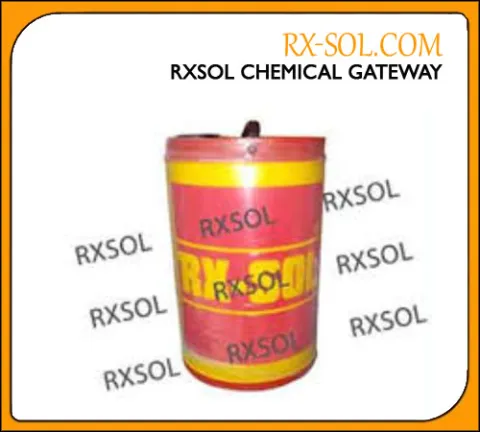
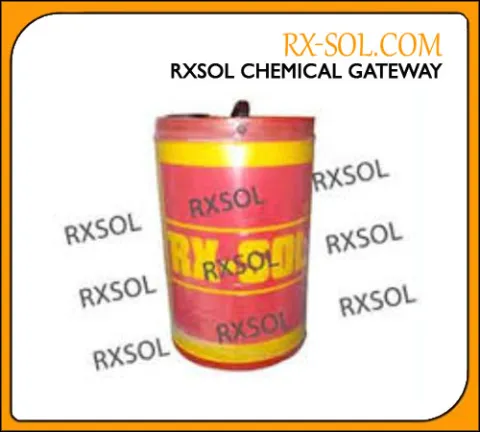
Poultry and Animal Feed Additive
Rapeseed Meal Feed
- Part number
- RXSOL-97-2260-025
- Category
- Poultry and Animal Feed Additive
- Brand
- RXSOL
Applications
Dosage and directions
This protein is poorer in lysine than soybean (5.5% vs. 6.3% of the crude protein) but is richer in sulphur-containing amino acids (sum of methionine + cysteine: 4.3% vs. 3% of the crude protein). Rapeseeds are small and contain about 18-21% hulls, and the oil meal contains about 30% hulls. Thus rapeseed meal has a relatively high fibre content, crude fibre being between 10-18% of DM, which is higher than the crude fibre content of all types of soybean meals, but lower than that of other oil meals such as sunflower meal. Its lignin content is also high (about 10% of DM), whereas the lignin content of soybean meal is usually lower than 1%. The low lysine and high fibre content tends to limit the use of rapeseed meal in monogastric and fish species. Feeding pigs and poultry with rapeseed meal as their only source of supplementary protein often results in lower animal performance.
Safety and SDS
Read the safety data sheet before handling. Wear suitable gloves and eye protection.
View safety data sheet
| Porduct Name | Rapeseed Oil |
| Part Number | RXSOL-15-2260-200 |
Company Details:....
RX MARINE INTERNATIONAL
105, A wing , BSEL , TECH PARK.
VASHI ,NEW BOMBAY 400703 INDIA
Branch : Kandla, Mumbai , Chennai, Vizag, Kolkata, UAE , OMAN , CANADA and KENYA
| Phone | +91 22 20871200 - 1400 |
| Fax | +91 22 27612100 :::AOH :0091 9821214367 |
| rxsolchemicals@gmail.com | |
| Website | www.rxmraine.com |
Substances
| CAS-No | 8002-13-9 |
| EC-No. | 232-299-0 |
No components need to be disclosed according to the applicable regulations.
| Classification of the substance or mixture | Not a hazardous substance or mixture according to Regulation (EC) No 1272/2008. |
| Label elements | Not a hazardous substance or mixture according to Regulation (EC) No 1272/2008 |
| Other hazards | This substance/mixture contains no components considered to be either persistent, bioaccumulative and toxic (PBT), or very persistent and very bioaccumulative (vPvB) at levels of 0.1% or higher. |
Description of first aid measures
| If inhaled | If breathed in, move person into fresh air. If not breathing, give artificial respiration. |
| In case of skin contact | Wash off with soap and plenty of water |
| In case of eye contact | Flush eyes with water as a precaution. |
| If swallowed | Never give anything by mouth to an unconscious person. Rinse mouth with water. |
| Most important symptoms and effects, both acute and delayed | The most important known symptoms and effects are described in the labelling (see section 2.2) and/or in section 11 |
| Indication of any immediate medical attention and special treatment needed | No data available |
Extinguishing media
| Suitable extinguishing media | Use water spray, alcohol-resistant foam, dry chemical or carbon dioxide. |
| Unsuitable extinguishing media | For this substance/mixture no limitations of extinguishing agents are given. |
| Special hazards arising from the substance or mixture |
Highly flammable liquid and vapor. Runoff to sewer may create fire or explosion hazard.
In a fire or if heated, a pressure increase will occur and the container may burst, with the
risk of a subsequent explosion. The vapor/gas is heavier than air and will spread along
the ground. Vapors may accumulate in low or confined areas or travel a considerable
distance to a source of ignition and flash back.
Carbon oxides
|
| Advice for firefighters |
Wear self-contained breathing apparatus for firefighting if necessary. |
| Further information |
No data available
spray to keep fire-exposed containers cool.Promptly isolate the scene by removing all persons from the vicinity of the incident if
there is a fire. No action shall be taken involving any personal risk or without suitable
training. Move containers from fire area if this can be done without risk. Use water
spray to keep fire-exposed containers cool.
|
| Personal precautions, protective equipment and emergency procedures |
Avoid breathing vapors, mist or gas.
For personal protection see section 8.
|
| Environmental precautions | No special environmental precautions required. |
| Methods and materials for containment and cleaning up | Keep in suitable, closed containers for disposal. |
| Reference to other sections | For disposal see section 13. |
| Precautions for safe handling | For precautions see section 2.2. |
| Conditions for safe storage, including any incompatibilities |
Recommended storage temperature see product label.Tightly closed.
Recommended storage temperature see product label.
|
| Storage conditions | Keep container tightly closed in a dry and well-ventilated place. Store in cool place. |
| Storage stability |
Recommended storage temperature
2 - 8 °C
Light sensitive.
|
| Storage class | Storage class (TRGS 510): 12: Non Combustible Liquids |
| Specific end use(s) | Apart from the uses mentioned in section 1.2 no other specific uses are stipulated |
Control parameters
| Eye/face protection | Use equipment for eye protection tested and approved under appropriate government standards such as NIOSH (US) or EN 166(EU). |
| Skin protection |
Handle with gloves. Gloves must be inspected prior to use. Use proper glove removal technique (without touching glove's outer surface) to avoid skin contact with this product. Dispose of contaminated gloves after use in accordance with applicable laws and good laboratory practices. Wash and dry hands.
The selected protective gloves have to satisfy the specifications of Regulation (EU) 2016/425 and the standard EN 374 derived from it.
Full contact
Material: Nitrile rubber
Minimum layer thickness: 0,11 mm
Break through time: 480 min
Material tested:Dermatril® (KCL 740 / Aldrich Z677272, Size M)
Splash contact
Material: Nitrile rubber
Minimum layer thickness: 0,11 mm
Break through time: 480 min
Material tested:Dermatril® (KCL 740 / Aldrich Z677272, Size M)
data source: KCL GmbH, D-36124 Eichenzell, phone +49 (0)6659 87300, e-mail
sales@kcl.de, test method: EN374
If used in solution, or mixed with other substances, and under conditions which differ from EN 374, contact the supplier of the EC approved gloves. This recommendation is advisory only and must be evaluated by an industrial hygienist and safety officer familiar with the specific situation of anticipated use by our customers. It should not be construed as offering an approval for any specific use
scenario.
|
| Body Protection | Impervious clothing, The type of protective equipment must be selected according to the concentration and amount of the dangerous substance at the specific workplace. |
| Respiratory protection | Respiratory protection not required. For nuisance exposures use type OV/AG (US) or type ABEK (EU EN 14387) respirator cartridges. Use respirators and components tested and approved under appropriate government standards such as NIOSH (US) or CEN (EU). |
| Control of environmental exposure | No special environmental precautions required. |
Information on basic physical and chemical properties
| Appearance | Clear, viscous, liquid |
| Color | Light yellow |
| Odor | No data available |
| Odor Threshold | No data available |
| pH | No data available |
| Melting point/freezing point | No data available |
| Initial boiling point and boiling range | No data available |
| Flammability (solid, gas) | No data available |
| Upper/lower flammability or explosive limits | No data available |
| Flash point | No data available |
| Autoignition temperature | No data available |
| Decomposition temperature |
No data available
materials.Extremely flammable in the presence of the following materials or conditions: oxidizing
materials.
|
| pH | No data available |
| Viscosity |
Viscosity, kinematic: No data available
Viscosity, dynamic: No data available
|
| Water solubility | No data available |
| Partition coefficient: n-octanol/water | No data available |
| Vapor pressure | No data available |
| Density | 0,910 g/cm3 |
| Relative density | No data available |
| Relative vapor density | No data available |
| Particle characteristics | No data available |
| Explosive properties | No data available |
| Oxidizing properties | None |
| Other safety information | No data available |
| Reactivity | No data available |
| Chemical stability | Stable under recommended storage conditions. |
| Possibility of hazardous reactions | No data available |
| Conditions to avoid | No data available |
| Incompatible materials |
Strong oxidizing agents
|
| Hazardous decomposition products | In the event of fire: see section 5 |
Information on toxicological effects
| Acute toxicity |
Oral: No data available
Inhalation: No data available
Dermal: No data available
|
| Skin corrosion/irritation | No data available |
| Serious eye damage/eye irritation | No data available |
| Respiratory or skin sensitization | No data available |
| Germ cell mutagenicity | No data available |
| Carcinogenicity |
No data available
|
| Reproductive toxicity | No data available |
| Specific target organ toxicity - single exposure | No data available |
| Specific target organ toxicity - repeated exposure | No data available |
| Aspiration hazard | No data available |
| Additional Information | To the best of our knowledge, the chemical, physical, and toxicological properties have not been thoroughly investigated. |
| Toxicity | |
| Toxicity to fish | LC50 - Oryzias latipes - 8,5 mg/l - 48 h |
|
Toxicity to daphnia
and other aquatic
invertebrates
|
LC50 - Daphnia pulex (Water flea) - > 40 mg/l - 3 h |
| Persistence and degradability | No data available |
| Bioaccumulative potential | No data available |
| Mobility in soil | No data available |
| Results of PBT and vPvB assessment | This substance/mixture contains no components considered to be either persistent, bioaccumulative and toxic (PBT), or very persistent and very bioaccumulative (vPvB) at levels of 0.1% or higher. |
| Endocrine disrupting properties | No data available |
| Other adverse effects | No data available |
| Waste treatment methods | |
| Product | Offer surplus and non-recyclable solutions to a licensed disposal company. |
| Contaminated packaging | Dispose of as unused product. |
| UN number | ADR/RID: IMDG: IATA: |
| UN proper shipping name |
ADR/RID: Not dangerous goods
IMDG: Not dangerous goods
IATA: Not dangerous goods
|
| Transport hazard class(es) | ADR/RID: IMDG: IATA: |
| Packaging group | ADR/RID: IMDG: IATA: |
| Environmental hazards | ADR/RID: IMDG: IATA: |
| Special precautions for user | |
| Further information | Not classified as dangerous in the meaning of transport regulations. |
| Safety, health and environmental regulations/legislation specific for the substance or mixture | This material safety data sheet complies with the requirements of Regulation (EC) No. 1907/2006. |
| Chemical Safety Assessment | For this product a chemical safety assessment was not carried out |
| Other Information |
The information above is believed to be accurate and represents the best information currently available to us. However, we make no warranty of merchantability or any other warranty, express or implied, with respect to such information, and weassume no liability resulting from its use. Users should make their own investigations to determine the suitability of the information for their particular purposes. In no event shall be liable for any claims, losses, or damages of any third party or for lost profits or any special, indirect, incidental, consequential or exemplary damages, howsoever arising, even if Rx Marine International has been advised of the possibility of such damages. DISCLAIMER OF LIABILITY :The information in this SDS was obtained from sources which we believe are reliable. However, the information is provided without any warranty, express or implied, regarding its correctness. The conditions or methods of handling, storage, use or disposal of the product are beyond our control and may be beyond our knowledge. For this and other reasons, we do not assume responsibility and expressly disclaim liability for loss, damage or expense arising out of or in any way connected with the handling, storage, use or disposal of the product. This MSDS was prepared and is to be used only for this product. If the product is used as a component in another product, this MSDS information may not be applicable |