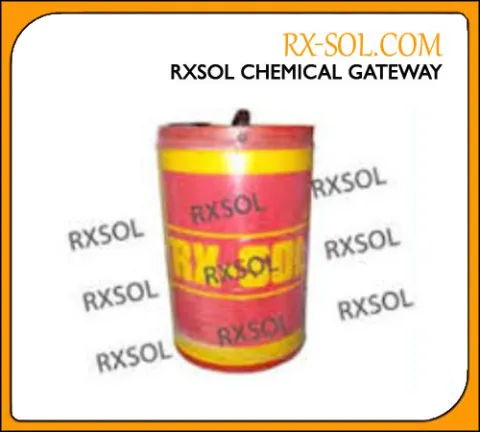
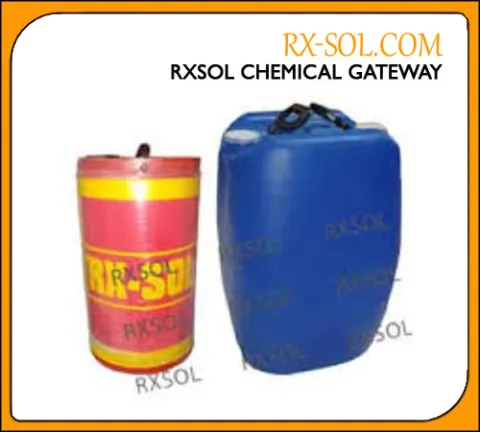
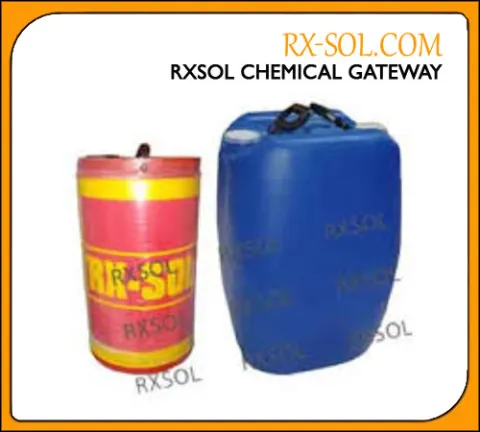
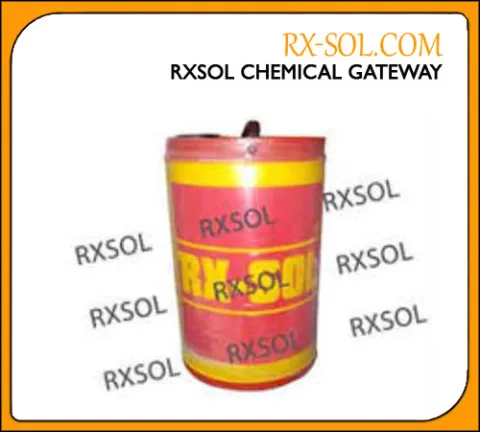
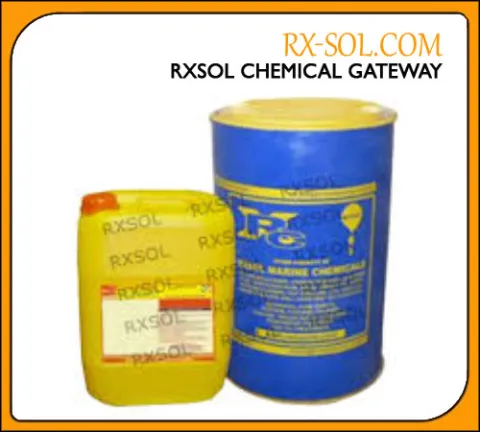
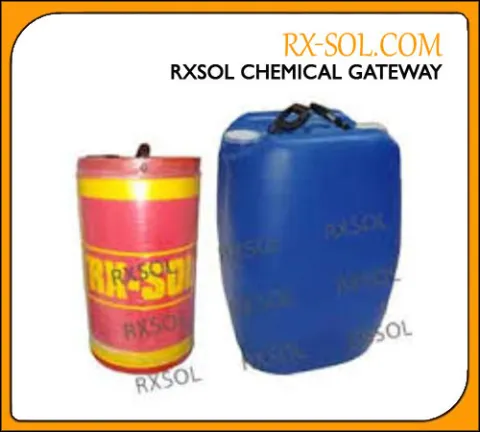
SODIUM SELENATE Agriculture Grade
- Part number
- RXSOL-94-6605-025
- Category
- Agriculture
- Brand
- RXSOL
Overview
Sodium Selenite is a colourless solid. The pentahydrate Na₂SeO₃H₂O₅ is the most common water-soluble selenium compound. Sodium selenate treatment significantly improved rice performance and maize yield.
Technical specifications
Low Doses of Sodium Selenate adsorption stimulate plant growth and enhance grain weight.
Applications
SODIUM SELENATE micronutrient which plays a beneficial role in plants.
Anhydrous salt is used in the production of some glass. Although the selenates are much more toxic, many physical properties of sodium selenate and sodium sulfate are similar.
Dosage and directions
Sodium selenate treatment significantly improved rice performance at initial heading stage not only improved the grain yield of fragrant rice by increasing the seed-setting rate and grain weight, but also promoted the grain quality by increasing crude protein contents and lowering the chalky rice rate.
Characteristics and notes
One of the earliest applications of sodium selenate was in the glass industry. Selenium produces a red hue in glass.
Safety and SDS
Read the safety data sheet before handling. Wear suitable gloves and eye protection.
View safety data sheet
| Porduct Name | SODIUM SELENATE Agriculture Grade |
| Part Number | RXSOL-95-6605-025 |
Company Details:....
RX MARINE INTERNATIONAL
105, A wing , BSEL , TECH PARK.
VASHI ,NEW BOMBAY 400703 INDIA
Branch : Kandla, Mumbai , Chennai, Vizag, Kolkata, UAE , OMAN , CANADA and KENYA
| Phone | +91 22 20871200 - 1400 |
| Fax | +91 22 27612100 :::AOH :0091 9821214367 |
| rxsolchemicals@gmail.com | |
| Website | www.rxmraine.com |
| Chemical Characterization | Mixtures |
| Description | Mixture of substances listed below with nonhazardous additions |
Hazardous Components
| CAS: 16595-80-5 |
Levamisole hydrochloride
Acute Toxicity (Oral) 3, H301 |
<10% |
| CAS: 13410-01-0 |
Sodium selenate
Acute Toxicity (Oral) 1, H300; Acute Toxicity (Inhalation) 1, H330; STOT RE 2,
H373; Aquatic Acute 1, H400; Aquatic Chronic 1, H410; Skin Corrosion/Irritation
2, H315
|
0.1% |
| Non Hazardous Components | ||
| CAS: 43210-67-9 | Fenbendazole |
| Hazardous Nature |
Classified as Hazardous according to the Globally Harmonised System of Classification and Labelling of
Chemicals (GHS) and Safe Work Australia criteria.
Not classified as Dangerous Goods according to the Australian Code for the Transport of Dangerous Goods by
Road and Rail. (7th edition)
Acute Toxicity (Oral) 4 H302 Harmful if swallowed.
|
| Signal Word | Warning |
| Hazard Statements | H302 Harmful if swallowed. |
| Precautionary Statements |
P264 Wash thoroughly after handling.
P270 Do not eat, drink or smoke when using this product.
P301+P312 IF SWALLOWED: Call a POISON CENTER/doctor if you feel unwell.
P330 Rinse mouth.
P501 Dispose of contents/container in accordance with local/regional/national regulations.
|
| Inhalation | If inhaled, remove to fresh air. Seek medical attention if breathing problems develop. |
| Skin Contact | In case of skin irritation, immediately remove contaminated clothing and wash affected areas with water and soap for 5 minutes. Seek medical attention if symptoms persist. |
| Eye Contact | In case of eye contact, rinse with water for several minutes. Remove contact lenses, if present and easy to do. Continue rinsing for at least 15 minutes. Seek medical attention if symptoms persist. |
| Ingestion | If swallowed, do not induce vomiting. Immediately rinse mouth with water. Never give anything by mouth to an unconscious person. Seek medical attention. |
Symptoms Caused by Exposure
| Inhalation | No adverse health effects expected. |
| Skin Contact | No adverse health effects expected. |
| Eye Contact | No adverse health effects expected. |
| Ingestion | Harmful if swallowed.. |
| Suitable extinguishing media | Use fire extinguishing methods suitable to surrounding conditions. |
| Specific Hazards Arising from the Chemical |
Hazardous combustion products include oxides of carbon and other toxic fumes.
Product is not flammable.
Containers close to fire should be removed only if safe to do so. Use water spray to cool fire exposed containers.
Minimise run-off from fire fighting entering drains or water courses.
|
| Special Protective Equipment and Precautions for Fire Fighters |
Highly flammable liquid and vapor. Runoff to sewer may create fire or explosion hazard.
In a fire or if heated, a pressure increase will occur and the container may burst, with the
risk of a subsequent explosion. The vapor/gas is heavier than air and will spread along
the ground. Vapors may accumulate in low or confined areas or travel a considerable
distance to a source of ignition and flash back.
When fighting a major fire wear self-contained breathing apparatus and protective equipment.
|
| Personal Precautions, Protective Equipment and Emergency Procedures | Wear appropriate respiratory protection and protective clothing. Evacuate all non-essential personnel from affected area. Do not breathe vapours. Ensure adequate ventilation. |
| Environmental Precautions | In the event of a major spill, prevent spillage from entering drains or water courses. |
| Methods and Materials for Containment and Cleaning Up | Stop leak if safe to do so and absorb spill with sand, earth, vermiculite or some other absorbent material. Avoid using combustible materials such as sawdust. Collect the spilled material and place into a suitable container for disposal. Wash area after spills. |
| Precautions for Safe Handling |
Use of safe work practices are recommended to avoid eye or skin contact and inhalation of vapours.
Food, beverages and tobacco products should not be stored or consumed where this material is in use. Always wash hands before smoking, eating, drinking or using the toilet.
Wash contaminated clothing and other protective equipment before storage or re-use.
|
| Conditions for Safe Storage | Store in a cool, dry and well ventilated area. Do not expose to temperatures exceeding 30 ⁰C. Keep in original container tightly closed when not in use. |
| Exposure Standards | The product does not contain any relevant quantities of materials with critical values that have to be monitored at the workplace. |
| Engineering Controls | Ensure adequate ventilation of the working area. |
| Respiratory Protection | Use an approved vapour respirator under conditions where exposure to the substance is apparent (e.g. generation of high concentrations of mist or vapour, inadequate ventilation, development of respiratory tract irritation) and engineering controls are not feasible. See Australian Standards AS/NZS 1715 and 1716 for more information. |
| Skin Protection |
PVC or Rubber gloves. See Australian/New Zealand Standard AS/NZS 2161 for more information.
When selecting gloves for use against certain chemicals, the degradation resistance, permeation rate and
permeation breakthrough time should be considered.
Occupational protective clothing (depending on conditions in which it has to be used, in particular as regards the
period for which it is worn, which shall be determined on the basis of the seriousness of the risk, the frequency of
exposure to the risk, the characteristics of the workstation of each worker and the performance of the protective
clothing). See Australian/New Zealand Standard AS/NZS 4501 for more information.
|
| Eye and Face Protection | Eye and face protectors for protection against splashing materials or liquids. See Australian/New Zealand Standard AS/NZS 1337 for more information. |
Appearance
| Form | Suspension |
| Colour | Milky white |
| Odor | No information available |
| Odor Threshold | No information available |
| pH-Value | No information available |
| Melting point/freezing point | ~0 °C |
| Initial Boiling Point/Boiling Range | ~100 °C (at 100 kPa) |
| Flash point | Not applicable |
| Flammability | Product is not flammable. |
| Auto-ignition Temperature |
Not applicable
materials.Extremely flammable in the presence of the following materials or conditions: oxidizing
materials.
|
| Decomposition Temperature |
No information available |
|
Explosion Limits:
Lower:
Upper:
|
Not applicable
Not applicable
|
| Vapour Pressure at 20 °C | 2.37 KPa (water vapour pressure) |
| Relative Density | ~1 |
| Vapour Density | No information available |
| Evaporation Rate | No information available |
| Solubility in Water | Completely soluble |
| Partition Coefficient (n-octanol/water) | No information available |
| Viscosity | No information available |
| Possibility of Hazardous Reactions | Hazardous polymerisation will not occur |
| Chemical stability | Stable at ambient temperature and under normal conditions of storage and use. |
| Conditions to Avoid | Temperatures above 30 ⁰C. |
| Incompatible Materials | No further relevant information available. |
| Hazardous Decomposition Products |
Hazardous combustion products include oxides of carbon and other toxic fumes.
|
Toxicity
| LD50/LC50 Values Relevant for Classification | No information available. |
Acute Health Effects
| Inhalation | No adverse health effects expected.. |
| Skin | No adverse health effects expected. |
| Eye | No adverse health effects expected. |
| Ingestion | Harmful if swallowed. |
| Skin Corrosion / Irritation | Based on classification principles, the classification criteria are not met. |
| Serious Eye Damage / Irritation | Based on classification principles, the classification criteria are not met. |
| Respiratory or Skin Sensitisation | Based on classification principles, the classification criteria are not met. |
| Germ Cell Mutagenicity | Based on classification principles, the classification criteria are not met |
| Carcinogenicity | This product does NOT contain any IARC listed chemicals. |
| Reproductive Toxicity | Based on classification principles, the classification criteria are not met. |
| Specific Target Organ Toxicity (STOT) - Single Exposure | Based on classification principles, the classification criteria are not met. |
| Specific Target Organ Toxicity (STOT) - Repeated Exposure | Based on classification principles, the classification criteria are not met. |
| Aspiration Hazard | Based on classification principles, the classification criteria are not met. |
| Chronic Health Effects | No information available |
| Existing Conditions Aggravated by Exposure | No information available |
| Additional toxicological information |
The Australian Acceptable Daily Intake (ADI) for levamisole for a human is 0.003 mg/kg/day, set for the public for
daily, lifetime exposure. This is based on the NOAEL of 6 mg/kg/day, the level determined to show no effects
during long term exposure for the most sensitive indicators and the most sensitive species.
The Australian Acceptable Daily Intake (ADI) for fenbendazole for a human is 0.05 mg/kg/day, set for the public for
daily, lifetime exposure. This is based on the NOAEL of 5 mg/kg/day, the level determined to show no effects during long term exposure for the most sensitive indicators and the most sensitive species.
(Ref: Australian Pesticides and Veterinary Medicines Authority, 'Acceptable Daily Intakes for Agricultural and
Veterinary Chemicals', 2020).
|
Ecotoxicity
| Aquatic toxicity | No data available on finished product. |
| Persistence and Degradability | No data available on finished product. |
| Bioaccumulative Potential | No data available on finished product. |
| Mobility in Soil | No data available on finished product. |
| Other adverse effects | No further relevant information available. |
| Disposal Methods and Containers | Dispose according to applicable local and state government regulations. |
| Special Precautions for Landfill or Incineration | Please consult your state Land Waste Management Authority for more information. |
| UN number | Not regulated |
| Proper Shipping Name | Not regulated |
| Dangerous Goods Class | Not regulated |
| Packaging group | Not regulated |
| Australian Inventory of Industrial Chemicals | All ingredients are listed. |
| Standard for the Uniform Scheduling of Medicines and Poisons (SUSMP) - Poison Schedule | Poisons Schedule: 6 |
| Other Information |
The information above is believed to be accurate and represents the best information currently available to us. However, we make no warranty of merchantability or any other warranty, express or implied, with respect to such information, and weassume no liability resulting from its use. Users should make their own investigations to determine the suitability of the information for their particular purposes. In no event shall be liable for any claims, losses, or damages of any third party or for lost profits or any special, indirect, incidental, consequential or exemplary damages, howsoever arising, even if Rx Marine International has been advised of the possibility of such damages. DISCLAIMER OF LIABILITY :The information in this SDS was obtained from sources which we believe are reliable. However, the information is provided without any warranty, express or implied, regarding its correctness. The conditions or methods of handling, storage, use or disposal of the product are beyond our control and may be beyond our knowledge. For this and other reasons, we do not assume responsibility and expressly disclaim liability for loss, damage or expense arising out of or in any way connected with the handling, storage, use or disposal of the product. This MSDS was prepared and is to be used only for this product. If the product is used as a component in another product, this MSDS information may not be applicable. |