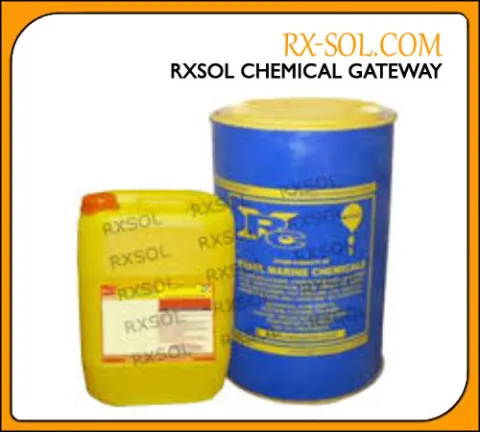
Polyelectrolyte
- Part number
- RXSOL-40-4044-025
- Category
- Cooling Water Chemical
- Brand
- RXSOL
Overview
RXSOL Polyelectrolite is a unique, medium molecular weight, anionic polyelectrolyte designed to be used as a precipitation aid and sludge conditioner for waste water treatment systems.
Applications
APPLICATION & ADVANTAGE :
Immediate flocculation activity.
Non-hazardous to use.
RXSOL Polyelectrolite has been found particularly effective for metal finishing and most industrial thickening and clarification operations as well as metal hydroxide precipitation.
Very economical to use.
RXSOL Polyelectrolite is designed to be used at full strength, eliminating the need to make up stock solutions prior to use, thus completely eliminating the make up difficulties of powders and emulsions. It blends into the waste stream immediately with no undissolved particles, globules or waste.
Effective over a wide pH range.
Works well with other treatment aids.
RXSOL Polyelectrolite concentrated formula is extremely economical to use. One gallon of RXSOL Polyelectrolite will treat up to 100,000 gallons of waste water. It may be injected into a flowing stream, or may be metered into an agitated flocculator tank.
POLYELECTROLYTES
High Molecular weight flocullant polymers available in Anionic, Cationic grades
Description:
High molecular weight flocullants are capable of promoting flocullation by neutralizing the superficial electric charges of sludge particles in the water and unstabilizing each individual particles. The particles then are absorbed by the activated functional group in the flocullant polymer.
Powder Grades :
Anionic Polyelectrolyte
Cationic Polyelectrolyte
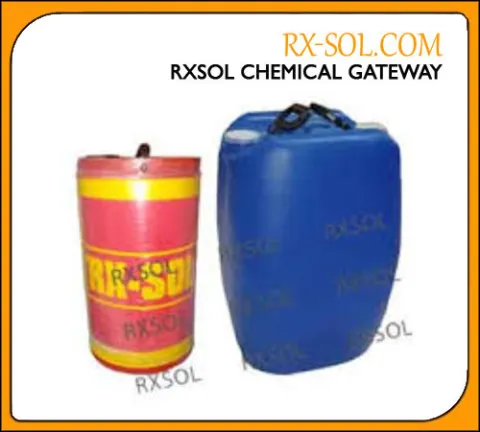
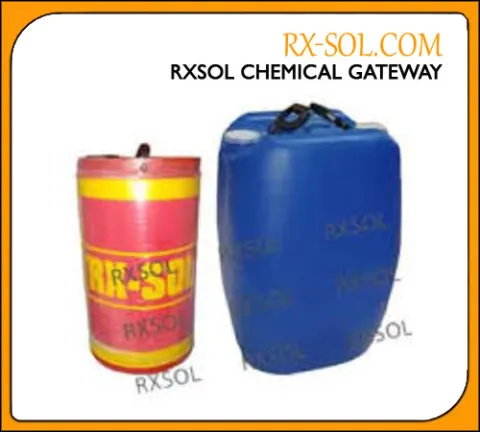
Water and Dustproof 10kg Bag
LIQUID Grades :
Anionic Polyelectrolyte
Cationic Polyelectrolyte
(FOOD GRADE SUITABLE FOR DRINKING WATER)
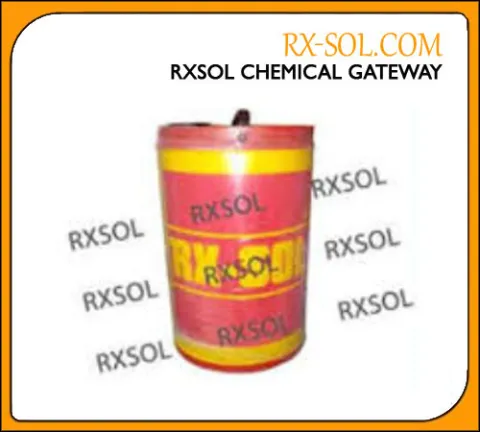
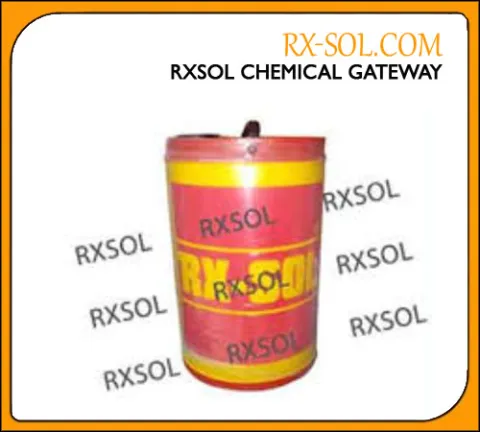
High Density Polyethylene Carboys 50kg Carboy
Dosage and directions
RXSOL Polyelectrolite should be metered full strength into the flocculation station of conventional hydroxide precipitation waste water treatment systems. Typical feed rates of RXSOL Polyelectrolite vary from 8 to 12 ppm which is the equivalent to one gallon treating 25,000 to 82,000 gallons of waste water. RXSOL Polyelectrolite works well over a wide pH range with values of 7.5-10.0 being optimum. Uniform agitation is vitally important for optimum contact. Mild agitation by low speed non-shear agitators is recommended. Do not use high speed mixers or pump recirculation for mixing or an agitator speed over 100 RPM. These methods will shear and break up the floc formation. Due to the wide variety of waste water treatment facilities, equipment and waste material to be treated, it is recommended that a water treatment study be performed to assure the most cost effective treatment method available. .
Characteristics and notes
STORAGE/HANDLING
Store at 40-95° F (5-35° C) for maximum stability. Keep away from heat, sparks and open flame. Do not get in eyes, skin or clothing. Do not take internally. Wear proper protective clothing and face shield. Material spilled on floors is very slippery and most difficult to wash down. Material should be scooped up as much as possible and the remaining thin film adsorbed with absorbent clay or sweeping compound. Refer to the Material Safety Data Sheet for more complete details.
Safety and SDS
Read the safety data sheet before handling. Wear suitable gloves and eye protection.
View safety data sheet
| Product Name | Polyelectrolyte |
| Product Type | RXSOL-40-4044-025 |
Company Details:
RX MARINE INTERNATIONAL
105, A wing , BSEL , TECH PARK.
VASHI ,NEW BOMBAY 400703 INDIA
| Phone | +91 22 27815540 / 41 / 42 |
| Fax | +91 22 2781 1318 :::AOH :0091 9821214367 |
| rxsolchemicals@gmail.com |
| Hazardous Ingredients | Hydrotreated Light Distillate | 10-30% |
| CAS Number | Hydrotreated Light Distillate | 64742-47-8 |
| Synonym (S) | None |
| Inhalation | Not a likely route of exposure. Negligible hazard at normal temperatures(up to 38oC). |
| Skin Contact / Absorption | May cause irritation with prolonged contact. Frequent or prolonged contact with product may defat and dry the skin, leading to discomfort an dermatitis. |
| Eye Contact | May cause irritation with prolonged contact. |
| Ingestion | Not a likely route of exposure. No adverse effects expected |
| Exposure Limits |
ACGIH/TLV-TWA: 5mg/m3 (Mineral Oil Mist) OSHA/PEL-TWA: 5mg/m3 (Mineral Oil Mist) |
| Inhalation | Remove victim to fresh air. Give artificial respiration only if breathing has topped. If breathing is difficult, give oxygen. Seek immediate medical ttention. |
| Skin Contact / Absorption | Remove contaminated clothing. Wash affected area with soap and water.Seek medical attention if irritation occurs or persists. |
| Eye Contact | Flush immediately with water for at least 20 minutes. Forcibly hold eyelids apart to ensure complete irrigation of eye tissue. Seek immediate medical ttention. |
| Ingestion | Do not induce vomiting without medical advice. If conscious, washout mouth and give water to drink. If symptoms develop, seek medical advice |
| Additional Information | Based on the individual reactions of the patient, the physician's judgement should be used to control symptoms and clinical condition. |
| Conditions of Flammability | Not flammable |
| Means of Extinction |
Foam, dry powder, carbon dioxide, other extinguishing agent suitable for Class B fires. Do not use water unless flooding amounts are available. |
| Flash Point | >100°C |
| Auto-ignition Temperature | Not available |
| Upper Flammable Limit | Not available |
| Lower Flammable Limit | Not available |
| Hazardous Combustible Products | May evolve oxides of carbon and nitrogen under fire conditions |
| Special Fire Fighting Procedures |
Wear NIOSH-approved self-contained breathing apparatus and protective clothing. |
| Explosion Hazards | Fire or intense heat may cause violent rupture of packages |
| Leak / Spill |
Wear appropriate personal protective equipment. Ventilate area. Stop or reduce leak if safe to do so. Prevent material from entering sewers. Water in contact with the product will cause slippery floor conditions. SMALL SPILLS: Soak up spill with absorbent material. Place residues in a suitable, covered, properly labeled container. Wash affected area. LARGE SPILLS: Contain liquid using absorbent material, by digging renches or by diking. Reclaim into recovery or salvage drums or tank truck for proper disposal. Contact an approved waste hauler for disposal of ontaminated recovered material. |
| Deactivating Materials | Not available |
| Handling Procedures |
Use proper equipment for lifting and transporting all containers. Use sensible industrial hygiene and housekeeping practices. Wash thoroughly after handling. Avoid all situations that could lead to harmful exposure. |
| Storage Requirements |
Store separately from oxidizers. Store the containers tightly closed. Protect product from freezing. |
Protective Equipment
| Eyes. | Chemical goggles, full-face shield, or a full-face respirator is to be worn at ll times when product is handled. Contact lenses should not be worn; they ay contribute to severe eye injury. |
| Respiratory | Due to its low volatility and toxicity, the hazard potential associated with his material is relatively low. Respiratory protection is not normally needed. |
| Gloves | Impervious gloves of chemically resistant material (rubber, nitrile or PVC) hould be worn. Wash contaminated clothing and dry thoroughly before reuse. |
| Clothing | Body suits, aprons, and/or coveralls of chemical resistant material should be worn. Wash contaminated clothing and dry thoroughly before reuse. |
| Footwear | No special footwear is required other than what is mandated at place of ork. |
Engineering Controls
| Ventilation Requirements |
Mechanical ventilation (dilution or local exhaust), process or ersonnel enclosure and control of process conditions should be provided. Supply sufficient replacement air to make up for air removed by exhaust systems |
| Other | Keep an eye wash fountain available. Keep a safety shower available. |
| Physical State | Liquid |
| Odor and Appearance | Hydrocarbon, Off-white |
| Odor Threshold | Not available |
| Specific Gravity (Water=1) | 1.08 @ 25°C |
| Vapor Pressure (mm Hg, 20C) | Not available |
| Vapor Density (Air=1) | Not available |
| Evaporation Rate | Not available |
| Boiling Point | Not available |
| Freeze/Melting Point | -10°C |
| pH. | 8.1 |
| Water/Oil Distribution Coefficient | Not available |
| Bulk Density | 9.01 lbs/gal |
| % Volatiles by Volume | 22.5% (calculated) |
| Solubility in Water | Emulsifiable |
| Molecular Formula | Not available |
| Molecular Weight | Not available |
| Stability | Stable under normal conditions |
| Incompatibility. | Addition of water results in gelling. Contact with strong oxidizers (e.g.chlorine, eroxides, chromates, nitric acid, perchlorate, concentrated oxygen, permanganate) may generate heat, fires, explosions and/or oxic vapors. |
| Hazardous Products of Decomposition | Oxides of carbon and nitrogen |
| Polymerization | Hazardous polymerization will not occur. |
| Irritancy | Not available |
| Sensitization. | This product is not expected to be a sensitizer. |
| Chronic/Acute Effects |
Acute :
Chronic : |
| Synergistic Materials | Not available |
| Animal Toxicity Data | No toxicity studies have been conducted on this product. |
| Carcinogenicity | None of the substances in this product are listed as carcinogens by theIARC, NTP or ACGIH. |
| Reproductive Toxicity | Not available |
| Teratogenicity. | Not available |
| Mutagenicity. | Not available |
| Fish Toxicity. |
LC50(96 hrs, Sheepshead Minnow)= >1,000mg/L LC50(96 hrs, Rainbow Trout)= >1,000mg/L LC50(48 hrs, Daphnia magna)= 280mg/L LC50(96 hrs, Mysid Shrimp)= 400mg/L |
| Biodegradability | Not available |
| Environmental Effects |
Based on our hazard characterization, the potential environmental harad |
| Waste Disposal | Dispose in accordance with all federal, provincial, and/or local reglation ncluding the Canadian Environmental Protection Act. |
TDG Classification
| Class | Not regulated |
| Group | Not regulated |
| PIN Number | Not regulated |
| Other | Secure containers (full and/or empty) with suitable hold down devises uring shipment. |
WHMIS Classification : .D2
NOTE: THE PRODUCT LISTED ON THIS MSDS HAS BEEN CLASSIFIED IN ACCORDANCE WITH THE
HAZARD CRITERIA OF THE CANADIAN CONTROLLED PRODUCTS REGULATIONS. THIS MSDS
CONTAINS ALL INFORMATION REQUIRED BY THOSE REGULATIONS.
NSF Certification : Product is certified under ANSI/NSF Standard 60 for coagulation and
flocculation at a maximum dosage of 1mg/L.
Note: The responsibility to provide a safe workplace remains with the user. The user should consider the health azards and safety information contained herein as a guide and should take those precautions required in an ndividual operation to instruct employees and develop work practice procedures for a safe work environment. The nformation contained herein is, to the best of our knowledge and belief, accurate. However, since the conditions of handling and use are beyond our control, we make no guarantee of results, and assume no liability for damages ncurred by the use of this material. It is the responsibility of the user to comply with all applicable laws and .
Attention: Receiver of the chemical goods / MSDS coordinator
As part of our commitment to the Canadian Association of Chemical Distributors (CACD) Responsible
Distribution® initiative, ClearTech Industries Inc. and its associated companies require, as a condition of sale, that you faemard theattached Material Safety Data Sheet(s) to all affected employees, customers, and end-users.ClearTech will send any available supplementary handling, health, and safety information to you at your request.
If you have any questions or concerns please call our customer service or technical service department.
DISCLAIMER OF LIABILITY :The information in this SDS was obtained from sources which we believe are reliable. However, the information is provided without any warranty, express or implied, regarding its correctness. The conditions or methods of handling, storage, use or disposal of the product are beyond our control and may be beyond our knowledge. For this and other reasons, we do not assume responsibility and expressly disclaim liability for loss, damage or expense arising out of or in any way connected with the handling, storage, use or disposal of the product. This MSDS was prepared and is to be used only for this product. If the product is used as a component in another product, this MSDS information may not be applicable.
Availability
Polyelectrolyte manufacturer supplier distributor in Mumbai, Kandla, Kolkata, Vizag, Chennai, India, Fujairah, Dubai UAE, Muscat Oman, Kenya Africa. Get the best quality of Polyelectrolyte at a competitive price from us. We have ready stock of Polyelectrolyte in India, UAE Gulf, Oman, Kenya Africa. Contact us for bulk as well as small orders.