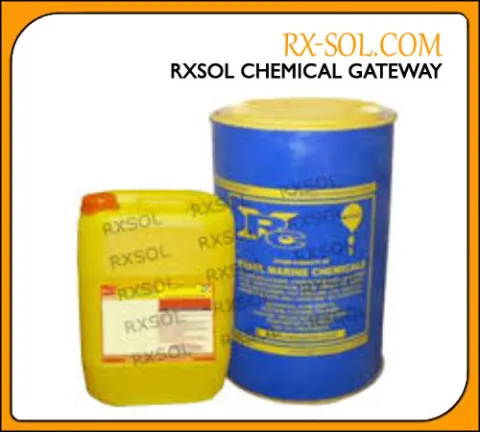
Hydrogen Peroxide
- Part number
- RXSOL-40-1630-025
- Category
- Cooling Water Chemical
- Brand
- RXSOL
Overview
Hydrogen peroxide is a chemical compound with the formula H2O2. It is the simplest peroxide (a compound with an oxygen-oxygen single bond) and in its pure form is a colorless liquid, slightly more viscous than water.
Technical specifications
|
Spec Item |
35%H2O2 |
50%H2O2 |
|
pH |
1.20~2.50 |
1.20~2.50 |
|
Purity wt% |
35~36 |
50~51 |
|
Specific Gravity 20/4℃ |
1.130min |
1.195min |
|
Free Acid as h2so4 wt% |
0.05max |
0.05max |
|
Residual wt% |
0.20max |
0.20max |
|
Stability % |
97.0min |
97.0min |
Applications
Hydrogen Peroxide has many use including House Hold, Domestic. Agriculture, Textile, Industries, Medical and West water Treatment.
#HydrogenPEROXIDE_Muscat
#HydrogenPEROXIDE_DUBAI
#HydrogenPEROXIDE_Mumbai
#HydrogenPEROXIDE_Surat
#HydrogenPEROXIDE_Kolkata
Dosage and directions
House Hold : One of the most common uses of hydrogen peroxide is as a disinfectant. Spray it on surfaces like kitchen counter top and wipe with a clean rag. It can be used as a mouthwash too. You have to dilute the chemical with water and use it for rinsing the mouth. This mouthwash is also said to whiten teeth. Ensure that you do not swallow the liquid, while rinsing.
It can also be used to wash vegetables and fruits, in order to get rid of germs and pesticides. Add some hydrogen peroxide to a bowl full of water (you may also add a few pinches of salt). Soak the veggies and fruits for some time. Remove them and rinse with cold water, before use.This chemical is also used to purify water in swimming pools.
Agriculture : Farmers use it as an insecticide. They spray diluted form of this chemical, on plants, so that the pests and weeds get killed, without causing harm to the plants. Its also used for watering plants. Mix an ounce of this chemical with a quart of water and use it on plants. Apart from boosting the level of oxygen in the soil, this mixture is also said to prevent root rot. Some people soak seeds in it, after diluting it with water. It is said that this will fasten the process of germination. For this purpose have to mix 1.5 teaspoons of hydrogen peroxide in a cup of water.
Textile: It acts as a stain remover. Put 1 spoon tea in 1 bucket water and let it sit for a while. After that, rinse the stains with water and soap.
As it has bleaching property, it is used as a bleach too.
IIndustrial :
Reduced Sulfur Compound Treatment for Refinery Wastewater
Sulfur compounds, such as hydrogen sulfide, thiosulfates and mercaptans, can present serious refinery wastewater problems. Hydrogen peroxide treatment is a cost effective way to treat these reduced sulfur species.
Supplemental Dissolved Oxygen to Reduce BOD and COD
Hydrogen peroxide has been used to reduce BOD and COD in refinery wastewater Supply of Supplemental Dissolved Oxygen (DO) when biological treatment systems experience temporary overloads or equipment failure.Predigestion of wastewater which contains moderate to high levels of compounds that are toxic, inhibitory or recalcitrant to biological treatment.As indicated by these examples, hydrogen peroxide can be used as a stand-alone treatment or as an enhancement to existing physical or biological treatment processes, depending on the situation.
Wastewater Pretreatment
Hydrogen peroxide is one of the most versatile, dependable and environmentally compatible oxidizing agents. The relative safety and simplicity of its use as an oxidizing agent has led to the development of a number of applications in refinery wastewater systems.
Characteristics and notes
Appearance :::--- light blue; colorless in solution
Odor :::--- sharpBoiling point :::--- 150.2 °C, 423 K, 302 °F
Solubility in water :::---Miscible
Solubility :::--- soluble in ether, alcohol insoluble in petroleum ether
Viscosity :::---1.245 cP (20 °C)
Safety and SDS
Read the safety data sheet before handling. Wear suitable gloves and eye protection.
View safety data sheet
| Product Name | Hydrogen peroxide |
| Product Type | RXSOL-40-1630-025 |
Company Details:
RX MARINE INTERNATIONAL
105, A wing , BSEL , TECH PARK.
VASHI ,NEW BOMBAY 400703 INDIA
Stock Point : Mumbai, Kolkata, Chennai, Gandhidham, Visakhapatnam, Fujairah, Muscat
| Phone | +91 22 27815541 / 42 |
| Fax | +91 22 2781 1318 :::AOH :0091 9821214367 |
| rxsolchemicals@gmail.com |
|
Ingredient |
CAS No |
Percent |
|
Hydrogen peroxide |
7722-84-1 |
35 |
| Water |
7732-18-5 |
65 |
Emergency Overview
Color: colourless
Physical state: liquid
Odor: pungent
*Classification of the substance or mixture:
Oxidizing liquids, Category 2, H272
Oral: Acute toxicity, Category 4, H302
Serious eye damage, Category 1, H318
Specific target organ toxicity - single exposure, Category 3, H335
Chronic aquatic toxicity, Category 3, H412
*For the full text of the H-Statements mentioned in this Section, see Section 16.
Hazard statements:
H272 : May intensify fire; oxidizer.
H302 : Harmful if swallowed.
H318 : Causes serious eye damage.
H335 : May cause respiratory irritation.
H412 : Harmful to aquatic life with long lasting effects.
Precautionary statements: Prevention:
P210 : Keep away from heat.
P220 : Keep/Store away from clothing/ combustible materials.
P221 : Take any precaution to avoid mixing with combustibles.
P261 : Avoid breathing gas/mist/vapours/spray.
P264 : Wash skin thoroughly after handling.
P270 : Do not eat, drink or smoke when using this product.
P271 : Use only outdoors or in a well-ventilated area.
P273 : Avoid release to the environment.
P280 : Wear protective gloves/ eye protection/ face protection.
Response:
P301 + P312 : IF SWALLOWED: Call a POISON CENTER/doctor if you feel unwell.
P304 + P340 : IF INHALED: Remove victim to fresh air and keep at rest in a position comfortable for breathing.
P305 + P351 + P338 : IF IN EYES: Rinse cautiously with water for several minutes. Remove contact lenses, if present and easy to do. Continue rinsing.
P310 : Immediately call a POISON CENTER/doctor.
P330 : Rinse mouth.
P370 + P378 : In case of fire: Use dry sand, dry chemical or alcohol-resistant foam for extinction.
Storage:
P403 + P233 : Store in a well-ventilated place. Keep container tightly closed.
P405 : Store locked up.
Disposal:
P501 : Dispose of contents/ container to an approved waste disposal plant.
GHS-Labelling Hazard pictograms:
Potential Health Effects:
If swallowed:
May cause: gastrointestinal symptoms, ulceration, burns, accumulation of fluid in the lungs which may be delayed for several hours.(severity of effects depends on extent of exposure) .
4.1. Description of necessary first-aid measures:
Inhalation: If inhaled, remove victim to fresh air. If not breathing, give artificial respiration. If breathing is difficult, give oxygen. Get medical attention.
Skin: In case of contact, immediately flush skin with plenty of water. Remove contaminated clothing and shoes. Wash clothing before reuse. Thoroughly clean shoes before reuse.
Eyes: In case of contact, immediately flush eyes with plenty of water for at least 15 minutes. Get medical attention immediately.
Ingestion: If swallowed, DO NOT induce vomiting unless directed to do so by medical personnel. Get medical attention immediately. If victim is fully conscious, give a cupful of water. Never give anything by mouth to an unconscious person. Rinse mouth.
4.2. Most important symptoms/effects, acute and delayed:
For most important symptoms and effects (acute and delayed), see Section 2 (Hazard Statements and Supplemental Information) and Section 11 (Toxicology Information) of this SDS.
4.3. Indication of immediate medical attention and special treatment needed, if necessary:
Unless otherwise noted in Notes to Physician, no specific treatment noted; treat symptomatically.
Notes to physician: Exposure to material may cause delayed lung injury resulting in pulmonary edema and pneumonitis. Exposed individuals should be monitored for 72 hours after exposure for the onset of delayed respiratory symptoms.
Extinguishing media (suitable):
water spray, water fog
Protective equipment: Fire fighters and others who may be exposed to products of combustion should wear full fire fighting turn out gear (full Bunker Gear) and self-contained breathing apparatus (pressure demand / NIOSH approved or equivalent).
Further firefighting advice:
Oxidizing material
In case of major fire and large quantities: Evacuate area. Fight fire remotely due to the risk of explosion.
Decomposition will release oxygen, which will intensify a fire. Cool closed containers exposed to fire with water spray.
Closed containers of this material may explode when subjected to heat from surrounding fire.
Do not allow run-off from fire fighting to enter drains or water courses.
Fire fighting equipment should be thoroughly decontaminated after use.
Fire and explosion hazards: Explosive when mixed with combustible material. Avoid breathing fumes from fire exposed material.
Personal precautions, Emergency procedures, Methods and materials for containment/clean-up:
Prevent further leakage or spillage if you can do so without risk. Evacuate area of all unnecessary personnel. Ventilate the area. Eliminate all ignition sources. Avoid generation of vapors. Avoid contact with cellulose, paper, sawdust or similar substances. Risk of self-ignition or promotion of fires. Combustible materials exposed to hydrogen peroxide should be rinsed immediately with large amounts of water to ensure that all the hydrogen peroxide is removed. Contain and collect spillage with non-combustible absorbent material such as clean sand, earth, diatomaceous earth or non-acidic clay and place into suitable properly labeled containers for prompt disposal. Avoid dispersal of spilled material and runoff and contact with soil, waterways, drains and sewers. Consult a regulatory specialist to determine appropriate state or local reporting requirements, for assistance in waste characterization and/or hazardous waste disposal and other requirements listed in pertinent environmental permits.
Protective equipment: Appropriate personal protective equipment is set forth in Section 8.
Handling General information on handling:
Do not taste or swallow.
Do not get in eyes, on skin, or on clothing.
Avoid breathing vapor or mist.
Keep from contact with clothing and other combustible materials.
Keep away from heat, sparks and flames.
Use only with adequate ventilation.
Wash thoroughly after handling.
Wear fire/ flame resistant/ retardant clothing.
Prevent product contamination.
Keep only in the original container.
Store in tightly closed container.
DO NOT CUT, DRILL, GRIND, OR WELD ON OR NEAR THIS CONTAINER.
Emptied container retains vapor and product residue.
Observe all labeled safeguards until container is cleaned, reconditioned or destroyed.
Avoid contamination.
Storage
General information on storage conditions:
Store in tightly closed container. Store in cool, dry, well ventilated area away from sources of ignition such as flame, sparks and static electricity. Store out of direct sunlight in a cool well-ventilated place. Store in original container. Store away from combustibles and incompatible materials. Refer to National Fire Protection Association (NFPA) 430, Code for the Storage of Solid and Liquid Oxidizers.
Storage incompatibility – General:
Store separate from acids, alkalies, reducing agents, and combustibles. Store separate from: Organic materials Metallic oxides
Engineering controls:
Investigate engineering techniques to reduce exposures below airborne exposure limits or to otherwise reduce exposures. Provide ventilation if necessary to minimize exposures or to control exposure levels to below airborne exposure limits (if applicable see above).If practical, use local mechanical exhaust ventilation at sources of air contamination such as open process equipment. Consult ACGIH ventilation manual or NFPA Standard 91 for design of exhaust systems.
Respiratory protection:
Avoid breathing vapor or mist. Where airborne exposure is likely or airborne exposure limits are exceeded (if applicable, see above), use NIOSH approved respiratory protection equipment appropriate to the material and/or its components. Full facepiece equipment is recommended and, if used, replaces need for face shield and/or chemical goggles. Consult respirator manufacturer to determine appropriate type equipment for a given application. Observe respirator use limitations specified by NIOSH or the manufacturer. For emergency and other conditions where there may be a potential for significant exposure or where exposure limit may be significantly exceeded, use an approved full face positive-pressure, self-contained breathing apparatus or positive-pressure airline with auxiliary self-contained air supply. Respiratory protection programs must comply with 29 CFR § 1910.134.
Skin protection:
Wear appropriate chemical resistant protective clothing and chemical resistant gloves to prevent skin contact.
When handling this material, gloves of the following type(s) should be worn:
Neoprene
Polyvinylchloride
Impervious butyl rubber gloves
Wear a face shield, chemical goggles and chemical resistant clothing such as an approved splash protective suit made of SBR Rubber, PVC, Gore-Tex or a HAZMAT Splash Protective Suit (Level A, B, or C) when splashing may occur (such as connecting/disconnecting, mechanical first break). For foot protection, wear boots made of NBR, PVC, polyurethane, or neoprene. Overboots made of Latex or PVC, as well as firefighter boots or specialized HAZMAT boots are also permitted. DO NOT wear any form of boot or overboots made of nylon or nylon blends. DO NOT use cotton, wool or leather, as these materials react RAPIDLY with higher concentrations of hydrogen peroxide. Rinse immediately if skin is contaminated. Remove contaminated clothing and shoes immediately. Thoroughly rinse the outside of gloves and protective clothing with water prior to removal. Completely submerge hydrogen peroxide contaminated clothing or other materials in water prior to drying. Residual hydrogen peroxide, if allowed to dry on materials such as paper, fabrics, cotton, leather, wood or other combustibles can cause the material to ignite and result in a fire. Clean protective equipment before reuse. Provide a safety shower at any location where skin contact can occur. Wash thoroughly after handling.
Eye protection:
Where there is potential for eye contact, wear a face shield, chemical goggles, and have eye flushing equipment immediately available.
Odor: pungent
Odor threshold: No data available
Flash point None. Not applicable
Lower flammable limit (LFL): Not applicable
Upper flammable limit (UFL): Not applicable
pH: No data available
Density: 1.13 g/cm3 (68 °F (20 °C))
Specific Gravity (Relative density):
Vapor pressure: 24 mmHg (68 °F (20 °C))
Relative vapor density: 1
Vapor density: not determined
Boiling point/boiling range: 226 °F (108 °C)
Melting point/range: No data available.
Freezing point: -27 °F (-33 °C)
Evaporation rate: No data available
Solubility in water: completely soluble
Viscosity, dynamic: No data available
% Volatiles: 100 % Molecular weight: 34.01 g/mol
Oil/water partition coefficient: Not applicable
Thermal decomposition: No data available
Stability:
This material is chemically stable under normal and anticipated storage, handling and processing conditions.
Hazardous reactions:
None known.
Materials to avoid:
Metals
Organic materials
Reducing agents
Metallic oxides
Dusts Combustible materials (e.g., wood, sawdust)
Alkaline materials
Conditions / hazards to avoid:
Material decomposes with the potential to produce a rupture of unvented closed containers.
Hazardous decomposition products: This material decomposes if contaminated, causing fire and possible explosions. Oxygen can be liberated at temperatures above ambient.
Data for HYDROGEN PEROXIDE 35% (ALL GRADES)
Acute toxicity
Oral: Harmful if swallowed. (Rat) LD50 = 1,200 mg/kg. (35 %) (as aqueous solution)
Dermal:
May be harmful in contact with skin. (Rabbit) LD50 > 2,000 mg/kg. (35 %) (as aqueous solution)
May be harmful in contact with skin. (Rat) LD50 > 2,000 mg/kg. (35 %) as aqueous solution Inhalation: No deaths occurred. (Rat) 4 h LC0 > 0.17 mg/l. (50 %) (saturated vapor) Skin Irritation: Causes mild skin irritation. (Rabbit) Irritation Index: 1,6/8. (35 %) (aqueous solution)
Eye Irritation:
Causes serious eye damage. (Rabbit) (35 %) (aqueous solution)
Data for Hydrogen peroxide (7722-84-1)
Acute toxicity
Oral: Toxic if swallowed. (Rat) LD50 = 75 mg/kg. (70 %) (as aqueous solution)
Dermal: Practically nontoxic. (Rabbit) LD50 = 9,200 mg/kg. (70 %) (as aqueous solution)
Inhalation: Harmful if inhaled. (Rat) 4 h LC50 = 2 mg/l. (100 %) (aerosol) Specific target organ toxicity - single exposure: May cause respiratory irritation.
Skin Irritation: Causes severe skin burns. (Rabbit) (3 min) (70 %) (aqueous solution)
Eye Irritation: Causes serious eye damage. (Rabbit) (70 %) (aqueous solution)
Repeated dose toxicity
Repeated drinking water administration to rat and mouse / affected organ(s):
Gastro-intestinal tract / signs: irritation Repeated inhalation administration to rat / affected organ(s): nose / signs: irritation
Carcinogenicity
Chronic drinking water administration to rat and mouse / affected organ(s): Gastro-intestinal tract / Increased incidence of tumors was reported.
Classified by the International Agency for Research on Cancer as: Group 3: Unclassifiable as to carcinogenicity in humans.
Genotoxicity
Assessment in Vitro:
Genetic changes were observed in laboratory tests using: bacteria, animal cells
Genotoxicity Assessment in Vivo: Genetic changes were observed in a laboratory test using: mice, rats
Human experience Inhalation: Throat: irritation. (based on reports of occupational exposure to workers)
Human experience Skin contact:
Skin: bleaching of hair. (based on reports of occupational exposure to workers) Human experience
Eye contact: Eye: irritating. (based on reports of occupational exposure to workers) Human experience Ingestion:
Chemical Fate and Pathway
Data on this material and/or a similar material are summarized below.
Data for Hydrogen peroxide (7722-84-1)
Biodegradation: Readily biodegradable. (0.02 d) biodegradation 99 %
Octanol Water Partition Coefficient:
log Pow = -1.57 (calculated)
Ecotoxicology Data on this material and/or a similar material are summarized below.
Data for Hydrogen peroxide (7722-84-1)
Aquatic toxicity data: Harmful.
Pimephales promelas (fathead minnow) 96 h LC50 = 16.4 mg/l
Aquatic invertebrates: Toxic.
Daphnia pulex (Water flea) 48 h EC50 = 2.4 mg/l
Algae:
Toxic. Skeletonema costatum (marine diatom) 72 h ErC50 = 1.38 mg/l
Microorganisms:
Activated sludge 0.5 h EC50 = 466 mg/l
Activated sludge 3 h EC50 > 1,000 mg/l
Chronic toxicity to aquatic invertebrates:
Daphnia magna (Water flea) 21 d NOEC (reproduction) = 0.63 mg/l
Waste disposal:
Dilution with water is the preferred method of disposal. Dispose of in accordance with federal, state and local regulations. Consult a regulatory specialist to determine appropriate state or local reporting requirements, for assistance in waste characterization and/or hazardous waste disposal and other requirements listed in pertinent environmental permits. Note: Chemical additions to, processing of, or otherwise altering this material may make this waste management information incomplete, inaccurate, or otherwise inappropriate. Furthermore, state and local waste disposal requirements may be more restrictive or otherwise different from federal laws and regulations.
US Department of Transportation (DOT)
UN Number : 2014
Proper shipping name : Hydrogen peroxide, aqueous solutions
Class : 5.1
Subsidiary hazard class : (8)
Packaging group : II
Marine pollutant : no International Maritime Dangerous Goods Code (IMDG)
UN Number : 2014
Proper shipping name : HYDROGEN PEROXIDE, AQUEOUS SOLUTION
Class : 5.1
Subsidiary hazard class : (8)
Packaging group : II
Marine pollutant : no
United States – Federal Regulations
SARA Title III – Section 302
Extremely Hazardous Chemicals:
Chemical name CAS-No. SARA Reportable Quantities SARA Threshold Planning Quantity
Hydrogen peroxide 7722-84-1 1000 lbs 1000 lbs
SARA Title III - Section 311/312
Hazard Categories: Acute Health Hazard, Fire Hazard, Reactivity Hazard
SARA Title III – Section 313 Toxic Chemicals:
This material does not contain any chemical components with known CAS numbers that exceed the threshold (De Minimis) reporting levels established by SARA Title III, Section 313.
Comprehensive Environmental Response, Compensation, and Liability Act (CERCLA) - Reportable Quantity (RQ): The components in this product are either not CERCLA regulated, regulated but present in negligible concentrations, or regulated with no assigned reportable quantity
Full text of H-Statements referred to under sections 2 and 3.
H272 May intensify fire; oxidizer.
H302 Harmful if swallowed.
H318 Causes serious eye damage.
H335 May cause respiratory irritation.
H412 Harmful to aquatic life with long lasting effects
The information provided about the product on this Safety Data Sheet has been compiled from knowledge of the individual constituents.The data given here is based on current knowledge and experience. This Safety Data Sheet describes the product .in terms of safety requirements and does not signify any warranty with regard to the product's properties The data given here only applies when product used for proper application(s). The product is not sold as suitable for other applications - usage in such may cause risks not mentioned in this sheet. Do not use for other.
DISCLAIMER OF LIABILITY :The information in this SDS was obtained from sources which we believe are reliable. However, the information is provided without any warranty, express or implied, regarding its correctness. The conditions or methods of handling, storage, use or disposal of the product are beyond our control and may be beyond our knowledge. For this and other reasons, we do not assume responsibility and expressly disclaim liability for loss, damage or expense arising out of or in any way connected with the handling, storage, use or disposal of the product. This MSDS was prepared and is to be used only for this product. If the product is used as a component in another product, this MSDS information may not be applicable.
Availability
Hydrogen Peroxide 35% Exporter Importer and supplier in India UAE Oman, Nairobi, Canada. Pure Hydrogen Peroxide supplier in RUWI BARKA, Muscat Soha Oman, Fujairah, Sharjah, Ajman, Abudhbai, Dubai, Mumbai, Surat GIDC, Gandhidham, Chennai, Kolkata, Visakhapatnam, AndhraPradesh, Ennore, Paradip