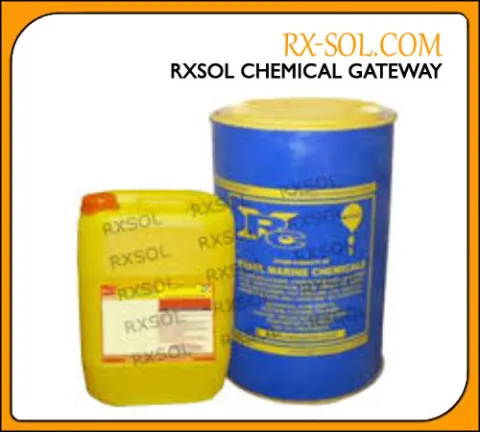
Hydrogen Peroxide 7-10 Percent
- Part number
- RXSOL-40-1630-026
- Category
- Cooling Water Chemical
- Brand
- RXSOL
Overview
Hydrogen peroxide is a chemical compound with the formula H2O2. It is the simplest peroxide (a compound with an oxygen-oxygen single bond) and in its pure form is a colorless liquid, slightly more viscous than water.
A Hydrogen Peroxide diluted solution formulated for powerful surface disinfection, deodorization, and hygiene maintenance. It effectively removes organic residues, kills bacteria, fungi, and viruses, ensuring a sanitized and odor-free environment. Safe for use on hard surfaces, equipment, and washable areas in healthcare, food, and industrial facilities. Biodegradable and non-corrosive at recommended dilutions, making it ideal for routine sanitation programs.
Technical specifications
|
Spec Item |
35%H2O2 |
50%H2O2 |
|
pH |
1.20~2.50 |
1.20~2.50 |
|
Purity wt% |
35~36 |
50~51 |
|
Specific Gravity 20/4℃ |
1.130min |
1.195min |
|
Free Acid as h2so4 wt% |
0.05max |
0.05max |
|
Residual wt% |
0.20max |
0.20max |
|
Stability % |
97.0min |
97.0min |
Applications
Hydrogen Peroxide has many use including House Hold, Domestic. Agriculture, Textile, Industries, Medical and West water Treatment.
Hydrogen Peroxide is a mild oxidizing agent commonly used for disinfection, sanitization, and oxidation purposes in water systems. It is effective against bacteria, viruses, and fungi, while being safe for use in cooling water systems, industrial hygiene, and general sanitation.
Applications of diluted Hydrogen Peroxide
- Disinfection of drinking and process water
- Biofouling control in cooling water systems
- Surface sanitization in food and beverage industries
- Oxidation of trace contaminants in water treatment
- General household and industrial cleaning
Features and Benefits of Hydrogen Peroxide
- Effective biocide for bacteria, viruses, and fungi
- Environmentally friendly, decomposes to water and oxygen
- Compatible with most materials and cooling water systems
- Clear, colorless, and easy-to-handle liquid
- Provides rapid and residual disinfection
Dosage and directions
House Hold : One of the most common uses of hydrogen peroxide is as a disinfectant. Spray it on surfaces like kitchen counter top and wipe with a clean rag. It can be used as a mouthwash too. You have to dilute the chemical with water and use it for rinsing the mouth. This mouthwash is also said to whiten teeth. Ensure that you do not swallow the liquid, while rinsing.
It can also be used to wash vegetables and fruits, in order to get rid of germs and pesticides. Add some hydrogen peroxide to a bowl full of water (you may also add a few pinches of salt). Soak the veggies and fruits for some time. Remove them and rinse with cold water, before use.This chemical is also used to purify water in swimming pools.
Agriculture : Farmers use it as an insecticide. They spray diluted form of this chemical, on plants, so that the pests and weeds get killed, without causing harm to the plants. Its also used for watering plants. Mix an ounce of this chemical with a quart of water and use it on plants. Apart from boosting the level of oxygen in the soil, this mixture is also said to prevent root rot. Some people soak seeds in it, after diluting it with water. It is said that this will fasten the process of germination. For this purpose have to mix 1.5 teaspoons of hydrogen peroxide in a cup of water.
Textile: It acts as a stain remover. Put 1 spoon tea in 1 bucket water and let it sit for a while. After that, rinse the stains with water and soap.
As it has bleaching property, it is used as a bleach too.
IIndustrial :
Reduced Sulfur Compound Treatment for Refinery Wastewater
Sulfur compounds, such as hydrogen sulfide, thiosulfates and mercaptans, can present serious refinery wastewater problems. Hydrogen peroxide treatment is a cost effective way to treat these reduced sulfur species.
Supplemental Dissolved Oxygen to Reduce BOD and COD
Hydrogen peroxide has been used to reduce BOD and COD in refinery wastewater Supply of Supplemental Dissolved Oxygen (DO) when biological treatment systems experience temporary overloads or equipment failure.Predigestion of wastewater which contains moderate to high levels of compounds that are toxic, inhibitory or recalcitrant to biological treatment.As indicated by these examples, hydrogen peroxide can be used as a stand-alone treatment or as an enhancement to existing physical or biological treatment processes, depending on the situation.
Wastewater Pretreatment
Hydrogen peroxide is one of the most versatile, dependable and environmentally compatible oxidizing agents. The relative safety and simplicity of its use as an oxidizing agent has led to the development of a number of applications in refinery wastewater systems.
Characteristics and notes
Appearance :::--- light blue; colorless in solution
Odor :::--- sharpBoiling point :::--- 150.2 °C, 423 K, 302 °F
Solubility in water :::---Miscible
Solubility :::--- soluble in ether, alcohol insoluble in petroleum ether
Viscosity :::---1.245 cP (20 °C)
Safety and SDS
Read the safety data sheet before handling. Wear suitable gloves and eye protection.
View safety data sheet
| Product Name | RXSOL-40-1630-026 |
| Product Type | Hydrogen Peroxide 7-10 Percent |
Company Details:
RX MARINE INTERNATIONAL
105, A wing , BSEL , TECH PARK.
VASHI ,NEW BOMBAY 400703 INDIA
Stock Point : Mumbai, Gandhidham, Vizag, Chennai, Kolkata, Fujairah, Muscat, Nairobi Kenya, Canada
| Phone | +91 22 27815540 / 41 / 42 |
| Fax | +91 22 2781 1318 :::AOH :0091 9821214367 |
| rxsolchemicals@gmail.com |
|
Name |
CAS # | % by Weight |
|
Hydrogen Peroxide |
7722-84-1 | 7-10 |
Potential Acute Health Effects:
Very hazardous in case of skin contact (irritant), of eye contact (irritant). Hazardous in case of skin contact (corrosive), of eye contact (corrosive), of ingestion, . Slightly hazardous in case of inhalation (lung sensitizer). Liquid or spray mist may produce tissue damage particularly on mucous membranes of eyes, mouth and respiratory tract. Skin contact may produce burns. Inhalation of the spray mist may produce severe irritation of respiratory tract, characterized by coughing, choking, or shortness of breath. Prolonged exposure may result in skin burns and ulcerations. Over-exposure by inhalation may cause respiratory irritation. Inflammation of the eye is characterized by redness, watering, and itching. Skin inflammation is characterized by itching, scaling, reddening, or, occasionally, blistering.
Potential Chronic Health Effects:
CARCINOGENIC EFFECTS: Not available. MUTAGENIC EFFECTS: Not available. TERATOGENIC EFFECTS: Not available. DEVELOPMENTAL TOXICITY: Not available. The substance is toxic to lungs, mucous membranes. Repeated or prolonged exposure to the substance can produce target organs damage. p. 2
|
Eye Contact: |
Check for and remove any contact lenses. In case of contact, immediately flush eyes with plenty of water for at least 15 minutes. Cold water may be used. Get medical attention immediately. |
|
Skin Contact: |
In case of contact, immediately flush skin with plenty of water for at least 15 minutes while removing contaminated clothing and shoes. Cover the irritated skin with an emollient. Cold water may be used.Wash clothing before reuse. Thoroughly clean shoes before reuse. Get medical attention immediately |
|
Serious Skin Contact: |
Wash with a disinfectant soap and cover the contaminated skin with an anti-bacterial cream. Seek immediate medical attention. |
|
Inhalation: |
If inhaled, remove to fresh air. If not breathing, give artificial respiration. If breathing is difficult, give oxygen. Get medical attention immediately. |
|
Serious Inhalation: |
Evacuate the victim to a safe area as soon as possible. Loosen tight clothing such as a collar, tie, belt or waistband. If breathing is difficult, administer oxygen. If the victim is not breathing, perform mouth-to-mouth resuscitation. WARNING: It may be hazardous to the person providing aid to give mouth-to-mouth resuscitation when the inhaled material is toxic, infectious or corrosive. Seek immediate medical attention |
|
Ingestion: |
Do NOT induce vomiting unless directed to do so by medical personnel. Never give anything by mouth to an unconscious person. Loosen tight clothing such as a collar, tie, belt or waistband. Get medical attention if symptoms appear |
|
Serious Ingestion: |
Not available. |
|
Flammability of the Product: |
Non-flammable. |
|
Auto-Ignition Temperature: |
Not applicable. |
|
Flash Points: |
Not applicable. |
|
Flammable Limits: |
Not applicable |
|
Products of Combustion: |
Not available. |
|
Fire Hazards in Presence of Various Substances: |
combustible materials |
| Explosion Hazards in Presence of Various Substances: | Slightly explosive in presence of open flames and sparks, of heat, of organic materials, of metals, of acids. |
Fire Fighting Media and Instructions:
Fire: Small fires: Use water. Do not use dry chemicals or foams. CO2, or Halon may provide limited control. Large fires: Flood fire area with water from a distance. Move containers from fire area if you can do it without risk. Do not move cargo or vehicle if cargo has been exposed to heat. Fight fire from maximum distance or use unmanned hose holders or monitor nozzles. Cool containers with flooding quantities of water until well after fire is out. ALWAYS stay away from tanks engulfed in fire.For massive fire, use unmanned hose holders or monitor nozzles; if this is impossible, withdraw from area and let fire burn. / Hydrogen peroxide, aqueous solution, with not less than 8% but less than 20% Hydrogen peroxide; Hydrogen peroxide, aqueous solution, with not less than 20% but not more than 60% Hydrogen peroxide (stabilized as necessary)/ [QC Reviewed] [U.S. Department of Transportation. 2000 Emergency Response Guidebook. RSPA P 5800.8 Edition. Washington, D.C: U.S. Government Printing Office, 2000,p. G-140]
Special Remarks on Fire Hazards:
Most cellulose (wood, cotton) materials contain enough catalyst to cause spontaneous ignition with 90% Hydrogen Peroxide. Hydrogen Peroxide is a strong oxider. It is not flammable itself, but it can cause spontaneous combustion of flammable materials and continued support of the combustion because it liberates oxygen as it decomposes. Hydrogen peroxide mixed with magnesium and a trace of magnesium dioxide will ignite immediately
Special Remarks on Explosion Hazards:
Soluble fuels (acetone, ethanol, glycerol) will detonate on a mixture with peroxide over 30% concentration, the violence increasing with concentration. Explosive with acetic acid, acetic anhydride, acetone, alcohols, carboxylic acids, nitrogen containing bases, As2S3, Cl2 + KOH, FeS, FeSO4 + 2 methylpryidine + H2SO4, nitric acid, potassium permanganate, P2O5, H2Se, Alcohols + H2SO4, Alcohols + tin chloride, Antimoy trisulfide, chlorosulfonic acid, Aromatic hydrocarbons + trifluoroacetic acid, Azeliac acid + sulfuric acid (above 45 C), Benzenesulfonic anhydride, tert-butanol + sulfuric acid, Hydrazine, Sulfuric acid, Sodium iodate, Tetrahydrothiophene, Thiodiglycol, Mercurous oxide, mercuric oxide, Lead dioxide, Lead oxide, Manganese dioxide, Lead sulfide, Gallium + HCl, Ketenes + nitric acid, Iron (II) sulfate + 2-methylpyridine + sulfuric acid, Iron (II) sulfate + nitric acid, + sodium carboxymethylcellulose (when evaporated), Vinyl acetate, trioxane, water + oxygenated compounds (eg: acetaldehyde, acetic acid, acetone, ethanol, formaldehyde, formic acid, methanol, 2-propanol, propionaldehyde), organic compounds. Beware: Many mixitures of hydrogen peroxide and organic materials may not explode upon contact. However, the resulting combination is detonatable either upon catching fire or by impact. EXPLOSION HAZARD: SEVERE, WHEN HIGHLY CONCENTRATED OR PURE H2O2 IS EXPOSED TO HEAT, MECHANICAL IMPACT, OR CAUSED TO DECOMPOSE CATALYTICALLY BY METALS & THEIR SALTS, DUSTS & ALKALIES. ANOTHER SOURCE OF HYDROGEN PEROXIDE EXPLOSIONS IS FROM SEALING THE MATERIAL IN STRONG CONTAINERS. UNDER SUCH CONDITIONS EVEN GRADUAL DECOMPOSITION OF HYDROGEN PEROXIDE TO WATER + 1/2 OXYGEN CAN CAUSE LARGE PRESSURES TO BUILD UP IN THE CONTAINERS WHICH MAY BURST EXPLOSIVELY. Fire or explosion: May explode from friction, heat or contamination. These substances will accelerate burning when involved in a fire. May ignite combustibles (wood, paper, oil, clothing, etc.). Some will react explosively with hydrocarbons (fuels). Containers may explode when heated. Runoff may create fire or explosion hazard. /Hydrogen peroxide, aqueous solution, stabilized, with more than 60% Hydrogen peroxide; Hydrogen peroxide, stabilized/ [QC Reviewed] [U.S. Department of Transportation. 2000 Emergency Response Guidebook. RSPA P 5800.8 Edition. Washington, D.C: U.S. Government Printing Office, 2000,p. G-143] . Fire or explosion: These substances will accelerate burning when involved in a fire. Some may decompose explosively when heated or involved in a fire. May explode from heat or contamination. Some will react explosively with hydrocarbons (fuels). May ignite combustibles (wood, paper, oil, clothing, etc.). Containers may explode when heated. Runoff may create fire or explosion hazard. /Hydrogen peroxide, aqueous solution, with not less than 8% but less than 20% Hydrogen peroxide; Hydrogen peroxide, aqueous solution, with not less than 20% but not more than 60% Hydrogen peroxide (stabilized as necessary)/ [QC Reviewed] [U.S. Department of Transportation. 2000 Emergency Response Guidebook. RSPA P 5800.8 Edition. Washington, D.C: U.S. Government Printing Office, 2000,p. G-140] (Hydrogen Peroxide)
|
Small Spill: |
Dilute with water and mop up, or absorb with an inert dry material and place in an appropriate waste disposal container |
|
Large Spill: |
Corrosive liquid. Oxidizing material. Stop leak if without risk. Absorb with DRY earth, sand or other non-combustible material. Do not get water inside container. Avoid contact with a combustible material (wood, paper, oil, clothing...). Keep substance damp using water spray. Do not touch spilled material. Use water spray curtain to divert vapor drift. Prevent entry into sewers, basements or confined areas; dike if needed. Call for assistance on disposal. Be careful that the product is not present at a concentration level above TLV. Check TLV on the MSDS and with local authorities. |
|
Precautions: |
Keep locked up.. Keep container dry. Keep away from heat. Keep away from sources of ignition. Keep away from combustible material.. Do not ingest. Do not breathe gas/fumes/ vapor/spray. Never add water to this product. In case of insufficient ventilation, wear suitable respiratory equipment. If ingested, seek medical advice immediately and show the container or the label. Avoid contact with skin and eyes. Keep away from incompatibles such as oxidizing agents, reducing agents, combustible materials, organic materials, metals, acids, alkalis |
|
Storage: |
Keep container tightly closed. Keep container in a cool, well-ventilated area. Separate from acids, alkalies, reducing agents and combustibles. See NFPA 43A, Code for the Storage of Liquid and Solid Oxidizers. Do not store above 8°C (46.4°F). Refrigerate Sensitive to light. Store in light-resistant containers. |
|
Engineering Controls: |
Provide exhaust ventilation or other engineering controls to keep the airborne concentrations of vapors below their respective threshold limit value. Ensure that eyewash stations and safety showers are proximal to the work-station location |
|
Personal Protection: |
Face shield. Full suit. Vapor respirator. Be sure to use an approved/certified respirator or equivalent. Gloves. Boots |
|
Personal Protection in Case of a Large Spill: |
Splash goggles. Full suit. Vapor respirator. Boots. Gloves. A self contained breathing apparatus should be used to avoid inhalation of the product. Suggested protective clothing might not be sufficient; consult a specialist BEFORE handling this product. |
|
Exposure Limits |
Hydrogen Peroxide TWA: 1 (ppm) from ACGIH (TLV) [United States] TWA: 1 (ppm) from OSHA (PEL) [United States] TWA: 1 STEL: 2 [Canada] TWA: 1.4 (mg/m3) from NIOSH TWA: 1.4 (mg/m3) from OSHA (PEL) [United States] TWA: 1 (ppm) [United Kingdom (UK)] TWA: 1.4 (mg/m3) [United Kingdom (UK)]Consult local authorities for acceptable exposure limits |
|
Physical state and appearance: |
Liquid |
|
Odor |
Odorless. |
|
Taste |
Slightly acid. Bitter |
|
Molecular Weight: |
Not applicable. |
|
Color: |
Clear Colorless |
|
pH (1% soln/water): |
Not available |
|
Boiling Point: |
100°C or 212°F |
|
Critical Temperature |
Not available |
|
Specific Gravity |
>1 (Water = 1) |
|
Vapor Pressure |
3.1 kPa (@ 20°C) |
|
Volatility |
Not available |
|
Odor Threshold |
Not available |
|
Water/Oil Dist. Coeff. |
Not available |
|
Ionicity (in Water) |
Not available |
|
Dispersion Properties |
See solubility in water, diethyl ether |
|
Solubility |
Easily soluble in cold water. Soluble in diethyl ether |
|
Stability |
The product is stable. It contains a stabilizer |
|
Instability Temperature: |
Not available |
|
Conditions of Instability |
Excess heat, incompatible materials |
|
Incompatibility with various substances |
Reactive with reducing agents, combustible materials, organic materials, metals, acids, alkalis. |
|
Corrosivity: |
Non-corrosive in presence of glass |
Special Remarks on Reactivity:
Light sensitive. Incompatible with reducing materials, ethers (dioxane, furfuran, tetrahydrofuran), oxidizing materials, Metals(eg. potassium, sodium lithium, iron, copper, brass, bronze, chromium, zinc, lead, silver, nickel), metal oxides (eg. cobalt oxide, iron oxide, lead oxide, lead hydroxide, manganese oxide), metal salts (eg. calcium permanganate, salts of iron), manganese, asbestos, vanadium, platinium, tungsten, molybdeum, triethylamine, palladium, sodium pyrophosphate, carboxylic acids, cyclopentadiene, formic acid, rust, ketones, sodium carbonate, alcohols, sodium borate, aniline, mercurous chloride, rust, nitric acid, sodium pyrophosphate, hexavalent chromium compounds, tetrahydrofuran, sodium fluoride organic matter, potassium permanganate, urea, chlorosulfonic acid, manganese dioxide, hydrogen selenide, charcoal, coal, sodium borate, alkalies, cyclopentadiene, glycerine, cyanides (potassium, cyanide, sodium cyanide), nitrogen compounds.. Caused to decompose catalytically by metals (in order of decreasing effectiveness): Osmium, Palladium, Platinum, Iridium, Gold, Silver, Manganese, Cobalt, Copper, Lead. Concentrated hydrogen peroxide may decompose violently or explosively in contact with iron, copper, chromium, and most other metals and their salts, and dust. (Hydrogen Peroxide)
Special Remarks on Corrosivity: Not available.
Polymerization: Will not occur.
Toxicity to Animals: Acute oral toxicity (LD50): 6667 mg/kg (Mouse) (Calculated value for the mixture). Acute dermal toxicity (LD50): 6667 mg/kg ( pig) (Calculated value for the mixture).
Chronic Effects on Humans: CARCINOGENIC EFFECTS: Classified A3 (Proven for animal.) by ACGIH [Hydrogen Peroxide]. Classified 3 (Not classifiable for human.) by IARC [Hydrogen Peroxide]. MUTAGENIC EFFECTS: Mutagenic for mammalian somatic cells. [Hydrogen Peroxide]. Mutagenic for bacteria and/or yeast. [Hydrogen Peroxide]. Contains material which may cause damage to the following organs: blood, upper respiratory tract, skin, eyes, central nervous system (CNS).
Other Toxic Effects on Humans:Very hazardous in case of skin contact (irritant). Hazardous in case of skin contact (corrosive), of eye contact (corrosive), of ingestion, of inhalation (lung corrosive).
Special Remarks on Toxicity to Animals: Not available.
Special Remarks on Chronic Effects on Humans: May cause cancer and may affect genetic material based on animal data. May be tumorigenic. (Hydrogen Peroxide)
Special Remarks on other Toxic Effects on Humans:
Acute Potential Health Effects: Skin: Causes severe skin irritation and possible burns. Absorption into skin may affect behavior/central nervous system (tremor, ataxia, convulsions), respiration (dyspnea, pulmonary emboli), brain. Eyes: Causes severe eye irritation, superficial clouding, corneal edema, and may cause burns. Inhalation: Causes respiratory tract irritation with coughing, lacrimation. May cause chemical burns to the respiratory tract. May affect behavior/Central nervous system (insomnia, headache, ataxia, nervous tremors with numb extremities) and may cause ulceration of nasal tissue, and , chemical pneumonia, unconciousness, and possible death. At high concentrations, respiratory effects may include acute lung damage, and delayed pulmonary edema. May affect blood. Ingestion: Causes gastrointestional tract irritation with nausea, vomiting, hypermotility, and diarrhea. Causes gastrointestional tract burns. May affect cardiovascular system and cause vascular collapse and damage. May affect blood (change in leukocyte count, pigmented or nucleated red blood cells). May cause difficulty in swallowing, stomach distension and possible cerebal swelling. May affect behavior/central nervous system (tetany, excitement). Chronic Potential Health Effects: Prolonged or repeated skin contact may cause dermatitis. Repeated contact may also cause corneal damage. Prolonged or repeated ingestion may affect metabolism (weight loss). Prolonged or repeated inhalation may affect respiration, blood. (Hydrogen Peroxide)
|
Ecotoxicity: |
Not available |
||||||
|
BOD5 and COD: |
Not available |
||||||
|
Products of Biodegradation |
Possibly hazardous short/long term degradation products are to be expected. |
||||||
|
Toxicity of the Products of Biodegradation |
The products of degradation are less toxic than the product itself. |
||||||
| Special Remarks on the Products of Biodegradation: |
- Not classified as hazardous for transport
AvailabilityHydrogen Peroxide 7-10 Percent manufacturer supplier distributor in Mumbai, Kandla, Kolkata, Vizag, Chennai, India, Fujairah, Dubai, Sharjah, UAE, Gulf, Middle East, Muscat Oman, Kenya Africa. Get the best quality of Hydrogen Peroxide 7-10 Percent at a competitive price from us. We have ready stock of Hydrogen Peroxide 7-10 Percent in India, UAE Gulf, Oman, Kenya Africa. Contact us for bulk as well as small orders. Related productsAll Cooling Water Chemical |